×
Museum of Memory and Human Rights

Chile🇨🇱 | attractionsMuseum of Memory and Human Rightsdictatorship history, testimonies, interactive exhibits | things to do and best time to go

Explore PuyuhuapiExplore Valle de la Luna Viewpoints and Lookouts

Backpacking in Museum of Memory and Human Rights
🏆 Top pickattraction ranked #4
By Johan Kruseman 🇳🇱 | Updated July 30, 2026

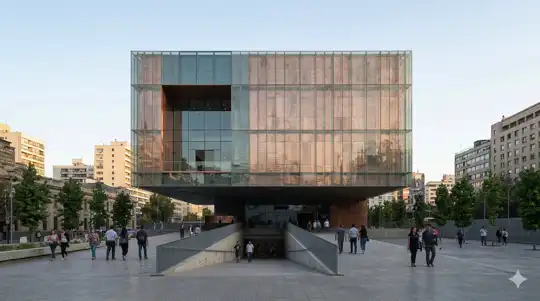
Your footsteps echo on polished concrete. The air is cool, almost clinical, but your skin prickles as you stare at a wall of faces—hundreds of black-and-white portraits, each one staring back with silent accusation. Somewhere, a recording of a mother’s testimony crackles through a speaker. You don’t need to understand Spanish to feel the grief in her voice. This is the Museum of Memory and Human Rights, tucked into a modern building in Santiago, Chile’s sprawling capital.

Let’s cut through the travel-brochure nonsense: this isn’t a selfie stop or a box to tick. It’s a gut punch. Backpackers come here for the same reason locals do—to confront the brutal legacy of Chile’s dictatorship, and to understand the courage it took to survive it. Yes, it’s affordable (entry is free), and yes, you’ll find school groups and international visitors, but the crowds are hushed, respectful, and the mood is heavy. If you’re looking for adrenaline, go climb Villarrica. But if you want to understand Chile beyond the Andes and the wine, this place is non-negotiable. It’s not fun, but it’s necessary—and it’ll stick with you long after you leave.

Discover everything you want to know in the 📖 Chile Travel Guide.


Get your Chile guide
114 ranked highlights, routes & tips, works offline (449 pages)
Loading the map 🌍
CLICK TO FILTER
cities
towns
villages
landmarks
national parks
hikes
beaches
attractions
festivals
regions
SHOW COUNTRY’S BESTSHOW ALL

✨ Why go?
Ranked #4 attraction in Chile
What makes it a must-see attraction

The Museum of Memory and Human Rights in Chile isn’t your typical tourist stop where you snap a quick selfie and move on. It’s heavy, raw, and unflinching—exactly why backpackers who care about more than just pretty views make time for it. This place is a brutal reminder of Chile’s darkest chapter under Pinochet’s dictatorship, but it’s also a powerful tribute to resilience and justice. You won’t find sugarcoated history here; instead, you get a deep dive into human rights abuses through chilling testimonies, stark visuals, and immersive exhibits that hit you where it counts.

Yes, it can be emotionally exhausting, but that’s the point. It’s a major milestone on any Chile route because it forces you to confront the country’s past beyond the postcard-perfect landscapes. The crowds can be thick, … read more 👉
The Museum of Memory and Human Rights in Chile isn’t your typical tourist stop where you snap a quick selfie and move on. It’s heavy, raw, and unflinching—exactly why backpackers who care about more than just pretty views make time for it. This place is a brutal reminder of Chile’s darkest chapter under Pinochet’s dictatorship, but it’s also a powerful tribute to resilience and justice. You won’t find sugarcoated history here; instead, you get a deep dive into human rights abuses through chilling testimonies, stark visuals, and immersive exhibits that hit you where it counts.

Yes, it can be emotionally exhausting, but that’s the point. It’s a major milestone on any Chile route because it forces you to confront the country’s past beyond the postcard-perfect landscapes. The crowds can be thick, especially during peak hours, and the entrance fee is modest but worth every peso for the eye-opening experience. This museum isn’t about entertainment—it’s about understanding, empathy, and respect. If you want to truly grasp Chile’s soul, skipping this would be a disservice. It’s the kind of place that stays with you long after you leave, shaping how you see the country and its people.
Want to include Museum of Memory and Human Rights in your Chile route?
Create a personalized Chile itinerary that includes Museum of Memory and Human Rights and the places that fit your trip — based on your travel style, budget, and available time. Get your route in seconds.

Generate my trip

💡 HighlightsDon't-miss highlights and experiences

Hall of Memory
This is the museum’s emotional core. You walk into a space that’s intentionally stark—concrete, glass, and silence. The names of the disappeared and executed are etched on the walls, and the effect is immediate: you feel the weight of absence. It’s not about spectacle. It’s about confronting the void left by state violence. No Instagram filter can capture the chill that runs down your spine here. This is the room that makes you stop, breathe, and actually feel the cost of history.

Testimonies Room
Forget the dry, distant voice of a tour guide. Here, survivors and relatives speak directly to you through video interviews. The stories are raw, sometimes halting, and always personal. You’re not just learning about history; you’re being handed the emotional truth, unmediated. This … read more 👉
Hall of Memory
This is the museum’s emotional core. You walk into a space that’s intentionally stark—concrete, glass, and silence. The names of the disappeared and executed are etched on the walls, and the effect is immediate: you feel the weight of absence. It’s not about spectacle. It’s about confronting the void left by state violence. No Instagram filter can capture the chill that runs down your spine here. This is the room that makes you stop, breathe, and actually feel the cost of history.

Testimonies Room
Forget the dry, distant voice of a tour guide. Here, survivors and relatives speak directly to you through video interviews. The stories are raw, sometimes halting, and always personal. You’re not just learning about history; you’re being handed the emotional truth, unmediated. This is where the museum’s mission comes alive—memory as resistance, not just remembrance. If you want to understand Chile’s past, this is the room that delivers the gut punch.

Original Artifacts and Letters
You’ll see battered shoes, handwritten letters smuggled out of prison, and everyday objects that survived the dictatorship. These aren’t just relics—they’re proof. Each item is a rebuke to denial and revisionism. The power is in the details: a child’s drawing, a coded message, a faded photograph. It’s the difference between reading about history and touching it. The artifacts are displayed with minimal commentary, letting you draw your own conclusions. This is the anti-theme park approach, and it works.

Interactive Timeline Wall
This isn’t your average timeline. It’s a floor-to-ceiling digital wall that lets you scroll through the years of the Pinochet dictatorship, with news footage, photos, and documents popping up as you go. You control the pace. Want to linger on the 1988 plebiscite? Go for it. Need to skip past the darkest days? That’s your call. It’s a rare museum feature that respects your agency and curiosity. My personal favorite—because it lets you piece together the story in your own way, and you’ll catch details you’d never find in a textbook.

Temporary Exhibitions
Don’t skip these. The rotating exhibits often tackle contemporary human rights issues—sometimes from Chile, sometimes global. One month it’s about LGBTQ+ rights in Latin America, the next it’s about digital surveillance. The curation is sharp, and the topics are never sanitized. If you want to see how the past connects to the present, this is where the museum proves it’s not just a memorial, but a living, evolving space for debate.

Reflection Courtyard
After the intensity inside, the courtyard is where you decompress. It’s not a garden for selfies; it’s a place to process what you’ve seen. The design is minimalist, almost severe, but that’s the point. You leave with more questions than answers, and that’s exactly what the architects intended. It’s the rare museum exit that feels like a challenge, not a relief.
Spotted a mistake or missing something? Contact us.

Things to do around Museum of Memory and Human Rights

Ratings based on Tripadvisor reviews. When you book through this link, you support our work at no extra cost to you.

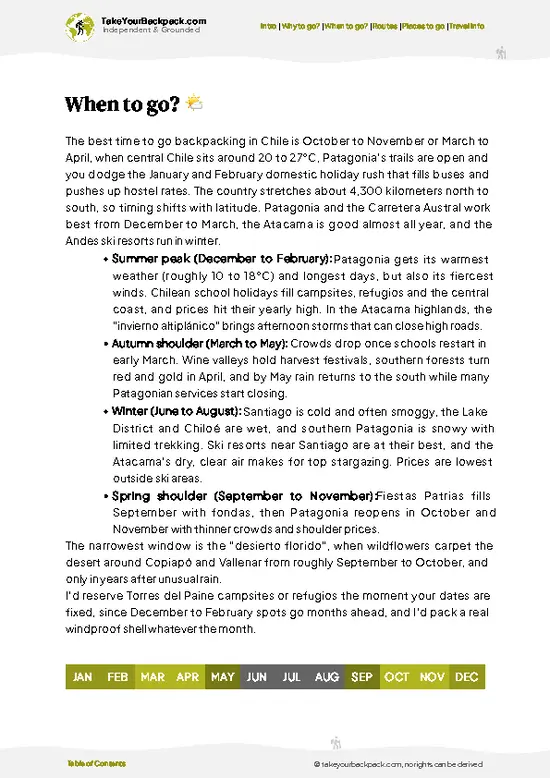
🌤️ When to go?Seasonal considerations and timing


  • Weather: Santiago’s Mediterranean climate means the Museum of Memory and Human Rights is accessible year-round, but the best weather hits between October and April. Expect dry, warm days with temperatures ranging from 20°C to 30°C (68°F to 86°F). Winters (June to August) bring cooler, damp days around 7°C to 15°C (45°F to 59°F), which can make wandering less pleasant.

  • Temperature: Summer months (December to February) can get hot, pushing 30°C (86°F), but the museum’s indoor setting keeps you comfortable. Spring (September to November) and fall (March to May) offer mild temps, perfect for combining your visit with outdoor exploration without sweating buckets or bundling up.

  • Daylight Hours: Longer days from November to February give you more time to absorb the exhibits and explore nearby
read more 👉

  • Weather: Santiago’s Mediterranean climate means the Museum of Memory and Human Rights is accessible year-round, but the best weather hits between October and April. Expect dry, warm days with temperatures ranging from 20°C to 30°C (68°F to 86°F). Winters (June to August) bring cooler, damp days around 7°C to 15°C (45°F to 59°F), which can make wandering less pleasant.

  • Temperature: Summer months (December to February) can get hot, pushing 30°C (86°F), but the museum’s indoor setting keeps you comfortable. Spring (September to November) and fall (March to May) offer mild temps, perfect for combining your visit with outdoor exploration without sweating buckets or bundling up.

  • Daylight Hours: Longer days from November to February give you more time to absorb the exhibits and explore nearby sites. In winter, daylight shrinks to about 10 hours, which can rush your visit if you want to see more of Santiago afterward.

  • Crowds: The museum draws steady visitors year-round, but expect a spike during Chile’s summer holidays (December to February) and national holidays like September’s Fiestas Patrias. Weekdays outside these peaks are your best bet for a quieter, more reflective experience.

  • Seasonal Activities: The museum itself doesn’t host seasonal events, but visiting during spring or fall lets you pair your trip with cultural festivals or outdoor markets in Santiago, enriching your understanding of Chile’s complex history and vibrant present.

  • Price Fluctuations: Entry fees remain stable year-round, but travel costs to Santiago can spike during peak tourist seasons (summer and major holidays). Booking transport and accommodation in shoulder seasons (spring and fall) saves money and avoids the crush.


Pro-tip: Aim for a weekday visit in spring or fall—mild weather, manageable crowds, and steady daylight make it easier to digest the museum’s heavy themes without feeling rushed or overwhelmed.


source: climatestotravel.comJANJanuary: highly recommended for travelingFEBFebruary: highly recommended for travelingMARMarch: excellent for travelingAPRApril: excellent for travelingMAYMay: excellent for travelingJUNJune: fair for travelingJULJuly: fair for travelingAUGAugust: fair for travelingSEPSeptember: good for travelingOCTOctober: excellent for travelingNOVNovember: excellent for travelingDECDecember: highly recommended for traveling
Chile - Museum of Memory and Human Rights

✈️ The backpacker research shortcutChile Travel Guide

An offline-friendly backpacking guide with optimized travel routes, ranked highlights, transport advice, and the best areas to stay.
example page 0 from our offline Travel Guide for Chile
example page 1 from our offline Travel Guide for Chile
example page 2 from our offline Travel Guide for Chile
example page 3 from our offline Travel Guide for Chile
example page 4 from our offline Travel Guide for Chile
example page 5 from our offline Travel Guide for Chile
example page 6 from our offline Travel Guide for Chile
example page 7 from our offline Travel Guide for Chile
The digital guide (449 pages) contains:
114 highlights, ranked by travel appeal
Optimized 7, 14 & 21-day travel routes
Cities, national parks, landmarks, beaches
How to get around
Offline-friendly for travel without Wi-Fi
👉 Click to see all 30+ guide features

📅 Plan smarter in minutes, not weeks
Month by month travel advice
Festivals & national holidays
Budget expectations

🗺️ Go to the right places, skip the overrated ones
Honest pros & cons of destinations
Top hikes, parks & viewpoints
Lesser-known places most travelers miss
Clear “worth it vs skip it” guidance

🛏️ Travel smoothly without rookie mistakes
Best areas to stay
Transport systems explained simply
Common scams & safety advice
SIM cards, money & practical tips

🌍 Understand the country, not just visit it
Culture & traditions
52 Essential phrases & customs
Festivals worth planning around
Traveler-friendly historical context
Insights that make places more meaningful

📱 Built for real travel conditions
Fully downloadable PDF
Works completely offline
Optimized for phone use
Useful in remote areas & buses
Everything in one place
Save weeks of stressful planning
Get instant access to your full guide. 30‑day money-back guarantee.


By proceeding you agree to our terms.
Sent to your inbox immediately after payment • 100% Secure Checkout
Best Backpacking Travel Advisor 2025 tourism awardBest Backpacking
Travel Advisor
2025
What others say about Take Your Backpack Guides:
⭐⭐⭐⭐⭐
Fantastic, amazing amount of information!
⭐⭐⭐⭐⭐
My goodness this is amazing, it's what I've been looking for hats off too you!
⭐⭐⭐⭐⭐
I think this is absolutely BRILLIANT
⭐⭐⭐⭐
Very complete and informative. It's still missing places, but I gotta to commend you
⭐⭐⭐⭐⭐
This is truly amazing, thank you, can't wait to explore it with my kids!
⭐⭐⭐⭐⭐
Awesome resource, thank you!
⭐⭐⭐⭐⭐
This is amazing! Can't wait to explore the ones I haven't seen
⭐⭐⭐⭐
I love this! Well done, great idea.
⭐⭐⭐⭐⭐
Thanks for taking the time to make this gem!
⭐⭐⭐⭐⭐
This might be the best website I've ever seen.
⭐⭐⭐⭐⭐
Congratulations, and thank you so much for your work; it's incredibly valuable.
⭐⭐⭐⭐
In all seriousness I think you did a great job pointing out the important spots
⭐⭐⭐⭐⭐
10/10 very good
⭐⭐⭐⭐⭐
As someone who's only just starting to visit regularly this is awesome, thank you.
⭐⭐⭐⭐
Thank you very much! I'm going to visit my dad, it's going to be very useful!
⭐⭐⭐⭐⭐
This is really cool! We'll be travelling for the first time and this definitely come in handy.
⭐⭐⭐⭐⭐
You are now our minister of culture, congratulations 👨‍💼
⭐⭐⭐⭐⭐
Just wanted to tell you that this is a pearl! Going to follow your recommendations.
⭐⭐⭐⭐⭐
This is so cool. I'll definitely be using the resource for my travels soon.
⭐⭐⭐⭐⭐
This is very impressive! Good work.
⭐⭐⭐⭐⭐
This is an amazing and informative site. Very well done!

🛏️ Where to stay?Choosing the right base

The Museum of Memory and Human Rights in Santiago is a heavy-hitter attraction—raw, intense, and deeply moving. But let’s cut through the tourist gloss: the area around it isn’t a polished postcard. It’s gritty, real, and yes, it can feel a bit rough around the edges. That’s not a warning; it’s part of the experience. For backpackers, the best spots to crash are in neighborhoods that balance safety with social buzz and budget-friendly vibes.

Look to Barrio Yungay and the edges of Santiago Centro. Barrio Yungay is a working-class neighborhood with a pulse—street art, local cafés, and a community … read more 👉
The Museum of Memory and Human Rights in Santiago is a heavy-hitter attraction—raw, intense, and deeply moving. But let’s cut through the tourist gloss: the area around it isn’t a polished postcard. It’s gritty, real, and yes, it can feel a bit rough around the edges. That’s not a warning; it’s part of the experience. For backpackers, the best spots to crash are in neighborhoods that balance safety with social buzz and budget-friendly vibes.

Look to Barrio Yungay and the edges of Santiago Centro. Barrio Yungay is a working-class neighborhood with a pulse—street art, local cafés, and a community that’s alive without the tourist overload. It’s where you’ll find other solo travelers and budget adventurers who want to soak in authentic Santiago life, not just snap a selfie. The vibe is social but grounded, and you’ll feel safer here than in some parts closer to the museum itself.

Santiago Centro offers convenience and a bit more polish, with easy access to public transport and plenty of cheap eats. It’s busier, noisier, and yes, more touristy, but it’s also where you can plug into the city’s heartbeat without breaking the bank. Both areas give you a real slice of Santiago—no sugarcoating, just the kind of gritty, human experience that makes the museum’s message hit harder.

👛 Costs (as of 30 July 2026)Travel costs and budget guide for Museum of Memory and Human Rights

Admission to the Museum of Memory and Human Rights in Santiago, Chile, is free. However, guided tours are available for a fee of approximately €2 per person. Public transportation to the museum involves purchasing a Bip! card for around €2, with single metro or bus rides costing about €1. Taxis or ride-sharing services are also available, with fares ranging from €5 to €9 from downtown Santiago to the museum.

source: mmdh.cl
⚠️ Prices can change and everyone travels differently, so take this as a rough guide. Hope it helps you plan your adventure!

Other Chilean attractions near Museum of Memory and Human Rights

Explore more nearby:


💡 Not sure where to go next?
Create a personalized itinerary for Chile including Museum of Memory and Human Rights and the places that fit your trip.

Generate my itinerary

👉 Discover all attractions

Or checkout all Chile has to offer (think cities, towns, villages, national parks, hikes, beaches, festivals)
Country photo of Chile

We 💚 feedbackSumming up the experience

The Museum of Memory and Human Rights isn’t your typical tourist stop—it’s heavy, raw, and unflinching. Expect crowds, especially on weekends, and a sobering atmosphere that demands your full attention. But if you’re ready to confront Chile’s painful past head-on, the museum delivers a powerful, deeply human experience that sticks with you long after you leave. It’s not light, but it’s absolutely worth the emotional weight.

✈️ When did I visit Chile?
I have visited Chile, together with Argentina, in September 2012.

✍️ Help improve this page!
The information on this page is based on my own backpacking experience in Chile, supplemented with up-to-date research and feedback from other travelers. Travel details can change, so if you notice anything outdated or incomplete, feel free to let me know.


🙋‍♂️ Give feedback

👋 Meet the founderWho’s Behind Take Your Backpack?

Johan, backpacker and founder of TakeYourBackpackHi, I’m Johan (Netherlands 🇳🇱), the creator of TakeYourBackpack. Over the past decade, I’ve backpacked through 80+ countries across six continents, gaining extensive experience with independent travel, long-term trips, and overland routes.

This site is built on a combination of firsthand travel experience and carefully curated insights from other backpackers. Many guides are based on places I’ve personally visited, while others bring together tips, observations, and practical advice shared by trusted travelers I’ve met along the way.

The goal is to provide realistic, experience-driven guidance — not generic itineraries — so you can explore destinations with better context, clearer expectations, and more confidence.

Get full Chile guide •
Instant download • 114 highlights • Full Offline guide