×

Chile🇨🇱 | attractionsColchagua Museumpaleontology, colonial relics, regional history | things to do and best time to go

Explore Concha y Toro WineryExplore Fonck Museum

Backpacking in Colchagua Museum
👌 Worth visitingattraction ranked #13
By Johan Kruseman 🇳🇱 | Updated September 4, 2026

Everyone’s Instagram feed will tell you to visit the Colchagua Museum for its “world-class” collection of pre-Columbian artifacts and that infamous meteorite chunk, but let’s be real: if you’re backpacking Chile, you’re not here to gawk at glass cases. What actually matters is how this place drops you into the guts of Chilean history—colonial grit, indigenous resilience, and the raw, unpolished stories that most museums gloss over. You’ll find the Colchagua Museum in Santa Cruz, smack in the heart of Chile’s wine country, about three hours south of Santiago.

Here’s the honest take: the museum is massive, almost overwhelming, and yes, it’s pricier than most Chilean attractions (especially for foreigners). Expect tour buses and selfie sticks, especially on weekends. But if you’re willing to dodge the crowds, you’ll get a crash course in everything from Mapuche silverwork to the 2010 mine rescue, all under one roof. Compared to the usual backpacker circuit—Patagonia’s wilds or Atacama’s moonscapes—Colchagua is less adrenaline, more brain fuel. It’s a splurge, but if you want to understand Chile beyond the postcards, it’s worth every peso.

Discover everything you want to know in the 📖 Chile Travel Guide.


Get your Chile guide
114 ranked highlights, routes & tips, works offline (449 pages)
Loading the map 🌍
CLICK TO FILTER
cities
towns
villages
landmarks
national parks
hikes
beaches
attractions
festivals
regions
SHOW COUNTRY’S BESTSHOW ALL

✨ Why go?
Ranked #13 attraction in Chile
Why Colchagua Museum should be on your travel list

The Colchagua Museum in Chile isn’t just another stop on the tourist checklist—it’s a deep dive into the country’s soul, and that’s why backpackers carve out time for it. Sure, it’s famous, but the crowds here aren’t overwhelming like Santiago’s main attractions, so you get space to breathe and actually absorb the stories. This place is a cultural heavyweight, packed with artifacts that trace Chile’s history from pre-Columbian times through to the 20th century. It’s not just about dusty relics; the museum’s layout and exhibits hit you with a narrative that’s both raw and real, showing the grit behind Chile’s identity.

For backpackers, it’s a milestone on the classic Chile route—off the beaten path enough to feel like a discovery, but established enough to offer a solid payoff. The effort … read more 👉
The Colchagua Museum in Chile isn’t just another stop on the tourist checklist—it’s a deep dive into the country’s soul, and that’s why backpackers carve out time for it. Sure, it’s famous, but the crowds here aren’t overwhelming like Santiago’s main attractions, so you get space to breathe and actually absorb the stories. This place is a cultural heavyweight, packed with artifacts that trace Chile’s history from pre-Columbian times through to the 20th century. It’s not just about dusty relics; the museum’s layout and exhibits hit you with a narrative that’s both raw and real, showing the grit behind Chile’s identity.

For backpackers, it’s a milestone on the classic Chile route—off the beaten path enough to feel like a discovery, but established enough to offer a solid payoff. The effort to get here, often from the wine country or coastal towns, is worth it because the museum’s collection is one of the richest in South America. It’s a place where history isn’t just told, it’s felt. If you want to understand Chile beyond the postcard, this is where the story gets real.
Want to include Colchagua Museum in your Chile route?
Create a personalized Chile itinerary that includes Colchagua Museum and the places that fit your trip — based on your travel style, budget, and available time. Get your route in seconds.

Generate my trip

💡 HighlightsThe experiences that define the visit

1. The Paleontology Hall: Giant Ground Sloth and Prehistoric Chile
Forget the usual dusty dinosaur bones. The Colchagua Museum’s paleontology wing is a full-on time warp, anchored by the jaw-dropping skeleton of a giant ground sloth (Mylodon darwinii). This isn’t some random fossil; it’s a direct link to Patagonia’s Ice Age megafauna, and it’s displayed with the kind of drama that makes you feel like you’re trespassing in a lost world. The hall doesn’t just toss bones at you—it builds a narrative, showing how these creatures shaped the land long before wine and conquistadors. If you’ve ever wanted to see a prehistoric beast up close, this is your moment.


2. The Meteorite Collection: Touching Outer Space
Here’s where the Instagram crowd thins out. The museum’s meteorite collection is one of … read more 👉
1. The Paleontology Hall: Giant Ground Sloth and Prehistoric Chile
Forget the usual dusty dinosaur bones. The Colchagua Museum’s paleontology wing is a full-on time warp, anchored by the jaw-dropping skeleton of a giant ground sloth (Mylodon darwinii). This isn’t some random fossil; it’s a direct link to Patagonia’s Ice Age megafauna, and it’s displayed with the kind of drama that makes you feel like you’re trespassing in a lost world. The hall doesn’t just toss bones at you—it builds a narrative, showing how these creatures shaped the land long before wine and conquistadors. If you’ve ever wanted to see a prehistoric beast up close, this is your moment.


2. The Meteorite Collection: Touching Outer Space
Here’s where the Instagram crowd thins out. The museum’s meteorite collection is one of the largest in Latin America, and it’s not just locked behind glass. You can actually touch a chunk of space rock that’s older than the Andes themselves. The display is refreshingly unpretentious—no overblown light shows, just raw, otherworldly iron and stone. It’s a rare, tactile reminder that Chile’s story isn’t just earthbound. For anyone who geeks out on cosmic history, this is a must.


3. The Pre-Columbian Artifacts: Chile Before Chile
Most museums in South America toss a few pots in a corner and call it a day. Not here. The Colchagua Museum’s pre-Columbian collection is a deep dive into the cultures that thrived before the Spanish arrived. Expect intricate textiles, ceremonial goldwork, and eerie wooden masks that feel more alive than half the tourists in the building. The curation is sharp—artifacts are grouped to tell stories, not just to fill shelves. If you want to understand Chile’s roots, this is where you start.


4. The Conquest and Independence Galleries: Blood, Silver, and Revolution
This is not your high school history class. The galleries covering the Spanish conquest and Chilean independence are packed with weapons, armor, and personal effects that belonged to the people who actually shaped the country. There’s a rawness here—battle-scarred swords, blood-stained flags, and the kind of artifacts that make you realize history isn’t just dates and names. It’s messy, violent, and very, very real. The storytelling is unapologetic, and it’s all the better for it.


5. The 2010 Earthquake Exhibit: Disaster, Survival, and Resilience
My personal favorite. This isn’t a feel-good, sanitized display. The 2010 earthquake devastated the region, and the museum doesn’t shy away from the chaos. You’ll see twisted metal, collapsed beams, and raw footage that puts you right in the middle of the disaster. But it’s not just about destruction—it’s about how people rebuilt, adapted, and found meaning in the aftermath. It’s a gut-punch, but it’s also a testament to human grit. If you want to understand modern Chile, don’t skip this.


6. The Carriage and Vintage Vehicle Collection: Rolling Through Time
This is where the museum lets its eccentric side show. The collection of antique carriages and early automobiles is pure entertainment—gleaming wood, brass fittings, and the kind of craftsmanship you just don’t see anymore. It’s a reminder that travel used to be an adventure in itself, and it’s a fun, unexpected detour from the heavier history elsewhere. Even if you’re not a car buff, it’s hard not to smile at the sheer style on display.
Spotted a mistake or missing something? Contact us.

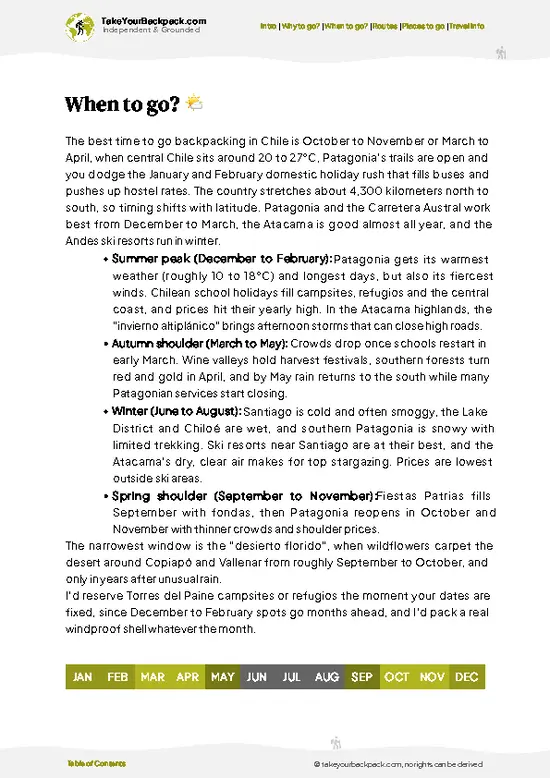
🌤️ When to go?Best time to visit Colchagua Museum


  • Weather: The Colchagua Museum is best visited in Chile’s spring (September to November) or fall (March to May). Summers (December to February) can be hot and dry, pushing temperatures up to 30°C (86°F), which might make wandering the outdoor exhibits less comfortable. Winters (June to August) are cooler and wetter, around 10-15°C (50-59°F), but the rain can dampen the experience.

  • Temperature: Spring and fall offer mild days, typically between 15-25°C (59-77°F), perfect for exploring without overheating or bundling up. This balance keeps you comfortable both inside the museum and in the surrounding vineyards.

  • Daylight Hours: Longer daylight in spring and early fall means more time to soak in the exhibits and stroll the grounds. Expect about 12-14 hours of daylight, unlike the shorter
read more 👉

  • Weather: The Colchagua Museum is best visited in Chile’s spring (September to November) or fall (March to May). Summers (December to February) can be hot and dry, pushing temperatures up to 30°C (86°F), which might make wandering the outdoor exhibits less comfortable. Winters (June to August) are cooler and wetter, around 10-15°C (50-59°F), but the rain can dampen the experience.

  • Temperature: Spring and fall offer mild days, typically between 15-25°C (59-77°F), perfect for exploring without overheating or bundling up. This balance keeps you comfortable both inside the museum and in the surrounding vineyards.

  • Daylight Hours: Longer daylight in spring and early fall means more time to soak in the exhibits and stroll the grounds. Expect about 12-14 hours of daylight, unlike the shorter winter days that cut your exploration time.

  • Crowds: The museum sees a spike in visitors during Chile’s summer holidays (December and January) and national holidays, so expect crowds then. Visiting in shoulder seasons like October or April means fewer tourists and a more intimate experience.

  • Seasonal Activities: Harvest season in March and April adds a unique vibe with local wine events and grape-picking festivals nearby, enhancing your visit beyond the museum walls.

  • Price Fluctuations: Entry fees and local accommodation prices tend to rise during peak summer months and harvest festivals. Booking in shoulder seasons can save you some pesos without sacrificing the experience.


Pro-tip: Aim for late March or early October—cooler temps, manageable crowds, and a chance to catch local wine culture in full swing without the tourist chaos.


source: climatestotravel.comJANJanuary: good for travelingFEBFebruary: good for travelingMARMarch: highly recommended for travelingAPRApril: highly recommended for travelingMAYMay: highly recommended for travelingJUNJune: fair for travelingJULJuly: fair for travelingAUGAugust: fair for travelingSEPSeptember: excellent for travelingOCTOctober: excellent for travelingNOVNovember: excellent for travelingDECDecember: good for traveling
when-to-go

✈️ The backpacker research shortcutChile Travel Guide

An offline-friendly backpacking guide with optimized travel routes, ranked highlights, transport advice, and the best areas to stay.
example page 0 from our offline Travel Guide for Chile
example page 1 from our offline Travel Guide for Chile
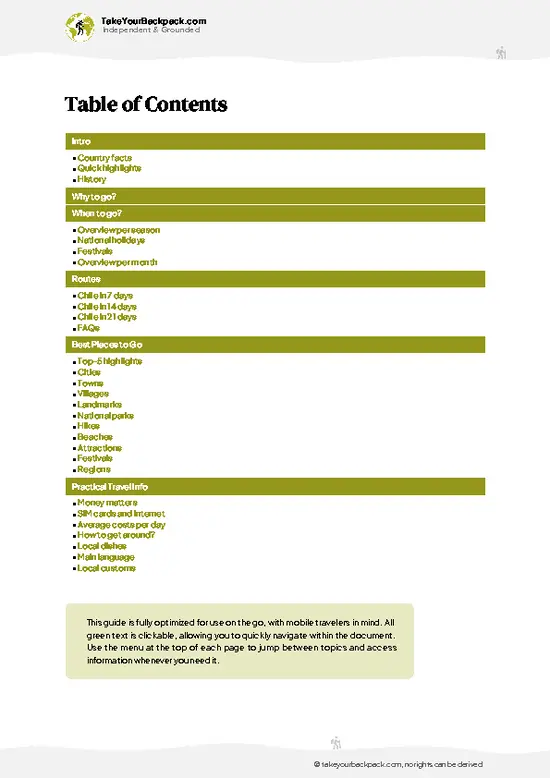
example page 2 from our offline Travel Guide for Chile
example page 3 from our offline Travel Guide for Chile
example page 4 from our offline Travel Guide for Chile
example page 5 from our offline Travel Guide for Chile
example page 6 from our offline Travel Guide for Chile
example page 7 from our offline Travel Guide for Chile
The digital guide (449 pages) contains:
114 highlights, ranked by travel appeal
Optimized 7, 14 & 21-day travel routes
Cities, national parks, landmarks, beaches
How to get around
Offline-friendly for travel without Wi-Fi
👉 Click to see all 30+ guide features

📅 Plan smarter in minutes, not weeks
Month by month travel advice
Festivals & national holidays
Budget expectations

🗺️ Go to the right places, skip the overrated ones
Honest pros & cons of destinations
Top hikes, parks & viewpoints
Lesser-known places most travelers miss
Clear “worth it vs skip it” guidance

🛏️ Travel smoothly without rookie mistakes
Best areas to stay
Transport systems explained simply
Common scams & safety advice
SIM cards, money & practical tips

🌍 Understand the country, not just visit it
Culture & traditions
52 Essential phrases & customs
Festivals worth planning around
Traveler-friendly historical context
Insights that make places more meaningful

📱 Built for real travel conditions
Fully downloadable PDF
Works completely offline
Optimized for phone use
Useful in remote areas & buses
Everything in one place
Save weeks of stressful planning
Get instant access to your full guide. 30‑day money-back guarantee.
+ Add another guide for just €6.50

By proceeding you agree to our terms.
Sent to your inbox immediately after payment • 100% Secure Checkout
Best Backpacking Travel Advisor 2025 tourism awardBest Backpacking
Travel Advisor
2025
What others say about Take Your Backpack Guides:
⭐⭐⭐⭐⭐
Fantastic, amazing amount of information!
⭐⭐⭐⭐⭐
My goodness this is amazing, it's what I've been looking for hats off too you!
⭐⭐⭐⭐⭐
I think this is absolutely BRILLIANT
⭐⭐⭐⭐
Very complete and informative. It's still missing places, but I gotta to commend you
⭐⭐⭐⭐⭐
This is truly amazing, thank you, can't wait to explore it with my kids!
⭐⭐⭐⭐⭐
Awesome resource, thank you!
⭐⭐⭐⭐⭐
This is amazing! Can't wait to explore the ones I haven't seen
⭐⭐⭐⭐
I love this! Well done, great idea.
⭐⭐⭐⭐⭐
Thanks for taking the time to make this gem!
⭐⭐⭐⭐⭐
This might be the best website I've ever seen.
⭐⭐⭐⭐⭐
Congratulations, and thank you so much for your work; it's incredibly valuable.
⭐⭐⭐⭐
In all seriousness I think you did a great job pointing out the important spots
⭐⭐⭐⭐⭐
10/10 very good
⭐⭐⭐⭐⭐
As someone who's only just starting to visit regularly this is awesome, thank you.
⭐⭐⭐⭐
Thank you very much! I'm going to visit my dad, it's going to be very useful!
⭐⭐⭐⭐⭐
This is really cool! We'll be travelling for the first time and this definitely come in handy.
⭐⭐⭐⭐⭐
You are now our minister of culture, congratulations 👨‍💼
⭐⭐⭐⭐⭐
Just wanted to tell you that this is a pearl! Going to follow your recommendations.
⭐⭐⭐⭐⭐
This is so cool. I'll definitely be using the resource for my travels soon.
⭐⭐⭐⭐⭐
This is very impressive! Good work.
⭐⭐⭐⭐⭐
This is an amazing and informative site. Very well done!

🛏️ Where to stay?Where staying makes the most sense

If you’re backpacking near the Colchagua Museum, your best bet is to base yourself in Santa Cruz. It’s the town’s heartbeat—safe, walkable, and packed with fellow travelers who want to swap stories over a cheap pisco sour. Forget the polished tourist traps; Santa Cruz has a laid-back vibe where you can actually connect with locals and other backpackers without feeling like you’re in a curated postcard.

The town’s compact size means you’re never far from the museum or the buzzing central plaza, where budget-friendly eateries and small markets keep things real. Plus, the streets come alive at night … read more 👉
If you’re backpacking near the Colchagua Museum, your best bet is to base yourself in Santa Cruz. It’s the town’s heartbeat—safe, walkable, and packed with fellow travelers who want to swap stories over a cheap pisco sour. Forget the polished tourist traps; Santa Cruz has a laid-back vibe where you can actually connect with locals and other backpackers without feeling like you’re in a curated postcard.

The town’s compact size means you’re never far from the museum or the buzzing central plaza, where budget-friendly eateries and small markets keep things real. Plus, the streets come alive at night with casual bars and open-air gatherings, perfect for solo travelers looking to break the ice. It’s not about luxury here; it’s about authenticity, community, and the kind of easy-going energy that makes your trip memorable beyond the museum walls.

👛 Costs (as of 4 September 2026)Typical daily expenses

As of the most recent estimates, the Colchagua Museum in Chile charges an entrance fee of approximately €10 for general admission, €7 for seniors over 60 years old, and €6 for children aged 5 to 17 and students with valid credentials. The ticket is valid for 24 hours, allowing multiple entries within that period. ([museocolchagua.cl](https://www.museocolchagua.cl/preguntas-frecuentes/?utm_source=openai))

source: museocolchagua.cl
⚠️ Prices can change and everyone travels differently, so take this as a rough guide. Hope it helps you plan your adventure!

FAQCommon questions from travelers

Plan for about 2 to 3 hours to visit Colchagua Museum to fully explore its extensive exhibits covering Chilean history and culture. This duration allows time to appreciate the archaeological artifacts, colonial art, and the detailed displays on local traditions.
Yes, Colchagua Museum is worth the entrance fee, which is approximately 7,000 CLP (around 9 USD). The museum offers a rich cultural experience with well-preserved artifacts and informative exhibits that provide deep insights into the region's heritage.
To get to Colchagua Museum, travel to Santa Cruz, Chile, located about 150 km south of Santiago. From Santiago, you can take a bus from Terminal Alameda to Santa Cruz, which takes around 2.5 to 3 hours; the museum is a short taxi ride from the town center.
⚠️ Things can change over time, so always validate details locally before you go.

Other Chilean attractions near Colchagua Museum

Explore more nearby:


💡 Not sure where to go next?
Create a personalized itinerary for Chile including Colchagua Museum and the places that fit your trip.

Generate my itinerary

👉 Discover all attractions

Or checkout all Chile has to offer (think cities, towns, villages, national parks, hikes, beaches, festivals)
Country photo of Chile

We 💚 feedbackIs it worth it?

The Colchagua Museum isn’t some polished, crowd-free shrine—it gets busy, especially on weekends, and the entrance fee isn’t pocket change for budget travelers. But here’s the kicker: this place is a deep dive into Chile’s soul, with artifacts and stories that hit harder than any glossy tourist spot. If you want to feel the real pulse of Chilean history beyond the surface, this museum delivers in a way few others can.

✈️ When did I visit Chile?
I have visited Chile, together with Argentina, in September 2012.

✍️ Help improve this page!
The information on this page is based on my own backpacking experience in Chile, supplemented with up-to-date research and feedback from other travelers. Travel details can change, so if you notice anything outdated or incomplete, feel free to let me know.


🙋‍♂️ Give feedback

👋 Meet the founderWho’s Behind Take Your Backpack?

Johan, backpacker and founder of TakeYourBackpackHi, I’m Johan (Netherlands 🇳🇱), the creator of TakeYourBackpack. Over the past decade, I’ve backpacked through 80+ countries across six continents, gaining extensive experience with independent travel, long-term trips, and overland routes.

This site is built on a combination of firsthand travel experience and carefully curated insights from other backpackers. Many guides are based on places I’ve personally visited, while others bring together tips, observations, and practical advice shared by trusted travelers I’ve met along the way.

The goal is to provide realistic, experience-driven guidance — not generic itineraries — so you can explore destinations with better context, clearer expectations, and more confidence.

Get full Chile guide •
Instant download • 114 highlights • Full Offline guide