×

Chile🇨🇱 | attractionsMuseum of Contemporary ArtPalacio de Bellas Artes, Latin American shows, video work, Parque Forestal | things to do and best time to go

Explore National Museum of Fine ArtsExplore Central Market of Santiago

Backpacking in Museum of Contemporary Art
👀 For curious travelersattraction ranked #14
By Johan Kruseman 🇳🇱 | Updated October 19, 2026

The Museum of Contemporary Art (MAC) is best known for its Chilean and Latin American contemporary work, but the part travelers overlook is the building itself: the Parque Forestal branch sits in the neoclassical Palacio de Bellas Artes, with a glass-roofed hall that shows why it is worth entering. It stands in Santiago, Chile’s capital, beside the Mapocho River. I picked up the free gallery map at the front desk and followed it floor by floor, which keeps a small collection from feeling random. Skip a long visit, because an hour is enough. Art-minded walkers will like it most; anyone wanting spectacle won’t.

Discover everything you want to know in the 📖 Chile Travel Guide.


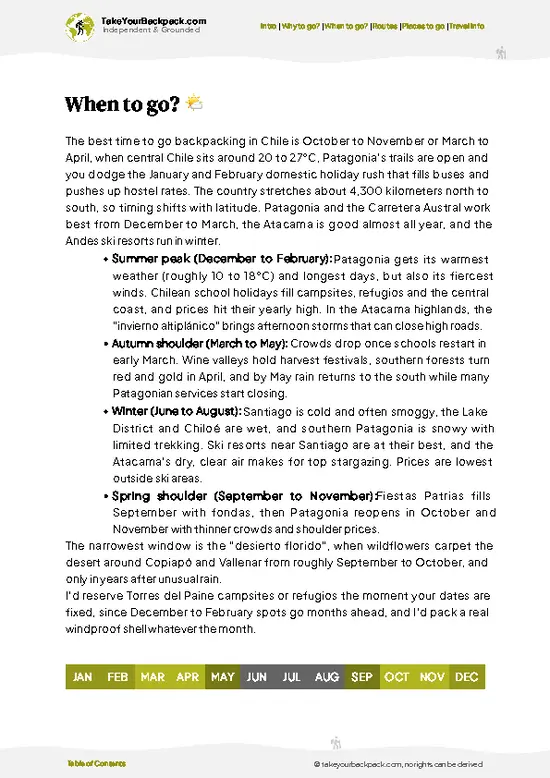
example page 0 from our offline Travel Guide for Chile
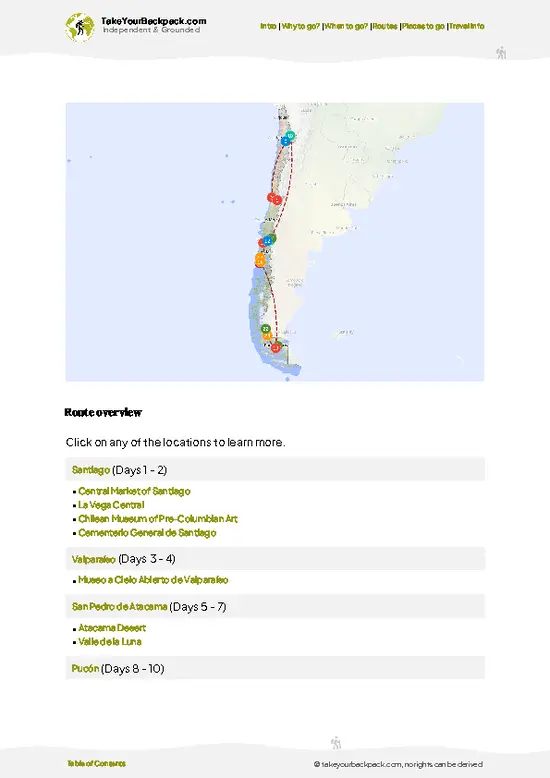
example page 1 from our offline Travel Guide for Chile
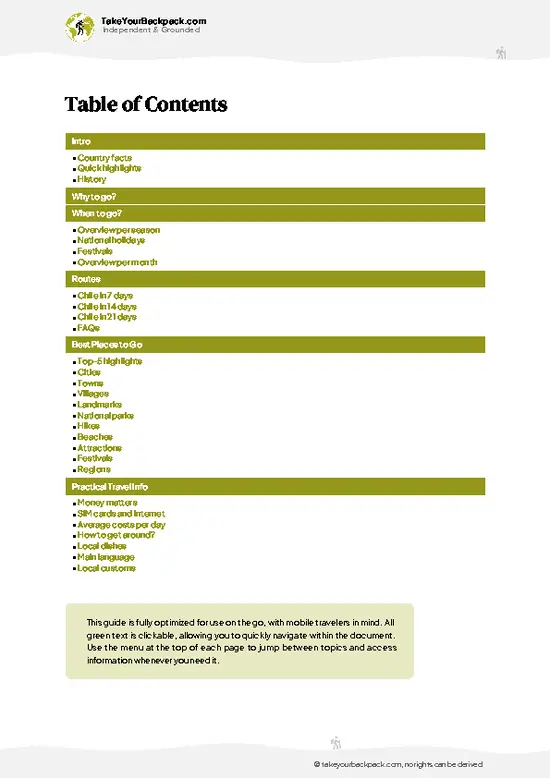
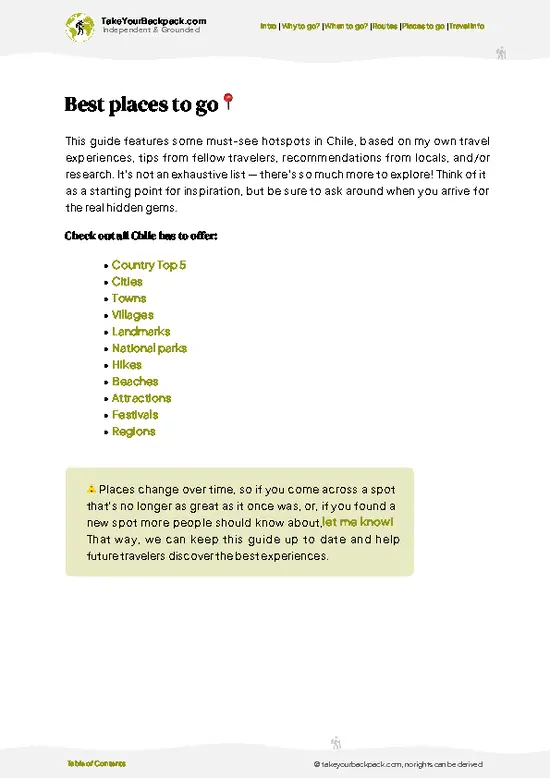
example page 2 from our offline Travel Guide for Chile
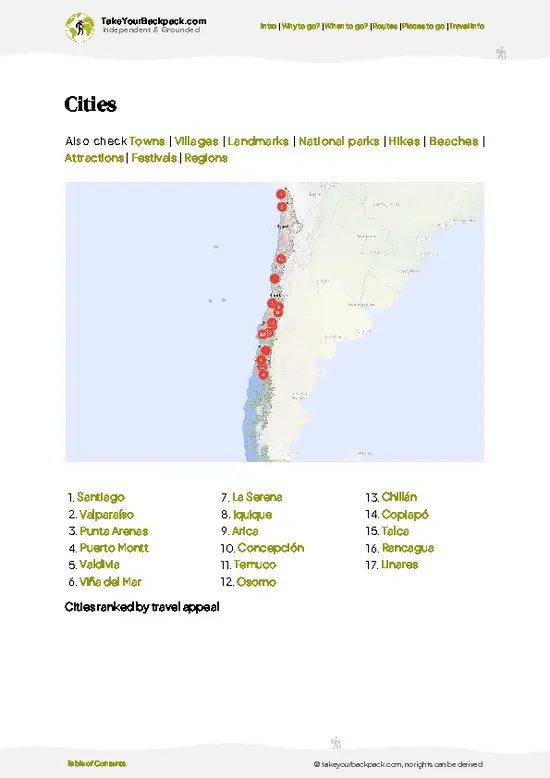
example page 3 from our offline Travel Guide for Chile
example page 4 from our offline Travel Guide for Chile
example page 5 from our offline Travel Guide for Chile
example page 6 from our offline Travel Guide for Chile
example page 7 from our offline Travel Guide for Chile
Loading the map 🌍
CLICK TO FILTER
cities
towns
villages
landmarks
national parks
hikes
beaches
attractions
festivals
regions
SHOW COUNTRY’S BESTSHOW ALL

✨ Why go?
Ranked #14 attraction in Chile
What makes this attraction worth visiting

Museum of Contemporary Art earns a spot on a Santiago route because it puts you inside the Palacio de Bellas Artes, built for the 1910 centenary, in a park that locals actually use. The rotating shows give you a read on how Chilean artists respond to dictatorship, memory and politics, which helps make sense of the murals and street art you will see elsewhere in the city. It is also a calm, cheap way to spend a hot or rainy hour. The location matters too: Parque Forestal links you on foot to Bellavista, Lastarria and the Cerro Santa Lucía, so the museum anchors a good walking day without needing transport.

💡 HighlightsThe experiences that define the visit

  1. Palacio de Bellas Artes building: the main draw, with its early twentieth century facade, marble staircases and a big glass and iron roof over the central hall.
  2. Rotating contemporary exhibitions: the shows change often and favor Chilean and Latin American artists, so each visit differs.
  3. Permanent collection of Chilean art: paintings, sculpture and prints from the university’s holdings show how local art moved from tradition toward experiment.
  4. Photography and video work: the museum regularly shows lens-based art that reflects Chile’s recent political history.
  5. Parque Forestal frontage: the long park outside, shaded by old trees, is the best place to sit after a gallery loop.
  6. Neighboring Museo Nacional de Bellas Artes: it shares the palace and is the easy add-on, with classic Chilean painting to contrast
… read more 👉
  1. Palacio de Bellas Artes building: the main draw, with its early twentieth century facade, marble staircases and a big glass and iron roof over the central hall.
  2. Rotating contemporary exhibitions: the shows change often and favor Chilean and Latin American artists, so each visit differs.
  3. Permanent collection of Chilean art: paintings, sculpture and prints from the university’s holdings show how local art moved from tradition toward experiment.
  4. Photography and video work: the museum regularly shows lens-based art that reflects Chile’s recent political history.
  5. Parque Forestal frontage: the long park outside, shaded by old trees, is the best place to sit after a gallery loop.
  6. Neighboring Museo Nacional de Bellas Artes: it shares the palace and is the easy add-on, with classic Chilean painting to contrast the contemporary rooms.
  7. Gift shop and bookshop: small, but good for artist books and posters you will not find in standard souvenir stalls.
Spotted a mistake or missing something? Contact us.

Things to do around Museum of Contemporary Art

Ratings based on Tripadvisor reviews. When you book through this link, you support our work at no extra cost to you.

🌤️ When to go?Weather, crowds, and seasonal trade-offs

Santiago’s dry summer, December to February, gives the clearest days at the museum, with highs of 29 to 31°C (84 to 88°F) and long evenings.
  • Summer (Dec to Feb): Hot and dry, with the sun setting late. Parque Forestal shade helps. Many locals leave in February, so the city feels quieter.
  • Autumn (Mar to May): Highs of 17 to 26°C (63 to 79°F), mild light, and fewer crowds.
  • Winter (Jun to Aug): Cool at 8 to 15°C (46 to 59°F), with rain and short days. Indoor galleries suit this season.
  • Spring (Sep to Nov): Warming to 15 to 25°C (59 to 77°F), with blooming parks and good weather.
Visit on weekday mornings, since Sundays draw families to the nearby park and the museum can get busy.

source: climatestotravel.comJANJanuary: highly recommended for travelingFEBFebruary: highly recommended for travelingMARMarch: highly recommended for travelingAPRApril: highly recommended for travelingMAYMay: good for travelingJUNJune: fair for travelingJULJuly: fair for travelingAUGAugust: fair for travelingSEPSeptember: good for travelingOCTOctober: excellent for travelingNOVNovember: excellent for travelingDECDecember: highly recommended for traveling
when-to-go

✈️ The backpacker research shortcutChile Travel Guide

An offline-friendly backpacking guide with optimized travel routes, ranked highlights, transport advice, and the best areas to stay.
example page 0 from our offline Travel Guide for Chile
example page 1 from our offline Travel Guide for Chile
example page 2 from our offline Travel Guide for Chile
example page 3 from our offline Travel Guide for Chile
example page 4 from our offline Travel Guide for Chile
example page 5 from our offline Travel Guide for Chile
example page 6 from our offline Travel Guide for Chile
example page 7 from our offline Travel Guide for Chile
The digital guide (333 pages) contains:
✅ 107 highlights, ranked by travel appeal
✅ Optimized 7, 14 & 21-day travel routes
✅ Cities, national parks, landmarks, beaches
✅ How to get around
✅ Offline-friendly for travel without Wi-Fi
👉 Click to see all 30+ guide features

📅 Plan smarter in minutes, not weeks
✅ Month by month travel advice
✅ Festivals & national holidays
✅ Budget expectations

🗺️ Go to the right places, skip the overrated ones
✅ Honest pros & cons of destinations
✅ Top hikes, parks & viewpoints
✅ Lesser-known places most travelers miss
✅ Clear “worth it vs skip it” guidance

🛏️ Travel smoothly without rookie mistakes
✅ Best areas to stay
✅ Transport systems explained simply
✅ Common scams & safety advice
✅ SIM cards, money & practical tips

🌍 Understand the country, not just visit it
✅ Culture & traditions
✅ 52 Essential phrases & customs
✅ Festivals worth planning around
✅ Traveler-friendly historical context
✅ Insights that make places more meaningful

📱 Built for real travel conditions
✅ Fully downloadable PDF
✅ Works completely offline
✅ Optimized for phone use
✅ Useful in remote areas & buses
✅ Everything in one place
Stop searching, start planning
Get instant access to your full guide. 30‑day money-back guarantee.
+ Add another guide for just

By proceeding you agree to our terms.
Sent to your inbox immediately after payment • 100% Secure Checkout
Best Backpacking Travel Advisor 2025 tourism awardBest Backpacking
Travel Advisor
2025
What others say about Take Your Backpack Guides:
⭐⭐⭐⭐⭐
Fantastic, amazing amount of information!
⭐⭐⭐⭐⭐
My goodness this is amazing, it's what I've been looking for hats off too you!
⭐⭐⭐⭐⭐
I think this is absolutely BRILLIANT
⭐⭐⭐⭐
Very complete and informative. It's still missing places, but I gotta to commend you
⭐⭐⭐⭐⭐
This is truly amazing, thank you, can't wait to explore it with my kids!
⭐⭐⭐⭐⭐
Awesome resource, thank you!
⭐⭐⭐⭐⭐
This is amazing! Can't wait to explore the ones I haven't seen
⭐⭐⭐⭐
I love this! Well done, great idea.
⭐⭐⭐⭐⭐
Thanks for taking the time to make this gem!
⭐⭐⭐⭐⭐
This might be the best website I've ever seen.
⭐⭐⭐⭐⭐
Congratulations, and thank you so much for your work; it's incredibly valuable.
⭐⭐⭐⭐
In all seriousness I think you did a great job pointing out the important spots
⭐⭐⭐⭐⭐
10/10 very good
⭐⭐⭐⭐⭐
As someone who's only just starting to visit regularly this is awesome, thank you.
⭐⭐⭐⭐
Thank you very much! I'm going to visit my dad, it's going to be very useful!
⭐⭐⭐⭐⭐
This is really cool! We'll be travelling for the first time and this definitely come in handy.
⭐⭐⭐⭐⭐
You are now our minister of culture, congratulations 👨‍💼
⭐⭐⭐⭐⭐
Just wanted to tell you that this is a pearl! Going to follow your recommendations.
⭐⭐⭐⭐⭐
This is so cool. I'll definitely be using the resource for my travels soon.
⭐⭐⭐⭐⭐
This is very impressive! Good work.
⭐⭐⭐⭐⭐
This is an amazing and informative site. Very well done!

🛏️ Where to stay?Choosing the right base

Barrio Lastarria is the best base, a five-minute walk from the museum, which sits on the edge of Parque Forestal. Streets here are lined with cafes, bars, and small cinemas, and the area has the densest cluster of hostels in Santiago, so solo travelers meet people easily. Evenings are lively and well lit, and police patrol regularly, though bag snatching still happens around crowded squares.

Barrio Bellas Artes, right next door, is calmer and equally walkable, with a few guesthouses and the Metro Bellas Artes station close by. Barrio Brasil and Yungay, a 15 to 20 minute ride away, are cheaper … read more 👉
Barrio Lastarria is the best base, a five-minute walk from the museum, which sits on the edge of Parque Forestal. Streets here are lined with cafes, bars, and small cinemas, and the area has the densest cluster of hostels in Santiago, so solo travelers meet people easily. Evenings are lively and well lit, and police patrol regularly, though bag snatching still happens around crowded squares.

Barrio Bellas Artes, right next door, is calmer and equally walkable, with a few guesthouses and the Metro Bellas Artes station close by. Barrio Brasil and Yungay, a 15 to 20 minute ride away, are cheaper and more local, with street art and big nightlife, but take taxis or rideshares after dark. Avoid sleeping near Plaza de Armas late at night if you are alone.

👛 Costs (as of 19 October 2026)Typical daily expenses

Expect to spend about US$48 a day around the Museum of Contemporary Art, with entry itself costing little.
CategoryBudget RangeLocal Reality
Museum entryUS$0 to 5Free on Sundays, and for some groups such as children. Regular tickets are inexpensive.
Accommodation (high season)US$14 to 25Dorm beds in Lastarria or Bellas Artes. Winter is a bit cheaper.
FoodUS$9 to 16Set lunch menus cost US$6 to 9, with cafes and empanadas as cheaper options.
Local transportUS$1 to 4Metro fares run about US$0.90 to 1.20 per ride with a Bip! card.
ExtrasUS$3 to 6Coffee, a guided tour, or a nearby gallery visit.
Total Daily BudgetUS$48Based on a mid-range backpacker day with one museum visit.


source: chile.travel
⚠️ Prices can change and everyone travels differently, so take this as a rough guide. Hope it helps you plan your adventure!

FAQFrequently asked questions about Museum of Contemporary Art

Plan on 1 to 2 hours for the Museum of Contemporary Art, which is enough for the main exhibition halls. Add another hour if you want to stroll through Parque Forestal, and combine it with the nearby Museo Nacional de Bellas Artes for a half-day culture loop.
Yes, the Museum of Contemporary Art is worth the small entry fee, usually under US$5, and it is free on Sundays. It showcases rotating Chilean and Latin American work in a landmark building in Parque Forestal, and the setting makes it an easy stop in a day of sightseeing.
Take Metro Line 5 to Bellas Artes station, then walk about 5 minutes to the Museum of Contemporary Art in Parque Forestal. From Plaza de Armas it is a 15 minute walk, and from Santiago airport a taxi or rideshare costs about US$20 to 30 and takes 30 to 45 minutes.
⚠️ Things can change over time, so always validate details locally before you go.

Other Chilean attractions near Museum of Contemporary Art

Explore more nearby:


💡 Not sure where to go next?
Create a personalized itinerary for Chile including Museum of Contemporary Art and the places that fit your trip.

Generate my itinerary

👉 Discover all attractions

Or checkout all Chile has to offer (think cities, towns, villages, national parks, hikes, beaches, festivals)
Country photo of Chile

We 💚 feedbackKey takeaways before you go

Museum of Contemporary Art works best as a short cultural stop in a Santiago walking loop. I would pair it with the Museo Nacional de Bellas Artes next door, then continue to Lastarria for lunch and Cerro Santa Lucía. Skip it if you only have a day for big sights.

✈️ When did I visit Chile?
I have visited Chile, together with Argentina, in September 2012.

✍️ Help improve this page!
The information on this page is based on my own backpacking experience in Chile, supplemented with up-to-date research and feedback from other travelers. Travel details can change, so if you notice anything outdated or incomplete, feel free to let me know.


🙋‍♂️ Give feedback

👋 Meet the founderWho’s Behind Take Your Backpack?

Johan, backpacker and founder of TakeYourBackpackHi, I’m Johan (Netherlands 🇳🇱), the creator of TakeYourBackpack. Over the past 3 decades, I’ve backpacked through 90+ countries across six continents, gaining extensive experience with independent travel, long-term trips, and overland routes.

This site is built on a combination of firsthand travel experience and carefully curated insights from other backpackers. Many guides are based on places I’ve personally visited, while others bring together tips, observations, and practical advice shared by trusted travelers I’ve met along the way.

The goal is to provide realistic, experience-driven guidance — not generic itineraries — so you can explore destinations with better context, clearer expectations, and more confidence.