

The Andean Mummies
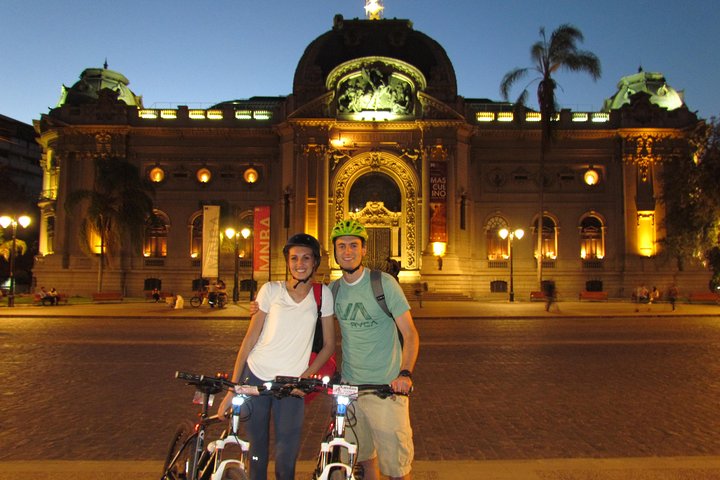
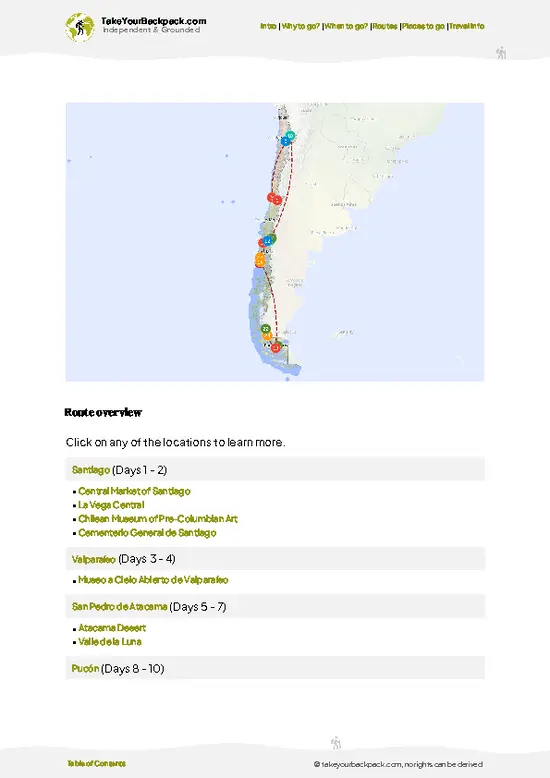
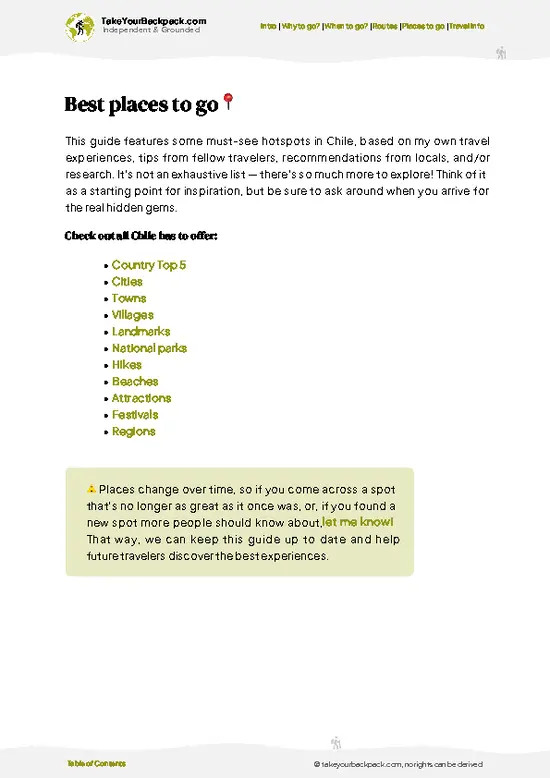
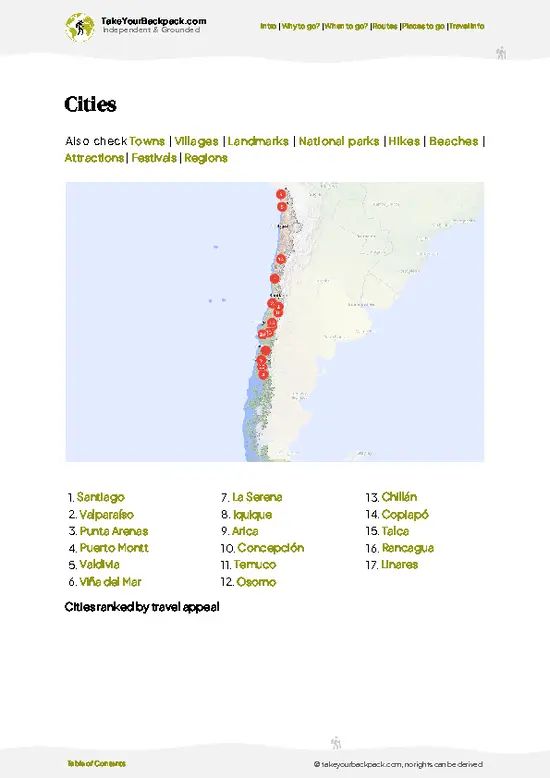
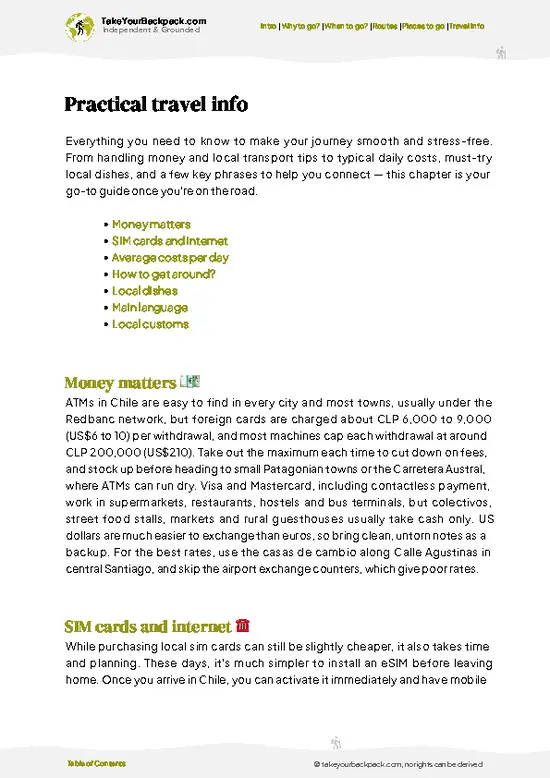
Let’s rip off the Instagram filter: these aren’t the blockbuster Egyptian mummies you’ve seen a thousand times. The Chilean Museum of Pre-Columbian Art houses some of the oldest mummies on earth—yes, older than Tutankhamun by two millennia. The Chinchorro mummies are raw, direct, and deeply human. You’re not peering at royalty; you’re face-to-face with ancient fishermen and their children, preserved by a culture that believed everyone deserved dignity in death. It’s a gut-punch reminder that history isn’t just kings and conquerors—it’s families, loss, and love, staring right back at you.
The Mapuche Silverwork
Forget mass-produced souvenirs. The Mapuche jewelry collection is a crash course in power, resistance, and style. These aren’t delicate trinkets—they’re bold, heavy, … read more 👉
Let’s rip off the Instagram filter: these aren’t the blockbuster Egyptian mummies you’ve seen a thousand times. The Chilean Museum of Pre-Columbian Art houses some of the oldest mummies on earth—yes, older than Tutankhamun by two millennia. The Chinchorro mummies are raw, direct, and deeply human. You’re not peering at royalty; you’re face-to-face with ancient fishermen and their children, preserved by a culture that believed everyone deserved dignity in death. It’s a gut-punch reminder that history isn’t just kings and conquerors—it’s families, loss, and love, staring right back at you.
The Mapuche Silverwork
Forget mass-produced souvenirs. The Mapuche jewelry collection is a crash course in power, resistance, and style. These aren’t delicate trinkets—they’re bold, heavy, … read more 👉
The Andean Mummies
Let’s rip off the Instagram filter: these aren’t the blockbuster Egyptian mummies you’ve seen a thousand times. The Chilean Museum of Pre-Columbian Art houses some of the oldest mummies on earth—yes, older than Tutankhamun by two millennia. The Chinchorro mummies are raw, direct, and deeply human. You’re not peering at royalty; you’re face-to-face with ancient fishermen and their children, preserved by a culture that believed everyone deserved dignity in death. It’s a gut-punch reminder that history isn’t just kings and conquerors—it’s families, loss, and love, staring right back at you.
The Mapuche Silverwork
Forget mass-produced souvenirs. The Mapuche jewelry collection is a crash course in power, resistance, and style. These aren’t delicate trinkets—they’re bold, heavy, and unapologetically local. Each piece is a statement, hammered out by hand, worn by Mapuche women as both armor and identity. You’ll see the difference between something made for tourists and something made for survival. If you want to understand Chile’s backbone, start here.
The Textile Gallery
If you think textiles are just “pretty patterns,” you’re missing the point. This gallery is a riot of color and technique, with fabrics that outlasted empires. The Nazca and Paracas textiles are so finely woven, you’ll catch yourself squinting to see the individual threads. These aren’t just decorative—they’re coded messages, status symbols, and sometimes, burial shrouds. The sheer craftsmanship will make you question everything you thought you knew about “primitive” art.
The Ceramics of the Americas
Here’s where the museum quietly flexes its global muscle. The ceramics collection spans from Mexico to Patagonia, and it’s not just pots and bowls. You’ll find stirrup-spout vessels shaped like animals, mythic figures, and even erotic scenes that would make your prudish aunt blush. These pieces are playful, subversive, and sometimes downright weird. They’re proof that ancient artists had a sense of humor—and a sense of the absurd.
The Tiwanaku Monolith
This isn’t some dusty relic tucked in a corner. The Tiwanaku monolith is a hulking, enigmatic stone figure that dominates the room. It’s a direct line to the high-altitude civilizations of Bolivia, carved with symbols that still baffle archaeologists. Stand in front of it and you’ll feel the weight of centuries—and the mystery of a culture that left more questions than answers. This is my personal favorite: it’s the kind of artifact that makes you feel small, curious, and alive, all at once.
The Interactive Children’s Room
Don’t roll your eyes—this isn’t just for kids. The hands-on exhibits let you touch replicas, try ancient weaving techniques, and play with musical instruments. It’s a rare museum moment where you’re encouraged to get tactile, not just tiptoe around glass cases. If you’re traveling with family, it’s a sanity-saver. If you’re solo, it’s a chance to drop your guard and actually play.
Let’s rip off the Instagram filter: these aren’t the blockbuster Egyptian mummies you’ve seen a thousand times. The Chilean Museum of Pre-Columbian Art houses some of the oldest mummies on earth—yes, older than Tutankhamun by two millennia. The Chinchorro mummies are raw, direct, and deeply human. You’re not peering at royalty; you’re face-to-face with ancient fishermen and their children, preserved by a culture that believed everyone deserved dignity in death. It’s a gut-punch reminder that history isn’t just kings and conquerors—it’s families, loss, and love, staring right back at you.
The Mapuche Silverwork
Forget mass-produced souvenirs. The Mapuche jewelry collection is a crash course in power, resistance, and style. These aren’t delicate trinkets—they’re bold, heavy, and unapologetically local. Each piece is a statement, hammered out by hand, worn by Mapuche women as both armor and identity. You’ll see the difference between something made for tourists and something made for survival. If you want to understand Chile’s backbone, start here.
The Textile Gallery
If you think textiles are just “pretty patterns,” you’re missing the point. This gallery is a riot of color and technique, with fabrics that outlasted empires. The Nazca and Paracas textiles are so finely woven, you’ll catch yourself squinting to see the individual threads. These aren’t just decorative—they’re coded messages, status symbols, and sometimes, burial shrouds. The sheer craftsmanship will make you question everything you thought you knew about “primitive” art.
The Ceramics of the Americas
Here’s where the museum quietly flexes its global muscle. The ceramics collection spans from Mexico to Patagonia, and it’s not just pots and bowls. You’ll find stirrup-spout vessels shaped like animals, mythic figures, and even erotic scenes that would make your prudish aunt blush. These pieces are playful, subversive, and sometimes downright weird. They’re proof that ancient artists had a sense of humor—and a sense of the absurd.
The Tiwanaku Monolith
This isn’t some dusty relic tucked in a corner. The Tiwanaku monolith is a hulking, enigmatic stone figure that dominates the room. It’s a direct line to the high-altitude civilizations of Bolivia, carved with symbols that still baffle archaeologists. Stand in front of it and you’ll feel the weight of centuries—and the mystery of a culture that left more questions than answers. This is my personal favorite: it’s the kind of artifact that makes you feel small, curious, and alive, all at once.
The Interactive Children’s Room
Don’t roll your eyes—this isn’t just for kids. The hands-on exhibits let you touch replicas, try ancient weaving techniques, and play with musical instruments. It’s a rare museum moment where you’re encouraged to get tactile, not just tiptoe around glass cases. If you’re traveling with family, it’s a sanity-saver. If you’re solo, it’s a chance to drop your guard and actually play.
Spotted a mistake or missing something? Contact us.
v2.webp)


Best Backpacking
Hi, I’m Johan (Netherlands 🇳🇱), the creator of TakeYourBackpack. Over the past decade, I’ve backpacked through 80+ countries across six continents, gaining extensive experience with independent travel, long-term trips, and overland routes.