×

Chile🇨🇱 | villagesPuyuhuapiCarpet looms, fjord shoreline, Carretera Austral base, settler houses | things to do and best time to go

Explore Punta de ChorosExplore Museum of Memory and Human Rights

Backpacking in Puyuhuapi
🏆 Top pickvillage ranked #1
By Johan Kruseman 🇳🇱 | Updated October 19, 2026

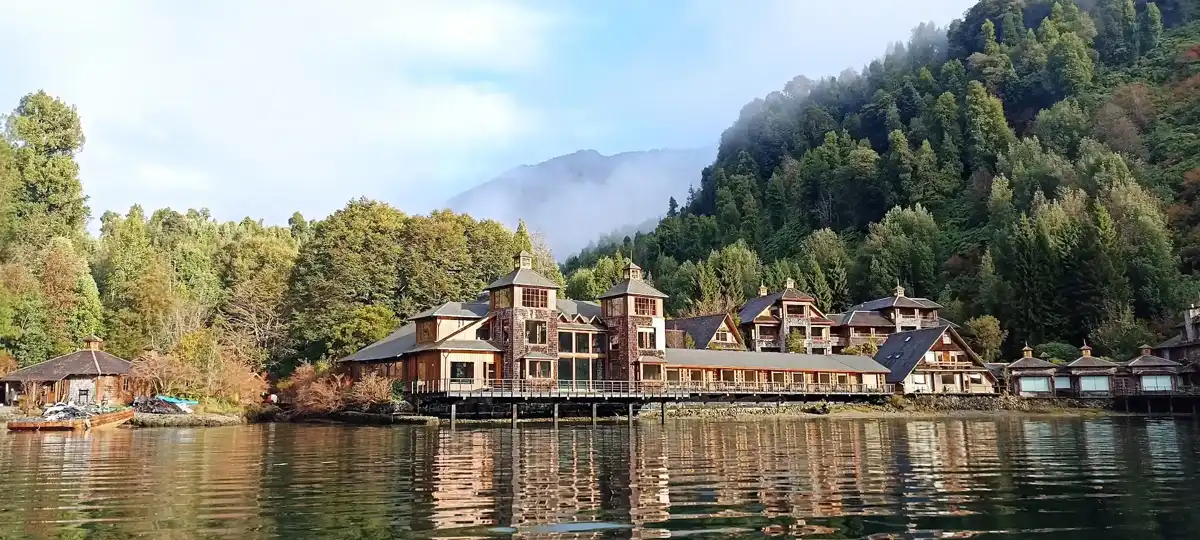
Puyuhuapi works as the best base on the northern Carretera Austral because Queulat National Park, a fjord-side hot spring and a working carpet workshop all sit within a short drive of one small grid of streets. The village is in the Aysén region in the south of Chile, at the head of a narrow fjord, roughly between Chaitén and Coyhaique. The trade-off is scale: a few guesthouses, a handful of simple restaurants, no nightlife, and a single road that every bus shares. That also explains the atmosphere. Evenings are early, meals are communal in many hostels, and you meet other travelers because everyone is on the same southbound or northbound timetable. I arrived on a Coyhaique bus that stopped at a roadwork flagman, and the driver used the wait to hand a parcel to a farmer who walked out of the trees to meet him. The first thing I noticed on foot was the smell of woodsmoke and the wooden shingle walls along the waterfront.

Discover everything you want to know in the 📖 Chile Travel Guide.


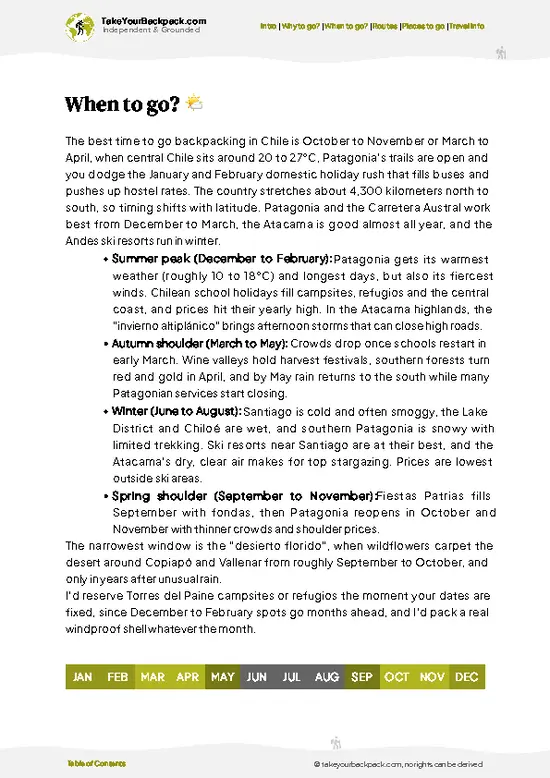
example page 0 from our offline Travel Guide for Chile
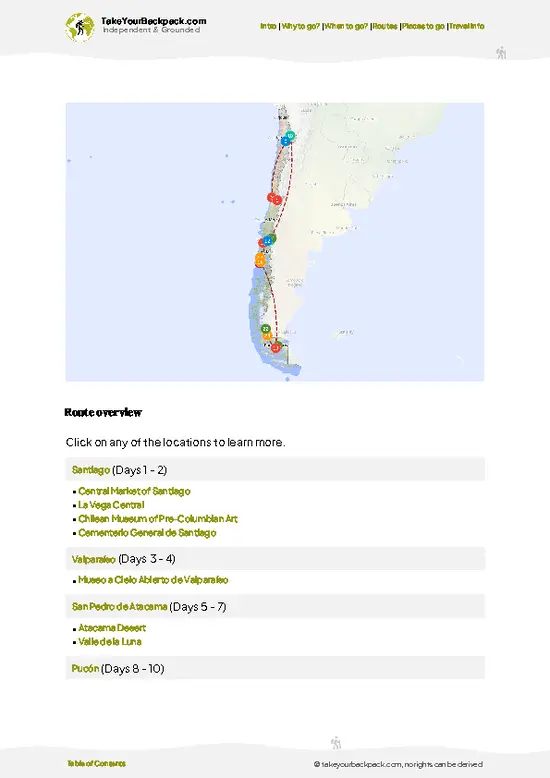
example page 1 from our offline Travel Guide for Chile
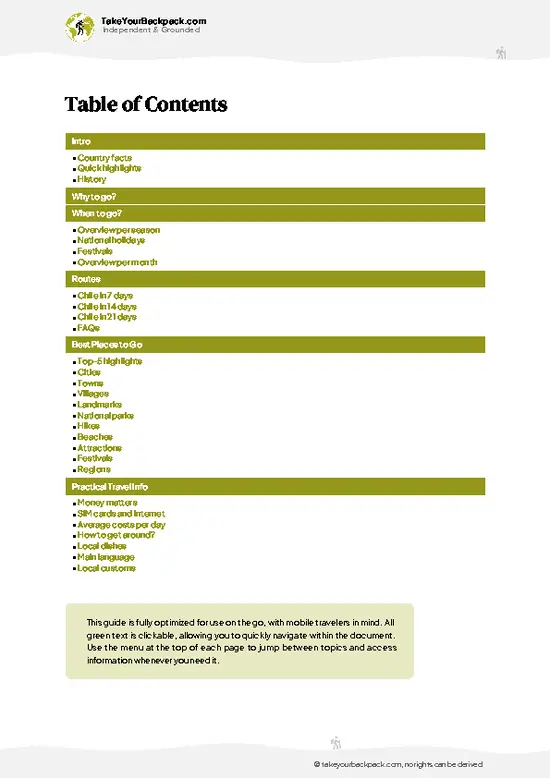
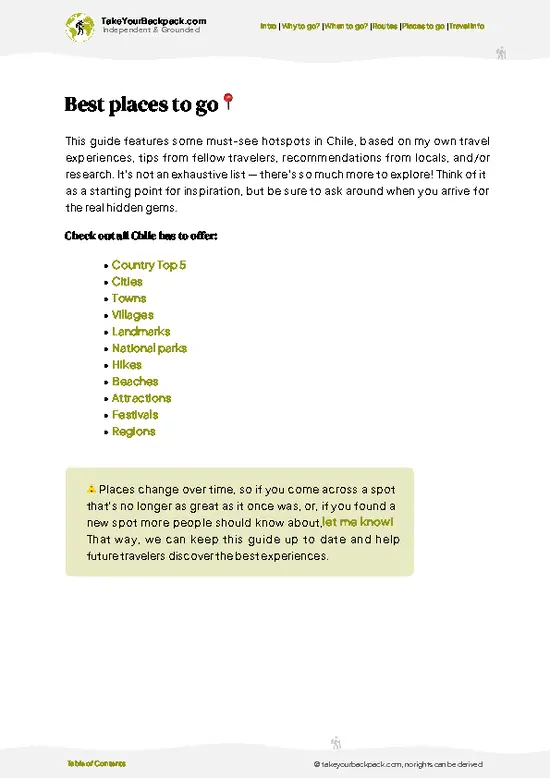
example page 2 from our offline Travel Guide for Chile
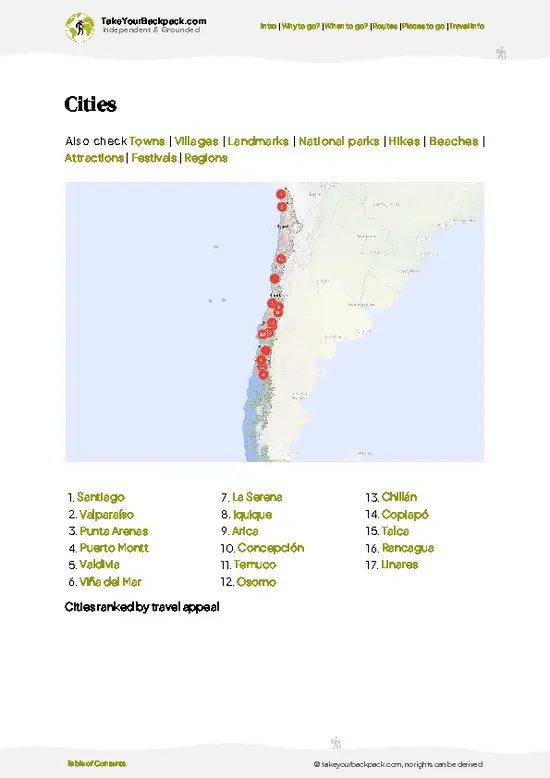
example page 3 from our offline Travel Guide for Chile
example page 4 from our offline Travel Guide for Chile
example page 5 from our offline Travel Guide for Chile
example page 6 from our offline Travel Guide for Chile
example page 7 from our offline Travel Guide for Chile
Loading the map 🌍
CLICK TO FILTER
cities
towns
villages
landmarks
national parks
hikes
beaches
attractions
festivals
regions
SHOW COUNTRY’S BESTSHOW ALL

✨ Why go?
Ranked #1 village in Chile
What sets this place apart

Puyuhuapi earns a stop because it pairs real outdoor access with a settled, unhurried rhythm that most Carretera Austral villages lack. The headline reason is proximity to the hanging glacier trails of Queulat, which you can reach on a day trip and still return to a hot meal and a proper bed. The second is the village itself, founded by German settlers, where the Alfombras Puyuhuapi workshop still weaves carpets by hand and gives the place a trade and a story beyond the road. Most backpackers stay two or three nights, longer if the Termas de Puyuhuapi boat crossing and a kayak day on the fjord tempt them. It suits hikers, couples and slow travelers who want a pause between long gravel days. It does not suit anyone after bars, big groups or fast sightseeing. Solo travelers will find it easy … read more 👉
Puyuhuapi earns a stop because it pairs real outdoor access with a settled, unhurried rhythm that most Carretera Austral villages lack. The headline reason is proximity to the hanging glacier trails of Queulat, which you can reach on a day trip and still return to a hot meal and a proper bed. The second is the village itself, founded by German settlers, where the Alfombras Puyuhuapi workshop still weaves carpets by hand and gives the place a trade and a story beyond the road. Most backpackers stay two or three nights, longer if the Termas de Puyuhuapi boat crossing and a kayak day on the fjord tempt them. It suits hikers, couples and slow travelers who want a pause between long gravel days. It does not suit anyone after bars, big groups or fast sightseeing. Solo travelers will find it easy to meet people, mainly in hostel kitchens and over dinner. Plan it as a recovery stop with a few good days attached, not a one-night transit.

💡 HighlightsDon't-miss highlights and experiences

  1. Alfombras Puyuhuapi: The carpet workshop is the village’s best-known sight, set up by the founding German families, and it still produces hand-knotted wool carpets on large looms. A guided visit shows dyeing, knotting and finishing, and you can see weavers at work. Expect to pay around US$5 to 8 for a tour of about 45 minutes. Go on a weekday morning when the looms are running, and check opening times at the door since they shift seasonally.
  2. Casa Ludwig: This historic wooden house on the village grid recalls the settler families who arrived in the 1930s and now serves as a guesthouse with a cafe. Looking from the street is free, and a tea or coffee with cake costs roughly US$4 to 8. Late afternoon suits it best, when you can sit for an hour and read the local atmosphere. Allow 45 to 60 minutes.
… read more 👉
  1. Alfombras Puyuhuapi: The carpet workshop is the village’s best-known sight, set up by the founding German families, and it still produces hand-knotted wool carpets on large looms. A guided visit shows dyeing, knotting and finishing, and you can see weavers at work. Expect to pay around US$5 to 8 for a tour of about 45 minutes. Go on a weekday morning when the looms are running, and check opening times at the door since they shift seasonally.
  2. Casa Ludwig: This historic wooden house on the village grid recalls the settler families who arrived in the 1930s and now serves as a guesthouse with a cafe. Looking from the street is free, and a tea or coffee with cake costs roughly US$4 to 8. Late afternoon suits it best, when you can sit for an hour and read the local atmosphere. Allow 45 to 60 minutes.
  3. Costanera and the fjord shore: The waterfront path runs along the head of the Puyuhuapi fjord, with steep forested walls across the water and a small pier where locals fish and boats leave for the hot springs. It is free and takes 30 to 60 minutes at a slow walk. Early morning or the long summer evening gives calm water and the best chance of seeing sea birds. If you want to get out on the water, local operators run kayak outings from the shore for roughly US$30 to 60 for two to three hours.
Day trips from the village include the hanging glacier and Laguna Tempanos trails in Queulat National Park, the fjord-side hot springs of Termas de Puyuhuapi, and the wooded pools at Termas El Sauce. Combine the carpet workshop with the costanera in one morning and afternoon, since both are a few minutes apart on foot and leave the evening free for Casa Ludwig.
Spotted a mistake or missing something? Contact us.
🌤️ When to go?When to go for the best experience

Puyuhuapi is at its most reliable from December to February, when daytime highs sit around 15 to 20°C (59 to 68°F) and the fjord ferries and Queulat trails run without fuss.
  • Summer (December to February): Long days of roughly 15 to 16 hours of light, lows of 8 to 10°C (46 to 50°F), and the only season when every lodge, tour and hot spring is open. Rain still falls, so pack a shell. Rooms in January fill weeks ahead and cost the most.
  • Autumn (March to May): Highs of 10 to 15°C (50 to 59°F), fewer visitors, and beech forest turning red and gold. Rain increases by May and some businesses start closing.
  • Winter (June to August): Highs of 4 to 8°C (39 to 46°F), nights near freezing, and about 8 to 9 hours of daylight. Many lodges shut, buses thin out, and hanging glacier trails can ice over. Prices
… read more 👉
Puyuhuapi is at its most reliable from December to February, when daytime highs sit around 15 to 20°C (59 to 68°F) and the fjord ferries and Queulat trails run without fuss.
  • Summer (December to February): Long days of roughly 15 to 16 hours of light, lows of 8 to 10°C (46 to 50°F), and the only season when every lodge, tour and hot spring is open. Rain still falls, so pack a shell. Rooms in January fill weeks ahead and cost the most.
  • Autumn (March to May): Highs of 10 to 15°C (50 to 59°F), fewer visitors, and beech forest turning red and gold. Rain increases by May and some businesses start closing.
  • Winter (June to August): Highs of 4 to 8°C (39 to 46°F), nights near freezing, and about 8 to 9 hours of daylight. Many lodges shut, buses thin out, and hanging glacier trails can ice over. Prices drop, but options shrink.
  • Spring (September to November): Highs of 9 to 14°C (48 to 57°F), blooming shrubs, and rising daylight. Wind and showers are common, and services reopen gradually from October.
Book January beds and Carretera Austral transport early, or come in February for the same weather with a little more elbow room.


source: climatestotravel.comJANJanuary: excellent for travelingFEBFebruary: excellent for travelingMARMarch: highly recommended for travelingAPRApril: good for travelingMAYMay: fair for travelingJUNJune: below average for travelingJULJuly: below average for travelingAUGAugust: below average for travelingSEPSeptember: fair for travelingOCTOctober: good for travelingNOVNovember: highly recommended for travelingDECDecember: excellent for traveling
chile-city-puyuhuapi
© Google | Carlos Barria

✈️ The backpacker research shortcutChile Travel Guide

An offline-friendly backpacking guide with optimized travel routes, ranked highlights, transport advice, and the best areas to stay.
example page 0 from our offline Travel Guide for Chile
example page 1 from our offline Travel Guide for Chile
example page 2 from our offline Travel Guide for Chile
example page 3 from our offline Travel Guide for Chile
example page 4 from our offline Travel Guide for Chile
example page 5 from our offline Travel Guide for Chile
example page 6 from our offline Travel Guide for Chile
example page 7 from our offline Travel Guide for Chile
The digital guide (333 pages) contains:
✅ 107 highlights, ranked by travel appeal
✅ Optimized 7, 14 & 21-day travel routes
✅ Cities, national parks, landmarks, beaches
✅ How to get around
✅ Offline-friendly for travel without Wi-Fi
👉 Click to see all 30+ guide features

📅 Plan smarter in minutes, not weeks
✅ Month by month travel advice
✅ Festivals & national holidays
✅ Budget expectations

🗺️ Go to the right places, skip the overrated ones
✅ Honest pros & cons of destinations
✅ Top hikes, parks & viewpoints
✅ Lesser-known places most travelers miss
✅ Clear “worth it vs skip it” guidance

🛏️ Travel smoothly without rookie mistakes
✅ Best areas to stay
✅ Transport systems explained simply
✅ Common scams & safety advice
✅ SIM cards, money & practical tips

🌍 Understand the country, not just visit it
✅ Culture & traditions
✅ 52 Essential phrases & customs
✅ Festivals worth planning around
✅ Traveler-friendly historical context
✅ Insights that make places more meaningful

📱 Built for real travel conditions
✅ Fully downloadable PDF
✅ Works completely offline
✅ Optimized for phone use
✅ Useful in remote areas & buses
✅ Everything in one place
Stop searching, start planning
Get instant access to your full guide. 30‑day money-back guarantee.
+ Add another guide for just

By proceeding you agree to our terms.
Sent to your inbox immediately after payment • 100% Secure Checkout
Best Backpacking Travel Advisor 2025 tourism awardBest Backpacking
Travel Advisor
2025
What others say about Take Your Backpack Guides:
⭐⭐⭐⭐⭐
Fantastic, amazing amount of information!
⭐⭐⭐⭐⭐
My goodness this is amazing, it's what I've been looking for hats off too you!
⭐⭐⭐⭐⭐
I think this is absolutely BRILLIANT
⭐⭐⭐⭐
Very complete and informative. It's still missing places, but I gotta to commend you
⭐⭐⭐⭐⭐
This is truly amazing, thank you, can't wait to explore it with my kids!
⭐⭐⭐⭐⭐
Awesome resource, thank you!
⭐⭐⭐⭐⭐
This is amazing! Can't wait to explore the ones I haven't seen
⭐⭐⭐⭐
I love this! Well done, great idea.
⭐⭐⭐⭐⭐
Thanks for taking the time to make this gem!
⭐⭐⭐⭐⭐
This might be the best website I've ever seen.
⭐⭐⭐⭐⭐
Congratulations, and thank you so much for your work; it's incredibly valuable.
⭐⭐⭐⭐
In all seriousness I think you did a great job pointing out the important spots
⭐⭐⭐⭐⭐
10/10 very good
⭐⭐⭐⭐⭐
As someone who's only just starting to visit regularly this is awesome, thank you.
⭐⭐⭐⭐
Thank you very much! I'm going to visit my dad, it's going to be very useful!
⭐⭐⭐⭐⭐
This is really cool! We'll be travelling for the first time and this definitely come in handy.
⭐⭐⭐⭐⭐
You are now our minister of culture, congratulations 👨‍💼
⭐⭐⭐⭐⭐
Just wanted to tell you that this is a pearl! Going to follow your recommendations.
⭐⭐⭐⭐⭐
This is so cool. I'll definitely be using the resource for my travels soon.
⭐⭐⭐⭐⭐
This is very impressive! Good work.
⭐⭐⭐⭐⭐
This is an amazing and informative site. Very well done!

🛏️ Where to stay?Best areas and accommodation options

Puyuhuapi has a small handful of hostels, family-run guesthouses and cabañas, and a dorm bed or basic room typically costs US$15 to 35 a night in summer.
Most budget options are residenciales and hospedajes along the main road and the waterfront, run by local families, often with breakfast of homemade bread and jam included. Expect shared bathrooms at the cheapest end, a woodstove in the common room, and good hot showers. A private double with its own bath generally runs US$40 to 70. Campers can find simple sites with hot showers for roughly US$8 to 15 per person, which is the cheapest bed in town … read more 👉
Puyuhuapi has a small handful of hostels, family-run guesthouses and cabañas, and a dorm bed or basic room typically costs US$15 to 35 a night in summer.
Most budget options are residenciales and hospedajes along the main road and the waterfront, run by local families, often with breakfast of homemade bread and jam included. Expect shared bathrooms at the cheapest end, a woodstove in the common room, and good hot showers. A private double with its own bath generally runs US$40 to 70. Campers can find simple sites with hot showers for roughly US$8 to 15 per person, which is the cheapest bed in town if you carry your own tent.
Staying close to the waterfront puts you within a five-minute walk of the bus stop, the small shops and the carpet factory that put the village on the map. Walking distance matters here, since there are no taxis to speak of.
Further out, the luxury thermal-bath lodges on the fjord cost far more, often US$200 and up per person with meals and transfers, but a day entry to the baths can be a more affordable splurge. Hot springs on the fjord are reached by boat or road depending on the property.
Book ahead from late December through February, as the village has few beds and Carretera Austral travelers arrive in waves. Bring cash in Chilean pesos, since card machines and the lone ATM are unreliable.

🚌 Day tripsBest day trips from Puyuhuapi

Puyuhuapi works well as a base for day trips, because the Carretera Austral puts several major sights within 30 to 90 minutes, though public transport is thin and hitchhiking or a shared rental car makes the loops easier.Queulat National Park and the Hanging Glacier: The park entrance is about 25 km south, roughly 30 minutes by car or any southbound bus you can flag down. The hike to the Ventisquero Colgante lookout takes about 1 hour each way through moss-draped forest, ending at the main viewpoint facing the glacier. Entry is around US$10 to 15 for foreigners, and total costs with a bus ride stay near US$25. Go December to March for the clearest views. First-timers often start after noon, then rush the return in fading light.
👉 Explore Queulat National ParkHot springs on the fjord: A short … read more 👉
Puyuhuapi works well as a base for day trips, because the Carretera Austral puts several major sights within 30 to 90 minutes, though public transport is thin and hitchhiking or a shared rental car makes the loops easier.Queulat National Park and the Hanging Glacier: The park entrance is about 25 km south, roughly 30 minutes by car or any southbound bus you can flag down. The hike to the Ventisquero Colgante lookout takes about 1 hour each way through moss-draped forest, ending at the main viewpoint facing the glacier. Entry is around US$10 to 15 for foreigners, and total costs with a bus ride stay near US$25. Go December to March for the clearest views. First-timers often start after noon, then rush the return in fading light.
👉 Explore Queulat National ParkHot springs on the fjord: A short drive or hitch along the fjord brings you to the thermal baths on the water, where you can soak in pools with views over the channel. Plan about half a day, with entry typically US$25 to 50 depending on the pool, and book in advance in summer. Late afternoon soaks are the quietest, and you should bring your own towel to save on rental.
Puerto Puyuhuapi to Puerto Cisnes: Heading south to Puerto Cisnes takes roughly 1.5 hours by road along the Rio Cisnes valley, with a coastal town, a small waterfront and seafood lunches. Buses run a few times weekly, so check return times before leaving, as getting stuck overnight is the usual mistake. Budget about US$15 to 30 for transport and a meal. It is best from November to March.
Lago Risopatrón: A lake about 10 km north, set below forest slopes, lies on the Carretera Austral toward La Junta. A walk or short ride gets you to quiet shores for a picnic, and it costs almost nothing. Visit in clear spells from December to March and carry insect repellent.

FAQCommon questions from travelers

Most travelers reach Puyuhuapi by road on the Carretera Austral, either from Coyhaique, about 220 km south and 4 to 5 hours by bus or car, or from Chaitén, about 3 to 4 hours north. Buses run mainly in summer and fares are roughly US$15 to 30, with fewer departures in winter. Others arrive via the Hornopirén to Caleta Gonzalo ferry section, which adds a sailing and an overnight on the route.
Puyuhuapi is worth the trip if you want the Carretera Austral in a small, quiet package, with Queulat National Park's hanging glacier 25 km south and hot springs on the fjord. Two to three nights covers the hike, a thermal soak and a rest day. Costs are higher than the Chilean average, though, and services are limited outside summer.
Puyuhuapi can be done as a long day trip only from Coyhaique if you hire a car, since the drive is 4 to 5 hours each way, which leaves little time for the Queulat hike of about 2 hours return. Most travelers stay at least one night, ideally two. Bus timetables rarely allow a same-day return, and a night costs roughly US$15 to 35 in a hostel.
⚠️ Things can change over time, so always validate details locally before you go.

Other destinations worth considering

Puyuhuapi isn’t the only highlight in Chile. Explore all what Chile has to offer.
Country photo of Chile

We 💚 feedbackParting advice and final tips

Puyuhuapi is best in late summer, February into early March, when evenings stay long, the road is dry and the fjord is calm enough for kayaking. I would book at least two nights and keep one clear day for Queulat. Bring cash, since services are thin, and bring patience for the single bus.

✈️ When did I visit Chile?
I have visited Chile, together with Argentina, in September 2012.

✍️ Help improve this page!
The information on this page is based on my own backpacking experience in Chile, supplemented with up-to-date research and feedback from other travelers. Travel details can change, so if you notice anything outdated or incomplete, feel free to let me know.


🙋‍♂️ Give feedback

👋 Meet the founderWho’s Behind Take Your Backpack?

Johan, backpacker and founder of TakeYourBackpackHi, I’m Johan (Netherlands 🇳🇱), the creator of TakeYourBackpack. Over the past 3 decades, I’ve backpacked through 90+ countries across six continents, gaining extensive experience with independent travel, long-term trips, and overland routes.

This site is built on a combination of firsthand travel experience and carefully curated insights from other backpackers. Many guides are based on places I’ve personally visited, while others bring together tips, observations, and practical advice shared by trusted travelers I’ve met along the way.

The goal is to provide realistic, experience-driven guidance — not generic itineraries — so you can explore destinations with better context, clearer expectations, and more confidence.