How many villages to visit: I advise four to six villages on a two- to three-week trip, because Chile’s distances make each stop cost a half to full day of transit. More than that turns the trip into a series of bus terminals. Fewer than four wastes the variety the country offers, which comes from contrasts between desert, valley, lake and fjord. Pick a maximum of one village per 3 to 4 days of travel, and spend the saved time doing something nearby, such as a hike or a farm visit.
Which kind to prioritize: The kinds differ in cost, ease and what they give you.
Desert and altiplano settlements are best if you want landscape and astronomy, but they depend on tours and cost the most.
Central coast and wine valley towns are best for a first trip, a tight budget or limited Spanish, since buses …
read more 👉 How many villages to visit: I advise four to six villages on a two- to three-week trip, because Chile’s distances make each stop cost a half to full day of transit. More than that turns the trip into a series of bus terminals. Fewer than four wastes the variety the country offers, which comes from contrasts between desert, valley, lake and fjord. Pick a maximum of one village per 3 to 4 days of travel, and spend the saved time doing something nearby, such as a hike or a farm visit.
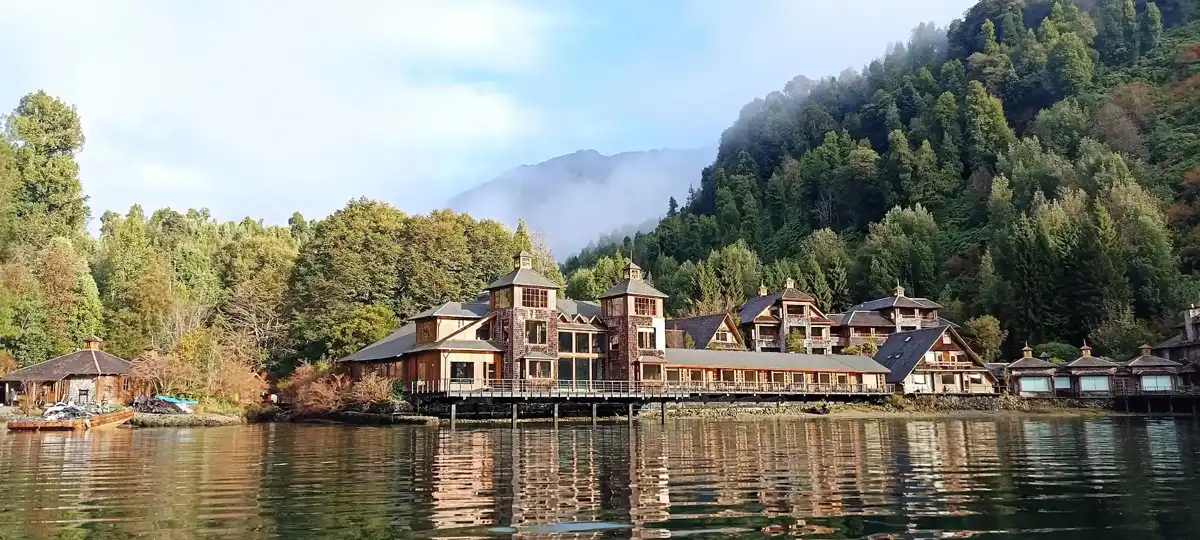
Which kind to prioritize: The kinds differ in cost, ease and what they give you. Desert and altiplano settlements are best if you want landscape and astronomy, but they depend on tours and cost the most. Central coast and wine valley towns are best for a first trip, a tight budget or limited Spanish, since buses are frequent and food is cheap. Lake District and Chiloé suit travelers who like rain, wooden architecture, markets and slow ferries. Patagonian hamlets are for hikers with flexible schedules, since they serve as bases for trails, not as places to wander. Choose by your style, not by fame: social travelers do better in the north and central coast, while solo walkers and quiet seekers do better in the south.
What it costs: Chile is the most expensive country in South America for backpackers, because wages are higher and remote places import their supplies. Budget about US$40 to 60 a day in the central and lake regions (dorm bed CLP 12,000 to 20,000, or US$13 to 22; set lunch CLP 5,000 to 8,000, or US$5 to 9). In the Atacama and Patagonia plan US$60 to 90, since dorm beds run US$20 to 35 and groceries cost more.
Per visit, entry fees to local sites and reserves are typically CLP 3,000 to 25,000 (US$3 to 27), with foreign visitors often charged more than residents. Guided excursions in the north cost US$20 to 60 each, and dawn tours cost the most. Regional buses cost US$3 to 15 per leg, and ferries to island communities are US$1 to 10 for passengers, with vehicles costing far more. Carry cash in pesos, because small guesthouses and rural shops often do not take cards, and ATMs may be sparse or empty.
Safety and local etiquette: Villages are generally much safer than Santiago, and petty theft is the main risk, mostly from unattended bags on buses or beaches. Keep valuables with you on overnight buses rather than in the hold. The larger risks are natural: altitude sickness above 3,000 meters, strong sun at high elevation (use SPF 50), and tsunami zones on the coast, where signs mark evacuation routes. Learn them on arrival. Wildfires are a real hazard in central Chile in summer, so check conditions before driving or hiking.
Cultural habits matter. Greet people with a “buenos días” when entering a shop or guesthouse, since skipping it reads as rude in small places. Many northern and southern communities have Indigenous heritage, including Atacameño and Mapuche, so ask before photographing people or ceremonies and do not touch sacred sites. Water is scarce in the north, so take short showers. Meal times run late, with lunch around 1 to 3 pm and dinner after 8 pm, and many small kitchens close between them. Keep Spanish phrases ready, since English is uncommon outside tourist hubs. Respect posted rules at churches, and cover shoulders during services.
v2.webp)
 Best Backpacking
.jpg) Hi, I’m Johan (Netherlands 🇳🇱), the creator of TakeYourBackpack. Over the past 3 decades, I’ve backpacked through 90+ countries across six continents, gaining extensive experience with independent travel, long-term trips, and overland routes.
Hi, I’m Johan (Netherlands 🇳🇱), the creator of TakeYourBackpack. Over the past 3 decades, I’ve backpacked through 90+ countries across six continents, gaining extensive experience with independent travel, long-term trips, and overland routes.