×

Chile🇨🇱 | citiesRancaguamining heritage, central plazas, agricultural markets | things to do and best time to go

Explore La SerenaExplore Santiago

Backpacking in Rancagua
👀 For curious travelerscity ranked #19
By Johan Kruseman 🇳🇱 | Updated June 9, 2026

Your boots scrape the dusty cobblestones as a colectivo coughs past, leaving a faint smell of exhaust and grilled meat from the corner completo stand; kids chase a ball across Plaza de los Héroes while old men argue over football under the eucalyptus shade. Rancagua sits just south of Santiago, in Chile’s central valley mining and farming belt. For backpackers, it’s cheap, safe-feeling, and very local: a place of rodeo culture, low-key plazas, and miners’ bars, not a hostel-party circuit. You won’t meet many other travelers, and nightlife is modest compared with Santiago or Valparaíso, but that’s the trade: fewer “wow” sights, more everyday Chile. I like dropping in for a day to walk the historic center and eat hearty menú del día, then moving on once I’ve had my fill of small-city routine.

Discover everything you want to know in the 📖 Chile Travel Guide.


Get your Chile guide
119 ranked highlights, routes & tips, works offline (471 pages)
Loading the map 🌍
CLICK TO FILTER
cities
towns
villages
landmarks
national parks
hikes
beaches
attractions
festivals
regions
SHOW COUNTRY’S BESTSHOW ALL

✨ Why go?
Ranked #19 city in Chile
Why visitors keep coming back

Rancagua is a strategic stop for backpackers weaving through Chile. It offers a solid basecamp for day trips to nearby attractions, making it easy to explore without the hassle of constant packing. The hostels here are budget-friendly and often buzzing with fellow travelers, creating a communal vibe that’s hard to resist. You’ll find affordable food options that cater to all tastes, from street vendors to cozy cafes. The city is walkable, allowing you to soak in the local culture without needing a car. When the sun sets, the nightlife is laid-back yet lively, perfect for unwinding after a day of exploration. Plus, onward travel is a breeze, connecting you to other key destinations in Chile. If you’re after a mix of convenience and local flavor, Rancagua is worth your time.
Want to include Rancagua in your Chile route?
Create a personalized Chile itinerary that includes Rancagua and the places that fit your trip — based on your travel style, budget, and available time. Get your route in seconds.

Generate my trip

💡 HighlightsPlaces and moments you shouldn't skip

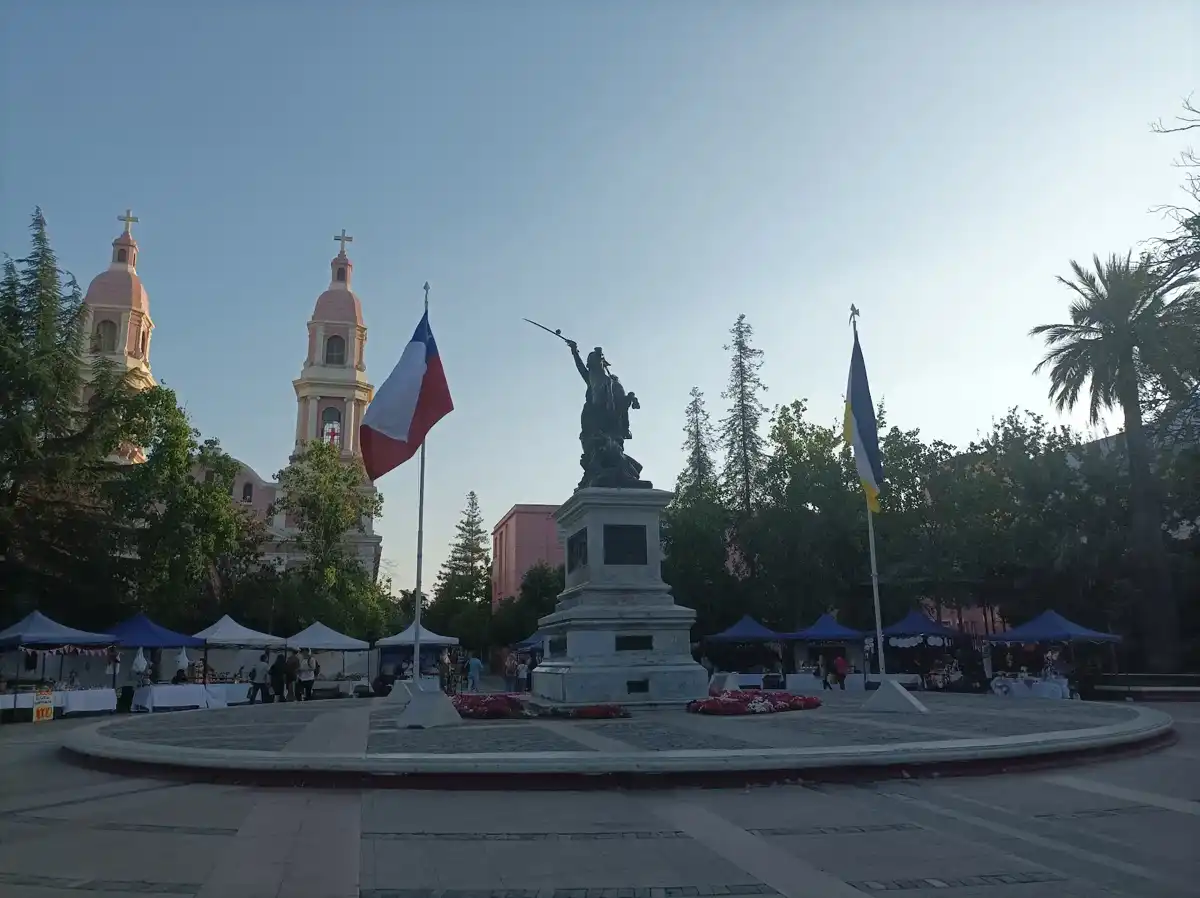
  • Plaza de los Héroes — The beating heart of Rancagua: wide square, monuments to the 1814 Battle of Rancagua, and a good spot to watch locals, street vendors, and civic life unfold.
  • Catedral de Rancagua — The cathedral on the plaza is a compact, photogenic church with interesting interior details and regular services; it anchors the historic center and explains a lot about local religious life.
  • Museo Regional de Rancagua — Small but rich: regional archaeology, colonial-era objects and exhibits about the independence battles. Great for grounding yourself in why this area matters to Chilean history.
  • Estación Rancagua / Museo Ferroviario — The old rail station and its adjacent railway displays give a hands-on sense of how trains shaped the city’s growth; you can peek at preserved rolling stock
read more 👉
  • Plaza de los Héroes — The beating heart of Rancagua: wide square, monuments to the 1814 Battle of Rancagua, and a good spot to watch locals, street vendors, and civic life unfold.
  • Catedral de Rancagua — The cathedral on the plaza is a compact, photogenic church with interesting interior details and regular services; it anchors the historic center and explains a lot about local religious life.
  • Museo Regional de Rancagua — Small but rich: regional archaeology, colonial-era objects and exhibits about the independence battles. Great for grounding yourself in why this area matters to Chilean history.
  • Estación Rancagua / Museo Ferroviario — The old rail station and its adjacent railway displays give a hands-on sense of how trains shaped the city’s growth; you can peek at preserved rolling stock and the station’s old architecture.
  • Paseo Calle Estado — Pedestrianized street full of cafés, independent shops and classic storefronts. It’s where locals meet, sip coffee, and judge each other’s jackets — perfect for people-watching and quick bites.
  • Mercado Municipal de Rancagua — A proper market: fresh produce, cheap empanadas, and chacarero-style sandwiches. Real food, real prices, and a noisy, colorful slice of daily life.
  • Estadio El Teniente — Home of O’Higgins FC and one of the more atmospheric provincial stadiums in Chile. If you can catch a match, the crowd, sound and stadium history (1962 World Cup links) make it a memorable local experience.
  • Mirador Cerro La Cruz — A short climb for a payoff: broad views over the city and the surrounding valley. Early morning or late afternoon light is especially nice; locals use it for runs and quiet time.
  • Teatro Municipal de Rancagua — Restored municipal theater hosting plays, concerts and cultural programming. Even if you don’t catch a show, the building and its seasonal lineup say a lot about the city’s artistic life.
  • Costanera del Río Cachapoal — Riverside paths, parks and informal sports areas along the Cachapoal River. Good for a relaxed walk, watching river life, or joining locals on an afternoon stroll away from the busy center.
A few great day-trip options just outside Rancagua: the UNESCO-listed mining town of Sewell (guided visits), wine-tasting in the Colchagua valley around Santa Cruz, and organized tours of the El Teniente copper mine — Sewell is my personal favorite for how weird and unforgettable it feels in person.
Spotted a mistake or missing something? Contact us.

Things to do near Rancagua

Ratings based on Tripadvisor reviews. When you book through this link, you support our work at no extra cost to you.

🏘️ NeighborhoodsKey areas and districts to know

Rancagua offers a mix of urban charm and local culture, perfect for backpackers seeking authentic experiences. Here’s how the neighborhoods stack up:

Centro Histórico: This is the heart of Rancagua. You’ll find affordable hostels and local eateries. The vibe is lively, with easy access to transport. Walkable streets make it ideal for short stays. Nightlife is modest but enjoyable.

El Teniente: Known for its mining history, this area has a quieter feel. It’s less touristy, offering a glimpse into local life. Accommodation is budget-friendly, and it’s a short bus ride to the center. Great for longer stays if you want to immerse yourself.

Las Condes: A bit more upscale, this neighborhood has a mix of modern amenities and parks. Prices are higher, but you get comfort and convenience. It’s walkable, … read more 👉
Rancagua offers a mix of urban charm and local culture, perfect for backpackers seeking authentic experiences. Here’s how the neighborhoods stack up:

Centro Histórico: This is the heart of Rancagua. You’ll find affordable hostels and local eateries. The vibe is lively, with easy access to transport. Walkable streets make it ideal for short stays. Nightlife is modest but enjoyable.

El Teniente: Known for its mining history, this area has a quieter feel. It’s less touristy, offering a glimpse into local life. Accommodation is budget-friendly, and it’s a short bus ride to the center. Great for longer stays if you want to immerse yourself.

Las Condes: A bit more upscale, this neighborhood has a mix of modern amenities and parks. Prices are higher, but you get comfort and convenience. It’s walkable, with good transport links. Perfect for those who want a balance of relaxation and exploration.

San Francisco: A residential area with a laid-back vibe. It’s quieter, making it suitable for longer stays. Local markets and cafes provide a taste of daily life. Transport options are decent, but you’ll need to walk a bit more.

⌛️ 1 dayWhat you can realistically do in a day

Rancagua, a city rich in history and culture, offers a unique glimpse into Chilean life beyond the tourist trail. Nestled at the foot of the Andes, it’s a blend of urban energy and natural beauty, making it a perfect spot for a day of exploration.

Start your morning at Plaza de Los Héroes, the heart of the city. Grab a coffee at a local café and soak in the vibrant atmosphere. The plaza is surrounded by charming colonial architecture, and you can’t miss the iconic Monumento a los Héroes de la Concepción. After your caffeine fix, stroll through the nearby Mercado Municipal. Here, you’ll find fresh produce and local delicacies—try some empanadas for a true taste of Rancagua.

In the afternoon, head to the Parque O’Higgins. This expansive park is a breath of fresh air, perfect for a leisurely … read more 👉
Rancagua, a city rich in history and culture, offers a unique glimpse into Chilean life beyond the tourist trail. Nestled at the foot of the Andes, it’s a blend of urban energy and natural beauty, making it a perfect spot for a day of exploration.

Start your morning at Plaza de Los Héroes, the heart of the city. Grab a coffee at a local café and soak in the vibrant atmosphere. The plaza is surrounded by charming colonial architecture, and you can’t miss the iconic Monumento a los Héroes de la Concepción. After your caffeine fix, stroll through the nearby Mercado Municipal. Here, you’ll find fresh produce and local delicacies—try some empanadas for a true taste of Rancagua.

In the afternoon, head to the Parque O’Higgins. This expansive park is a breath of fresh air, perfect for a leisurely walk or a picnic. If you’re feeling adventurous, rent a bike to explore the trails. For something off the beaten path, visit the Museo Regional de Rancagua, where you can dive into the city’s rich history and see artifacts that tell the story of the region.

As evening falls, make your way to the Barrio Estación. This neighborhood has a lively vibe, with plenty of restaurants and bars. Enjoy a traditional Chilean dinner at a local eatery, and if you’re lucky, you might catch some live music. Rancagua may not be on every traveler’s radar, but its authentic charm and local experiences make it a rewarding stop.
Turn your Rancagua visit into an Chile adventure
Build a complete Chile route with Rancagua, hidden gems, must-see destinations, and realistic travel times included.

Generate my trip

🌤️ When to go?Weather, crowds, and seasonal trade-offs


  • Weather: Rancagua enjoys a Mediterranean climate. Summers (December to February) are dry and warm, averaging 28°C (82°F), perfect for outdoor trekking but can get hot midday. Winters (June to August) are cooler and wetter, around 10°C (50°F), which might slow down hiking plans.

  • Daylight Hours: Summer days stretch to about 14 hours, giving you more daylight for exploring. Winter shrinks to roughly 10 hours, so plan your hikes accordingly.

  • Crowds: Tourist flow peaks in summer, especially around local festivals. Visiting shoulder seasons like spring (September-November) or fall (March-May) means fewer people and a more relaxed vibe.

  • Seasonal Activities: Summer offers vineyard tours and outdoor markets, while winter brings cozy indoor cultural events. Spring and fall showcase blooming
read more 👉

  • Weather: Rancagua enjoys a Mediterranean climate. Summers (December to February) are dry and warm, averaging 28°C (82°F), perfect for outdoor trekking but can get hot midday. Winters (June to August) are cooler and wetter, around 10°C (50°F), which might slow down hiking plans.

  • Daylight Hours: Summer days stretch to about 14 hours, giving you more daylight for exploring. Winter shrinks to roughly 10 hours, so plan your hikes accordingly.

  • Crowds: Tourist flow peaks in summer, especially around local festivals. Visiting shoulder seasons like spring (September-November) or fall (March-May) means fewer people and a more relaxed vibe.

  • Seasonal Activities: Summer offers vineyard tours and outdoor markets, while winter brings cozy indoor cultural events. Spring and fall showcase blooming landscapes and harvest time, ideal for photographers and food lovers.

  • Price Fluctuations: Accommodation and transport costs spike in summer. Shoulder seasons offer better deals without sacrificing much on weather or experience quality.


Pro-tip: Aim for spring or fall to balance pleasant weather, manageable crowds, and wallet-friendly prices—your smartest move for a high-value Rancagua trip.


source: climatestotravel.comJANJanuary: highly recommended for travelingFEBFebruary: highly recommended for travelingMARMarch: highly recommended for travelingAPRApril: highly recommended for travelingMAYMay: good for travelingJUNJune: fair for travelingJULJuly: fair for travelingAUGAugust: fair for travelingSEPSeptember: highly recommended for travelingOCTOctober: highly recommended for travelingNOVNovember: highly recommended for travelingDECDecember: highly recommended for traveling
chile-city-rancagua
© Google | Nelson Rivera

✈️ The backpacker research shortcutChile Travel Guide

An offline-friendly backpacking guide with optimized travel routes, ranked highlights, transport advice, and the best areas to stay.
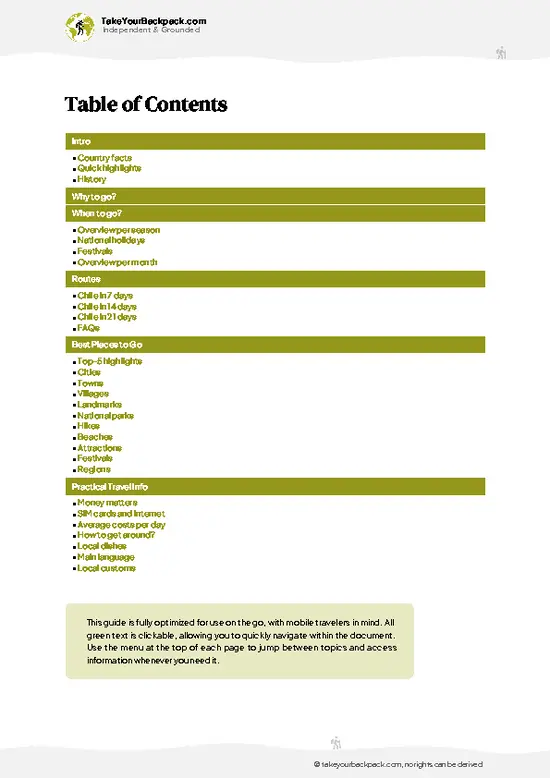
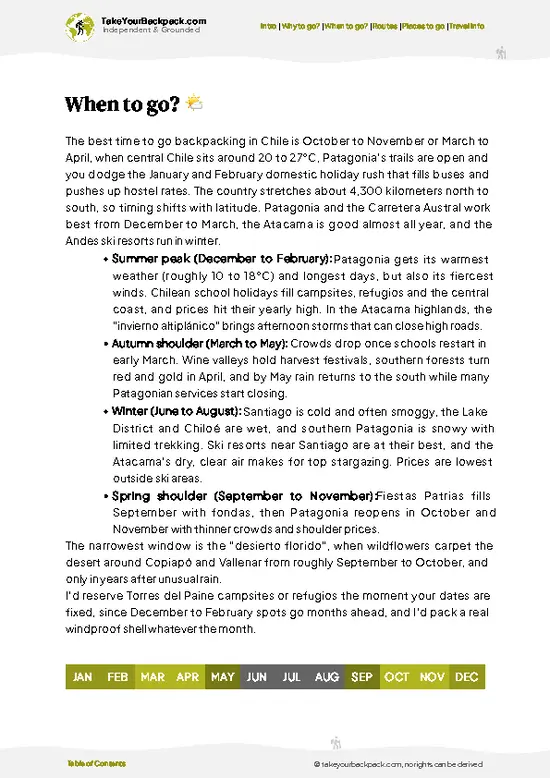
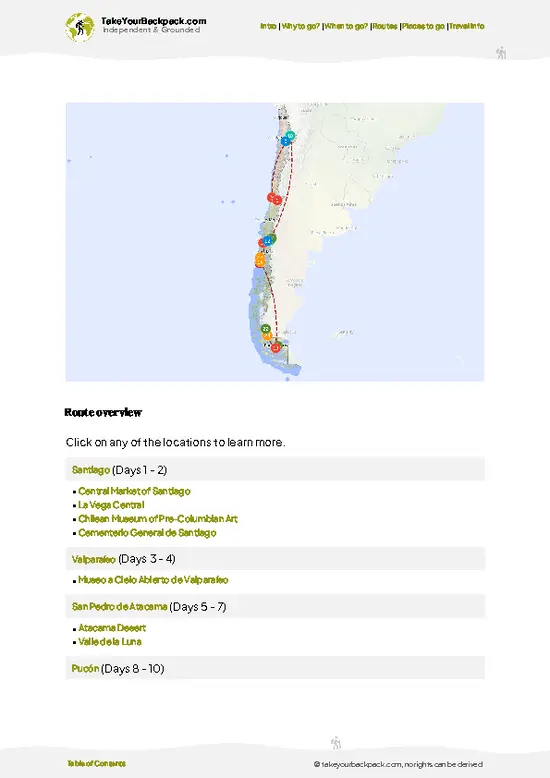
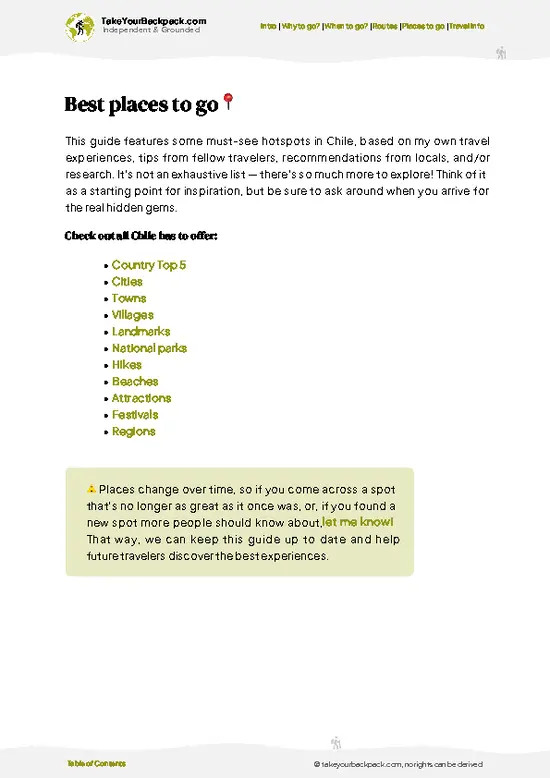
example page 0 from our offline Travel Guide for Chile
example page 1 from our offline Travel Guide for Chile
example page 2 from our offline Travel Guide for Chile
example page 3 from our offline Travel Guide for Chile
example page 4 from our offline Travel Guide for Chile
example page 5 from our offline Travel Guide for Chile
example page 6 from our offline Travel Guide for Chile
example page 7 from our offline Travel Guide for Chile
The digital guide (471 pages) contains:
119 highlights, ranked by travel appeal
Optimized 7, 14 & 21-day travel routes
Cities, national parks, landmarks, beaches
How to get around
Offline-friendly for travel without Wi-Fi
👉 Click to see all 30+ guide features

📅 Plan smarter in minutes, not weeks
Month by month travel advice
Festivals & national holidays
Budget expectations

🗺️ Go to the right places, skip the overrated ones
Honest pros & cons of destinations
Top hikes, parks & viewpoints
Lesser-known places most travelers miss
Clear “worth it vs skip it” guidance

🛏️ Travel smoothly without rookie mistakes
Best areas to stay
Transport systems explained simply
Common scams & safety advice
SIM cards, money & practical tips

🌍 Understand the country, not just visit it
Culture & traditions
52 Essential phrases & customs
Festivals worth planning around
Traveler-friendly historical context
Insights that make places more meaningful

📱 Built for real travel conditions
Fully downloadable PDF
Works completely offline
Optimized for phone use
Useful in remote areas & buses
Everything in one place
Save weeks of stressful planning
Get instant access to your full guide. 30‑day money-back guarantee.


By proceeding you agree to our terms.
Sent to your inbox immediately after payment • 100% Secure Checkout
Best Backpacking Travel Advisor 2025 tourism awardBest Backpacking
Travel Advisor
2025
What others say about Take Your Backpack Guides:
⭐⭐⭐⭐⭐
Fantastic, amazing amount of information!
⭐⭐⭐⭐⭐
My goodness this is amazing, it's what I've been looking for hats off too you!
⭐⭐⭐⭐⭐
I think this is absolutely BRILLIANT
⭐⭐⭐⭐
Very complete and informative. It's still missing places, but I gotta to commend you
⭐⭐⭐⭐⭐
This is truly amazing, thank you, can't wait to explore it with my kids!
⭐⭐⭐⭐⭐
Awesome resource, thank you!
⭐⭐⭐⭐⭐
This is amazing! Can't wait to explore the ones I haven't seen
⭐⭐⭐⭐
I love this! Well done, great idea.
⭐⭐⭐⭐⭐
Thanks for taking the time to make this gem!
⭐⭐⭐⭐⭐
This might be the best website I've ever seen.
⭐⭐⭐⭐⭐
Congratulations, and thank you so much for your work; it's incredibly valuable.
⭐⭐⭐⭐
In all seriousness I think you did a great job pointing out the important spots
⭐⭐⭐⭐⭐
10/10 very good
⭐⭐⭐⭐⭐
As someone who's only just starting to visit regularly this is awesome, thank you.
⭐⭐⭐⭐
Thank you very much! I'm going to visit my dad, it's going to be very useful!
⭐⭐⭐⭐⭐
This is really cool! We'll be travelling for the first time and this definitely come in handy.
⭐⭐⭐⭐⭐
You are now our minister of culture, congratulations 👨‍💼
⭐⭐⭐⭐⭐
Just wanted to tell you that this is a pearl! Going to follow your recommendations.
⭐⭐⭐⭐⭐
This is so cool. I'll definitely be using the resource for my travels soon.
⭐⭐⭐⭐⭐
This is very impressive! Good work.
⭐⭐⭐⭐⭐
This is an amazing and informative site. Very well done!

🛏️ Where to stay?Choosing the right base

Centro is the clear winner for backpackers in Rancagua. It’s the city’s heartbeat—safe, walkable, and loaded with budget hostels that attract solo travelers and groups alike. You’ll find a lively mix of locals and visitors, making it easy to strike up conversations or join impromptu outings. The vibe here is practical but social, with plenty of affordable eateries and easy access to public transport.

Other neighborhoods tend to be quieter and more residential, which might feel safer but lack the buzz and hostel options that make meeting people effortless. Centro balances comfort and cost without … read more 👉
Centro is the clear winner for backpackers in Rancagua. It’s the city’s heartbeat—safe, walkable, and loaded with budget hostels that attract solo travelers and groups alike. You’ll find a lively mix of locals and visitors, making it easy to strike up conversations or join impromptu outings. The vibe here is practical but social, with plenty of affordable eateries and easy access to public transport.

Other neighborhoods tend to be quieter and more residential, which might feel safer but lack the buzz and hostel options that make meeting people effortless. Centro balances comfort and cost without sacrificing the social scene, turning your stay into a strategic win.

🚌 Getting aroundMoving around without the hassle

Rancagua moves at a pace that’s neither frantic nor sluggish—it’s a city where the clock matters, but so does the human rhythm. You’ll find a blend of punctual buses and informal jitneys, a dance between schedules and the occasional wait. The streets pulse with locals who know when to hustle and when to linger, making your transit choices a strategic game of balancing speed, cost, and ease. Understanding this flow means you’re not just getting from A to B—you’re mastering the city’s tempo.


  • Walking: The heart of Rancagua is compact enough to explore on foot, especially downtown. Free, flexible, and perfect for soaking in street life, but not ideal for long hauls or the midday heat.

  • Local Buses (Micros): Running roughly from 6:00 AM to 10:00 PM, fares hover around 400-600 CLP. They’re
read more 👉
Rancagua moves at a pace that’s neither frantic nor sluggish—it’s a city where the clock matters, but so does the human rhythm. You’ll find a blend of punctual buses and informal jitneys, a dance between schedules and the occasional wait. The streets pulse with locals who know when to hustle and when to linger, making your transit choices a strategic game of balancing speed, cost, and ease. Understanding this flow means you’re not just getting from A to B—you’re mastering the city’s tempo.


  • Walking: The heart of Rancagua is compact enough to explore on foot, especially downtown. Free, flexible, and perfect for soaking in street life, but not ideal for long hauls or the midday heat.

  • Local Buses (Micros): Running roughly from 6:00 AM to 10:00 PM, fares hover around 400-600 CLP. They’re slow but cheap, with frequent stops that let you hop off near markets or plazas. Expect crowding during rush hours.

  • Colectivos (Shared Taxis): These run fixed routes and leave when full, so timing is unpredictable but often faster than buses. Costs are about 700-900 CLP. They offer a middle ground—more comfort and speed for a bit more cash.

  • Intercity Buses: For trips outside Rancagua, these depart from the main terminal starting early morning until late evening. Tickets vary by distance but expect 2,000-5,000 CLP. They’re reliable and comfortable, ideal for day trips or budget overnight travel.

👛 Costs (as of 23 January 2026)How expensive it really is

Backpacking in Rancagua, Chile, offers a clear trade-off between cost and comfort, and knowing the daily expenses helps you play the system smartly.
  • Dorm Accommodation (High Season): Expect to pay around $12-$18 USD per night in a shared dorm during peak tourist months. These places are basic but clean, often with communal kitchens and Wi-Fi.
  • Dorm Accommodation (Off-Season): Prices drop to about $8-$12 USD. Off-season means fewer tourists, so you can snag better deals and sometimes negotiate longer stays.
  • Meals: Street food and local markets keep costs low, roughly $4-$7 USD per meal. A typical lunch might be a hearty plate of Chilean staples like empanadas or cazuela, filling and wallet-friendly.
  • Local Transport: Short bus or colectivo rides within the city usually cost around $0.50-$1
read more 👉
Backpacking in Rancagua, Chile, offers a clear trade-off between cost and comfort, and knowing the daily expenses helps you play the system smartly.
  • Dorm Accommodation (High Season): Expect to pay around $12-$18 USD per night in a shared dorm during peak tourist months. These places are basic but clean, often with communal kitchens and Wi-Fi.
  • Dorm Accommodation (Off-Season): Prices drop to about $8-$12 USD. Off-season means fewer tourists, so you can snag better deals and sometimes negotiate longer stays.
  • Meals: Street food and local markets keep costs low, roughly $4-$7 USD per meal. A typical lunch might be a hearty plate of Chilean staples like empanadas or cazuela, filling and wallet-friendly.
  • Local Transport: Short bus or colectivo rides within the city usually cost around $0.50-$1 USD. It’s a cheap way to cover ground if you’re not walking.
  • City Transport Pass: If you plan to move around a lot, a monthly or weekly pass can save money, averaging about $20-$25 USD for unlimited rides, but daily travelers might skip this.
  • Basic Activities/Entry Fees: Museums and local attractions typically charge $2-$5 USD. Some cultural sites might be free or ask for a small donation, so budget accordingly.
  • Miscellaneous Expenses: Think snacks, bottled water, or occasional coffee runs—around $3-$6 USD daily. These small costs add up but are manageable with a bit of planning.

Total daily costs for backpacking in Rancagua hover between $20 and $40 USD, depending on your choices around accommodation and how often you eat out or use transport. This range lets you decide if you want to stretch your budget by cooking or splurge a bit for convenience. Knowing these trade-offs means you’re not just spending money—you’re investing in the kind of experience you want.


source: chile.travel
⚠️ Prices can change and everyone travels differently, so take this as a rough guide. Hope it helps you plan your adventure!

🚌 Day tripsEasy escapes and nearby places

Rancagua, Chile, is a strategic launchpad for some incredible day trips that blend adventure with cultural immersion. Let’s dive into a few options that will make your backpacking experience truly rewarding.

Cajón del Maipo
Just an hour from Rancagua, Cajón del Maipo is a paradise for nature lovers. Picture yourself hiking along the crystal-clear waters of the Maipo River, surrounded by towering mountains. The area offers various trails, from easy walks to challenging hikes, with stunning views at every turn. Expect to spend around $10 on transportation and maybe another $5 for snacks. Spring and early summer are ideal, as the wildflowers bloom and the weather is mild. A common mistake? Underestimating the altitude; take it slow to avoid altitude sickness.


Pichilemu
If you’re craving … read more 👉
Rancagua, Chile, is a strategic launchpad for some incredible day trips that blend adventure with cultural immersion. Let’s dive into a few options that will make your backpacking experience truly rewarding.

Cajón del Maipo
Just an hour from Rancagua, Cajón del Maipo is a paradise for nature lovers. Picture yourself hiking along the crystal-clear waters of the Maipo River, surrounded by towering mountains. The area offers various trails, from easy walks to challenging hikes, with stunning views at every turn. Expect to spend around $10 on transportation and maybe another $5 for snacks. Spring and early summer are ideal, as the wildflowers bloom and the weather is mild. A common mistake? Underestimating the altitude; take it slow to avoid altitude sickness.


Pichilemu
If you’re craving the ocean, Pichilemu is your go-to. About two hours away, this surf town is famous for its waves and laid-back vibe. You can rent a board for about $15 and hit the surf or simply stroll along the beach. The seafood here is fresh and affordable, with meals costing around $10. Late summer is perfect for warm beach days, but don’t forget a jacket for the evening chill. First-timers often miss the local surf culture; take a lesson or chat with the locals to soak it all in.
👉 Explore Pichilemu

Viña del Mar
A bit further afield at about two and a half hours, Viña del Mar offers a mix of beach and city life. Stroll through the gardens, visit the iconic flower clock, and enjoy the coastal views. Public transport is around $15 round trip, and you can grab lunch for about $12. Spring is lovely here, with fewer crowds and pleasant weather. Many backpackers overlook the local markets; don’t skip them for unique souvenirs and snacks.
👉 Explore Viña del Mar

Los Andes
For a taste of Chilean culture, head to Los Andes, just over an hour away. This town is rich in history and offers a glimpse into local life. Explore the quaint streets, visit the historic church, and enjoy a meal for around $10. The best time to visit is during the grape harvest in March, when you can join in local festivities. A common mistake is sticking to the main square; venture into side streets for authentic experiences.
Want to know what more Chile offers?
The Chile Travel Guide describes 119 highlights, from cities to national parks, from beaches to hikes

Get the Travel Guide -

🍲 FoodWhat to Eat & Drink

In Rancagua, local cuisine is a vibrant tapestry of flavors that beckons you to dive in. Don’t miss the pastel de choclo, a corn pie layered with ground meat, olives, and hard-boiled eggs. It’s comfort food that warms the soul. Pair it with a glass of pisco sour, a tangy cocktail that’s a staple in Chilean culture.

For a true taste of the city, hit the markets. Stalls overflow with fresh produce and street vendors serve up empanadas bursting with cheese or seafood. The casual atmosphere invites you to mingle, and sharing a meal is part of the experience.

Chilean dining often leans towards a late-night vibe, with locals enjoying dinner after 9 PM. Embrace this rhythm; it’s all about savoring the moment. Remember, meals are social events here, so don’t rush—enjoy the flavors and the company.

🛡️ SafetyScams, Hazards, and Annoyances

Rancagua is generally safe, but like any city, it has its quirks. Stay alert in crowded areas, especially near markets or bus stations, where pickpockets might lurk. If you’re solo, avoid poorly lit streets at night; stick to main roads and well-populated areas.

Scams are rare, but be cautious of overly friendly strangers offering unsolicited help or guiding you to specific shops. They might have a commission agenda. Everyday annoyances include aggressive street vendors; a polite but firm “no, gracias” usually does the trick. Carry yourself confidently, and you’ll navigate Rancagua like a pro.

Other Chilean cities near Rancagua

Explore more nearby:

  • Melipilla—farmland, rodeo arenas, small-town plazas| 70 km away
  • Santiago—Andean backdrop, urban parks, diverse neighborhoods| 80 km away
  • Viña del Mar—urban beaches, casino, manicured gardens| 149 km away

💡 Not sure where to go next?
Create a personalized itinerary for Chile including Rancagua and the places that fit your trip.

Generate my itinerary

👉 Discover all cities

Or checkout all Chile has to offer (think cities, towns, villages, national parks, hikes, beaches, festivals)
Country photo of Chile

We 💚 feedbackWhat to keep in mind

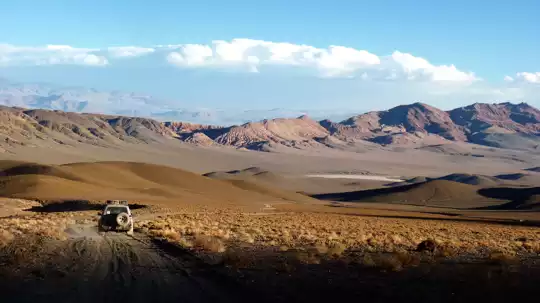
Rancagua’s charm lies in its authentic vibe and the stunning backdrop of the Andes. You can sip local wines and explore rich history without the tourist crowds. But be ready for limited public transport options; getting around can be a bit of a puzzle. Embrace the challenge, and you’ll uncover the city’s true character.

✈️ When did I visit Chile?
I have visited Chile, together with Argentina, in September 2012.

✍️ Help improve this page!
The information on this page is based on my own backpacking experience in Chile, supplemented with up-to-date research and feedback from other travelers. Travel details can change, so if you notice anything outdated or incomplete, feel free to let me know.


🙋‍♂️ Give feedback

👋 Meet the founderWho’s Behind Take Your Backpack?

Johan, backpacker and founder of TakeYourBackpackHi, I’m Johan (Netherlands 🇳🇱), the creator of TakeYourBackpack. Over the past decade, I’ve backpacked through 80+ countries across six continents, gaining extensive experience with independent travel, long-term trips, and overland routes.

This site is built on a combination of firsthand travel experience and carefully curated insights from other backpackers. Many guides are based on places I’ve personally visited, while others bring together tips, observations, and practical advice shared by trusted travelers I’ve met along the way.

The goal is to provide realistic, experience-driven guidance — not generic itineraries — so you can explore destinations with better context, clearer expectations, and more confidence.

Get full Chile guide •
Instant download • 119 highlights • Full Offline guide