×

Chile🇨🇱 | citiesValdiviariverfront, craft breweries, German influence | things to do and best time to go

Explore ValparaisoExplore Arica

Backpacking in Valdivia
🏆 Top pickcity ranked #5
By Johan Kruseman 🇳🇱 | Updated June 15, 2026

You land in Valdivia and hit your first real fork: do you burn time waiting for slow, cheap buses and wandering on foot, or pay for taxis and river tours to actually see the city’s edges—like Niebla’s forts and the coastal feel—before the rain rolls in again. That choice matters here more than in many Chilean cities, because Valdivia is spread along rivers, not built around one tight center. It sits in southern Chile’s Los Ríos Region, between Temuco and Puerto Montt. For backpackers, Valdivia is relaxed, student-heavy, and beer-soaked: riverside craft breweries, a fish market with sea lions, a compact center with a few solid museums and the Plaza de la República. It’s cheaper and mellower than Pucón, safer and more polished than Osorno, but nightlife and hostels are modest. Social if you lean in; quiet if you don’t.

Discover everything you want to know in the 📖 Chile Travel Guide.


Get your Chile guide
120 ranked highlights, routes & tips, works offline (471 pages)
Loading the map 🌍
CLICK TO FILTER
cities
towns
villages
landmarks
national parks
hikes
beaches
attractions
festivals
regions
SHOW COUNTRY’S BESTSHOW ALL

✨ Why go?
Ranked #5 city in Chile
Why visitors keep coming back

Valdivia is a backpacker’s haven that strikes a balance between affordability and experience. The city’s walkability makes it easy to explore its charming streets, where you can find local markets and cozy cafes without breaking the bank. Hostels here offer a mix of social vibes and comfort, perfect for meeting fellow travelers while keeping your budget intact.

What sets Valdivia apart is its role as a basecamp for day trips to stunning natural landscapes, from lush forests to breathtaking coastlines. You’ll find a variety of activities that cater to different interests, ensuring you won’t run out of things to do.

The nightlife is lively yet laid-back, with bars that serve up local brews and a chance to unwind after a day of adventure. Plus, onward travel is a breeze, connecting you to … read more 👉
Valdivia is a backpacker’s haven that strikes a balance between affordability and experience. The city’s walkability makes it easy to explore its charming streets, where you can find local markets and cozy cafes without breaking the bank. Hostels here offer a mix of social vibes and comfort, perfect for meeting fellow travelers while keeping your budget intact.

What sets Valdivia apart is its role as a basecamp for day trips to stunning natural landscapes, from lush forests to breathtaking coastlines. You’ll find a variety of activities that cater to different interests, ensuring you won’t run out of things to do.

The nightlife is lively yet laid-back, with bars that serve up local brews and a chance to unwind after a day of adventure. Plus, onward travel is a breeze, connecting you to other parts of Chile. If you’re looking for a place that offers both character and convenience, Valdivia is worth more than just a quick stop.
Want to include Valdivia in your Chile route?
Create a personalized Chile itinerary that includes Valdivia and the places that fit your trip — based on your travel style, budget, and available time. Get your route in seconds.

Generate my trip

💡 HighlightsEssential experiences to have while visiting Valdivia

  • Mercado Fluvial (Feria Fluvial) — Riverside market where local fishermen sell fresh seafood off small boats and stalls; great for trying mariscos, watching the river bustle and snapping photos of the classic wooden skiffs.
  • Plaza de la República and Catedral de Valdivia — The city’s central square with the cathedral, cafes and street life; it’s the easiest place to feel Valdivia’s pace and see local gatherings, markets and occasional live music.
  • Costanera (riverside promenades) and the Calle-Calle bridges — Long riverwalks with views of bridges, boats and the city’s wooden architecture; perfect for golden-hour walks, people-watching and launching small boat trips.
  • Isla Teja (neighbourhood) — A compact island quarter of old German-style houses, quiet streets, viewpoints over the confluence
read more 👉
  • Mercado Fluvial (Feria Fluvial) — Riverside market where local fishermen sell fresh seafood off small boats and stalls; great for trying mariscos, watching the river bustle and snapping photos of the classic wooden skiffs.
  • Plaza de la República and Catedral de Valdivia — The city’s central square with the cathedral, cafes and street life; it’s the easiest place to feel Valdivia’s pace and see local gatherings, markets and occasional live music.
  • Costanera (riverside promenades) and the Calle-Calle bridges — Long riverwalks with views of bridges, boats and the city’s wooden architecture; perfect for golden-hour walks, people-watching and launching small boat trips.
  • Isla Teja (neighbourhood) — A compact island quarter of old German-style houses, quiet streets, viewpoints over the confluence of rivers and easy access to cultural sites; it’s a calm, characterful slice of Valdivia life.
  • Jardín Botánico, Universidad Austral de Chile — A well-kept botanical garden showcasing native and introduced plants, shaded trails and little ponds; ideal for a relaxed couple of hours away from the main streets.
  • Museo de Arte Contemporáneo (MAC) Valdivia — Contemporary art exhibits housed in a building with local resonance; good for catching regional artists and rotating shows that reflect southern Chilean themes.
  • Parque Saval — Large urban park with lakes, lawns and specimen trees; families picnic here, there are often small concerts or fairs, and it’s a nice spot for a low-effort nature escape inside the city.
  • Cervecería Kunstmann (brewery & beer hall) — The flagship brewpub and shop celebrating Valdivia’s German-brewing heritage; tours, tastings and honest pub food make it a fun, social stop for a chilly afternoon or evening.
  • Museo Histórico y Antropológico Maurice van de Maele — Local history and archaeology museum that gives context to the Mapuche presence, colonial settlement and the city’s development; small but informative for understanding Valdivia’s roots.
  • Boat piers and small-boat departures (muelles) — The working piers where you can catch short river rides, hire water taxis or book a guided trip to see forts and the estuary; an essential way to experience Valdivia from the water.
A few excellent day trips nearby are the coastal forts and beaches at Niebla, the Castillo and fortifications of Corral, and the rainforest hikes of Parque Oncol — Parque Oncol is my personal favorite.
Spotted a mistake or missing something? Contact us.

Things to do in Valdivia

Ratings based on Tripadvisor reviews. When you book through this link, you support our work at no extra cost to you.

🏘️ NeighborhoodsNeighborhood guide to Valdivia

Valdivia is a charming blend of history, culture, and nature, making it a prime spot for backpackers looking to dive deep into Chilean life.

Cerro La Virgen: This hillside neighborhood offers stunning views of the city and the rivers. It’s quieter, perfect for those who want to escape the hustle. Accommodations here are generally affordable, and the walkability is decent, though be prepared for some steep climbs. Ideal for longer stays where you can soak in the local vibe.

Centro: The heart of Valdivia, Centro is bustling with cafes, shops, and cultural sites. It’s highly walkable, making it easy to explore on foot. Prices can vary, but you’ll find budget-friendly options. Nightlife is vibrant here, with bars and live music. Great for short stays where you want to be in the action.

Isla read more 👉
Valdivia is a charming blend of history, culture, and nature, making it a prime spot for backpackers looking to dive deep into Chilean life.

Cerro La Virgen: This hillside neighborhood offers stunning views of the city and the rivers. It’s quieter, perfect for those who want to escape the hustle. Accommodations here are generally affordable, and the walkability is decent, though be prepared for some steep climbs. Ideal for longer stays where you can soak in the local vibe.

Centro: The heart of Valdivia, Centro is bustling with cafes, shops, and cultural sites. It’s highly walkable, making it easy to explore on foot. Prices can vary, but you’ll find budget-friendly options. Nightlife is vibrant here, with bars and live music. Great for short stays where you want to be in the action.

Isla Teja: This area is a bit more laid-back, with beautiful parks and riverside paths. It’s a short walk or bike ride from the city center, offering a peaceful retreat. Accommodations are slightly pricier but worth it for the tranquility. Perfect for those looking to balance relaxation with city access.

Niebla: A coastal village just outside Valdivia, Niebla is known for its beaches and historical forts. It’s less walkable, requiring transport to get back to the city. Costs are lower here, making it a good choice for budget travelers. Ideal for longer stays if you want a mix of beach and culture.

⌛️ 1 dayHow to make the most of one day

Valdivia, Chile, is a city where the rivers meet the sea, creating a unique blend of culture and nature. Known for its German heritage, vibrant markets, and stunning riverfront, it’s a place that invites exploration.

Start your day in the bustling Mercado Fluvial. The aroma of fresh seafood and local produce fills the air. Grab a hearty breakfast of “marraqueta” bread with avocado and a steaming cup of coffee. As you wander through the stalls, chat with local vendors; their stories add flavor to your experience.

After breakfast, head to the nearby Parque Saval. This lush park is a local favorite, often overlooked by tourists. Stroll along the paths lined with towering trees and vibrant flowers. If you’re lucky, you might catch a glimpse of the playful river otters that call this place … read more 👉
Valdivia, Chile, is a city where the rivers meet the sea, creating a unique blend of culture and nature. Known for its German heritage, vibrant markets, and stunning riverfront, it’s a place that invites exploration.

Start your day in the bustling Mercado Fluvial. The aroma of fresh seafood and local produce fills the air. Grab a hearty breakfast of “marraqueta” bread with avocado and a steaming cup of coffee. As you wander through the stalls, chat with local vendors; their stories add flavor to your experience.

After breakfast, head to the nearby Parque Saval. This lush park is a local favorite, often overlooked by tourists. Stroll along the paths lined with towering trees and vibrant flowers. If you’re lucky, you might catch a glimpse of the playful river otters that call this place home.

In the afternoon, make your way to the historic Fort Niebla. This 17th-century fort offers stunning views of the coastline and the chance to delve into Valdivia’s colonial past. The short hike up is worth every step. Afterward, explore the nearby neighborhood of Los Canelos, where you can find charming cafes and artisan shops.

As evening approaches, return to the riverfront. The sunset casts a golden hue over the water, perfect for a leisurely stroll. For dinner, try “La Ultima Frontera,” a local spot known for its delicious seafood dishes. Don’t miss the “paila marina,” a seafood stew that’s a true taste of the region.

Valdivia is a city that rewards those who take the time to savor its offerings, blending comfort and adventure in a single day.
Turn your Valdivia visit into an Chile adventure
Build a complete Chile route with Valdivia, hidden gems, must-see destinations, and realistic travel times included.

Generate my trip

🌤️ When to go?When to go for the best experience


  • Weather: Valdivia’s climate is oceanic, meaning mild but often rainy. The dry season runs from December to March, offering the best chance for clear skies and less mud on trails.

  • Temperature: Summer highs hover around 20–25°C (68–77°F), perfect for hiking without overheating. Winters dip to 5–10°C (41–50°F), which can feel damp and chilly, not ideal for backpacking comfort.

  • Daylight Hours: In summer, expect up to 15 hours of daylight, giving you more time to explore. Winter days shrink to about 9 hours, squeezing your daily adventure window.

  • Crowds: Peak tourist season aligns with summer months, so expect more visitors and higher prices. Shoulder seasons (spring and fall) offer a quieter experience but with a higher chance of rain.

  • Seasonal Activities: Summer unlocks river kayaking,
read more 👉

  • Weather: Valdivia’s climate is oceanic, meaning mild but often rainy. The dry season runs from December to March, offering the best chance for clear skies and less mud on trails.

  • Temperature: Summer highs hover around 20–25°C (68–77°F), perfect for hiking without overheating. Winters dip to 5–10°C (41–50°F), which can feel damp and chilly, not ideal for backpacking comfort.

  • Daylight Hours: In summer, expect up to 15 hours of daylight, giving you more time to explore. Winter days shrink to about 9 hours, squeezing your daily adventure window.

  • Crowds: Peak tourist season aligns with summer months, so expect more visitors and higher prices. Shoulder seasons (spring and fall) offer a quieter experience but with a higher chance of rain.

  • Seasonal Activities: Summer unlocks river kayaking, forest hikes, and outdoor markets. Winter focuses on indoor cultural events but limits outdoor backpacking options.

  • Price Fluctuations: Accommodation and tours spike in summer. Booking in shoulder seasons can save money but requires flexibility with weather.


Pro-tip: Aim for late spring or early fall to balance fewer crowds, decent weather, and better prices—your smartest move for a high-value Valdivia trip.


source: climatestotravel.comJANJanuary: excellent for travelingFEBFebruary: excellent for travelingMARMarch: excellent for travelingAPRApril: highly recommended for travelingMAYMay: good for travelingJUNJune: fair for travelingJULJuly: fair for travelingAUGAugust: fair for travelingSEPSeptember: good for travelingOCTOctober: highly recommended for travelingNOVNovember: highly recommended for travelingDECDecember: excellent for traveling
when-to-go

✈️ The backpacker research shortcutChile Travel Guide

An offline-friendly backpacking guide with optimized travel routes, ranked highlights, transport advice, and the best areas to stay.
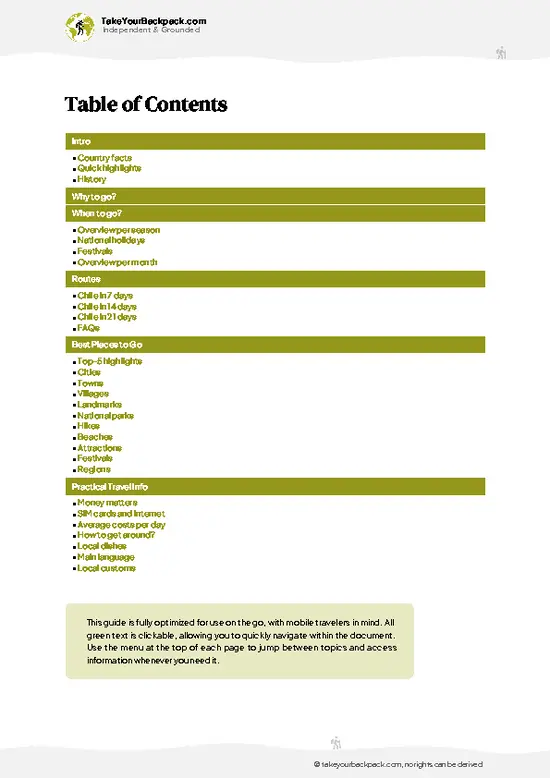
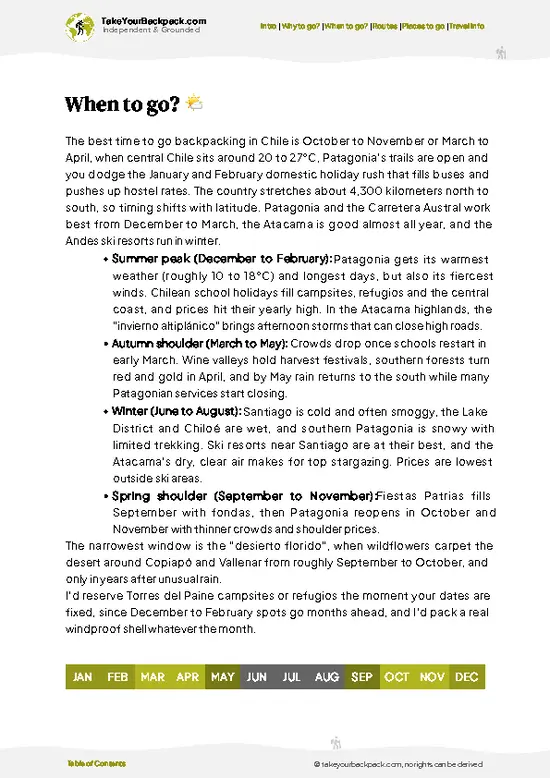
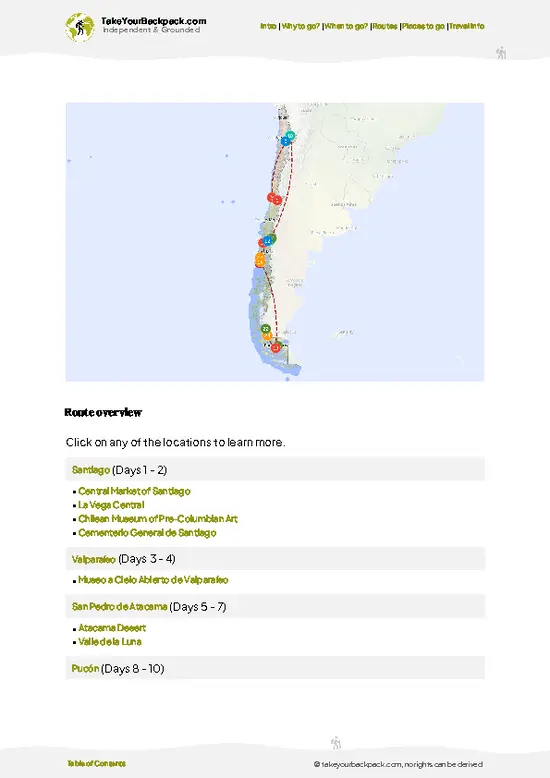
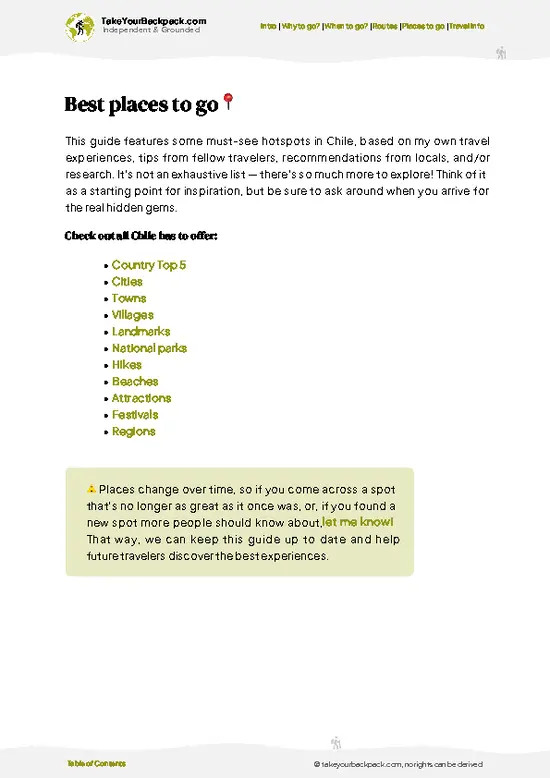
example page 0 from our offline Travel Guide for Chile
example page 1 from our offline Travel Guide for Chile
example page 2 from our offline Travel Guide for Chile
example page 3 from our offline Travel Guide for Chile
example page 4 from our offline Travel Guide for Chile
example page 5 from our offline Travel Guide for Chile
example page 6 from our offline Travel Guide for Chile
example page 7 from our offline Travel Guide for Chile
The digital guide (471 pages) contains:
120 highlights, ranked by travel appeal
Optimized 7, 14 & 21-day travel routes
Cities, national parks, landmarks, beaches
How to get around
Offline-friendly for travel without Wi-Fi
👉 Click to see all 30+ guide features

📅 Plan smarter in minutes, not weeks
Month by month travel advice
Festivals & national holidays
Budget expectations

🗺️ Go to the right places, skip the overrated ones
Honest pros & cons of destinations
Top hikes, parks & viewpoints
Lesser-known places most travelers miss
Clear “worth it vs skip it” guidance

🛏️ Travel smoothly without rookie mistakes
Best areas to stay
Transport systems explained simply
Common scams & safety advice
SIM cards, money & practical tips

🌍 Understand the country, not just visit it
Culture & traditions
52 Essential phrases & customs
Festivals worth planning around
Traveler-friendly historical context
Insights that make places more meaningful

📱 Built for real travel conditions
Fully downloadable PDF
Works completely offline
Optimized for phone use
Useful in remote areas & buses
Everything in one place
Save weeks of stressful planning
Get instant access to your full guide. 30‑day money-back guarantee.


By proceeding you agree to our terms.
Sent to your inbox immediately after payment • 100% Secure Checkout
Best Backpacking Travel Advisor 2025 tourism awardBest Backpacking
Travel Advisor
2025
What others say about Take Your Backpack Guides:
⭐⭐⭐⭐⭐
Fantastic, amazing amount of information!
⭐⭐⭐⭐⭐
My goodness this is amazing, it's what I've been looking for hats off too you!
⭐⭐⭐⭐⭐
I think this is absolutely BRILLIANT
⭐⭐⭐⭐
Very complete and informative. It's still missing places, but I gotta to commend you
⭐⭐⭐⭐⭐
This is truly amazing, thank you, can't wait to explore it with my kids!
⭐⭐⭐⭐⭐
Awesome resource, thank you!
⭐⭐⭐⭐⭐
This is amazing! Can't wait to explore the ones I haven't seen
⭐⭐⭐⭐
I love this! Well done, great idea.
⭐⭐⭐⭐⭐
Thanks for taking the time to make this gem!
⭐⭐⭐⭐⭐
This might be the best website I've ever seen.
⭐⭐⭐⭐⭐
Congratulations, and thank you so much for your work; it's incredibly valuable.
⭐⭐⭐⭐
In all seriousness I think you did a great job pointing out the important spots
⭐⭐⭐⭐⭐
10/10 very good
⭐⭐⭐⭐⭐
As someone who's only just starting to visit regularly this is awesome, thank you.
⭐⭐⭐⭐
Thank you very much! I'm going to visit my dad, it's going to be very useful!
⭐⭐⭐⭐⭐
This is really cool! We'll be travelling for the first time and this definitely come in handy.
⭐⭐⭐⭐⭐
You are now our minister of culture, congratulations 👨‍💼
⭐⭐⭐⭐⭐
Just wanted to tell you that this is a pearl! Going to follow your recommendations.
⭐⭐⭐⭐⭐
This is so cool. I'll definitely be using the resource for my travels soon.
⭐⭐⭐⭐⭐
This is very impressive! Good work.
⭐⭐⭐⭐⭐
This is an amazing and informative site. Very well done!

🛏️ Where to stay?Best areas and accommodation options

Valdivia’s backpacker sweet spot is the area around the city center, especially near the riverfront and the Mercado Fluvial. This zone nails the balance between safety, social buzz, and budget options. You’re close enough to walk everywhere—cafés, craft beer spots, and the lively markets—without feeling like you’re trapped in tourist territory. Hostels cluster here, offering a mix of dorms and private rooms that attract solo travelers and groups alike, making it easy to meet people without sacrificing your peace.

Compared to neighborhoods farther out, like Las Animas or Isla Teja, the city center … read more 👉
Valdivia’s backpacker sweet spot is the area around the city center, especially near the riverfront and the Mercado Fluvial. This zone nails the balance between safety, social buzz, and budget options. You’re close enough to walk everywhere—cafés, craft beer spots, and the lively markets—without feeling like you’re trapped in tourist territory. Hostels cluster here, offering a mix of dorms and private rooms that attract solo travelers and groups alike, making it easy to meet people without sacrificing your peace.

Compared to neighborhoods farther out, like Las Animas or Isla Teja, the city center feels more immediate and connected. Those areas are quieter and greener but require a bus or bike ride to hit the main action. For a backpacker, that’s a trade-off: more comfort and calm versus the pulse of social life and convenience. Staying central means you can maximize your time exploring rather than commuting, which is gold when your trip clock is ticking.

Safety-wise, Valdivia’s center is well-patrolled and lively after dark, unlike some quieter districts that can feel deserted. The vibe here is a mix of student energy and local charm, with enough budget-friendly eateries and bars to keep your wallet intact while you soak up the city’s unique riverine character.

🚌 Getting aroundHow to get around Valdivia

Valdivia moves at a pace that feels like a conversation between old-world calm and modern-day hustle. The city’s rhythm isn’t dictated by rigid timetables but by a blend of predictable routines and spontaneous shifts—like the river that threads through it, steady yet ever-changing. Here, time isn’t a strict master but a flexible partner. You’ll find that getting around is less about racing the clock and more about reading the flow, balancing your budget, and choosing comfort where it counts. Understanding this dynamic is your secret weapon to unlocking Valdivia’s authentic pulse without overspending or sacrificing ease.


  • Walking: Valdivia’s compact center makes walking the top choice for budget travelers. It’s free, immersive, and often faster than waiting for buses downtown. Expect 10-20
read more 👉
Valdivia moves at a pace that feels like a conversation between old-world calm and modern-day hustle. The city’s rhythm isn’t dictated by rigid timetables but by a blend of predictable routines and spontaneous shifts—like the river that threads through it, steady yet ever-changing. Here, time isn’t a strict master but a flexible partner. You’ll find that getting around is less about racing the clock and more about reading the flow, balancing your budget, and choosing comfort where it counts. Understanding this dynamic is your secret weapon to unlocking Valdivia’s authentic pulse without overspending or sacrificing ease.


  • Walking: Valdivia’s compact center makes walking the top choice for budget travelers. It’s free, immersive, and often faster than waiting for buses downtown. Expect 10-20 minute strolls between major sights, with charming riverside views and street markets en route.


  • Local Buses (Micros): Running roughly from 6:00 AM to 10:00 PM, these are the backbone of Valdivia’s public transit. Tickets cost about 500 CLP (~$0.60), making them wallet-friendly. Buses cover most neighborhoods but can be slow during rush hours, and comfort is basic—think crowded seats and frequent stops.


  • Taxi Colectivos: These shared taxis run fixed routes and depart once full, blending bus affordability with taxi speed. They operate from early morning until around midnight. Prices hover around 1,000-1,500 CLP (~$1.20-$1.80), offering a quicker, more comfortable ride than buses but require flexibility in timing.


  • Private Taxis: Available 24/7, private taxis offer door-to-door convenience and comfort but at a steep price—expect to pay 5,000-8,000 CLP (~$6-$10) for typical city trips. Best reserved for late-night returns or when time is tight and your budget allows.


  • Bicycle Rentals: For those who want to blend speed, comfort, and budget control, renting a bike is a smart move. Daily rates start around 5,000 CLP (~$6), giving you freedom to explore beyond the center at your own pace. Valdivia’s flat terrain and bike-friendly paths make this a surprisingly efficient option.

👛 Costs (as of 23 January 2026)Typical daily expenses

Backpacking in Valdivia, Chile, offers a clear trade-off between cost and comfort, with prices that reflect its status as a charming but not overly touristy city.
  • Dorm Accommodation (High Season): Expect to pay around $15 to $25 USD per night. Hostels fill up quickly during summer and local festivals, so prices spike slightly but remain reasonable.
  • Dorm Accommodation (Off-Season): Prices drop to about $10 to $18 USD. You’ll find quieter hostels with more space, perfect for stretching your budget without sacrificing basic comfort.
  • Meals: Street food and casual eateries run about $3 to $7 USD per meal. A typical lunch menu del día (set menu) is around $5, offering hearty local dishes without fuss. Cooking your own meals can cut costs further.
  • Local Transport: Single bus rides within Valdivia
read more 👉
Backpacking in Valdivia, Chile, offers a clear trade-off between cost and comfort, with prices that reflect its status as a charming but not overly touristy city.
  • Dorm Accommodation (High Season): Expect to pay around $15 to $25 USD per night. Hostels fill up quickly during summer and local festivals, so prices spike slightly but remain reasonable.
  • Dorm Accommodation (Off-Season): Prices drop to about $10 to $18 USD. You’ll find quieter hostels with more space, perfect for stretching your budget without sacrificing basic comfort.
  • Meals: Street food and casual eateries run about $3 to $7 USD per meal. A typical lunch menu del día (set menu) is around $5, offering hearty local dishes without fuss. Cooking your own meals can cut costs further.
  • Local Transport: Single bus rides within Valdivia cost roughly $0.70 to $1 USD. Buses are frequent but can be slow, so factor in time if you’re on a tight schedule.
  • City Transport Pass: A reloadable card for buses costs about $10 USD upfront, with fares deducted per ride. If you plan multiple trips daily, this pass saves hassle and a bit of cash.
  • Basic Activities/Entry Fees: Museums and cultural sites typically charge between $2 and $5 USD. Nature reserves and boat tours can range from $10 to $20 USD, depending on the length and exclusivity.
  • Miscellaneous Expenses: Snacks, bottled water, occasional coffee, or small souvenirs add up to around $3 to $7 USD daily. Valdivia’s markets offer good value if you keep an eye out.

All told, a realistic daily budget for backpacking in Valdivia falls between $25 and $50 USD. You’re balancing modest comfort with authentic local experiences, and the city rewards those who invest a bit more time exploring on foot or by bus. The key is knowing when to splurge on a guided boat trip or a fresh seafood meal and when to keep it simple without losing the vibe.


source: chile.travel
⚠️ Prices can change and everyone travels differently, so take this as a rough guide. Hope it helps you plan your adventure!

🚌 Day tripsEasy escapes and nearby places

Valdivia, Chile, is a backpacker’s dream base for day trips, offering a mix of stunning landscapes and rich culture. Here’s how to make the most of your time without breaking the bank.

Pucón Adventure
Just a three-hour bus ride from Valdivia, Pucón is the gateway to adventure. Think hot springs, hiking, and the iconic Villarrica Volcano. You can soak in natural thermal baths after a day of trekking, which is a perfect way to unwind. Expect to spend around $30 for transport and entry fees. The best time to visit is during the summer months (December to February) when the weather is ideal for outdoor activities. A common mistake? Underestimating the volcano hike; it’s challenging, so come prepared with proper gear.


Niebla Beach Escape
A quick 30-minute bus ride takes you to Niebla, … read more 👉
Valdivia, Chile, is a backpacker’s dream base for day trips, offering a mix of stunning landscapes and rich culture. Here’s how to make the most of your time without breaking the bank.

Pucón Adventure
Just a three-hour bus ride from Valdivia, Pucón is the gateway to adventure. Think hot springs, hiking, and the iconic Villarrica Volcano. You can soak in natural thermal baths after a day of trekking, which is a perfect way to unwind. Expect to spend around $30 for transport and entry fees. The best time to visit is during the summer months (December to February) when the weather is ideal for outdoor activities. A common mistake? Underestimating the volcano hike; it’s challenging, so come prepared with proper gear.


Niebla Beach Escape
A quick 30-minute bus ride takes you to Niebla, where the Pacific Ocean meets the lush Chilean coast. This beach is perfect for a relaxed day of sunbathing or exploring the nearby Fort of Niebla, a historical site with stunning views. You can enjoy fresh seafood from local vendors for about $15 total. Late spring (November) is a sweet spot to avoid crowds while still enjoying pleasant weather. Many first-timers miss the fort, thinking it’s just a beach day; don’t skip this piece of history!


Cahuil Salt Flats
About an hour away, the Cahuil Salt Flats offer a unique glimpse into traditional salt harvesting. The landscape is striking, with shimmering white flats against the backdrop of the ocean. You can explore the area and chat with local salt farmers for free, but budget around $10 for transport. The best time to visit is during the dry season (October to March) when the flats are most accessible. A common oversight is not bringing enough water; it can get hot out there!


Los Lagos Region
For a more immersive experience, head to the Los Lagos region, about two hours from Valdivia. This area is known for its breathtaking lakes and lush forests. You can hike, fish, or simply enjoy the scenery. Expect to spend around $25 on transport and snacks. Late spring or early fall is ideal for fewer tourists and vibrant colors. First-timers often underestimate the distance between attractions; plan your route carefully to maximize your day.
Want to know what more Chile offers?
The Chile Travel Guide describes 120 highlights, from cities to national parks, from beaches to hikes

Get the Travel Guide -

🍲 FoodWhat to Eat & Drink

In Valdivia, food and drinks are a celebration of local flavors and traditions. You can’t miss trying cazuela, a hearty stew packed with meat, potatoes, and seasonal veggies. It’s comfort food that warms you up after a day of exploring. Pair it with a glass of terremoto, a local cocktail made with pipeño (a sweet wine) and pineapple ice cream. It’s a sweet, boozy treat that’s as fun to drink as it is to say.

Backpackers often flock to markets like the Mercado Municipal, where the air is thick with the scent of fresh seafood and grilled meats. Here, you can grab a quick empanada filled with everything from cheese to seafood, all while mingling with locals. Street vendors are your best friends; they serve up choripán, a spicy sausage sandwich that’s perfect for a quick bite.

When it comes … read more 👉
In Valdivia, food and drinks are a celebration of local flavors and traditions. You can’t miss trying cazuela, a hearty stew packed with meat, potatoes, and seasonal veggies. It’s comfort food that warms you up after a day of exploring. Pair it with a glass of terremoto, a local cocktail made with pipeño (a sweet wine) and pineapple ice cream. It’s a sweet, boozy treat that’s as fun to drink as it is to say.

Backpackers often flock to markets like the Mercado Municipal, where the air is thick with the scent of fresh seafood and grilled meats. Here, you can grab a quick empanada filled with everything from cheese to seafood, all while mingling with locals. Street vendors are your best friends; they serve up choripán, a spicy sausage sandwich that’s perfect for a quick bite.

When it comes to drinking customs, don’t be surprised if you’re invited to share a round of drinks. It’s all about community here. Just remember to raise your glass and make eye contact—it’s a sign of respect. Embrace the local vibe, and you’ll find that every meal is a chance to connect with the heart of Valdivia.

🛡️ SafetyTraveler Safety Guide

Valdivia is generally safe, but like any city, it has its quirks. Stay alert in crowded areas, especially around the Mercado Municipal. Pickpockets can be crafty, so keep your valuables close and your backpack zipped.

If you’re solo, the riverside promenade is lovely during the day, but it can feel a bit deserted at night. Stick to well-lit areas and consider walking with a buddy if possible.

Scams are rare, but be cautious of overly friendly locals offering unsolicited help. Politely decline and trust your instincts. Everyday annoyances might include the occasional street vendor who’s a bit too persistent. A firm but friendly “no, gracias” usually does the trick.

Overall, carry yourself confidently, stay aware, and you’ll navigate Valdivia like a pro.

Other Chilean cities near Valdivia

Explore more nearby:

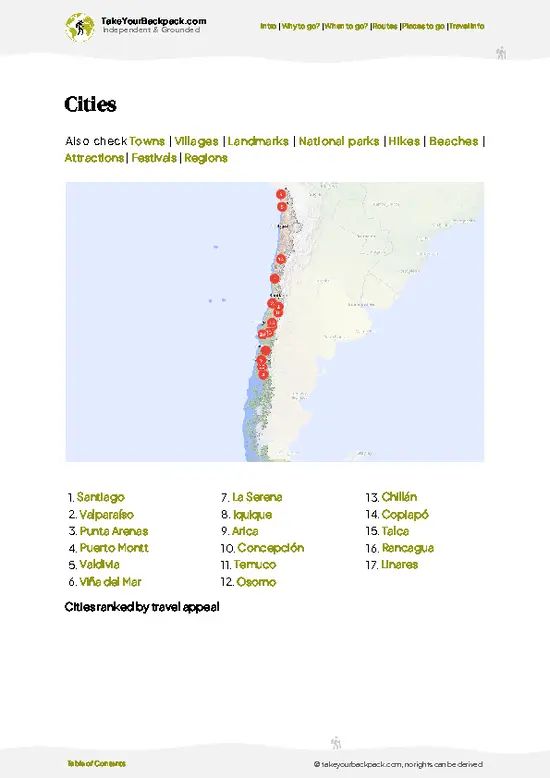
  • Osorno—cattle ranches, volcanic views, German bakeries| 85 km away
  • Temuco—Mapuche culture, forested parks, regional cuisine| 132 km away
  • Puerto Montt—fishing port, fjord access, seafood markets| 185 km away

💡 Not sure where to go next?
Create a personalized itinerary for Chile including Valdivia and the places that fit your trip.

Generate my itinerary

👉 Discover all cities

Or checkout all Chile has to offer (think cities, towns, villages, national parks, hikes, beaches, festivals)
Country photo of Chile

We 💚 feedbackParting advice and final tips

Valdivia’s riverside charm is magnetic. Picture sipping a local craft beer while watching the sun dip behind the Andes. It’s a slice of life that feels authentic. But here’s the catch: the weather can be unpredictable. You might get drenched on a sunny day. Embrace the rain gear, and you’ll still find joy in the vibrant culture and stunning landscapes. It’s all part of the adventure.

✈️ When did I visit Chile?
I have visited Chile, together with Argentina, in September 2012.

✍️ Help improve this page!
The information on this page is based on my own backpacking experience in Chile, supplemented with up-to-date research and feedback from other travelers. Travel details can change, so if you notice anything outdated or incomplete, feel free to let me know.


🙋‍♂️ Give feedback

👋 Meet the founderWho’s Behind Take Your Backpack?

Johan, backpacker and founder of TakeYourBackpackHi, I’m Johan (Netherlands 🇳🇱), the creator of TakeYourBackpack. Over the past decade, I’ve backpacked through 80+ countries across six continents, gaining extensive experience with independent travel, long-term trips, and overland routes.

This site is built on a combination of firsthand travel experience and carefully curated insights from other backpackers. Many guides are based on places I’ve personally visited, while others bring together tips, observations, and practical advice shared by trusted travelers I’ve met along the way.

The goal is to provide realistic, experience-driven guidance — not generic itineraries — so you can explore destinations with better context, clearer expectations, and more confidence.

Get full Chile guide •
Instant download • 120 highlights • Full Offline guide