×

China🇨🇳 | citiesHuangshan Citymountain gateway, Huizhou villages, ink painting scenery | things to do and best time to go

Explore ZhengzhouExplore Sanya

Backpacking in Huangshan City
🌟 Highlightcity ranked #15
By Johan Kruseman 🇳🇱 | Updated September 4, 2026

Most travelers think “Huangshan” is just the famous mountain and cable car; the city itself barely registers. That’s wrong enough to cost you a great base. Huangshan City sits in southern Anhui province, between Shanghai and inland China, and it’s a mellow, mid-sized launchpad for the Yellow Mountain and the old Huizhou villages. For backpackers, it’s cheap, safe, and easy to navigate, but nightlife is sleepy and hostels can feel quiet outside weekends. I like it for slow evenings along Xin’an River and quick buses to Hongcun and Xidi, though compared with Hangzhou or Nanjing it’s more about calm than buzz.

Discover everything you want to know in the 📖 China Travel Guide.


Get your China guide
130 ranked highlights, routes & tips, works offline (463 pages)
Loading the map 🌍
CLICK TO FILTER
cities
towns
landmarks
national parks
hikes
beaches
attractions
festivals
regions
SHOW COUNTRY’S BESTSHOW ALL

✨ Why go?
Ranked #15 city in China
Reasons people choose to visit here

Huangshan City serves as a strategic basecamp for backpackers eager to explore the surrounding natural wonders. It’s not just about the highlights; the city offers a blend of affordable hostels and delicious local food that keeps your budget in check. The walkability makes it easy to navigate, while the vibrant nightlife adds a social element to your evenings. Plus, with easy onward travel options, you can seamlessly continue your journey. If you’re looking for a place that balances comfort and value, Huangshan City is more than a stopover; it’s a smart choice for your backpacking route.
Want to include Huangshan City in your China route?
Create a personalized China itinerary that includes Huangshan City and the places that fit your trip — based on your travel style, budget, and available time. Get your route in seconds.

Generate my trip

💡 HighlightsDon't-miss highlights and experiences

  1. Huangshan (Yellow Mountain) Scenic Area — The reason everyone comes: granite peaks, gnarled pines, sea-of-clouds views and hiking routes that range from casual to brutally beautiful. Take a cable car, stay for sunrise, and be ready for crowds—you’ll still leave impressed.
  2. Tunxi Ancient Street (Tunxi Old Street) — A living stretch of Huizhou timber-front shops, tea houses, local snacks and craft stalls. Great for people-watching, scoring inksticks or tea, and getting a feel for the city’s merchant culture without leaving town.
  3. Hongcun Village — UNESCO-listed, famous for its mirror-like ponds and perfectly preserved Hui-style courtyards. It’s photogenic in any season and gives a real sense of rural elite life from centuries past.
  4. Xidi Ancient Village — Another UNESCO darling, smaller and
read more 👉
  1. Huangshan (Yellow Mountain) Scenic Area — The reason everyone comes: granite peaks, gnarled pines, sea-of-clouds views and hiking routes that range from casual to brutally beautiful. Take a cable car, stay for sunrise, and be ready for crowds—you’ll still leave impressed.
  2. Tunxi Ancient Street (Tunxi Old Street) — A living stretch of Huizhou timber-front shops, tea houses, local snacks and craft stalls. Great for people-watching, scoring inksticks or tea, and getting a feel for the city’s merchant culture without leaving town.
  3. Hongcun Village — UNESCO-listed, famous for its mirror-like ponds and perfectly preserved Hui-style courtyards. It’s photogenic in any season and gives a real sense of rural elite life from centuries past.
  4. Xidi Ancient Village — Another UNESCO darling, smaller and calmer than some tourist spots. The carved woodwork and family clan halls are superb examples of Huizhou architecture; a must for history lovers and photographers who want atmosphere without the crowd crush.
  5. Shexian Ancient City & Tangyue Memorial Archways — She County’s old town shows the wealth of Huizhou merchants: preserved mansions, narrow lanes and a striking cluster of Qing-era memorial archways (Tangyue) that are oddly theatrical and very photogenic.
  6. Qiyun Mountain (Qiyun Shan) — A Taoist mountain with temple complexes, stone inscriptions and easy-to-moderate hikes. Fewer tourists than the big peaks, plus quiet temples where you can soak up local religious practice and great ridge-top views.
  7. Huangshan Hot Springs (Tangkou Hot Spring) — Tucked at the foot of the mountains, this is pragmatic luxury after a day on the peaks: mineral baths, simple resorts and a good place to rest aching legs while still enjoying mountain scenery.
  8. Chengkan Village — A less-crowded Huizhou village with tightly packed lanes, old family halls and authentic rural life. It’s often used as a film location; wandering here feels like stepping into quieter, lived-in history.
  9. Hu Kaiwen Ink Factory & Museum — Watch traditional inkstick making, see skilled artisans at work and buy genuine Huizhou ink and stationery. It’s an unexpectedly tactile way to connect with local craft traditions.
  10. Huangshan City Museum — Compact but solid: local artifacts, exhibits on Huizhou culture, calligraphy and the region’s merchant history. Useful context before (or after) visiting the nearby villages and mountains.
A few excellent day-trip options just outside Huangshan city: Wuyuan (Jiangxi) for picture-perfect ancient villages and rapeseed fields, Mount Jiuhua for a Buddhist pilgrimage and temple hiking, and Taiping Lake for boating and relaxed countryside scenery — my personal favorite for a day trip is Wuyuan.
Spotted a mistake or missing something? Contact us.

Things to do in Huangshan City

Ratings based on Tripadvisor reviews. When you book through this link, you support our work at no extra cost to you.

🏘️ NeighborhoodsHow different areas shape the experience

Huangshan City offers a mix of culture and convenience for backpackers. Here’s how the neighborhoods stack up:

Old Town: This area is rich in history and charm. You’ll find narrow streets lined with traditional architecture. It’s walkable and buzzing with local eateries. Perfect for short stays, but the nightlife is low-key.

Yungu Scenic Area: Ideal for nature lovers. Close to hiking trails and stunning views, it’s a bit quieter. Accommodations vary in price, but you can splurge on a cozy guesthouse. Great for longer stays if you want to explore the mountains.

New District: A modern contrast with shopping and dining options. It’s more affordable and has good transport links. The vibe is lively, making it suitable for both short and longer visits, especially if you enjoy a bustling atmosphere.

⌛️ 1 day1-day itinerary for Huangshan City

Huangshan City, a gateway to the iconic Yellow Mountains, offers a blend of rich history and vibrant local culture. Start your morning in the bustling Tunxi Ancient Street. Here, the aroma of freshly steamed buns fills the air as you wander past traditional wooden shops. Grab a quick breakfast at a local eatery—those buns are a must.

In the afternoon, head to the Huangshan Museum. It’s often overlooked but showcases fascinating artifacts that tell the story of the region. Afterward, take a leisurely stroll through the nearby Xidi Ancient Village. This UNESCO site is a treasure trove of Ming and Qing architecture, and you’ll feel like you’ve stepped back in time.

As evening approaches, return to Tunxi for dinner. Try the local specialty, bamboo shoots, at a cozy restaurant. The atmosphere … read more 👉
Huangshan City, a gateway to the iconic Yellow Mountains, offers a blend of rich history and vibrant local culture. Start your morning in the bustling Tunxi Ancient Street. Here, the aroma of freshly steamed buns fills the air as you wander past traditional wooden shops. Grab a quick breakfast at a local eatery—those buns are a must.

In the afternoon, head to the Huangshan Museum. It’s often overlooked but showcases fascinating artifacts that tell the story of the region. Afterward, take a leisurely stroll through the nearby Xidi Ancient Village. This UNESCO site is a treasure trove of Ming and Qing architecture, and you’ll feel like you’ve stepped back in time.

As evening approaches, return to Tunxi for dinner. Try the local specialty, bamboo shoots, at a cozy restaurant. The atmosphere is lively, filled with locals sharing stories. End your day with a walk along the river, where the reflections of lanterns create a magical scene. This blend of sights and flavors makes Huangshan City a rewarding stop on your journey.
Turn your Huangshan City visit into an China adventure
Build a complete China route with Huangshan City, hidden gems, must-see destinations, and realistic travel times included.

Generate my trip

🌤️ When to go?Weather, crowds, and seasonal trade-offs


  • Weather: Spring (April to June) and autumn (September to November) offer the most stable weather. Avoid the summer monsoon season when heavy rains can turn trails slippery and visibility poor.

  • Temperature: Spring temperatures range from 10°C to 20°C (50°F to 68°F), comfortable for hiking. Autumn cools down to 5°C to 15°C (41°F to 59°F), crisp but manageable with layers.

  • Daylight Hours: Spring and autumn provide roughly 12 to 14 hours of daylight, enough for extended hikes without rushing but not so long that you lose track of time.

  • Crowds: Peak tourist influx hits in May and October during Chinese public holidays. For solitude, aim for early spring or late autumn weekdays.

  • Seasonal Activities: Autumn showcases spectacular fall foliage, while spring bursts with blooming azaleas and
read more 👉

  • Weather: Spring (April to June) and autumn (September to November) offer the most stable weather. Avoid the summer monsoon season when heavy rains can turn trails slippery and visibility poor.

  • Temperature: Spring temperatures range from 10°C to 20°C (50°F to 68°F), comfortable for hiking. Autumn cools down to 5°C to 15°C (41°F to 59°F), crisp but manageable with layers.

  • Daylight Hours: Spring and autumn provide roughly 12 to 14 hours of daylight, enough for extended hikes without rushing but not so long that you lose track of time.

  • Crowds: Peak tourist influx hits in May and October during Chinese public holidays. For solitude, aim for early spring or late autumn weekdays.

  • Seasonal Activities: Autumn showcases spectacular fall foliage, while spring bursts with blooming azaleas and rhododendrons, adding color to your trek.

  • Price Fluctuations: Accommodation and transport costs spike during Golden Week (early October) and Labor Day holidays (early May). Off-peak months offer better deals and more negotiating power.


Pro-tip: Target mid-April or late September for a sweet spot—pleasant weather, manageable crowds, and wallet-friendly prices.


source: climatestotravel.comJANJanuary: fair for travelingFEBFebruary: fair for travelingMARMarch: good for travelingAPRApril: highly recommended for travelingMAYMay: good for travelingJUNJune: good for travelingJULJuly: below average for travelingAUGAugust: below average for travelingSEPSeptember: highly recommended for travelingOCTOctober: good for travelingNOVNovember: highly recommended for travelingDECDecember: fair for traveling
when-to-go

✈️ The backpacker research shortcutChina Travel Guide

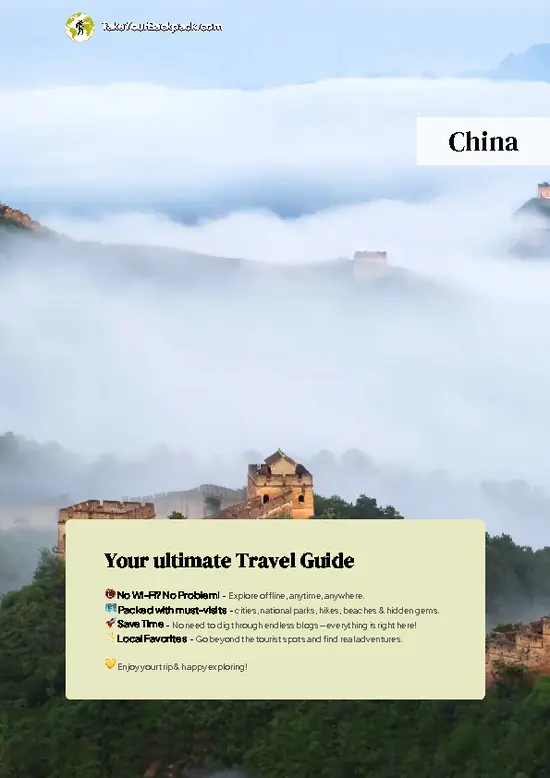
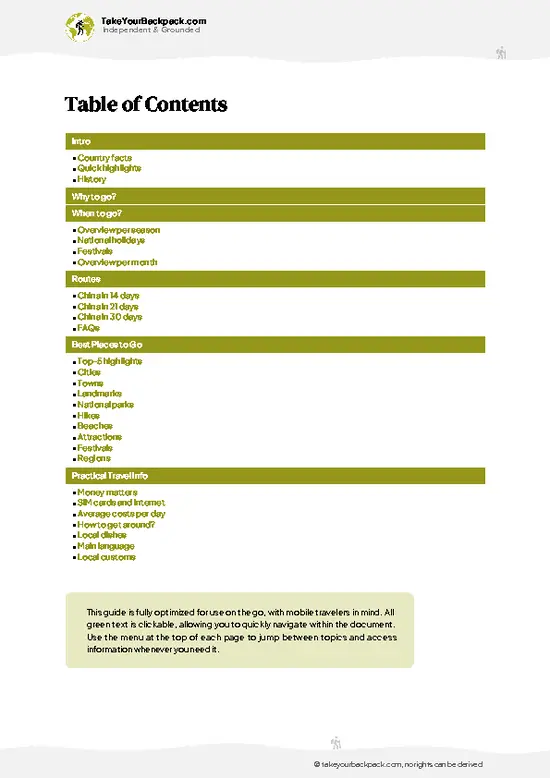
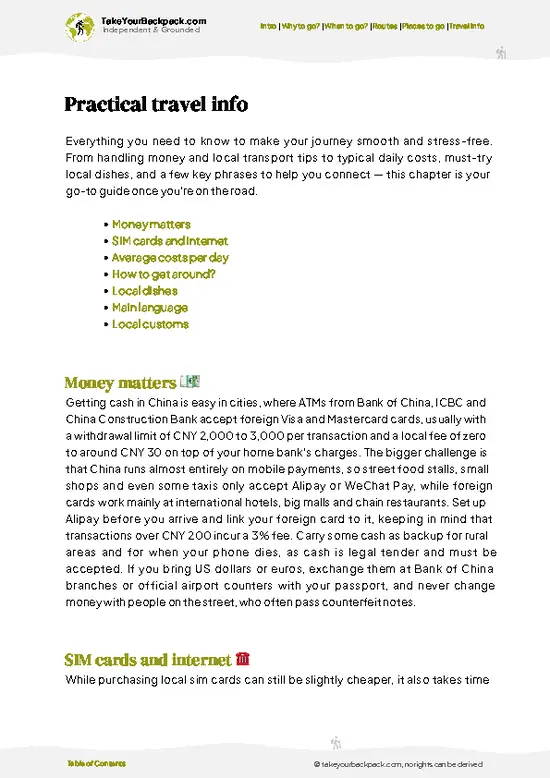
An offline-friendly backpacking guide with optimized travel routes, ranked highlights, transport advice, and the best areas to stay.
example page 0 from our offline Travel Guide for China
example page 1 from our offline Travel Guide for China
example page 2 from our offline Travel Guide for China
example page 3 from our offline Travel Guide for China
example page 4 from our offline Travel Guide for China
example page 5 from our offline Travel Guide for China
example page 6 from our offline Travel Guide for China
example page 7 from our offline Travel Guide for China
The digital guide (463 pages) contains:
130 highlights, ranked by travel appeal
Optimized 14, 21 & 30-day travel routes
Cities, national parks, landmarks, beaches
How to get around
Offline-friendly for travel without Wi-Fi
👉 Click to see all 30+ guide features

📅 Plan smarter in minutes, not weeks
Month by month travel advice
Festivals & national holidays
Budget expectations

🗺️ Go to the right places, skip the overrated ones
Honest pros & cons of destinations
Top hikes, parks & viewpoints
Lesser-known places most travelers miss
Clear “worth it vs skip it” guidance

🛏️ Travel smoothly without rookie mistakes
Best areas to stay
Transport systems explained simply
Common scams & safety advice
SIM cards, money & practical tips

🌍 Understand the country, not just visit it
Culture & traditions
52 Essential phrases & customs
Festivals worth planning around
Traveler-friendly historical context
Insights that make places more meaningful

📱 Built for real travel conditions
Fully downloadable PDF
Works completely offline
Optimized for phone use
Useful in remote areas & buses
Everything in one place
Save weeks of stressful planning
Get instant access to your full guide. 30‑day money-back guarantee.
+ Add another guide for just US$7.80

By proceeding you agree to our terms.
Sent to your inbox immediately after payment • 100% Secure Checkout
Best Backpacking Travel Advisor 2025 tourism awardBest Backpacking
Travel Advisor
2025
What others say about Take Your Backpack Guides:
⭐⭐⭐⭐⭐
Fantastic, amazing amount of information!
⭐⭐⭐⭐⭐
My goodness this is amazing, it's what I've been looking for hats off too you!
⭐⭐⭐⭐⭐
I think this is absolutely BRILLIANT
⭐⭐⭐⭐
Very complete and informative. It's still missing places, but I gotta to commend you
⭐⭐⭐⭐⭐
This is truly amazing, thank you, can't wait to explore it with my kids!
⭐⭐⭐⭐⭐
Awesome resource, thank you!
⭐⭐⭐⭐⭐
This is amazing! Can't wait to explore the ones I haven't seen
⭐⭐⭐⭐
I love this! Well done, great idea.
⭐⭐⭐⭐⭐
Thanks for taking the time to make this gem!
⭐⭐⭐⭐⭐
This might be the best website I've ever seen.
⭐⭐⭐⭐⭐
Congratulations, and thank you so much for your work; it's incredibly valuable.
⭐⭐⭐⭐
In all seriousness I think you did a great job pointing out the important spots
⭐⭐⭐⭐⭐
10/10 very good
⭐⭐⭐⭐⭐
As someone who's only just starting to visit regularly this is awesome, thank you.
⭐⭐⭐⭐
Thank you very much! I'm going to visit my dad, it's going to be very useful!
⭐⭐⭐⭐⭐
This is really cool! We'll be travelling for the first time and this definitely come in handy.
⭐⭐⭐⭐⭐
You are now our minister of culture, congratulations 👨‍💼
⭐⭐⭐⭐⭐
Just wanted to tell you that this is a pearl! Going to follow your recommendations.
⭐⭐⭐⭐⭐
This is so cool. I'll definitely be using the resource for my travels soon.
⭐⭐⭐⭐⭐
This is very impressive! Good work.
⭐⭐⭐⭐⭐
This is an amazing and informative site. Very well done!

🛏️ Where to stay?Choosing the right base

In Huangshan City, the sweet spot for backpackers is the Tunxi Old Street area. It’s where safety meets social buzz without the tourist overload of other parts. Tunxi Old Street pulses with local life—markets, street food stalls, and teahouses that invite lingering conversations. Budget travelers find plenty of hostels here, often tucked into traditional buildings that give you a real sense of place without blowing your wallet. Compared to the newer commercial districts, Tunxi offers a more authentic vibe and easier access to the bus stations heading to the Yellow Mountains, which is crucial for … read more 👉
In Huangshan City, the sweet spot for backpackers is the Tunxi Old Street area. It’s where safety meets social buzz without the tourist overload of other parts. Tunxi Old Street pulses with local life—markets, street food stalls, and teahouses that invite lingering conversations. Budget travelers find plenty of hostels here, often tucked into traditional buildings that give you a real sense of place without blowing your wallet. Compared to the newer commercial districts, Tunxi offers a more authentic vibe and easier access to the bus stations heading to the Yellow Mountains, which is crucial for timing your trip right. If you stray too far into the industrial or suburban zones, you lose that walkable charm and the chance to meet fellow travelers. Staying here means you’re plugged into the city’s rhythm, balancing comfort and cost while keeping your options open for spontaneous adventures.

🚌 Getting aroundHow to get from A to B

Huangshan City moves at a pace that’s neither frantic nor sluggish—it’s a blend of old-school rhythm and modern hustle. You won’t find the city locked into a rigid timetable like Tokyo’s bullet trains, nor will you stumble into complete chaos where nothing runs on time. Instead, it’s a dance between scheduled buses and the occasional improvisation, especially when you’re navigating the outskirts or heading up to the famous Yellow Mountains. Understanding this flow means you can play the system smartly: knowing when to save time, when to save money, and when to prioritize comfort without getting stuck in a tourist trap.


  • Walking: The best way to soak in Huangshan’s old town charm and narrow alleys. Free, obviously, but expect slow pace and some steep climbs. Perfect for short distances and
read more 👉
Huangshan City moves at a pace that’s neither frantic nor sluggish—it’s a blend of old-school rhythm and modern hustle. You won’t find the city locked into a rigid timetable like Tokyo’s bullet trains, nor will you stumble into complete chaos where nothing runs on time. Instead, it’s a dance between scheduled buses and the occasional improvisation, especially when you’re navigating the outskirts or heading up to the famous Yellow Mountains. Understanding this flow means you can play the system smartly: knowing when to save time, when to save money, and when to prioritize comfort without getting stuck in a tourist trap.


  • Walking: The best way to soak in Huangshan’s old town charm and narrow alleys. Free, obviously, but expect slow pace and some steep climbs. Perfect for short distances and when you want to absorb local life.

  • City Bus: Runs roughly from 6:00 AM to 9:00 PM, fares hover around 1-2 RMB. Slow but reliable, these buses cover most urban areas and are wallet-friendly. Expect crowding during rush hours, so comfort dips.

  • Tourist Shuttle Bus: Specifically designed for trips to the Yellow Mountains base. Starts early around 7:00 AM, last runs near 6:00 PM. Costs about 30 RMB one-way. Faster and more comfortable than city buses, but less flexible with stops.

  • Taxi: Available 24/7, fares start at 10 RMB with a meter running about 2.5 RMB per km. Offers door-to-door convenience and comfort, but costs add up quickly. Best for groups or when time is tight.

  • Bike Rental: Around 20-30 RMB per day. A middle ground between walking and motorized transport, giving you freedom to explore outskirts at your own pace. Not ideal for steep mountain paths but great for flat urban stretches.

👛 Costs (as of 4 September 2026)Money, prices, and spending tips

Backpacking in Huangshan City, China, offers a clear trade-off between cost and comfort, with prices that shift notably between high and off seasons. Here’s the breakdown to help you play the system smartly:
  • Dorm Accommodation (High Season): Expect to pay around $12-$18 per night. This is when tourists flock to see the Yellow Mountains, so prices spike. Dorms are basic but clean, often with shared bathrooms and simple amenities.
  • Dorm Accommodation (Off-Season): Prices drop to about $7-$12 per night. Fewer travelers mean better deals and sometimes more space. The trade-off is less social buzz and some guesthouses may close.
  • Meals: Street food and local eateries will cost you roughly $3-$7 per meal. Think hearty bowls of noodles or steamed buns. Western-style cafes or restaurants push the
read more 👉
Backpacking in Huangshan City, China, offers a clear trade-off between cost and comfort, with prices that shift notably between high and off seasons. Here’s the breakdown to help you play the system smartly:
  • Dorm Accommodation (High Season): Expect to pay around $12-$18 per night. This is when tourists flock to see the Yellow Mountains, so prices spike. Dorms are basic but clean, often with shared bathrooms and simple amenities.
  • Dorm Accommodation (Off-Season): Prices drop to about $7-$12 per night. Fewer travelers mean better deals and sometimes more space. The trade-off is less social buzz and some guesthouses may close.
  • Meals: Street food and local eateries will cost you roughly $3-$7 per meal. Think hearty bowls of noodles or steamed buns. Western-style cafes or restaurants push the price up to $10-$15, but they’re rare and usually not worth the splurge.
  • Local Transport: Short bus or taxi rides within the city typically cost $0.50-$2. Taxis are affordable but always confirm the meter is running or agree on a price upfront.
  • City Transport Pass: Huangshan doesn’t have a metro, but a daily bus pass for tourists can run around $3-$5, which is handy if you plan multiple trips around town or to nearby attractions.
  • Basic Activities/Entry Fees: Entry to Huangshan Scenic Area is the big ticket, around $30-$40 for a day pass. Other smaller sites or museums charge $2-$8. Budget for transport to the mountain itself, which can add $5-$10 if you’re not hiking up.
  • Miscellaneous Expenses: Bottled water, snacks, phone SIM cards, or small souvenirs will add another $2-$5 daily. Keep some cash handy for unexpected small purchases or tips.

All told, you’re looking at roughly $25 to $60 per day, depending on how much you lean into comfort or bargain hunting. The key is timing your visit outside peak season if you want to stretch your dollars without sacrificing the core experience. Planning your transport and entry tickets ahead can also save you from last-minute price hikes or wasted time.
⚠️ Prices can change and everyone travels differently, so take this as a rough guide. Hope it helps you plan your adventure!

🚌 Day tripsExploring the surroundings

Huangshan City is a fantastic launchpad for day trips that pack a punch without draining your wallet. Here are some standout options.

Huangshan Mountain
This iconic mountain range is a must-see. The journey takes about 1.5 hours by bus, and the entrance fee is around ¥230. The views from the summit are breathtaking, especially at sunrise. Many first-timers underestimate the weather; it can change quickly, so dress in layers. Aim for spring or autumn for the best conditions.
👉 Explore Huangshan Mountain

Hongcun Ancient Village
Just an hour away, this UNESCO World Heritage site is a charming slice of history. Expect to pay about ¥104 for entry. The village is famous for its traditional architecture and picturesque waterways. A common mistake is rushing through; take your time to explore … read more 👉
Huangshan City is a fantastic launchpad for day trips that pack a punch without draining your wallet. Here are some standout options.

Huangshan Mountain
This iconic mountain range is a must-see. The journey takes about 1.5 hours by bus, and the entrance fee is around ¥230. The views from the summit are breathtaking, especially at sunrise. Many first-timers underestimate the weather; it can change quickly, so dress in layers. Aim for spring or autumn for the best conditions.
👉 Explore Huangshan Mountain

Hongcun Ancient Village
Just an hour away, this UNESCO World Heritage site is a charming slice of history. Expect to pay about ¥104 for entry. The village is famous for its traditional architecture and picturesque waterways. A common mistake is rushing through; take your time to explore the narrow alleys and local art. Visit in the early morning to avoid crowds and soak in the tranquility.


Xidi Ancient Village
Similar to Hongcun but less crowded, Xidi is about 1.5 hours from Huangshan City. The entrance fee is around ¥104. The village offers a glimpse into ancient Chinese life, with well-preserved buildings and stunning landscapes. Many backpackers miss the local snacks; don’t skip the street food stalls! Late spring is ideal for fewer tourists and blooming flowers.


Tachuan Village
This hidden gem is about 1 hour away and is perfect for photography enthusiasts. The village is surrounded by terraced fields, especially vibrant in autumn. The bus fare is minimal, around ¥20. First-timers often overlook the best viewpoints; ask locals for tips. Visit during the harvest season for a truly colorful experience.
Want to know what more China offers?
The China Travel Guide describes 130 highlights, from cities to national parks, from beaches to hikes

Get the Travel Guide -

🍲 FoodLocal Cuisine & Drinks

In Huangshan City, the food scene is a vibrant tapestry of flavors. Don’t miss the Huangshan Braised Pigeon—a tender, savory delight that embodies local culinary pride. Street vendors serve up stir-fried rice noodles, fragrant with garlic and fresh veggies, perfect for a quick bite.

Markets buzz with energy, offering snacks like fried tofu and spicy dumplings that are best enjoyed standing shoulder to shoulder with locals.

When it comes to drinks, try Huangshan Maofeng tea, a fragrant green tea that’s a staple here. Remember, sharing food is a sign of friendship; so, don’t hesitate to offer a taste to your new friends. Enjoy the communal vibe!

🛡️ SafetyScams, Hazards, and Annoyances

Huangshan City is generally safe, but staying aware enhances your experience. Stick to well-lit areas at night, especially if you’re solo. Be cautious around crowded markets; pickpockets can be a nuisance. A common scam involves overly friendly locals offering unsolicited help, often leading to overpriced shops. Politely decline and keep your plans to yourself. Carry a small amount of cash and a backup card, and maintain a confident demeanor. This way, you’ll navigate the city smoothly, enjoying its charm without unnecessary distractions.

FAQTraveler FAQ

3 to 4 days are sufficient to explore Huangshan City, including the famous Yellow Mountains and nearby ancient villages. Allocate at least 2 days for hiking the Yellow Mountains and 1 day for visiting nearby sites like Hongcun or Xidi villages.
Yes, Huangshan City is safe for solo backpackers. The area is well-traveled by tourists, local hospitality is strong, and standard travel precautions apply, especially when hiking or in less populated areas.
Huangshan City is known for the Yellow Mountains (Huangshan), famous for their granite peaks, pine trees, hot springs, and sea of clouds. It is also recognized for its well-preserved ancient villages like Hongcun and Xidi, which showcase traditional Anhui architecture.
⚠️ Things can change over time, so always validate details locally before you go.

Other Chinese cities near Huangshan City

Explore more nearby:

  • Hangzhou—West Lake, silk markets, tea plantations| 186 km away
  • Nanjing—city walls, Ming tombs, Yangtze crossings| 264 km away
  • Suzhou—classical gardens, silk workshops, canal streets| 278 km away

💡 Not sure where to go next?
Create a personalized itinerary for China including Huangshan City and the places that fit your trip.

Generate my itinerary

👉 Discover all cities

Or checkout all China has to offer (think cities, towns, villages, national parks, hikes, beaches, festivals)
Country photo of China

We 💚 feedbackKey takeaways before you go

Huangshan City is a gateway to some of the most breathtaking mountain views you’ll ever see. But be ready for crowds; the popular trails can feel packed, especially during peak seasons. Embrace the chaos, and you’ll find moments of pure magic amidst the hustle.

✈️ When did I visit China?
As part of my 1.5 year travel around the world trip, I visited China in August 2015, coming from Mongolia by the TransMongolia Express.

✍️ Help improve this page!
The information on this page is based on my own backpacking experience in China, supplemented with up-to-date research and feedback from other travelers. Travel details can change, so if you notice anything outdated or incomplete, feel free to let me know.


🙋‍♂️ Give feedback

👋 Meet the founderWho’s Behind Take Your Backpack?

Johan, backpacker and founder of TakeYourBackpackHi, I’m Johan (Netherlands 🇳🇱), the creator of TakeYourBackpack. Over the past decade, I’ve backpacked through 80+ countries across six continents, gaining extensive experience with independent travel, long-term trips, and overland routes.

This site is built on a combination of firsthand travel experience and carefully curated insights from other backpackers. Many guides are based on places I’ve personally visited, while others bring together tips, observations, and practical advice shared by trusted travelers I’ve met along the way.

The goal is to provide realistic, experience-driven guidance — not generic itineraries — so you can explore destinations with better context, clearer expectations, and more confidence.

Get full China guide •
Instant download • 130 highlights • Full Offline guide