×

China🇨🇳 | citiesHangzhouWest Lake, silk markets, tea plantations | things to do and best time to go

Explore GuilinExplore Hong Kong

Backpacking in Hangzhou
🏆 Top pickcity ranked #7
By Johan Kruseman 🇳🇱 | Updated June 9, 2026

Most people only realize on the train out that Hangzhou is the easiest “soft landing” in China they could’ve started with: big-city infrastructure, but calm enough that your brain isn’t fried on day one. It sits just southwest of Shanghai in Zhejiang province, close enough for a quick high-speed hop yet different enough to feel like its own world. For backpackers, Hangzhou is West Lake walks at dusk, tea fields in Longjing, and old streets like Hefang that are touristy but still atmospheric. It’s cheaper and gentler than Shanghai, safer than it feels at first glance, and the metro makes navigation simple even if your Chinese is nonexistent. Downsides: hostels and nightlife are thinner than in Shanghai or Chengdu, and meeting other travelers takes effort, but the trade-off is a slower, more local-feeling base.

Discover everything you want to know in the 📖 China Travel Guide.


Get your China guide
139 ranked highlights, routes & tips, works offline (496 pages)
Loading the map 🌍
CLICK TO FILTER
cities
towns
landmarks
national parks
hikes
beaches
attractions
festivals
regions
SHOW COUNTRY’S BESTSHOW ALL

✨ Why go?
Ranked #7 city in China
What sets this place apart

Hangzhou is a strategic stop for backpackers weaving through China. It’s not just about the highlights; it’s the basecamp value that makes it shine. You can explore the stunning scenery and cultural sites while enjoying a plethora of affordable hostels that cater to budget travelers. The city is walkable, allowing you to soak in the atmosphere without the hassle of public transport.

When hunger strikes, the local food scene offers everything from street snacks to cozy eateries, ensuring you can fuel up without breaking the bank. As night falls, the nightlife buzzes with energy, providing a perfect blend of relaxation and excitement. Plus, Hangzhou’s easy onward travel options make it a breeze to continue your journey, whether you’re heading to nearby cities or deeper into the countryside. … read more 👉
Hangzhou is a strategic stop for backpackers weaving through China. It’s not just about the highlights; it’s the basecamp value that makes it shine. You can explore the stunning scenery and cultural sites while enjoying a plethora of affordable hostels that cater to budget travelers. The city is walkable, allowing you to soak in the atmosphere without the hassle of public transport.

When hunger strikes, the local food scene offers everything from street snacks to cozy eateries, ensuring you can fuel up without breaking the bank. As night falls, the nightlife buzzes with energy, providing a perfect blend of relaxation and excitement. Plus, Hangzhou’s easy onward travel options make it a breeze to continue your journey, whether you’re heading to nearby cities or deeper into the countryside. This city balances time, money, and comfort, making it a worthy stop or a delightful detour on your backpacking route.
Want to include Hangzhou in your China route?
Create a personalized China itinerary that includes Hangzhou and the places that fit your trip — based on your travel style, budget, and available time. Get your route in seconds.

Generate my trip

💡 HighlightsDon't-miss highlights and experiences

  1. West Lake (Xihu) — The soul of Hangzhou: quiet paths, pagodas, boat rides and those classic mirror-and-mist views; great for wandering at sunrise or renting a bike and circling the lake.
  2. Lingyin Temple & Feilai Feng — One of China’s most atmospheric Buddhist sites: ancient halls, incense, and the nearby cliff carvings at Feilai Feng that feel surprisingly raw and intimate compared with temple crowds.
  3. Longjing Tea Villages (Longjing Village & Meijiawu) — Hills of terrace tea plants, homestay teahouses and the chance to watch (or try) traditional tea picking and hand-firing — a real taste of Hangzhou’s tea culture on a breezy slope.
  4. China National Tea Museum — A compact, well-curated place to learn about tea history, processing and etiquette with tasting demos; useful context after visiting
read more 👉
  1. West Lake (Xihu) — The soul of Hangzhou: quiet paths, pagodas, boat rides and those classic mirror-and-mist views; great for wandering at sunrise or renting a bike and circling the lake.
  2. Lingyin Temple & Feilai Feng — One of China’s most atmospheric Buddhist sites: ancient halls, incense, and the nearby cliff carvings at Feilai Feng that feel surprisingly raw and intimate compared with temple crowds.
  3. Longjing Tea Villages (Longjing Village & Meijiawu) — Hills of terrace tea plants, homestay teahouses and the chance to watch (or try) traditional tea picking and hand-firing — a real taste of Hangzhou’s tea culture on a breezy slope.
  4. China National Tea Museum — A compact, well-curated place to learn about tea history, processing and etiquette with tasting demos; useful context after visiting the nearby tea fields.
  5. Xixi National Wetland Park — Urban wetlands with canals, reed beds and old water villages; quieter than West Lake and ideal for boat tours, birdwatching and seeing a different ecological side of the city.
  6. Six Harmonies Pagoda (Liuhe Pagoda) — A riverside Tang-era pagoda offering commanding views over the Qiantang River and a slice of old maritime and flood-control history up close.
  7. Qinghefang (Hefang) Ancient Street — A lively strip of preserved Ming-Qing architecture selling snacks, crafts, herbal medicines and local specialties; good for people-watching and sampling street food like Beggar’s Chicken or local sweets.
  8. China National Silk Museum — One of the world’s best silk museums: exhibits on sericulture, historic garments and live demonstrations — essential if you want to understand why Hangzhou mattered to the Silk Road.
  9. Leifeng Pagoda — The rebuilt pagoda on West Lake’s south shore is photogenic, offers a multimedia history about the White Snake legend, and the elevator/view decks give neat lake panoramas at golden hour.
  10. Hupao (Tiger) Spring & Baochu Pagoda area — Hupao’s famously sweet spring water, pleasant walking trails into the hills and the elegant Baochu Pagoda make this a peaceful combo for a short hike and local tea stops.
A few excellent day trips just outside Hangzhou: Wuzhen and Xitang water towns, Shaoxing’s canals and cultural streets, and Moganshan for bamboo forests and mountain trails — Moganshan is my personal favorite.
Spotted a mistake or missing something? Contact us.

🏘️ NeighborhoodsHow different areas shape the experience

Hangzhou offers a rich tapestry of experiences for backpackers, blending history with modernity. Here’s how to navigate its neighborhoods effectively:

West Lake Area: This is the heart of Hangzhou, where you can stroll along the picturesque lake. It’s a bit pricier, but the views are worth it. Walkability is high, and you’ll find plenty of cafes and shops. Perfect for short stays, especially if you want to soak in the scenery and culture. Nightlife is mellow here, focusing more on serene evenings than wild parties.

Shangcheng District: A bustling area filled with markets and street food. It’s budget-friendly, making it ideal for longer stays. The vibe is energetic, with a mix of locals and tourists. Transport access is excellent, with buses and metro lines nearby. Expect a lively atmosphere, … read more 👉
Hangzhou offers a rich tapestry of experiences for backpackers, blending history with modernity. Here’s how to navigate its neighborhoods effectively:

West Lake Area: This is the heart of Hangzhou, where you can stroll along the picturesque lake. It’s a bit pricier, but the views are worth it. Walkability is high, and you’ll find plenty of cafes and shops. Perfect for short stays, especially if you want to soak in the scenery and culture. Nightlife is mellow here, focusing more on serene evenings than wild parties.

Shangcheng District: A bustling area filled with markets and street food. It’s budget-friendly, making it ideal for longer stays. The vibe is energetic, with a mix of locals and tourists. Transport access is excellent, with buses and metro lines nearby. Expect a lively atmosphere, especially in the evenings, but it quiets down late at night.

Xihu District: This area is quieter, offering a more residential feel. It’s great for those looking to escape the hustle and bustle. Costs are moderate, and it’s walkable with some lovely parks. Ideal for longer stays if you prefer a slower pace. Nightlife is limited, but you’ll find cozy spots to unwind.

Binjiang District: A modern area with skyscrapers and tech vibes. It’s pricier but offers a unique contrast to traditional Hangzhou. Walkability varies, but public transport is accessible. Best for short stays if you want a taste of contemporary life. Nightlife is upscale, with bars and lounges catering to a younger crowd.

⌛️ 1 daySeeing the highlights in 24 hours

Hangzhou, a city where ancient culture meets modern vibrancy, is famous for its picturesque West Lake and rich tea heritage. It’s a place that invites you to slow down and soak in the beauty, yet it offers enough energy to keep you engaged.

Start your morning at the West Lake, where you can stroll along the tree-lined paths. Grab a cup of Longjing tea from a local vendor—this isn’t just any tea; it’s a taste of Hangzhou’s soul. As you sip, take in the reflections of the willow trees on the water. Afterward, hop on a bike and ride around the lake. It’s a fantastic way to cover ground while enjoying the scenery.

In the afternoon, head to the historic Hefang Street in the city center. This area buzzes with shops selling traditional snacks and handicrafts. Don’t miss the chance to try some … read more 👉
Hangzhou, a city where ancient culture meets modern vibrancy, is famous for its picturesque West Lake and rich tea heritage. It’s a place that invites you to slow down and soak in the beauty, yet it offers enough energy to keep you engaged.

Start your morning at the West Lake, where you can stroll along the tree-lined paths. Grab a cup of Longjing tea from a local vendor—this isn’t just any tea; it’s a taste of Hangzhou’s soul. As you sip, take in the reflections of the willow trees on the water. Afterward, hop on a bike and ride around the lake. It’s a fantastic way to cover ground while enjoying the scenery.

In the afternoon, head to the historic Hefang Street in the city center. This area buzzes with shops selling traditional snacks and handicrafts. Don’t miss the chance to try some freshly made dumplings. For a less touristy experience, venture into the nearby Qinghefang Ancient Street, where you can find local artisans at work. It’s a slice of everyday life that many overlook.

As evening approaches, make your way to the Lingyin Temple. The golden glow of the setting sun against the ancient architecture creates a serene atmosphere. Spend some time wandering the grounds, absorbing the tranquility. For dinner, find a local restaurant in the Xihu District that serves Hangzhou cuisine—think sweet and savory dishes that reflect the region’s flavors.

This day in Hangzhou is a balance of iconic sights and hidden treasures, allowing you to experience the city’s essence without feeling rushed.
Turn your Hangzhou visit into an China adventure
Build a complete China route with Hangzhou, hidden gems, must-see destinations, and realistic travel times included.

Generate my trip

🌤️ When to go?Best time to visit Hangzhou


  • Weather: Spring (March to May) and autumn (September to November) offer the most agreeable weather. Expect mild temperatures and less humidity, avoiding the stifling summer heat and the damp chill of winter.

  • Temperature: Spring highs hover around 18-22°C (64-72°F), while autumn cools down to 15-20°C (59-68°F). Winters can dip below 5°C (41°F), summers soar past 35°C (95°F), making those extremes less comfortable for backpacking.

  • Daylight Hours: Spring and autumn provide balanced daylight, roughly 12-14 hours, perfect for maximizing sightseeing without burning out.

  • Crowds: Summer and Chinese national holidays flood Hangzhou with tourists, hiking prices and crowd density. Spring and autumn see fewer visitors, letting you enjoy spots like West Lake with breathing room.

  • Seasonal Activities:
read more 👉

  • Weather: Spring (March to May) and autumn (September to November) offer the most agreeable weather. Expect mild temperatures and less humidity, avoiding the stifling summer heat and the damp chill of winter.

  • Temperature: Spring highs hover around 18-22°C (64-72°F), while autumn cools down to 15-20°C (59-68°F). Winters can dip below 5°C (41°F), summers soar past 35°C (95°F), making those extremes less comfortable for backpacking.

  • Daylight Hours: Spring and autumn provide balanced daylight, roughly 12-14 hours, perfect for maximizing sightseeing without burning out.

  • Crowds: Summer and Chinese national holidays flood Hangzhou with tourists, hiking prices and crowd density. Spring and autumn see fewer visitors, letting you enjoy spots like West Lake with breathing room.

  • Seasonal Activities: Spring brings blooming tea fields and cherry blossoms, while autumn offers vibrant foliage and harvest festivals. Both seasons enrich your experience beyond just sightseeing.

  • Price Fluctuations: Peak tourist seasons in summer and holidays spike accommodation and transport costs. Shoulder seasons (spring and autumn) usually mean better deals and more availability.


Pro-tip: Aim for late April or early October to hit the sweet spot of weather, crowd control, and wallet-friendly prices—turning Hangzhou into your personal playground without the usual hassle.


source: climatestotravel.comJANJanuary: fair for travelingFEBFebruary: fair for travelingMARMarch: highly recommended for travelingAPRApril: excellent for travelingMAYMay: highly recommended for travelingJUNJune: fair for travelingJULJuly: below average for travelingAUGAugust: below average for travelingSEPSeptember: highly recommended for travelingOCTOctober: excellent for travelingNOVNovember: highly recommended for travelingDECDecember: fair for traveling
when-to-go

✈️ The backpacker research shortcutChina Travel Guide

An offline-friendly backpacking guide with optimized travel routes, ranked highlights, transport advice, and the best areas to stay.
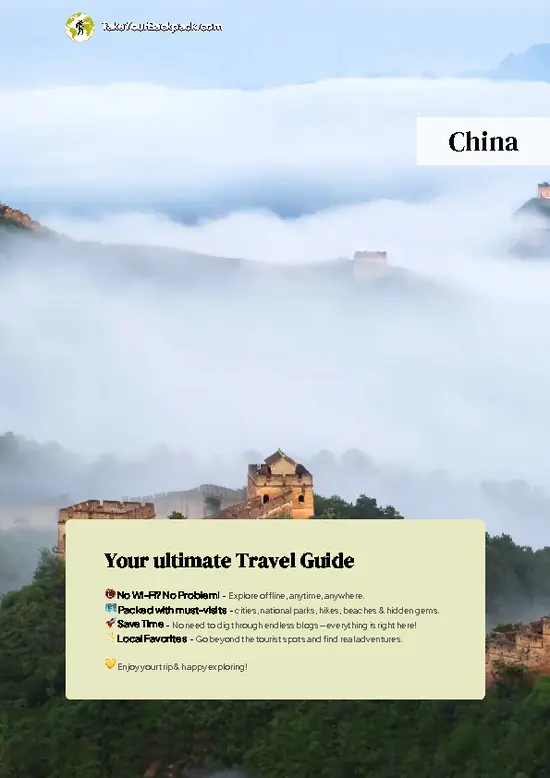
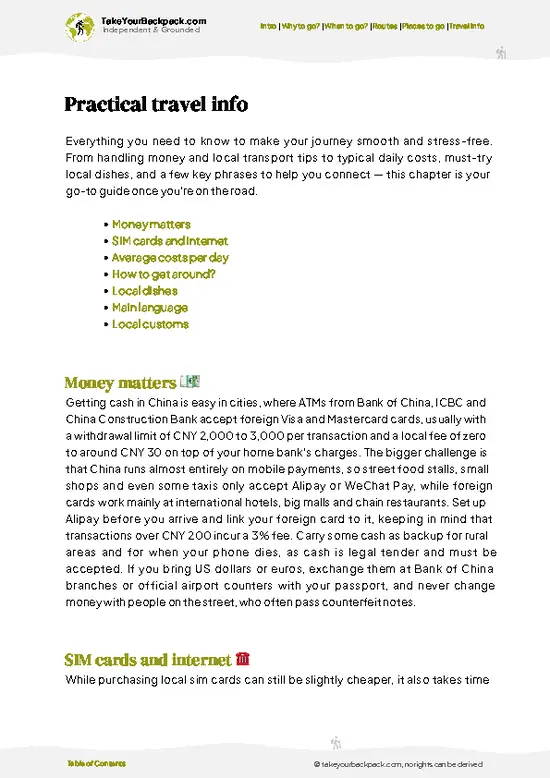
example page 0 from our offline Travel Guide for China
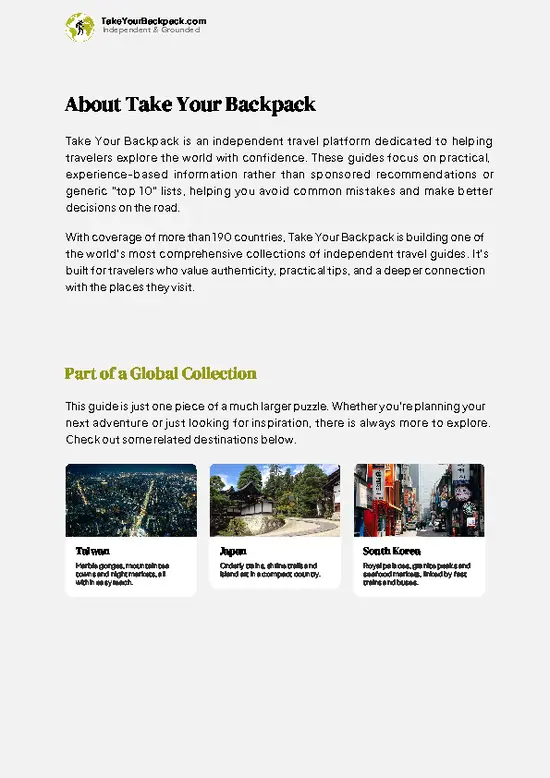
example page 1 from our offline Travel Guide for China
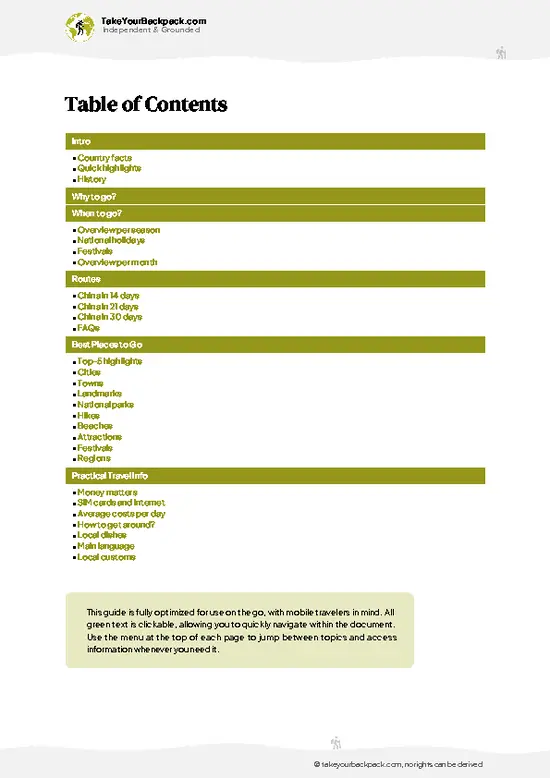
example page 2 from our offline Travel Guide for China
example page 3 from our offline Travel Guide for China
example page 4 from our offline Travel Guide for China
example page 5 from our offline Travel Guide for China
example page 6 from our offline Travel Guide for China
example page 7 from our offline Travel Guide for China
The digital guide (496 pages) contains:
139 highlights, ranked by travel appeal
Optimized 14, 21 & 30-day travel routes
Cities, national parks, landmarks, beaches
How to get around
Offline-friendly for travel without Wi-Fi
👉 Click to see all 30+ guide features

📅 Plan smarter in minutes, not weeks
Month by month travel advice
Festivals & national holidays
Budget expectations

🗺️ Go to the right places, skip the overrated ones
Honest pros & cons of destinations
Top hikes, parks & viewpoints
Lesser-known places most travelers miss
Clear “worth it vs skip it” guidance

🛏️ Travel smoothly without rookie mistakes
Best areas to stay
Transport systems explained simply
Common scams & safety advice
SIM cards, money & practical tips

🌍 Understand the country, not just visit it
Culture & traditions
52 Essential phrases & customs
Festivals worth planning around
Traveler-friendly historical context
Insights that make places more meaningful

📱 Built for real travel conditions
Fully downloadable PDF
Works completely offline
Optimized for phone use
Useful in remote areas & buses
Everything in one place
Save weeks of stressful planning
Get instant access to your full guide. 30‑day money-back guarantee.


By proceeding you agree to our terms.
Sent to your inbox immediately after payment • 100% Secure Checkout
Best Backpacking Travel Advisor 2025 tourism awardBest Backpacking
Travel Advisor
2025
What others say about Take Your Backpack Guides:
⭐⭐⭐⭐⭐
Fantastic, amazing amount of information!
⭐⭐⭐⭐⭐
My goodness this is amazing, it's what I've been looking for hats off too you!
⭐⭐⭐⭐⭐
I think this is absolutely BRILLIANT
⭐⭐⭐⭐
Very complete and informative. It's still missing places, but I gotta to commend you
⭐⭐⭐⭐⭐
This is truly amazing, thank you, can't wait to explore it with my kids!
⭐⭐⭐⭐⭐
Awesome resource, thank you!
⭐⭐⭐⭐⭐
This is amazing! Can't wait to explore the ones I haven't seen
⭐⭐⭐⭐
I love this! Well done, great idea.
⭐⭐⭐⭐⭐
Thanks for taking the time to make this gem!
⭐⭐⭐⭐⭐
This might be the best website I've ever seen.
⭐⭐⭐⭐⭐
Congratulations, and thank you so much for your work; it's incredibly valuable.
⭐⭐⭐⭐
In all seriousness I think you did a great job pointing out the important spots
⭐⭐⭐⭐⭐
10/10 very good
⭐⭐⭐⭐⭐
As someone who's only just starting to visit regularly this is awesome, thank you.
⭐⭐⭐⭐
Thank you very much! I'm going to visit my dad, it's going to be very useful!
⭐⭐⭐⭐⭐
This is really cool! We'll be travelling for the first time and this definitely come in handy.
⭐⭐⭐⭐⭐
You are now our minister of culture, congratulations 👨‍💼
⭐⭐⭐⭐⭐
Just wanted to tell you that this is a pearl! Going to follow your recommendations.
⭐⭐⭐⭐⭐
This is so cool. I'll definitely be using the resource for my travels soon.
⭐⭐⭐⭐⭐
This is very impressive! Good work.
⭐⭐⭐⭐⭐
This is an amazing and informative site. Very well done!

🛏️ Where to stay?Best areas to stay in China

Hangzhou’s best bet for backpackers is the area around Wushan and the nearby Hefang Street. This neighborhood nails the balance between budget and vibe. It’s safe, walkable, and packed with affordable guesthouses and hostels that cater to solo travelers and small groups. You’re not just crashing somewhere; you’re stepping into a lively hub where street food stalls, tea houses, and local markets buzz with energy. It’s social without being overwhelming, which is a rare find in a city this size.

Compared to the more upscale West Lake district, which leans heavily into comfort and price, Wushan offers … read more 👉
Hangzhou’s best bet for backpackers is the area around Wushan and the nearby Hefang Street. This neighborhood nails the balance between budget and vibe. It’s safe, walkable, and packed with affordable guesthouses and hostels that cater to solo travelers and small groups. You’re not just crashing somewhere; you’re stepping into a lively hub where street food stalls, tea houses, and local markets buzz with energy. It’s social without being overwhelming, which is a rare find in a city this size.

Compared to the more upscale West Lake district, which leans heavily into comfort and price, Wushan offers a more authentic, down-to-earth experience. You sacrifice some luxury and quiet for the chance to meet fellow travelers and locals alike. The area’s central location means you can easily hop on public transit or even walk to major sights, saving time and transport costs.

Avoid the industrial zones or the sprawling new business districts—they’re sterile and expensive, with little to offer the budget traveler beyond a place to sleep. Wushan’s mix of history, accessibility, and social buzz makes it the strategic choice for anyone who wants to maximize value without sacrificing comfort or connection.

🚌 Getting aroundHow to get around Hangzhou

Hangzhou moves with a rhythm that’s part ancient tradition, part modern hustle. It’s not a city where you’ll find everything running like clockwork, but it’s far from chaotic. Instead, it’s a dance between the old and new—where the metro hums on schedule, but the streets pulse with spontaneous energy. You’ll need to read the flow: some transit options reward patience and local savvy, others deliver speed and predictability. Knowing what you’re trading—time, money, or comfort—turns navigating Hangzhou into a strategic game, not a guessing ordeal.


  • Metro Line 1 & Line 2: Runs roughly from 6:00 AM to 10:30 PM, with trains every 6-8 minutes during peak hours. At 2-4 RMB per ride, it’s the fastest way to cover long distances across the city, offering air-conditioned comfort and reliable schedules.
read more 👉
Hangzhou moves with a rhythm that’s part ancient tradition, part modern hustle. It’s not a city where you’ll find everything running like clockwork, but it’s far from chaotic. Instead, it’s a dance between the old and new—where the metro hums on schedule, but the streets pulse with spontaneous energy. You’ll need to read the flow: some transit options reward patience and local savvy, others deliver speed and predictability. Knowing what you’re trading—time, money, or comfort—turns navigating Hangzhou into a strategic game, not a guessing ordeal.


  • Metro Line 1 & Line 2: Runs roughly from 6:00 AM to 10:30 PM, with trains every 6-8 minutes during peak hours. At 2-4 RMB per ride, it’s the fastest way to cover long distances across the city, offering air-conditioned comfort and reliable schedules. Perfect if you want to maximize your sightseeing time without breaking the bank.


  • Public Buses: Operating from about 5:30 AM to 10:00 PM, fares hover around 1-2 RMB, making buses the cheapest option. They’re slower and less predictable due to traffic, but they get you deep into neighborhoods the metro doesn’t reach. Expect standing room only during rush hours and a more local, immersive experience.


  • Shared Bikes (Hellobike, Mobike): Available 24/7, these electric and pedal bikes cost around 1-2 RMB per half hour. They offer unmatched flexibility for short trips and let you explore at your own pace. The trade-off is physical effort and occasional challenges finding parking spots near busy areas.


  • Walking: Hangzhou’s compact historic districts, especially around West Lake, reward walking with rich sensory details you’d miss zooming by. It costs nothing but time and energy—so factor in your stamina and weather. Walking lets you control your pace and soak in the city’s layers, but it’s not practical for long distances or tight schedules.


  • Taxi and Ride-Hailing (Didi): Available 24/7, fares start around 10 RMB for short trips but can spike during peak hours or bad weather. Taxis offer door-to-door convenience and comfort but at a higher cost and variable wait times. Best for late-night returns or when you’re carrying heavy gear.

👛 Costs (as of 29 January 2025)Travel costs and budget guide for Hangzhou

Backpacking in Hangzhou offers a fascinating blend of affordability and comfort, but knowing where your money goes helps you play the system smartly.
  • Dorm Accommodation (High Season): Expect to pay around $10-$15 per night in popular hostels during peak tourist months (spring and autumn). These dorms are basic but clean, often with air conditioning and decent Wi-Fi.
  • Dorm Accommodation (Off-Season): In the quieter winter months, prices drop to about $6-$10. You might find fewer amenities or older facilities, but it’s a solid trade-off if you want to save.
  • Meals: Street food and local eateries dominate here. Budget around $5-$8 per day if you stick to staples like noodles, dumplings, and rice dishes. Splurging on a nicer meal at a mid-range restaurant can push this to $10-$15.
  • Local Transport:
read more 👉
Backpacking in Hangzhou offers a fascinating blend of affordability and comfort, but knowing where your money goes helps you play the system smartly.
  • Dorm Accommodation (High Season): Expect to pay around $10-$15 per night in popular hostels during peak tourist months (spring and autumn). These dorms are basic but clean, often with air conditioning and decent Wi-Fi.
  • Dorm Accommodation (Off-Season): In the quieter winter months, prices drop to about $6-$10. You might find fewer amenities or older facilities, but it’s a solid trade-off if you want to save.
  • Meals: Street food and local eateries dominate here. Budget around $5-$8 per day if you stick to staples like noodles, dumplings, and rice dishes. Splurging on a nicer meal at a mid-range restaurant can push this to $10-$15.
  • Local Transport: Single bus or metro rides cost roughly $0.30-$0.50. If you’re hopping around a lot, individual fares add up quickly.
  • City Transport Pass: A day pass for unlimited metro and bus rides runs about $3-$4. This is a no-brainer if you plan to explore extensively in a single day.
  • Basic Activities/Entry Fees: Many temples and parks charge entry fees between $2 and $8. The famous West Lake area is mostly free, but boat rides or special exhibitions can cost $5-$10.
  • Miscellaneous Expenses: Budget $2-$5 for bottled water, snacks, or small souvenirs. Internet cafes or laundry services might add a few dollars here and there.

Hangzhou’s daily backpacking budget typically falls between $20 and $35, depending on your season and activity choices. The key trade-off is clear: spending a bit more on accommodation or transport can save time and hassle, while scrimping means more walking and slower travel. Knowing these numbers lets you decide if you want to stretch your legs or your wallet—and that’s how you win the game.
⚠️ Prices can change and everyone travels differently, so take this as a rough guide. Hope it helps you plan your adventure!

🚌 Day tripsWhere to go beyond the main area

Hangzhou is a fantastic launchpad for day trips that pack a punch without draining your wallet or time. Here are some standout options that will enrich your experience.

West Lake Cycling Tour
Just a short ride from the city center, West Lake is a must-see. Rent a bike and pedal around the lake’s perimeter, soaking in the views of willow trees and traditional pagodas. The ride is about 15 kilometers, taking roughly two hours, but you’ll want to stop for photos and snacks. Budget around 50 RMB for bike rental and snacks. Spring and autumn are ideal for mild weather and fewer crowds. A common mistake? Skipping the lesser-known paths that lead to quieter spots.


Lingyin Temple and Fei Lai Feng
A 30-minute bus ride from Hangzhou, Lingyin Temple offers a serene escape. This ancient Buddhist … read more 👉
Hangzhou is a fantastic launchpad for day trips that pack a punch without draining your wallet or time. Here are some standout options that will enrich your experience.

West Lake Cycling Tour
Just a short ride from the city center, West Lake is a must-see. Rent a bike and pedal around the lake’s perimeter, soaking in the views of willow trees and traditional pagodas. The ride is about 15 kilometers, taking roughly two hours, but you’ll want to stop for photos and snacks. Budget around 50 RMB for bike rental and snacks. Spring and autumn are ideal for mild weather and fewer crowds. A common mistake? Skipping the lesser-known paths that lead to quieter spots.


Lingyin Temple and Fei Lai Feng
A 30-minute bus ride from Hangzhou, Lingyin Temple offers a serene escape. This ancient Buddhist temple is surrounded by lush hills and intricate stone carvings. Entry is about 45 RMB, and you can easily spend a few hours exploring. The best time to visit is early morning to avoid the tour groups. Many first-timers overlook the nearby Fei Lai Feng, where you can find stunning rock carvings and a peaceful atmosphere.


Xitang Water Town
About an hour away by bus, Xitang is a charming water town that feels like stepping back in time. Stroll along the canals, sample local snacks, and admire the traditional architecture. Expect to spend around 100 RMB for transport and snacks. The best time to visit is during weekdays to dodge the crowds. A rookie mistake? Trying to see everything in one go; take your time to soak in the ambiance.


Longjing Tea Fields
Just a 30-minute ride from Hangzhou, the Longjing tea fields are a treat for the senses. Wander through the lush green hills and learn about tea production. A guided tour costs around 80 RMB, including tastings. Spring is prime time for tea picking, but the fields are beautiful year-round. Many newcomers rush through; linger and enjoy the tranquility.
Want to know what more China offers?
The China Travel Guide describes 139 highlights, from cities to national parks, from beaches to hikes

Get the Travel Guide -

🍲 FoodLocal Cuisine & Drinks

In Hangzhou, the culinary scene is a feast for the senses. You can’t miss the West Lake Fish in Vinegar Gravy, a dish that balances sweet and sour with a hint of local vinegar. Pair it with Longjing tea, renowned for its delicate flavor and rich history.

Street food is where the magic happens. Wander through bustling markets, where vendors serve up scallion pancakes and stinky tofu—yes, it’s an acquired taste, but worth the adventure. The aroma of grilled meats fills the air, drawing you in like a moth to a flame.

Casual eateries are everywhere, often packed with locals. Don’t be shy; grab a seat at a communal table. It’s common to share dishes, so dive into a variety of flavors.

When it comes to drinking, tea culture reigns supreme. Expect to see locals savoring their brews with quiet … read more 👉
In Hangzhou, the culinary scene is a feast for the senses. You can’t miss the West Lake Fish in Vinegar Gravy, a dish that balances sweet and sour with a hint of local vinegar. Pair it with Longjing tea, renowned for its delicate flavor and rich history.

Street food is where the magic happens. Wander through bustling markets, where vendors serve up scallion pancakes and stinky tofu—yes, it’s an acquired taste, but worth the adventure. The aroma of grilled meats fills the air, drawing you in like a moth to a flame.

Casual eateries are everywhere, often packed with locals. Don’t be shy; grab a seat at a communal table. It’s common to share dishes, so dive into a variety of flavors.

When it comes to drinking, tea culture reigns supreme. Expect to see locals savoring their brews with quiet reverence. Remember, it’s polite to offer tea to others before pouring for yourself. Embrace the rhythm of sharing and savoring; it’s all part of the Hangzhou experience.

🛡️ SafetyTraveler Safety Guide

Hangzhou is generally safe, but like any city, it has its quirks. Stay alert in crowded areas like West Lake and the night markets, where pickpockets might lurk. If you’re solo, avoid wandering too far off the beaten path after dark; stick to well-lit streets and populated areas.

Common scams include overly friendly locals offering unsolicited help or guiding you to shops where they earn a commission. Politely decline and keep moving.

Annoyances can pop up, like aggressive street vendors or persistent taxi drivers. A firm but friendly “no, thank you” usually does the trick. Carry a small amount of cash for convenience, but keep your valuables secure and out of sight. Stay aware, and you’ll navigate Hangzhou with ease.

Other Chinese cities near Hangzhou

Explore more nearby:

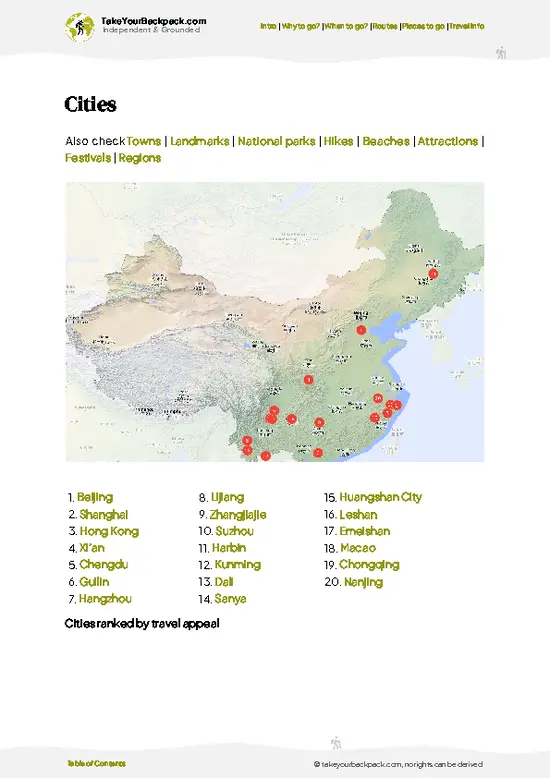
  • Suzhou—classical gardens, silk workshops, canal streets| 121 km away
  • Shanghai—Bund waterfront, Art Deco, global cuisine| 165 km away
  • Huangshan City—mountain gateway, Huizhou villages, ink painting scenery| 186 km away

💡 Not sure where to go next?
Create a personalized itinerary for China including Hangzhou and the places that fit your trip.

Generate my itinerary

👉 Discover all cities

Or checkout all China has to offer (think cities, towns, villages, national parks, hikes, beaches, festivals)
Country photo of China

We 💚 feedbackIs it worth it?

Hangzhou is a treasure trove of culture and natural beauty, especially the West Lake at sunrise—it’s a scene that sticks with you. But be ready for crowds, especially on weekends. The vibrant energy can be exhilarating, but it can also feel overwhelming. Embrace the chaos; it’s part of the experience. Just know that your peaceful moments might require some strategic timing.

✈️ When did I visit China?
As part of my 1.5 year travel around the world trip, I visited China in August 2015, coming from Mongolia by the TransMongolia Express.

✍️ Help improve this page!
The information on this page is based on my own backpacking experience in China, supplemented with up-to-date research and feedback from other travelers. Travel details can change, so if you notice anything outdated or incomplete, feel free to let me know.


🙋‍♂️ Give feedback

👋 Meet the founderWho’s Behind Take Your Backpack?

Johan, backpacker and founder of TakeYourBackpackHi, I’m Johan (Netherlands 🇳🇱), the creator of TakeYourBackpack. Over the past decade, I’ve backpacked through 80+ countries across six continents, gaining extensive experience with independent travel, long-term trips, and overland routes.

This site is built on a combination of firsthand travel experience and carefully curated insights from other backpackers. Many guides are based on places I’ve personally visited, while others bring together tips, observations, and practical advice shared by trusted travelers I’ve met along the way.

The goal is to provide realistic, experience-driven guidance — not generic itineraries — so you can explore destinations with better context, clearer expectations, and more confidence.

Get full China guide •
Instant download • 139 highlights • Full Offline guide