v2.webp)
- Ming Xiaoling Mausoleum (紫金山明孝陵) — A UNESCO-listed Ming tomb tucked into Purple Mountain with giant stone sculptures (the Sacred Way) and a serene woodland setting; great for history buffs and for someone who likes architecture without the city noise.
- Sun Yat-sen Mausoleum (中山陵) — Monumental stairs, tidy memorial halls and a sweeping view over the city from the top. Climbing the steps is almost a local ritual; go early to avoid tour buses and enjoy the quiet temple gardens.
- Zhonghua Gate (中华门城堡) — The best-preserved section of Nanjing’s Ming city wall and a defensive fortress you can actually walk through and on. The scale is impressive, plus the tunnels and ramparts make for a surprisingly fun, hands-on history lesson.
- Nanjing Massacre Memorial Hall (侵华日军南京大屠杀遇难同胞纪念馆) — Heavy but essential:
- Ming Xiaoling Mausoleum (紫金山明孝陵) — A UNESCO-listed Ming tomb tucked into Purple Mountain with giant stone sculptures (the Sacred Way) and a serene woodland setting; great for history buffs and for someone who likes architecture without the city noise.
- Sun Yat-sen Mausoleum (中山陵) — Monumental stairs, tidy memorial halls and a sweeping view over the city from the top. Climbing the steps is almost a local ritual; go early to avoid tour buses and enjoy the quiet temple gardens.
- Zhonghua Gate (中华门城堡) — The best-preserved section of Nanjing’s Ming city wall and a defensive fortress you can actually walk through and on. The scale is impressive, plus the tunnels and ramparts make for a surprisingly fun, hands-on history lesson.
- Nanjing Massacre Memorial Hall (侵华日军南京大屠杀遇难同胞纪念馆) — Heavy but essential: sober exhibits, survivor testimony and preserved evidence that explain a dark chapter of 20th-century history. Allow time and emotional space; it’s a museum that stays with you.
- Confucius Temple & Qinhuai River (夫子庙·秦淮河) — A lively stretch of restored streets, riverside boats and food stalls that show Nanjing’s old commercial heart. Best at night when lanterns and river boats turn the area into an atmospheric maze of snacks and small shops.
- Xuanwu Lake Park (玄武湖公园) — Five islands, walking paths, pagodas and boat rentals right by the city center. It’s where locals jog, practice tai chi and picnic—perfect for a relaxed afternoon away from museums and gates.
- Nanjing Yangtze River Bridge (南京长江大桥) — An icon of 1960s Chinese engineering with a pedestrian path and decent river views. Go for the raw industrial vibe and the chance to watch barges on China’s biggest waterway.
- Stone City / Shitou Cheng (石头城遗址) — Ruins and rock outcrops with bits of ancient wall and sweeping views over the old city and river. It’s quieter than the main tourist spots and gives a real sense of how layered Nanjing’s history is.
- Presidential Palace (总统府) — A sprawling compound that traces Nanjing’s role as capital across several eras: Qing offices, Republic of China administration and Taiping artifacts. Lots of rooms, gardens and plaques—good for political history buffs and casual wanderers alike.
- Laomendong Historic Block (老门东) — A restored but still lively neighborhood of narrow lanes, craft shops, teahouses and street food near the Confucius Temple area. It’s one of the better spots to see how old streets have been repurposed for modern city life without being a pure shopping mall.
Spotted a mistake or missing something? Contact us.

Flexible Private Nanjing City Highlights Day Tour

All Inclusive Nanjing City Private Day Tour with Tailor-Made Highlights

Half-Day Private Customized Nanjing City Tour

Nanjing Private English Tour Guide Service

Private Day Tour to Niushoushan Cultural Park in Nanjing

Nanjing Professional and Private Tour Guide Service

Nanjing By Night: Qinghuai River Cruise with Authentic Dining Experience

Nanjing Professional English Tour Guide Service

6-Hour Private Tour of Xiaoling Tomb,City Wall & Memorial Hall


 Best Backpacking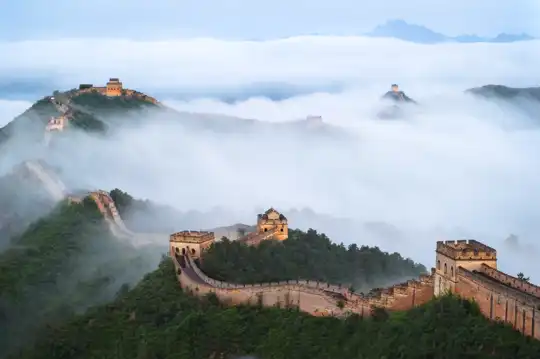
.jpg) Hi, I’m Johan (Netherlands 🇳🇱), the creator of TakeYourBackpack. Over the past 3 decades, I’ve backpacked through 90+ countries across six continents, gaining extensive experience with independent travel, long-term trips, and overland routes.
Hi, I’m Johan (Netherlands 🇳🇱), the creator of TakeYourBackpack. Over the past 3 decades, I’ve backpacked through 90+ countries across six continents, gaining extensive experience with independent travel, long-term trips, and overland routes.