v2.webp)
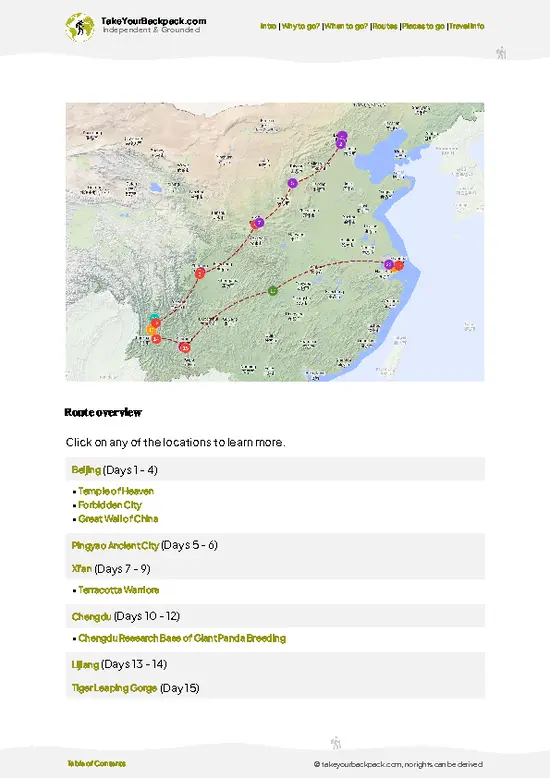
- Humble Administrator’s Garden (Zhuozheng Yuan) — The city’s largest classical garden: winding ponds, carved pavilions and layered views that define Suzhou garden design. It’s beautiful, crowded, and still manages to feel like a lesson in quiet landscape craft.
- Lingering Garden (Liu Yuan) — A UNESCO-listed garden with compact, clever use of space and a mix of architecture, rockwork and plants that feels almost theatrical; excellent for seeing how Huangshan rocks and courtyard layout create different moods.
- Master of the Nets Garden (Wangshi Yuan) — Small but perfectly formed, this is the quick, intense version of a Suzhou garden: intimate walkways, mirrored water, and viewpoint tricks that show why China’s garden-makers were pros at illusion.
- Lion Grove Garden (Shizilin) — Famous for its
- Humble Administrator’s Garden (Zhuozheng Yuan) — The city’s largest classical garden: winding ponds, carved pavilions and layered views that define Suzhou garden design. It’s beautiful, crowded, and still manages to feel like a lesson in quiet landscape craft.
- Lingering Garden (Liu Yuan) — A UNESCO-listed garden with compact, clever use of space and a mix of architecture, rockwork and plants that feels almost theatrical; excellent for seeing how Huangshan rocks and courtyard layout create different moods.
- Master of the Nets Garden (Wangshi Yuan) — Small but perfectly formed, this is the quick, intense version of a Suzhou garden: intimate walkways, mirrored water, and viewpoint tricks that show why China’s garden-makers were pros at illusion.
- Lion Grove Garden (Shizilin) — Famous for its crazy maze of scholar’s rocks you can clamber through; brings a playful, adventurous energy that’s different from the serene ponds elsewhere.
- Suzhou Museum — I.M. Pei’s minimalist architecture sitting beside the Humble Administrator’s Garden houses decent regional artifacts; the building itself is worth the visit if you like modern design mixed with old-city context.
- Tiger Hill (Hu Qiu) — A layered historic site with the leaning Yunyan Pagoda, ancient burial mounds and picturesque slopes; good for history, city views, and a different, greener side of Suzhou.
- Pingjiang Road Historic District — A living canal neighborhood where you can actually see daily life: teahouses, narrow alleys, small museums and old homes right on the water — best for slow wandering and people-watching.
- Shantang Street — Long canal street with old bridges, traditional shops and boat rides; it’s livelier than Pingjiang and offers a strong sense of Suzhou’s commercial river history.
- Panmen Scenic Area (Pan Gate & City Wall) — The surviving city gate, the Ruiguang Pagoda and fragments of the ancient wall give you a tangible feel for Suzhou’s old defenses and urban layout, not just pretty gardens.
- Suzhou Silk Museum / Suzhou Silk Factory — Suzhou made its name on silk; this place explains the process, shows historic garments and lets you see modern silk work — a good mix of craft history and hands-on displays.
Spotted a mistake or missing something? Contact us.

Unveil Suzhou's Essence: Ultimate Private Day Tour

Suzhou Alleyway Walking Food Tour

Suzhou Private Flexible City Tour with Lunch Option

Private Flexible Suzhou City Tour with Tongli or Zhouzhuang Water Town Options

4-Hour Suzhou Private Customized Tour

Suzhou and Zhouzhuang Water Village Private Day Tour with Lunch

4-Hour Tongli Water Town Private Tour from Suzhou with Boat Ride

4-Hour Flexible Suzhou City Highlights Private Tour

Tongli and Zhouzhuang Water Town Private Day Tour from Suzhou


 Best Backpacking
.jpg) Hi, I’m Johan (Netherlands 🇳🇱), the creator of TakeYourBackpack. Over the past 3 decades, I’ve backpacked through 90+ countries across six continents, gaining extensive experience with independent travel, long-term trips, and overland routes.
Hi, I’m Johan (Netherlands 🇳🇱), the creator of TakeYourBackpack. Over the past 3 decades, I’ve backpacked through 90+ countries across six continents, gaining extensive experience with independent travel, long-term trips, and overland routes.