v2.webp)
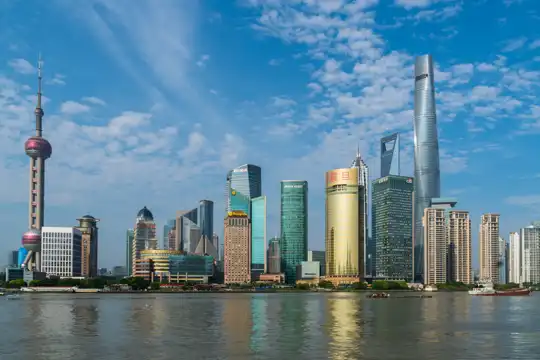
- The Bund (Waitan) — Shanghai’s waterfront parade of colonial-era buildings facing the futuristic Pudong skyline; best for a riverside walk at sunrise or night when the lights make the city feel cinematic.
- Yuyuan Garden & Old City Bazaar — a compact Ming dynasty garden with classical pavilions, rockeries and koi, surrounded by a bustling bazaar where you can sample local snacks and see traditional crafts.
- Shanghai Museum (People’s Square) — world-class displays of Chinese bronzes, ceramics, calligraphy and robes in a building whose layout makes it easy to get a real sense of China’s material history in a few hours.
- Shanghai Tower (Lujiazui observation deck) — the city’s tallest building with dizzying views and a cooling, modern contrast to the Bund’s old stones; book ahead for sunset if
- The Bund (Waitan) — Shanghai’s waterfront parade of colonial-era buildings facing the futuristic Pudong skyline; best for a riverside walk at sunrise or night when the lights make the city feel cinematic.
- Yuyuan Garden & Old City Bazaar — a compact Ming dynasty garden with classical pavilions, rockeries and koi, surrounded by a bustling bazaar where you can sample local snacks and see traditional crafts.
- Shanghai Museum (People’s Square) — world-class displays of Chinese bronzes, ceramics, calligraphy and robes in a building whose layout makes it easy to get a real sense of China’s material history in a few hours.
- Shanghai Tower (Lujiazui observation deck) — the city’s tallest building with dizzying views and a cooling, modern contrast to the Bund’s old stones; book ahead for sunset if you want the skyline glow.
- M50 Art District (Moganshan Road) — working galleries and artist studios in converted factories; great for contemporary Chinese art, street murals and chatting with curators without the formality of a museum.
- Longhua Temple & Pagoda — Shanghai’s oldest temple complex, quieter than the tourist spots and worth visiting during a weekday morning to hear monks, incense and old-city rituals.
- Former French Concession (tree-lined lanes & shikumen) — wander the leafy streets and shikumen alleys to see the city’s residential soul: cafés, bookstores, boutique shops and residents doing tai chi or grocery runs.
- Tianzifang (Taikang Road lanes) — narrow, creative alleyways packed with small design shops, studios and cafés; more touristy now, but still a good microcosm of Shanghai’s lane-house reinvention.
- Propaganda Poster Art Centre — a small, private collection of Cultural Revolution-era posters and ephemera; it’s oddly vivid and one of the few places that shows how modern visual culture was shaped in 20th-century China.
- Shanghai Jewish Refugees Museum (Hongkou) — the restored Ohel Moishe synagogue and exhibits about the 20th-century Jewish refugee community; moving, well-documented, and a side of Shanghai history many visitors miss.
Spotted a mistake or missing something? Contact us.

Shanghai Breakfast Walking Tour of Former French Concession
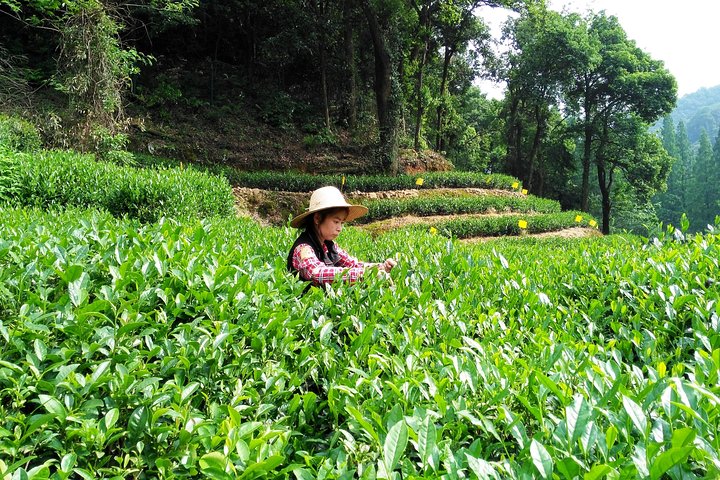
Hangzhou Private Customized Day Trip from Shanghai by Bullet Train

Wuzhen and Xitang Water Town Private Full Day Trip from Shanghai with Lunch and Dinner

2-Hour Chinese Calligraphy with an Artist in Shanghai, China

Beijing Great Wall Private Day Tour from Shanghai by Bullet Train

Shanghai Food and Culture Tour with 10 dishes and 5 eateries

Small-Group Shanghai's Old City Walking Exploration

Zhujiajiao Water Town Tour from Shanghai with Boat Ride Option

Shanghai City Walking Tour

 Best Backpacking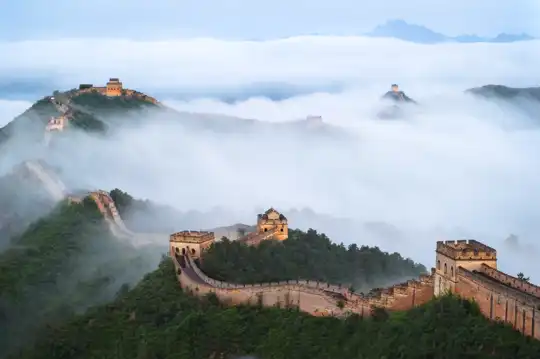
.jpg) Hi, I’m Johan (Netherlands 🇳🇱), the creator of TakeYourBackpack. Over the past 3 decades, I’ve backpacked through 90+ countries across six continents, gaining extensive experience with independent travel, long-term trips, and overland routes.
Hi, I’m Johan (Netherlands 🇳🇱), the creator of TakeYourBackpack. Over the past 3 decades, I’ve backpacked through 90+ countries across six continents, gaining extensive experience with independent travel, long-term trips, and overland routes.