×

China🇨🇳 | regionsShangri-La regionTibetan villages, alpine lakes, prayer flags | things to do and best time to go

Explore Qinghai Hoh XilExplore Sichuan Giant Panda Sanctuaries

Backpacking in Shangri-La region
🏆 Top pickregion ranked #4
By Johan Kruseman 🇳🇱 | Updated June 1, 2026

Most people only realize on the bus out of town that Shangri-La is where you can still get big-mountain drama on a Yunnan budget, instead of Tibet prices and permits. The Shangri-La region sits in northwestern Yunnan, brushing up against Tibet and Sichuan, and it feels like a pressure valve after the chaos of Kunming or Lijiang. You get snow peaks, deep gorges, Tibetan monasteries, yak-studded grasslands, and enough treks to keep you busy for a week, but beds, food, and buses are still relatively cheap if you avoid Chinese holiday weeks. The catch: distances are long, buses are slow, and altitude can smack you in the first 24 hours. Compared with Dali or Lijiang, it’s rougher, colder, less polished, and far less Instagram-choreographed. That’s exactly why it feels more real—and why you’ll wish you’d budgeted extra days.

Discover everything you want to know in the 📖 China Travel Guide.


Get your China guide
139 ranked highlights, routes & tips, works offline (496 pages)
Loading the map 🌍
CLICK TO FILTER
cities
towns
landmarks
national parks
hikes
beaches
attractions
festivals
regions
SHOW COUNTRY’S BESTSHOW ALL

✨ Why go?
Ranked #4 region in China
What makes it a must-see region

In the Shangri-La region of China, backpackers find a treasure trove of experiences that blend nature and culture seamlessly. You can explore diverse landscapes—from snow-capped mountains to lush valleys—without the hassle of constant relocation. This area is a slow travel paradise, allowing you to soak in the local vibe at your own pace.

Transport options are surprisingly flexible, making it easy to hop between villages and monasteries. You can sip butter tea with locals one day and trek through ancient forests the next. The real magic lies in the ability to mix adventure with authentic cultural encounters. It’s a chance to dive deep into the heart of Tibetan culture while surrounded by breathtaking scenery. This is where your time, money, and comfort converge into high-value experiences.
Want to include Shangri-La region in your China route?
Create a personalized China itinerary that includes Shangri-La region and the places that fit your trip — based on your travel style, budget, and available time. Get your route in seconds.

Generate my trip

💡 HighlightsMust-see experiences and standout moments

  • Songzanlin Monastery (Ganden Sumtseling Gompa) — The largest Tibetan Buddhist monastery in Yunnan, with dense prayer halls, butter-lamp rooms and a steep kora path around the hill. Its mix of Chinese and Tibetan architecture, plus regular pujas, gives a clear sense of local spiritual life you won’t get from a postcard photo.
  • Dukezong Ancient Town — A compact, rebuilt old town of wooden lanes, prayer wheels and rooftop views over the valley. Walk the back alleys at dusk, listen for the bells, and you’ll see how Tibetan, Han and Naxi cultures mesh in everyday life.
  • Pudacuo National Park (Shudu & Shangri-La Lakes) — High-altitude lakes, mossy forests and boardwalks over peat bogs make this one of China’s most accessible alpine ecosystems. The contrast of clear lakes and thick pine forest
read more 👉
  • Songzanlin Monastery (Ganden Sumtseling Gompa) — The largest Tibetan Buddhist monastery in Yunnan, with dense prayer halls, butter-lamp rooms and a steep kora path around the hill. Its mix of Chinese and Tibetan architecture, plus regular pujas, gives a clear sense of local spiritual life you won’t get from a postcard photo.
  • Dukezong Ancient Town — A compact, rebuilt old town of wooden lanes, prayer wheels and rooftop views over the valley. Walk the back alleys at dusk, listen for the bells, and you’ll see how Tibetan, Han and Naxi cultures mesh in everyday life.
  • Pudacuo National Park (Shudu & Shangri-La Lakes) — High-altitude lakes, mossy forests and boardwalks over peat bogs make this one of China’s most accessible alpine ecosystems. The contrast of clear lakes and thick pine forest is the region’s natural signature; expect birdlife and quick altitude-aware hikes.
  • Bita Lake (Bita Hu) — hidden gem — Less-visited than the main Pudacuo loops, Bita is a mirror-like lake ringed by birch and fir with far fewer day-trippers. It feels intimate and Tibetan: perfect for a quiet walk, photos without crowds, and spotting waterfowl.
  • Napahai / Ganhaizi Wetland (the seasonal grassland) — My personal favorite. In spring and early summer the wetland floods into a blue-green lake dotted with grazing yaks and wildflowers; in autumn it becomes vast gold pasture. Locals come here to herd, picnic, and sing — you can join a short horse ride or just watch the sky expand over the plain.
  • Shika (Xika) Snow Mountain — A short drive from town takes you up into alpine pastures with prayer flags, a cable car and sunrise views over the valley. It’s an easy taste of alpine hiking and mani-wall culture without committing to a full mountaineering trip.
  • Baishuitai / White Water Terraces — hidden gem — Terraced travertine pools fed by limestone springs, smaller and quieter than Huanglong but very local. The walk between pools, the pine-smelling air and nearby Tibetan hamlets make it a refreshingly unpolished stop.
  • Tibetan homestay and horse-trek on the grasslands — hidden gem — Instead of staying in a guesthouse, book a night with a nomad family near Napahai: simple yak-butter tea, a heated stove, and a dawn horse ride across the pasture. It’s the fastest route from “seeing Tibet” to actually living a few hours in it.
  • Dukezong rooftop prayer-wheel loop & sunset viewpoint — Climb the low hill behind the old town to spin hand-sized prayer wheels and watch the sun hit Songzanlin and the valley. Tourists stream the main streets, but the rooftop circuit is where locals do their kora and where the town’s rhythms feel real.
  • Local weekly markets and satellite Tibetan villages — A visit to a farmers’ market (check local days) or a short trip to a nearby village gives the best food and fabric shopping: dried yak cheese, hand-woven aprons, spices and live barter. Markets are when language barriers shrink — bring small notes, patience and bargaining sense.
Spotted a mistake or missing something? Contact us.

Things to do around Shangri-La region

Ratings based on Tripadvisor reviews. When you book through this link, you support our work at no extra cost to you.

⌛️ 5 daysSeeing the highlights in 5 days

Day 1: Lijiang
Lijiang is your launchpad. Fly in, soak up the ancient town’s charm, and get your bearings. The cobblestone streets are a maze, but that’s part of the fun. Spend the day wandering, tasting local dishes like yak meat and enjoying the vibrant market scene. This sets the tone for your adventure.

Day 2: Lijiang to Shangri-La
Take a bus to Shangri-La. It’s about a two-hour ride, but the scenery is a feast for the eyes. You’ll see terraced fields and snow-capped peaks. Arrive in the afternoon and explore the old town. The Tibetan culture here is palpable, and you’ll want to soak it in.

Day 3: Shangri-La
Dedicate this day to the Songzanlin Monastery. It’s a short ride from town, and the architecture is stunning. Spend time in the monastery and hike around the nearby Napa … read more 👉
Day 1: Lijiang
Lijiang is your launchpad. Fly in, soak up the ancient town’s charm, and get your bearings. The cobblestone streets are a maze, but that’s part of the fun. Spend the day wandering, tasting local dishes like yak meat and enjoying the vibrant market scene. This sets the tone for your adventure.

Day 2: Lijiang to Shangri-La
Take a bus to Shangri-La. It’s about a two-hour ride, but the scenery is a feast for the eyes. You’ll see terraced fields and snow-capped peaks. Arrive in the afternoon and explore the old town. The Tibetan culture here is palpable, and you’ll want to soak it in.

Day 3: Shangri-La
Dedicate this day to the Songzanlin Monastery. It’s a short ride from town, and the architecture is stunning. Spend time in the monastery and hike around the nearby Napa Lake. This is where you’ll feel the spiritual heartbeat of the region.

Day 4: Shangri-La to Meili Snow Mountain
Head to Meili Snow Mountain. It’s a longer journey, but the views are worth every minute. You’ll feel the altitude, but the breathtaking landscapes will keep you motivated. This is a photographer’s paradise.

Day 5: Off-Path Reward - Deqin
Take a detour to Deqin. It’s a bit off the main route, but you’ll find fewer tourists and more authentic experiences. The local hospitality is unmatched, and you might even catch a glimpse of the sunrise over the mountains.

The must-do day? Day 3 in Shangri-La. It’s where the culture, spirituality, and stunning landscapes converge, making it the heart of your journey.
Turn your Shangri-La region visit into an China adventure
Build a complete China route with Shangri-La region, hidden gems, must-see destinations, and realistic travel times included.

Generate my trip

🌤️ When to go?When to go for the best experience


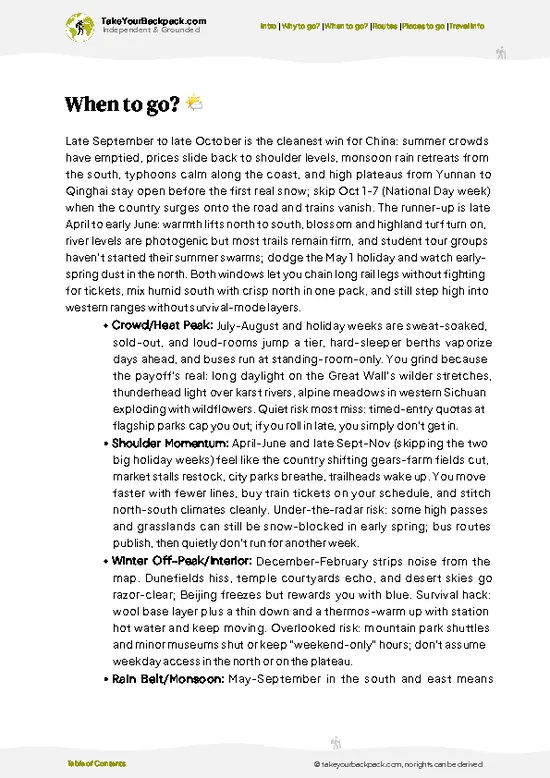
  • Weather: The best window is late spring (May-June) and early autumn (September-October). You dodge the heavy monsoon rains that flood trails and the bitter cold that grips winter. Summer can be wet and muddy, while winter drops temps below freezing, making some paths treacherous.

  • Temperature: Spring and autumn days hover around a comfortable 15-20°C (59-68°F), perfect for hiking without overheating or freezing. Nights can dip to 5°C (41°F), so pack layers. Winter nights plunge below -10°C (14°F), not ideal unless you’re geared for serious cold.

  • Daylight Hours: Spring and autumn offer roughly 10-12 hours of daylight—enough to hit the trails early and still have time to soak in the views without rushing. Winter days shrink to 8 hours, cutting your trekking time short.

  • Crowds: Peak summer
read more 👉

  • Weather: The best window is late spring (May-June) and early autumn (September-October). You dodge the heavy monsoon rains that flood trails and the bitter cold that grips winter. Summer can be wet and muddy, while winter drops temps below freezing, making some paths treacherous.

  • Temperature: Spring and autumn days hover around a comfortable 15-20°C (59-68°F), perfect for hiking without overheating or freezing. Nights can dip to 5°C (41°F), so pack layers. Winter nights plunge below -10°C (14°F), not ideal unless you’re geared for serious cold.

  • Daylight Hours: Spring and autumn offer roughly 10-12 hours of daylight—enough to hit the trails early and still have time to soak in the views without rushing. Winter days shrink to 8 hours, cutting your trekking time short.

  • Crowds: Peak summer and Chinese national holidays bring a flood of tourists, turning serene paths into busy highways. Shoulder seasons keep the crowds thin, giving you that rare feeling of solitude in a famously mystical place.

  • Seasonal Activities: Autumn is prime for witnessing the golden larches and local harvest festivals, while spring bursts with rhododendrons and wildflowers. Winter offers snow-covered landscapes but limited access to some areas.

  • Price Fluctuations: Expect accommodation and transport prices to spike during summer and major holidays. Booking in shoulder seasons can save you a solid 20-30%, plus you get better room choices and more flexible schedules.


Pro-tip: Arrive just before the main tourist wave in late April or late September—trails are quiet, prices are friendlier, and the weather is playing nice. You’ll feel like you’ve got Shangri-La all to yourself.


source: climatestotravel.comJANJanuary: below average for travelingFEBFebruary: below average for travelingMARMarch: fair for travelingAPRApril: highly recommended for travelingMAYMay: excellent for travelingJUNJune: excellent for travelingJULJuly: fair for travelingAUGAugust: fair for travelingSEPSeptember: excellent for travelingOCTOctober: excellent for travelingNOVNovember: good for travelingDECDecember: below average for traveling
china-region-shangri-la-region
© Google |

✈️ The backpacker research shortcutChina Travel Guide

An offline-friendly backpacking guide with optimized travel routes, ranked highlights, transport advice, and the best areas to stay.
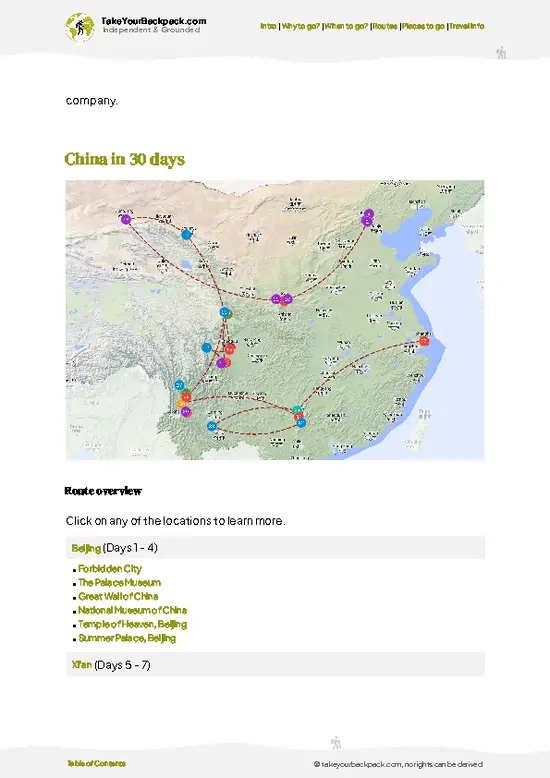
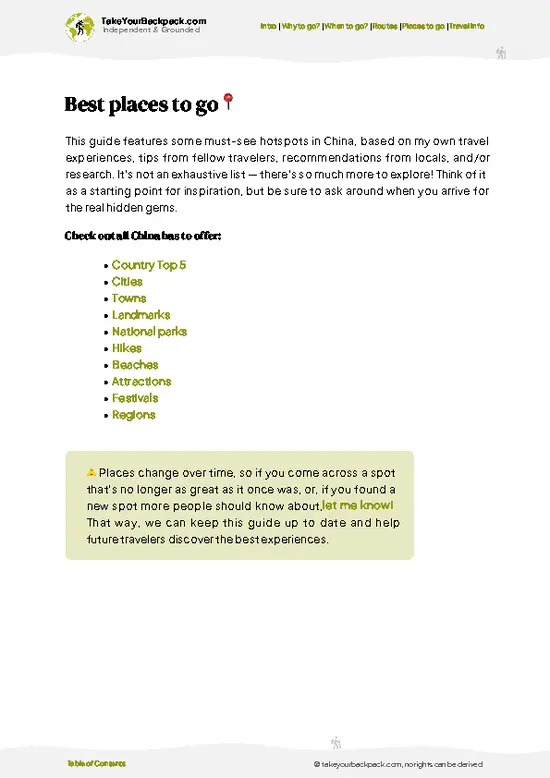
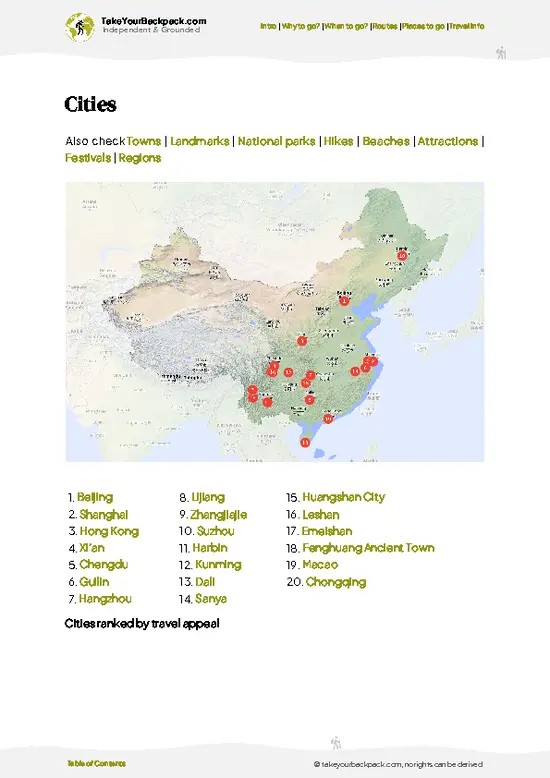
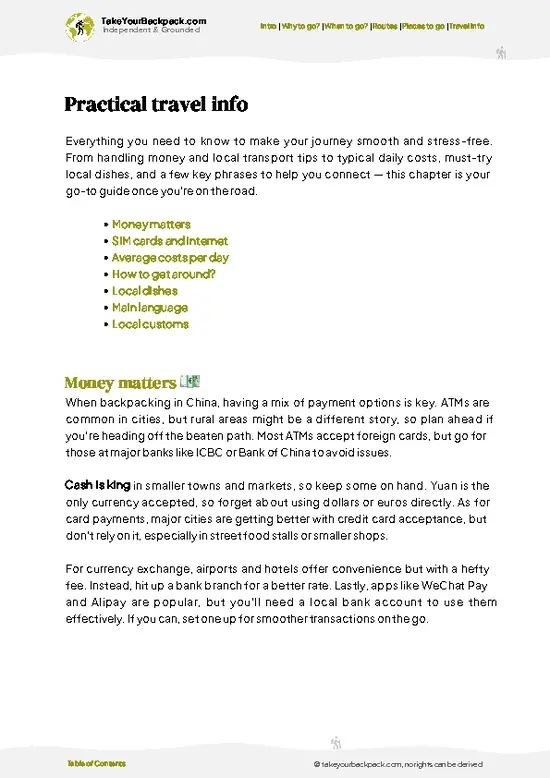
example page 0 from our offline Travel Guide for China
example page 1 from our offline Travel Guide for China
example page 2 from our offline Travel Guide for China
example page 3 from our offline Travel Guide for China
example page 4 from our offline Travel Guide for China
example page 5 from our offline Travel Guide for China
example page 6 from our offline Travel Guide for China
example page 7 from our offline Travel Guide for China
The digital guide (496 pages) contains:
139 highlights, ranked by travel appeal
Optimized 14, 21 & 30-day travel routes
Cities, national parks, landmarks, beaches
How to get around
Offline-friendly for travel without Wi-Fi
👉 Click to see all 30+ guide features

📅 Plan smarter in minutes, not weeks
Month by month travel advice
Festivals & national holidays
Budget expectations

🗺️ Go to the right places, skip the overrated ones
Honest pros & cons of destinations
Top hikes, parks & viewpoints
Lesser-known places most travelers miss
Clear “worth it vs skip it” guidance

🛏️ Travel smoothly without rookie mistakes
Best areas to stay
Transport systems explained simply
Common scams & safety advice
SIM cards, money & practical tips

🌍 Understand the country, not just visit it
Culture & traditions
52 Essential phrases & customs
Festivals worth planning around
Traveler-friendly historical context
Insights that make places more meaningful

📱 Built for real travel conditions
Fully downloadable PDF
Works completely offline
Optimized for phone use
Useful in remote areas & buses
Everything in one place
Save weeks of stressful planning
Get instant access to your full guide. 30‑day money-back guarantee.


By proceeding you agree to our terms.
Sent to your inbox immediately after payment • 100% Secure Checkout
Best Backpacking Travel Advisor 2025 tourism awardBest Backpacking
Travel Advisor
2025
What others say about Take Your Backpack Guides:
⭐⭐⭐⭐⭐
Fantastic, amazing amount of information!
⭐⭐⭐⭐⭐
My goodness this is amazing, it's what I've been looking for hats off too you!
⭐⭐⭐⭐⭐
I think this is absolutely BRILLIANT
⭐⭐⭐⭐
Very complete and informative. It's still missing places, but I gotta to commend you
⭐⭐⭐⭐⭐
This is truly amazing, thank you, can't wait to explore it with my kids!
⭐⭐⭐⭐⭐
Awesome resource, thank you!
⭐⭐⭐⭐⭐
This is amazing! Can't wait to explore the ones I haven't seen
⭐⭐⭐⭐
I love this! Well done, great idea.
⭐⭐⭐⭐⭐
Thanks for taking the time to make this gem!
⭐⭐⭐⭐⭐
This might be the best website I've ever seen.
⭐⭐⭐⭐⭐
Congratulations, and thank you so much for your work; it's incredibly valuable.
⭐⭐⭐⭐
In all seriousness I think you did a great job pointing out the important spots
⭐⭐⭐⭐⭐
10/10 very good
⭐⭐⭐⭐⭐
As someone who's only just starting to visit regularly this is awesome, thank you.
⭐⭐⭐⭐
Thank you very much! I'm going to visit my dad, it's going to be very useful!
⭐⭐⭐⭐⭐
This is really cool! We'll be travelling for the first time and this definitely come in handy.
⭐⭐⭐⭐⭐
You are now our minister of culture, congratulations 👨‍💼
⭐⭐⭐⭐⭐
Just wanted to tell you that this is a pearl! Going to follow your recommendations.
⭐⭐⭐⭐⭐
This is so cool. I'll definitely be using the resource for my travels soon.
⭐⭐⭐⭐⭐
This is very impressive! Good work.
⭐⭐⭐⭐⭐
This is an amazing and informative site. Very well done!

🛏️ Where to stay?Choosing the right base

In the Shangri-La region, you’ll want to dive into a few key spots that scream backpacker-friendly.

Start in Shangri-La City itself. It’s a hub for travelers, buzzing with cafes and shops. The Tibetan culture here is palpable, and you’ll find plenty of fellow wanderers to swap stories with.

Next, consider Lijiang. This ancient town is a UNESCO site, and while it can get touristy, the winding streets and vibrant nightlife make it worth it. Stay near the Old Town for easy access to local eateries and bars.

Don’t overlook Zhongdian. It’s quieter, but the stunning landscapes and friendly locals … read more 👉
In the Shangri-La region, you’ll want to dive into a few key spots that scream backpacker-friendly.

Start in Shangri-La City itself. It’s a hub for travelers, buzzing with cafes and shops. The Tibetan culture here is palpable, and you’ll find plenty of fellow wanderers to swap stories with.

Next, consider Lijiang. This ancient town is a UNESCO site, and while it can get touristy, the winding streets and vibrant nightlife make it worth it. Stay near the Old Town for easy access to local eateries and bars.

Don’t overlook Zhongdian. It’s quieter, but the stunning landscapes and friendly locals create a cozy vibe. Perfect for those looking to escape the crowds.

Each area offers a unique flavor, so you can choose your adventure based on your mood—whether you crave social buzz or serene solitude.

🚌 Getting aroundMoving around without the hassle

The Shangri-La region is a dance of spontaneity and rugged charm. Here, schedules are more like suggestions, and the rhythm of travel flows with the pulse of the mountains. You’ll find yourself navigating through a landscape where time bends, and the journey is as much about the experience as the destination. Whether you’re bumping along a dirt road in a shared minivan or sipping tea with a local while waiting for your ride, the essence of Shangri-La is in its unpredictability. Embrace the chaos, and you’ll uncover the region’s true spirit.


  • Shared Minivans: These are your lifeline for budget travel. They run frequently between major towns like Shangri-La and Lijiang, with prices around ¥50-¥80. Expect to squeeze in with locals and luggage, but the ride is quick—about 2-3 hours.


  • Buses: Long-distance
read more 👉
The Shangri-La region is a dance of spontaneity and rugged charm. Here, schedules are more like suggestions, and the rhythm of travel flows with the pulse of the mountains. You’ll find yourself navigating through a landscape where time bends, and the journey is as much about the experience as the destination. Whether you’re bumping along a dirt road in a shared minivan or sipping tea with a local while waiting for your ride, the essence of Shangri-La is in its unpredictability. Embrace the chaos, and you’ll uncover the region’s true spirit.


  • Shared Minivans: These are your lifeline for budget travel. They run frequently between major towns like Shangri-La and Lijiang, with prices around ¥50-¥80. Expect to squeeze in with locals and luggage, but the ride is quick—about 2-3 hours.


  • Buses: Long-distance buses connect Shangri-La to other cities like Dali and Kunming. Tickets range from ¥100-¥200, depending on the distance. They can be a bit slow, often taking 5-8 hours, but they’re comfortable enough for the price.


  • Taxis: For a more direct route, taxis are available, especially within Shangri-La. Fares start around ¥10 for short trips, but be prepared to negotiate for longer distances. They offer a cozy ride, especially if you’re traveling with gear.


  • Bicycle Rentals: If you’re feeling adventurous, rent a bike for about ¥30-¥50 a day. It’s a fantastic way to explore the stunning landscapes at your own pace, but be ready for some steep climbs!


For a smooth experience, always ask locals about the latest transport schedules. They often know the best times to catch a ride, helping you dodge the crowds and maximize your adventure.

🍲 FoodWhat to Eat & Drink

In the Shangri-La region, food is a vibrant tapestry of flavors and traditions. Dive into yak meat dishes, where tender cuts are often marinated and grilled, bursting with smoky goodness. Don’t miss tsampa, a hearty barley flour mix, perfect for fueling your hikes. Pair it with a cup of butter tea, a rich blend that warms you from the inside out.

Street food stalls are your best friends here. Grab momos, those delightful dumplings, steaming hot and filled with everything from veggies to meat. Markets buzz with energy; the aroma of spices and grilled meats fills the air, inviting you to sample local delicacies.

Dining is communal. Expect to share dishes, fostering a sense of connection. When offered food, it’s polite to accept, even if just a small taste. Embrace the local pace; meals are … read more 👉
In the Shangri-La region, food is a vibrant tapestry of flavors and traditions. Dive into yak meat dishes, where tender cuts are often marinated and grilled, bursting with smoky goodness. Don’t miss tsampa, a hearty barley flour mix, perfect for fueling your hikes. Pair it with a cup of butter tea, a rich blend that warms you from the inside out.

Street food stalls are your best friends here. Grab momos, those delightful dumplings, steaming hot and filled with everything from veggies to meat. Markets buzz with energy; the aroma of spices and grilled meats fills the air, inviting you to sample local delicacies.

Dining is communal. Expect to share dishes, fostering a sense of connection. When offered food, it’s polite to accept, even if just a small taste. Embrace the local pace; meals are leisurely, a chance to savor every bite and engage with fellow travelers and locals alike.

Other Chinese regions near Shangri-La region

Explore more nearby:


💡 Not sure where to go next?
Create a personalized itinerary for China including Shangri-La region and the places that fit your trip.

Generate my itinerary

👉 Discover all regions

Or checkout all China has to offer (think cities, towns, villages, national parks, hikes, beaches, festivals)
Country photo of China

We 💚 feedbackWhat to keep in mind

Shangri-La is a slice of paradise, where Tibetan culture dances with breathtaking landscapes. You’ll feel like you’ve stepped into another world. But here’s the catch: altitude sickness can hit hard. Take it slow, hydrate, and give your body time to adjust. It’s all part of the adventure, but being prepared makes the experience that much sweeter.

✈️ When did I visit China?
As part of my 1.5 year travel around the world trip, I visited China in August 2015, coming from Mongolia by the TransMongolia Express.

✍️ Help improve this page!
The information on this page is based on my own backpacking experience in China, supplemented with up-to-date research and feedback from other travelers. Travel details can change, so if you notice anything outdated or incomplete, feel free to let me know.


🙋‍♂️ Give feedback

👋 Meet the founderWho’s Behind Take Your Backpack?

Johan, backpacker and founder of TakeYourBackpackHi, I’m Johan (Netherlands 🇳🇱), the creator of TakeYourBackpack. Over the past decade, I’ve backpacked through 80+ countries across six continents, gaining extensive experience with independent travel, long-term trips, and overland routes.

This site is built on a combination of firsthand travel experience and carefully curated insights from other backpackers. Many guides are based on places I’ve personally visited, while others bring together tips, observations, and practical advice shared by trusted travelers I’ve met along the way.

The goal is to provide realistic, experience-driven guidance — not generic itineraries — so you can explore destinations with better context, clearer expectations, and more confidence.

Get full China guide •
Instant download • 139 highlights • Full Offline guide