
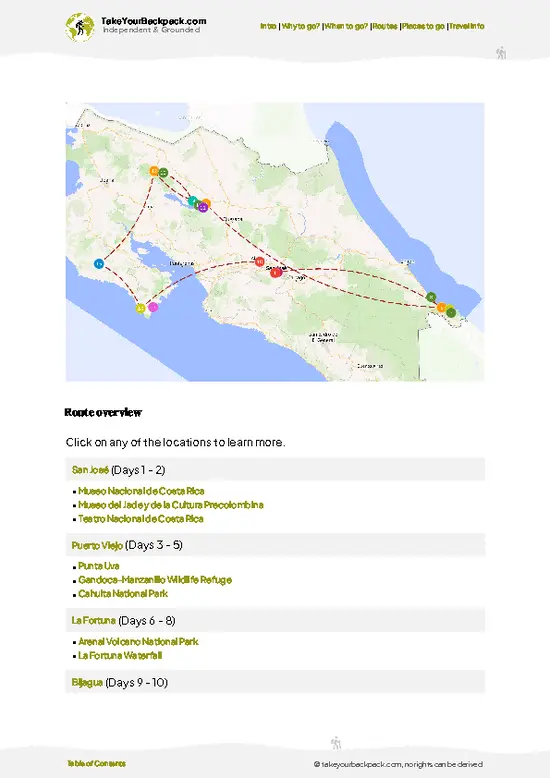
1. Museo de Guanacaste
The old barracks-turned-museum sits right in the city center, its thick whitewashed walls holding the echo of boots and the scent of old paper and gun oil. This is where you feel Liberia’s soul—stories of independence, cowboy culture, and the region’s stubborn streak. The exhibits are tactile: antique saddles, faded uniforms, and photographs that stare back. It’s rarely crowded, so you can linger in the cool shade, letting the past settle in. Open Tuesday to Saturday, 10am-6pm. Entry is usually under $3. Give it 45-60 minutes, more if you’re a history buff.
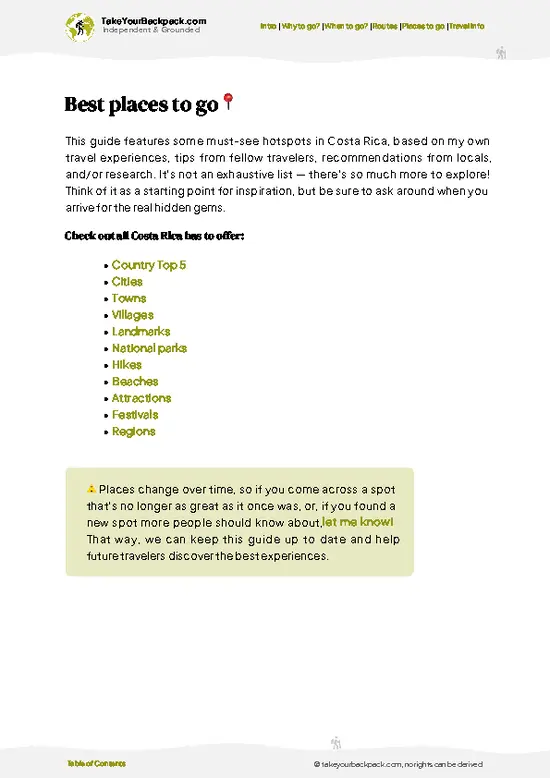
2. Iglesia Inmaculada Concepción de María
Liberia’s main church is a landmark you’ll spot from blocks away, its stark white facade glowing in the late afternoon sun. Step inside and the air shifts—cool, faintly floral, … read more 👉
1. Museo de Guanacaste
The old barracks-turned-museum sits right in the city center, its thick whitewashed walls holding the echo of boots and the scent of old paper and gun oil. This is where you feel Liberia’s soul—stories of independence, cowboy culture, and the region’s stubborn streak. The exhibits are tactile: antique saddles, faded uniforms, and photographs that stare back. It’s rarely crowded, so you can linger in the cool shade, letting the past settle in. Open Tuesday to Saturday, 10am-6pm. Entry is usually under $3. Give it 45-60 minutes, more if you’re a history buff.
2. Iglesia Inmaculada Concepción de María
Liberia’s main church is a landmark you’ll spot from blocks away, its stark white facade glowing in the late afternoon sun. Step inside and the air shifts—cool, faintly floral, and hushed. The architecture is simple but dignified, with thick columns and a sense of calm that’s rare in the city’s midday bustle. Locals drift in for a quiet prayer or to escape the heat. Visit just before sunset, when the light slants through the doors and the plaza outside comes alive. Free entry. Ten to twenty minutes is enough unless you want to sit and watch the city’s rhythm.
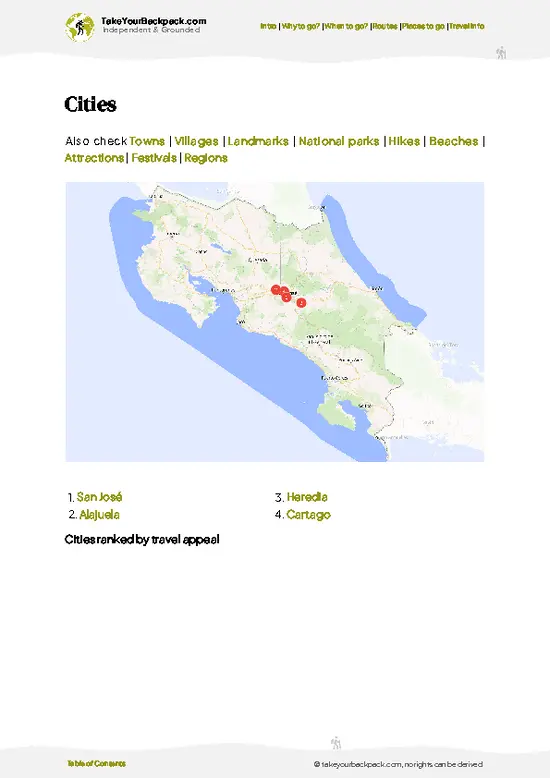
3. Parque Mario Cañas Ruiz
This isn’t just a park; it’s Liberia’s living room. In the morning, you’ll catch the scent of fresh bread from nearby bakeries and the chatter of vendors setting up. By midday, the shade from the massive Guanacaste trees is a lifesaver. Kids chase pigeons, old men play dominoes, and the occasional marimba band sets up under the gazebo. Grab a bench, people-watch, and let the city’s easy pace soak in. Free, always open. Stay as long as you like—thirty minutes to an hour is typical.
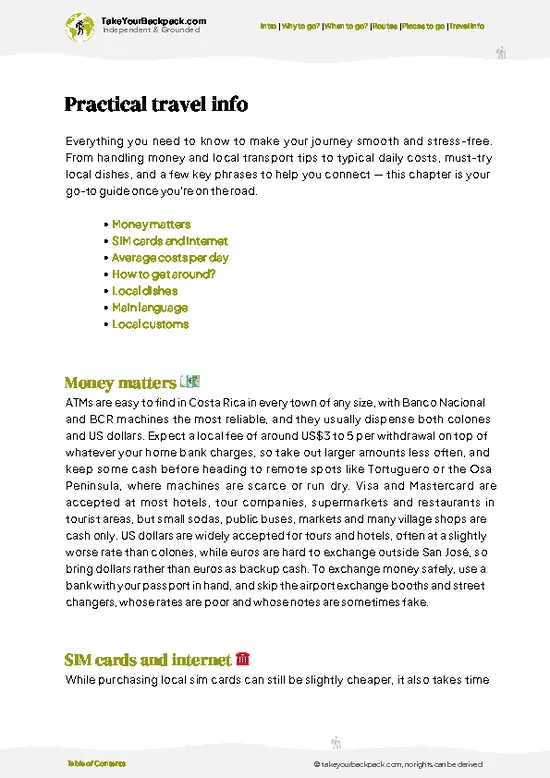
4. Sabanero Culture Walk (Calle Real)
Liberia’s cowboy roots run deep, and Calle Real is where you see it in the faces and boots of passersby. This isn’t a formal tour—it’s a self-guided stroll down the city’s oldest street, lined with colonial-era houses, saddle shops, and the occasional horse tied up outside a bar. The air smells of leather and strong coffee. Go in the early morning or late afternoon to avoid the heat and catch the city at its most authentic. Free, and you can cover the stretch in 30-45 minutes.
5. Mercado Municipal de Liberia
If you want to taste the real Liberia, skip the supermarket and head to the municipal market. The aisles are tight, the air thick with the scent of ripe mangoes, fried plantains, and fresh cheese. Vendors call out prices in rapid Spanish, and you’ll see everything from cowboy hats to homemade sweets. This is where you practice your Spanish, try a tamal, and get a sense of daily life. Open early morning until mid-afternoon. Free to enter, but bring a few dollars for snacks. Thirty minutes to an hour is plenty.
Liberia is a launchpad for adventure: the volcanic trails of Rincón de la Vieja, the Llanos de Cortez waterfall, and the wild beaches of Playa Hermosa are all within easy reach. Rincón de la Vieja is my personal favorite—nothing beats the sulfur tang in the air and the sound of howler monkeys as you hike past steaming vents and hidden waterfalls.
Spotted a mistake or missing something? Contact us.

Private Transportation Costa Rica Guanacaste Airport (LIR)

ATV Tour Jobo

Liberia Airport to Hotels Round Trip Private Transfers

Sloth tour, Coffee, Chocolate and Tons of Wildlife

Transporte privado Guanacaste Aeropuerto (LIR)

Tamarindo: Private Zipline, Horse Riding, and Hot Springs Tour

Private Transfer Int. Airport Liberia To La Fortuna From 7 to 10 passengers

Liberia Airport Private Round-Trip Transfers for Guanacaste

Liberia Airport Private Transfer – One Way & Round Trip Options


 Best Backpacking

 Hi, I’m Johan (Netherlands 🇳🇱), the creator of TakeYourBackpack. Over the past 3 decades, I’ve backpacked through 90+ countries across six continents, gaining extensive experience with independent travel, long-term trips, and overland routes.