×

Cuba🇨🇺 | citiesMayarímining town, mountain views, river valley | things to do and best time to go

Explore Puerto PadreExplore Florida

Backpacking in Mayarí
👌 Worth visitingcity ranked #17
By Johan Kruseman 🇳🇱 | Updated September 4, 2026

Your first real fork in the road with Mayarí is this: do you treat it as a quick transit stop on the way to Holguín or Moa, or do you actually slow down and use it as a base for the surrounding hills and rivers. That choice matters, because Mayarí, in eastern Cuba’s Holguín province, doesn’t perform like a classic “sights checklist” town; it’s more about the feel of small-town Cuba than big-ticket attractions. The low-rise center is walkable, dusty, and human-scale, with loud roosters at dawn and domino games under yellow streetlights at night. Transport is workable but not effortless: you’re relying on regional buses, camiones, and shared taxis rather than slick tourist coaches, and that friction filters out most casual visitors. It’s cheaper and calmer than Holguín city, less dramatic than the mountains around Mayarí Arriba, and far less touristic than Guardalavaca’s beach strip, which makes it a good staging point if you want local markets, simple peso lunches, and day trips into the countryside rather than nightlife or hostel bar culture. You’ll likely stay in a casa particular, meet more curious locals than backpackers, and trade convenience for a slower, more grounded slice of Cuba.

Discover everything you want to know in the 📖 Cuba Travel Guide.


Get your Cuba guide
121 ranked highlights, routes & tips, works offline (450 pages)
Loading the map 🌍
CLICK TO FILTER
cities
towns
villages
landmarks
national parks
hikes
beaches
attractions
festivals
regions
SHOW COUNTRY’S BESTSHOW ALL

✨ Why go?
Ranked #17 city in Cuba
Why Mayarí should be on your travel list

Mayarí serves as a gateway for backpackers seeking both hiking and cultural immersion. Its proximity to lush trails and stunning beaches makes it a strategic stop. The local guesthouses offer a cozy, authentic experience, where you can savor home-cooked meals that burst with flavor. The walkable streets invite exploration, fostering a friendly atmosphere that encourages conversation with locals and fellow travelers. Most visitors stay a few days, soaking in the laid-back vibe. This town is perfect for slow travelers and solo adventurers looking to connect, while those on a tight schedule might just pop in for a quick taste of Cuban life.
Want to include Mayarí in your Cuba route?
Create a personalized Cuba itinerary that includes Mayarí and the places that fit your trip — based on your travel style, budget, and available time. Get your route in seconds.

Generate my trip

💡 HighlightsMust-see experiences and standout moments

  • Parque José Martí — The town’s central square and social heartbeat: shaded benches, a simple monument to Martí, kids playing, and the easiest place to watch Mayarí life unfold and catch a local band on weekend evenings.
  • Museo Municipal de Mayarí — Small municipal museum with exhibits on the region’s history: indigenous artifacts, colonial and sugar-era material, and displays about local mining and natural history that give context to the town and surrounding valleys.
  • Casa de la Cultura de Mayarí — Community arts center where you can see danza, trova and folkloric rehearsals, local art displays, and often impromptu music sessions — the best place to experience living culture rather than a staged show.
  • Iglesia parroquial del centro — The main parish church in the town center; a straightforward
read more 👉
  • Parque José Martí — The town’s central square and social heartbeat: shaded benches, a simple monument to Martí, kids playing, and the easiest place to watch Mayarí life unfold and catch a local band on weekend evenings.
  • Museo Municipal de Mayarí — Small municipal museum with exhibits on the region’s history: indigenous artifacts, colonial and sugar-era material, and displays about local mining and natural history that give context to the town and surrounding valleys.
  • Casa de la Cultura de Mayarí — Community arts center where you can see danza, trova and folkloric rehearsals, local art displays, and often impromptu music sessions — the best place to experience living culture rather than a staged show.
  • Iglesia parroquial del centro — The main parish church in the town center; a straightforward place to observe local religious life, community gatherings, and traditional Cuban church architecture on a human scale.
  • Mercado municipal / feria local — The everyday market where farmers and vendors sell fresh produce, coffee, and household goods; visiting gives a clear, practical window into local foodways and daily routines.
A few real, visitable highlights just outside Mayarí for day trips include Sierra Cristal National Park (my personal favorite), the coastal beaches and industrial-historical area around Nicaro, and the island and wildlife reserve of Cayo Saetía.
Spotted a mistake or missing something? Contact us.

🏘️ NeighborhoodsUnderstanding the local layout

Mayarí offers a unique blend of Cuban culture and natural beauty, making it a rewarding stop for backpackers.

Centro Histórico: This is the heart of Mayarí. Vibrant streets filled with local shops and eateries create a lively atmosphere. It’s walkable, making it easy to explore on foot. Costs are moderate, and you’ll find a mix of budget-friendly casas particulares. Perfect for short stays, but the nightlife is low-key.

La Loma: A quieter neighborhood perched on a hill. The views are stunning, especially at sunset. It’s less touristy, so you’ll experience authentic local life. Transport options are limited, but it’s a peaceful spot for longer stays, ideal for those seeking solitude.

El Parque: This area buzzes with energy. Street vendors and music fill the air, making it lively at night. … read more 👉
Mayarí offers a unique blend of Cuban culture and natural beauty, making it a rewarding stop for backpackers.

Centro Histórico: This is the heart of Mayarí. Vibrant streets filled with local shops and eateries create a lively atmosphere. It’s walkable, making it easy to explore on foot. Costs are moderate, and you’ll find a mix of budget-friendly casas particulares. Perfect for short stays, but the nightlife is low-key.

La Loma: A quieter neighborhood perched on a hill. The views are stunning, especially at sunset. It’s less touristy, so you’ll experience authentic local life. Transport options are limited, but it’s a peaceful spot for longer stays, ideal for those seeking solitude.

El Parque: This area buzzes with energy. Street vendors and music fill the air, making it lively at night. It’s a great place to meet fellow travelers. Costs can be higher here, but the atmosphere is worth it for short visits.

⌛️ 1 dayHow to make the most of one day

Mayarí, Cuba, is a vibrant tapestry of local life, where the air is thick with the scent of fresh guava and the sounds of laughter spill from colorful homes. Start your day with a stroll through the bustling streets of the Centro Histórico, where the pastel buildings whisper stories of the past. Grab a café con leche from a nearby ventanita and savor the rich, bold flavor as you watch locals greet the day.

In the afternoon, head to the nearby Sierra de Nipe mountains. The hike to the La Loma de la Cruz viewpoint is worth every step. The panoramic views of the lush landscape are breathtaking, and the sense of accomplishment is palpable. Afterward, explore the lesser-known neighborhood of El Cobre, where you can visit the small but charming local market. Here, you’ll find handmade crafts and … read more 👉
Mayarí, Cuba, is a vibrant tapestry of local life, where the air is thick with the scent of fresh guava and the sounds of laughter spill from colorful homes. Start your day with a stroll through the bustling streets of the Centro Histórico, where the pastel buildings whisper stories of the past. Grab a café con leche from a nearby ventanita and savor the rich, bold flavor as you watch locals greet the day.

In the afternoon, head to the nearby Sierra de Nipe mountains. The hike to the La Loma de la Cruz viewpoint is worth every step. The panoramic views of the lush landscape are breathtaking, and the sense of accomplishment is palpable. Afterward, explore the lesser-known neighborhood of El Cobre, where you can visit the small but charming local market. Here, you’ll find handmade crafts and the warm smiles of artisans eager to share their stories.

As evening falls, return to the town center for dinner at a family-run paladar. The aroma of slow-cooked ropa vieja fills the air, and the vibrant atmosphere invites you to linger. Enjoy your meal while listening to a local band play traditional Cuban music, wrapping up your day with the rhythm of Mayarí still echoing in your heart.
Turn your Mayarí visit into an Cuba adventure
Build a complete Cuba route with Mayarí, hidden gems, must-see destinations, and realistic travel times included.

Generate my trip

🌤️ When to go?When to go for the best experience


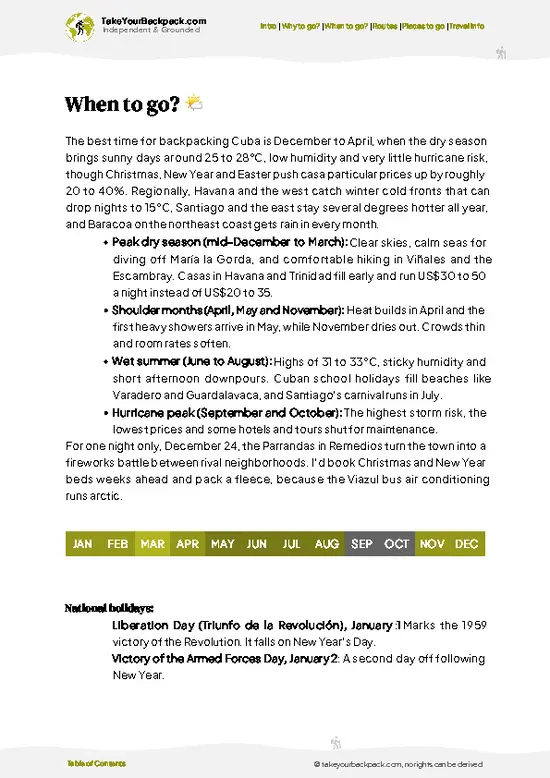
  • Topic: Weather – Mayarí’s dry season runs from November to April, offering clear skies and minimal rain. The wet season, May through October, brings heavy showers and humidity that can soak your gear and slow your pace.

  • Topic: Temperature – Expect highs around 28–32°C (82–90°F) in the dry months, with cooler nights dipping to 18–22°C (64–72°F). The wet season cranks up the heat and stickiness, often pushing daytime temps above 33°C (91°F).

  • Topic: Daylight Hours – From November to April, daylight stretches roughly 11 to 12 hours, giving you more time to explore before dusk. The wet season shortens this window slightly, so plan hikes and outings accordingly.

  • Topic: Crowds – Mayarí stays relatively quiet year-round, but the dry season attracts more Cuban and international visitors, especially
read more 👉

  • Topic: Weather – Mayarí’s dry season runs from November to April, offering clear skies and minimal rain. The wet season, May through October, brings heavy showers and humidity that can soak your gear and slow your pace.

  • Topic: Temperature – Expect highs around 28–32°C (82–90°F) in the dry months, with cooler nights dipping to 18–22°C (64–72°F). The wet season cranks up the heat and stickiness, often pushing daytime temps above 33°C (91°F).

  • Topic: Daylight Hours – From November to April, daylight stretches roughly 11 to 12 hours, giving you more time to explore before dusk. The wet season shortens this window slightly, so plan hikes and outings accordingly.

  • Topic: Crowds – Mayarí stays relatively quiet year-round, but the dry season attracts more Cuban and international visitors, especially around holidays. This means friendlier prices but busier local spots.

  • Topic: Seasonal Activities – Dry months are prime for hiking and beach days without the risk of sudden downpours. The wet season can limit outdoor plans but brings lush greenery and fewer tourists.

  • Topic: Price Fluctuations – Expect higher accommodation and transport costs during the dry season’s peak months (December to March). The wet season offers better deals but requires flexibility around weather disruptions.


Pro-tip: Aim for late November or early April—when the weather is still dry, crowds thin, and prices start to dip—so you get the best balance of comfort, space, and value.


source: climatestotravel.comJANJanuary: highly recommended for travelingFEBFebruary: highly recommended for travelingMARMarch: highly recommended for travelingAPRApril: highly recommended for travelingMAYMay: fair for travelingJUNJune: fair for travelingJULJuly: fair for travelingAUGAugust: fair for travelingSEPSeptember: fair for travelingOCTOctober: fair for travelingNOVNovember: highly recommended for travelingDECDecember: highly recommended for traveling
when-to-go

✈️ The backpacker research shortcutCuba Travel Guide

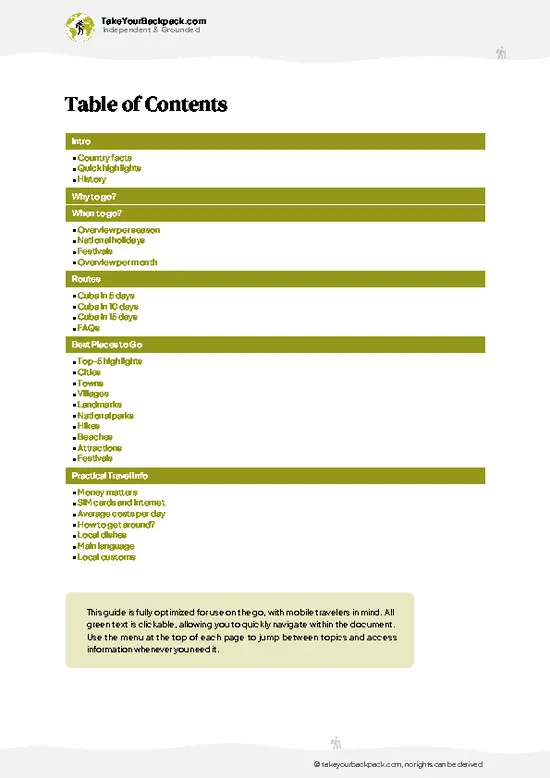
An offline-friendly backpacking guide with optimized travel routes, ranked highlights, transport advice, and the best areas to stay.
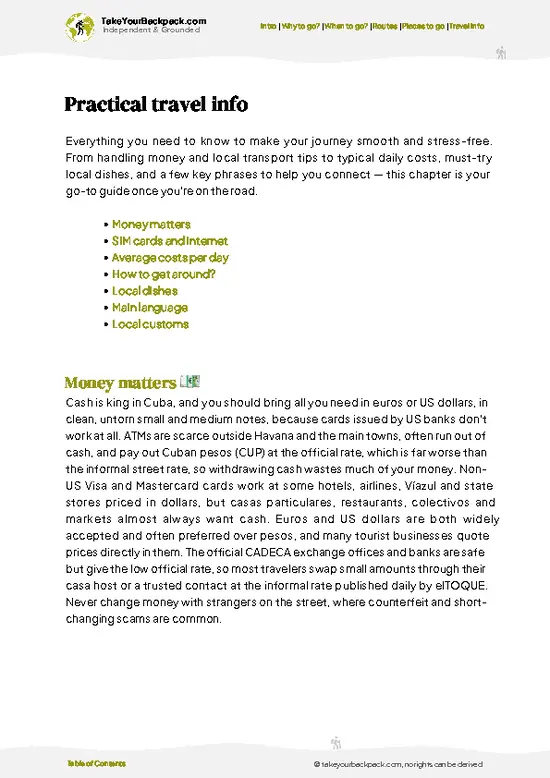
example page 0 from our offline Travel Guide for Cuba
example page 1 from our offline Travel Guide for Cuba
example page 2 from our offline Travel Guide for Cuba
example page 3 from our offline Travel Guide for Cuba
example page 4 from our offline Travel Guide for Cuba
example page 5 from our offline Travel Guide for Cuba
example page 6 from our offline Travel Guide for Cuba
example page 7 from our offline Travel Guide for Cuba
The digital guide (450 pages) contains:
121 highlights, ranked by travel appeal
Optimized 5, 10 & 15-day travel routes
Cities, national parks, landmarks, beaches
How to get around
Offline-friendly for travel without Wi-Fi
👉 Click to see all 30+ guide features

📅 Plan smarter in minutes, not weeks
Month by month travel advice
Festivals & national holidays
Budget expectations

🗺️ Go to the right places, skip the overrated ones
Honest pros & cons of destinations
Top hikes, parks & viewpoints
Lesser-known places most travelers miss
Clear “worth it vs skip it” guidance

🛏️ Travel smoothly without rookie mistakes
Best areas to stay
Transport systems explained simply
Common scams & safety advice
SIM cards, money & practical tips

🌍 Understand the country, not just visit it
Culture & traditions
52 Essential phrases & customs
Festivals worth planning around
Traveler-friendly historical context
Insights that make places more meaningful

📱 Built for real travel conditions
Fully downloadable PDF
Works completely offline
Optimized for phone use
Useful in remote areas & buses
Everything in one place
Save weeks of stressful planning
Get instant access to your full guide. 30‑day money-back guarantee.
+ Add another guide for just US$7.80

By proceeding you agree to our terms.
Sent to your inbox immediately after payment • 100% Secure Checkout
Best Backpacking Travel Advisor 2025 tourism awardBest Backpacking
Travel Advisor
2025
What others say about Take Your Backpack Guides:
⭐⭐⭐⭐⭐
Fantastic, amazing amount of information!
⭐⭐⭐⭐⭐
My goodness this is amazing, it's what I've been looking for hats off too you!
⭐⭐⭐⭐⭐
I think this is absolutely BRILLIANT
⭐⭐⭐⭐
Very complete and informative. It's still missing places, but I gotta to commend you
⭐⭐⭐⭐⭐
This is truly amazing, thank you, can't wait to explore it with my kids!
⭐⭐⭐⭐⭐
Awesome resource, thank you!
⭐⭐⭐⭐⭐
This is amazing! Can't wait to explore the ones I haven't seen
⭐⭐⭐⭐
I love this! Well done, great idea.
⭐⭐⭐⭐⭐
Thanks for taking the time to make this gem!
⭐⭐⭐⭐⭐
This might be the best website I've ever seen.
⭐⭐⭐⭐⭐
Congratulations, and thank you so much for your work; it's incredibly valuable.
⭐⭐⭐⭐
In all seriousness I think you did a great job pointing out the important spots
⭐⭐⭐⭐⭐
10/10 very good
⭐⭐⭐⭐⭐
As someone who's only just starting to visit regularly this is awesome, thank you.
⭐⭐⭐⭐
Thank you very much! I'm going to visit my dad, it's going to be very useful!
⭐⭐⭐⭐⭐
This is really cool! We'll be travelling for the first time and this definitely come in handy.
⭐⭐⭐⭐⭐
You are now our minister of culture, congratulations 👨‍💼
⭐⭐⭐⭐⭐
Just wanted to tell you that this is a pearl! Going to follow your recommendations.
⭐⭐⭐⭐⭐
This is so cool. I'll definitely be using the resource for my travels soon.
⭐⭐⭐⭐⭐
This is very impressive! Good work.
⭐⭐⭐⭐⭐
This is an amazing and informative site. Very well done!

🛏️ Where to stay?Best areas and accommodation options

In Mayarí, the heart of backpacker life pulses strongest around the town center, where the streets hum with local chatter and the scent of fresh coffee drifts through open windows. This area is your best bet for safety and social energy—walking here feels like stepping into a living room filled with curious neighbors and easy smiles. Unlike the quieter outskirts, the center offers a handful of budget-friendly guesthouses and small hostels where you’ll meet fellow travelers swapping stories over shared meals or late-night domino games. The vibe is unpretentious and welcoming, a real contrast to … read more 👉
In Mayarí, the heart of backpacker life pulses strongest around the town center, where the streets hum with local chatter and the scent of fresh coffee drifts through open windows. This area is your best bet for safety and social energy—walking here feels like stepping into a living room filled with curious neighbors and easy smiles. Unlike the quieter outskirts, the center offers a handful of budget-friendly guesthouses and small hostels where you’ll meet fellow travelers swapping stories over shared meals or late-night domino games. The vibe is unpretentious and welcoming, a real contrast to the more isolated, residential neighborhoods that can feel closed off and less secure after dark. Staying central means you’re never far from the modest markets and street vendors selling tropical fruit, which adds a sensory layer to your stay that’s hard to replicate elsewhere. In Mayarí, choosing the town center isn’t just about convenience—it’s about plugging into the local rhythm that makes the place come alive.

🚌 Getting aroundMoving around without the hassle

Mayarí moves at its own pace—less a clockwork town and more a rhythm you feel in the air. The scent of salt and earth mingles with the low hum of engines and chatter, but don’t expect strict timetables or polished transit hubs. Here, travel is a dance of intuition and local know-how, where catching a ride means reading the flow of the street and trusting the friendly nods from drivers. The sun hits the streets with a warm, golden glow in the morning, making walking not just practical but a way to soak in the town’s character before the midday heat slows everything down.

Walking: The most straightforward way to get around Mayarí, especially in the cooler morning hours. The town’s compact layout means you can cover key spots on foot within 20-30 minutes, absorbing the smells of fresh coffee … read more 👉
Mayarí moves at its own pace—less a clockwork town and more a rhythm you feel in the air. The scent of salt and earth mingles with the low hum of engines and chatter, but don’t expect strict timetables or polished transit hubs. Here, travel is a dance of intuition and local know-how, where catching a ride means reading the flow of the street and trusting the friendly nods from drivers. The sun hits the streets with a warm, golden glow in the morning, making walking not just practical but a way to soak in the town’s character before the midday heat slows everything down.

Walking: The most straightforward way to get around Mayarí, especially in the cooler morning hours. The town’s compact layout means you can cover key spots on foot within 20-30 minutes, absorbing the smells of fresh coffee and the occasional sea breeze. No cost, just wear good shoes and keep water handy.

Local Buses (Guaguas): These are the budget backbone, running roughly from 6:00 AM to 7:00 PM. Expect a slow, bumpy ride with frequent stops, but the fare is dirt cheap—usually under 1 CUP (Cuban Peso). It’s a great way to blend in and catch local life in motion, though don’t count on strict schedules.

Shared Taxis (Colectivos): Faster and more comfortable than buses, colectivos run on flexible schedules, often departing when full. Prices hover around 10-20 CUP depending on distance. They’re ideal for hopping between Mayarí and nearby towns without the hassle of waiting for a bus.

Private Taxis: More expensive but reliable, private taxis offer door-to-door service. Negotiate fares upfront—expect to pay around 50-100 CUP for short trips within town. Perfect if you’re carrying heavy gear or traveling late when other options dry up.

Bicycle Rentals: A sweet middle ground for budget travelers wanting speed and freedom. Rentals cost about 5-10 CUP per hour. The town’s mostly flat terrain and quiet streets make cycling a breeze, especially early or late in the day when the light softens and the air cools.

👛 Costs (as of 4 September 2026)What things cost and how to budget

Backpacking in Mayarí, Cuba, means embracing a slower pace where the cost of living is low but the experience is rich. Here’s what you can expect to spend day-to-day, broken down so you know exactly where your money goes and how to stretch it without losing comfort or authenticity.
  • Dorm Accommodation: Dorm beds in Mayarí are rare since it’s a smaller town, but guesthouses or casas particulares (private homestays) are the norm. Expect to pay around $10-$15 USD per night. These places offer a chance to connect with locals and get a real feel for Cuban life, often with breakfast included.
  • Meals: Eating out is straightforward and affordable. A simple lunch at a local paladar (private restaurant) will run about $3-$6 USD. Street food and snacks like empanadas or fresh fruit can be even cheaper,
read more 👉
Backpacking in Mayarí, Cuba, means embracing a slower pace where the cost of living is low but the experience is rich. Here’s what you can expect to spend day-to-day, broken down so you know exactly where your money goes and how to stretch it without losing comfort or authenticity.
  • Dorm Accommodation: Dorm beds in Mayarí are rare since it’s a smaller town, but guesthouses or casas particulares (private homestays) are the norm. Expect to pay around $10-$15 USD per night. These places offer a chance to connect with locals and get a real feel for Cuban life, often with breakfast included.
  • Meals: Eating out is straightforward and affordable. A simple lunch at a local paladar (private restaurant) will run about $3-$6 USD. Street food and snacks like empanadas or fresh fruit can be even cheaper, around $1-$2. Dinner might cost a bit more, $5-$8, especially if you opt for seafood or meat dishes, but it’s fresh and flavorful.
  • Local Transport: Public transport options are limited but inexpensive. Shared taxis or colectivos typically cost $1-$3 for short trips around town or nearby villages. Walking is often the best way to soak in the atmosphere and save money, as Mayarí’s streets are compact and easy to navigate on foot.
  • Basic Activities/Entry Fees: Mayarí isn’t packed with tourist traps, so entry fees are minimal or nonexistent. Visiting local parks, beaches, or cultural sites usually costs under $2. If you hire a local guide for a day trip or nature excursion, expect to pay $10-$20 depending on the distance and activity.
  • Miscellaneous Expenses: This includes bottled water, occasional snacks, or small souvenirs. Budget around $2-$5 daily. Keep in mind that internet access can be patchy and often requires buying prepaid cards, which might add a few dollars if you need to stay connected.

All told, you’re looking at a daily budget of roughly $20 to $40 USD to cover basics comfortably in Mayarí. This range gives you room to enjoy local flavors, move around without stress, and dip into cultural experiences without feeling pinched. The slower rhythm here means your money goes further, but it also rewards patience and a willingness to embrace simplicity.


source: cubatravel.cu
⚠️ Prices can change and everyone travels differently, so take this as a rough guide. Hope it helps you plan your adventure!

🚌 Day tripsWhere to go beyond the main area

Mayarí is a fantastic base for exploring the rich landscapes and vibrant culture of Cuba. Here are some day trips that will elevate your experience.

El Salto de Mayarí
This stunning waterfall is a short 30-minute ride from town. The hike to the falls is a mix of rocky paths and lush greenery, with the air thick with the scent of damp earth and wildflowers. Bring a swimsuit; the cool water is refreshing after the trek. Aim for early morning to avoid the midday heat and catch the sun filtering through the trees. Total cost? Around $5 for transport and entry. First-timers often underestimate the trail’s difficulty, so wear sturdy shoes.


Baracoa
A bit further afield, Baracoa is about a two-hour drive. This coastal town is where you can taste authentic chocolate and explore the unique … read more 👉
Mayarí is a fantastic base for exploring the rich landscapes and vibrant culture of Cuba. Here are some day trips that will elevate your experience.

El Salto de Mayarí
This stunning waterfall is a short 30-minute ride from town. The hike to the falls is a mix of rocky paths and lush greenery, with the air thick with the scent of damp earth and wildflowers. Bring a swimsuit; the cool water is refreshing after the trek. Aim for early morning to avoid the midday heat and catch the sun filtering through the trees. Total cost? Around $5 for transport and entry. First-timers often underestimate the trail’s difficulty, so wear sturdy shoes.


Baracoa
A bit further afield, Baracoa is about a two-hour drive. This coastal town is where you can taste authentic chocolate and explore the unique architecture influenced by its history. The road winds through breathtaking landscapes, so keep your camera ready. Budget around $15 for transport and snacks. The best time to visit is during the dry season, from November to April. Many miss the chance to sample local cacao, so don’t skip the chocolate tour!
👉 Explore Baracoa

La Mensura National Park
Just an hour away, this park is a paradise for nature lovers. The trails lead you through dense forests and past rivers, with the sounds of chirping birds and rustling leaves enveloping you. The entrance fee is minimal, around $2, and you can easily spend a full day hiking. Go in the cooler months for the best experience. A common mistake is not bringing enough water; the heat can sneak up on you.


Holguín
About an hour’s drive, Holguín offers a vibrant city vibe with parks, plazas, and local markets. The bustling atmosphere is a feast for the senses, from the aroma of street food to the sounds of live music. Expect to spend around $10 on transport and snacks. Visit on a weekend for the best local events. Many backpackers overlook the markets, but they’re a treasure trove of handmade crafts and local flavors.
👉 Explore Holguín
Want to know what more Cuba offers?
The Cuba Travel Guide describes 121 highlights, from cities to national parks, from beaches to hikes

Get the Travel Guide -

🍲 FoodEating & Drinking in Mayarí

In Mayarí, food is a straightforward celebration of Cuban roots—think ropa vieja, shredded beef simmered in a rich tomato sauce, or yuca con mojo, cassava drenched in garlicky citrus oil. These dishes aren’t just meals; they’re a taste of local history, often found sizzling at street stalls or bustling markets where the air hums with chatter and the scent of frying plantains. Backpackers will find themselves drawn to these casual spots, where the vibe is as authentic as the food—no frills, just hearty, honest flavors.

Drinks lean heavily on the classic Cuban staples: a strong café cubano to kickstart your day or a refreshing mojito to cool off in the humid heat. Bars here aren’t about fancy cocktails but about rhythm and connection—locals and travelers clinking glasses, sharing stories under … read more 👉
In Mayarí, food is a straightforward celebration of Cuban roots—think ropa vieja, shredded beef simmered in a rich tomato sauce, or yuca con mojo, cassava drenched in garlicky citrus oil. These dishes aren’t just meals; they’re a taste of local history, often found sizzling at street stalls or bustling markets where the air hums with chatter and the scent of frying plantains. Backpackers will find themselves drawn to these casual spots, where the vibe is as authentic as the food—no frills, just hearty, honest flavors.

Drinks lean heavily on the classic Cuban staples: a strong café cubano to kickstart your day or a refreshing mojito to cool off in the humid heat. Bars here aren’t about fancy cocktails but about rhythm and connection—locals and travelers clinking glasses, sharing stories under the open sky. Expect no rush, just a slow, social pace that invites you to savor both the drink and the moment.

Etiquette is relaxed but respectful—don’t expect formal menus or fast service. Instead, embrace the laid-back flow, and you’ll find the real flavor of Mayarí in every bite and sip.

🛡️ SafetyScams, Hazards, and Annoyances

Mayarí is generally safe, but staying aware enhances your experience. Stick to well-lit areas at night, especially if you’re solo. Locals are friendly, but be cautious with overly eager offers for guided tours; they can sometimes lead to inflated prices.

Keep an eye on your belongings in crowded spots, as pickpocketing can happen. Trust your instincts—if something feels off, it probably is. Carry yourself confidently, and you’ll blend in seamlessly, enjoying the vibrant atmosphere without unnecessary stress.

FAQFrequently asked questions about Mayarí

2 to 3 days are sufficient to explore Mayarí, allowing time to visit local attractions like the nearby Alejandro de Humboldt National Park and enjoy the town's cultural sites.
Yes, Mayarí is generally safe for solo backpackers, but standard precautions should be taken, especially at night. The town is small and less touristy, so staying aware of your surroundings and securing valuables is advised.
Mayarí is known for its proximity to Alejandro de Humboldt National Park, a UNESCO World Heritage site famous for its biodiversity. It is also recognized for its mining history and traditional Cuban rural culture.
⚠️ Things can change over time, so always validate details locally before you go.

Other Cuban cities near Mayarí

Explore more nearby:

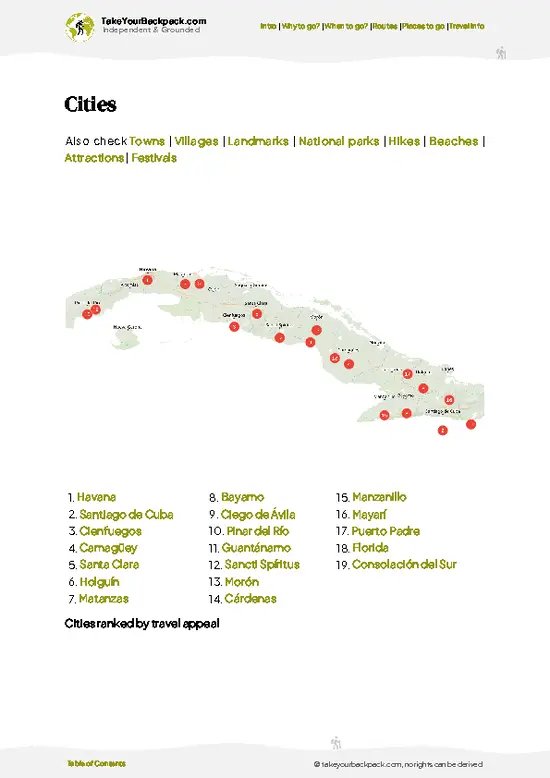
  • Holguín—hilltop views, leafy plazas, city parks| 65 km away
  • Santiago de Cuba—steep hills, carnival traditions, Afro-Caribbean culture| 72 km away
  • Guantánamo—mountain backdrop, Haitian influence, local markets| 75 km away

💡 Not sure where to go next?
Create a personalized itinerary for Cuba including Mayarí and the places that fit your trip.

Generate my itinerary

👉 Discover all cities

Or checkout all Cuba has to offer (think cities, towns, villages, national parks, hikes, beaches, festivals)
Country photo of Cuba

We 💚 feedbackWhat to keep in mind

Mayarí’s lush landscapes and vibrant local culture pulse with life. You’ll savor the rich aroma of fresh coffee while chatting with friendly locals. But be ready for the heat; it can be relentless. Hydrate often, and embrace the sweat—it’s part of the experience.

✈️ When did I visit Cuba?
As part of my 1.5 year travel around the world trip, I visited Cuba for 6 weeks in February, March 2016, being extremely lucky that that coincided with the free concert of The Rolling Stones.

✍️ Help improve this page!
The information on this page is based on my own backpacking experience in Cuba, supplemented with up-to-date research and feedback from other travelers. Travel details can change, so if you notice anything outdated or incomplete, feel free to let me know.


🙋‍♂️ Give feedback

👋 Meet the founderWho’s Behind Take Your Backpack?

Johan, backpacker and founder of TakeYourBackpackHi, I’m Johan (Netherlands 🇳🇱), the creator of TakeYourBackpack. Over the past decade, I’ve backpacked through 80+ countries across six continents, gaining extensive experience with independent travel, long-term trips, and overland routes.

This site is built on a combination of firsthand travel experience and carefully curated insights from other backpackers. Many guides are based on places I’ve personally visited, while others bring together tips, observations, and practical advice shared by trusted travelers I’ve met along the way.

The goal is to provide realistic, experience-driven guidance — not generic itineraries — so you can explore destinations with better context, clearer expectations, and more confidence.

Get full Cuba guide •
Instant download • 121 highlights • Full Offline guide