×

Cuba🇨🇺 | townsSan Luis (Santiago de Cuba)La Mejorana, sugar and coffee past, Museo 29 de Abril, rail line | things to do and best time to go

Explore BanesExplore Colón

Backpacking in San Luis (Santiago de Cuba)
👀 For curious travelerstown ranked #20
By Johan Kruseman 🇳🇱 | Updated October 23, 2026

San Luis once moved to the rhythm of its sugar mills and coffee estates; today it is a quiet, low-key town in Cuba, about 25 kilometers north of Santiago de Cuba's center, where travelers come for history, not nightlife. Visit La Mejorana and the Museo 29 de Abril, skip any hunt for hostels or bars, because there are none to speak of. Getting here is easy, but meeting other backpackers is not. I would arrive by shared taxi and just ask for the museum. Bring cash in small bills.

Discover everything you want to know in the 📖 Cuba Travel Guide.


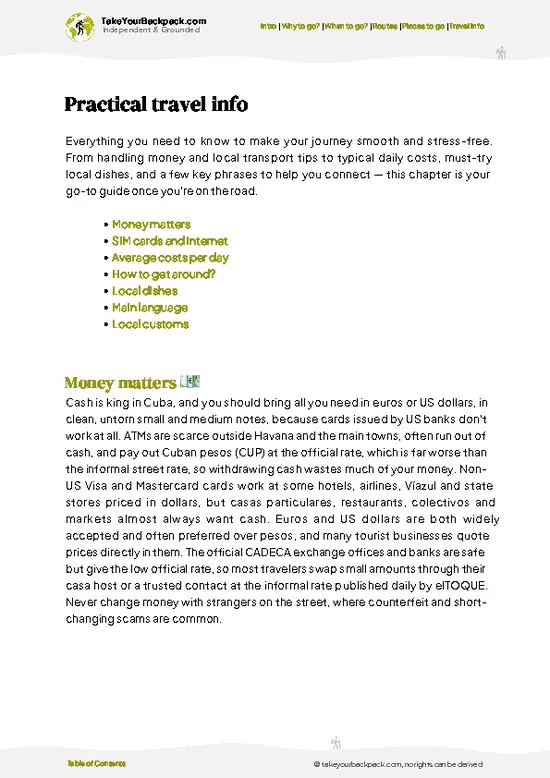
example page 0 from our offline Travel Guide for Cuba
example page 1 from our offline Travel Guide for Cuba
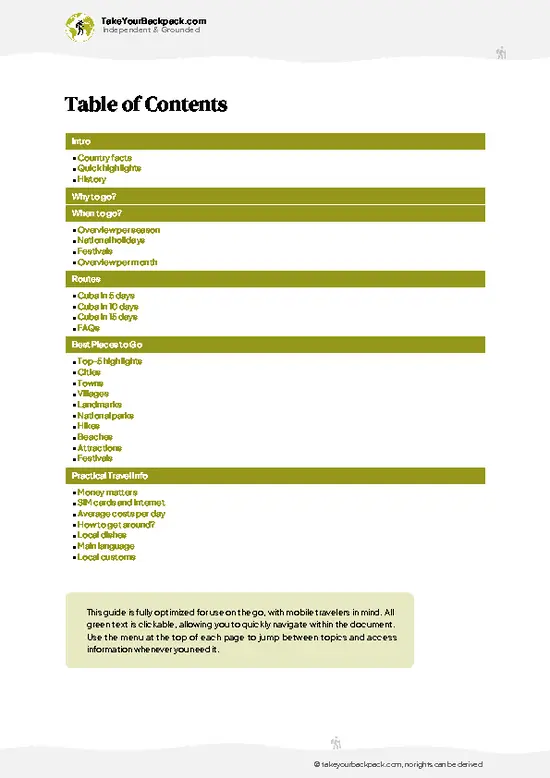
example page 2 from our offline Travel Guide for Cuba
example page 3 from our offline Travel Guide for Cuba
example page 4 from our offline Travel Guide for Cuba
example page 5 from our offline Travel Guide for Cuba
example page 6 from our offline Travel Guide for Cuba
example page 7 from our offline Travel Guide for Cuba
Loading the map 🌍
CLICK TO FILTER
cities
towns
villages
landmarks
national parks
hikes
beaches
attractions
festivals
SHOW COUNTRY’S BESTSHOW ALL

✨ Why go?
Ranked #20 town in Cuba
The unique appeal for travelers

San Luis suits travelers who want a day or two of real Cuban town life between bigger stops. You will find a central plaza where locals gather in the evening, a few casas particulares run by families, and street stalls selling pizza, fried snacks and coffee. It works as a low-key base for the countryside of eastern Cuba, with Santiago de Cuba close enough to visit easily. Slow travelers and Spanish speakers get the most from it. Nightlife is minimal, and you will mostly meet neighbors, not other backpackers.

💡 HighlightsMust-see experiences and standout moments

  1. Parque Central: The heart of town and the best place to watch daily life, with benches, vendors and kids playing. Go late afternoon into evening when it fills up. Free, 30 to 60 minutes.
  2. Iglesia Parroquial: The parish church on the plaza is a modest local landmark worth a look from outside and inside when open. Mornings are best. Donation welcome, 15 to 20 minutes.
  3. Casa de la Cultura: Local venue for music, dance and community events. Ask around for what is on that week. Entry is usually US$1 or less, 1 to 2 hours.
  4. Local market stalls: Small-scale produce and snack sellers around the center offer fruit, coffee and fried street food. Come in the morning for the best choice. Snacks cost about US$0.50 to 2, 30 minutes.
  5. Railway area walk: A stroll past the old rail line shows the town’s working past
… read more 👉
  1. Parque Central: The heart of town and the best place to watch daily life, with benches, vendors and kids playing. Go late afternoon into evening when it fills up. Free, 30 to 60 minutes.
  2. Iglesia Parroquial: The parish church on the plaza is a modest local landmark worth a look from outside and inside when open. Mornings are best. Donation welcome, 15 to 20 minutes.
  3. Casa de la Cultura: Local venue for music, dance and community events. Ask around for what is on that week. Entry is usually US$1 or less, 1 to 2 hours.
  4. Local market stalls: Small-scale produce and snack sellers around the center offer fruit, coffee and fried street food. Come in the morning for the best choice. Snacks cost about US$0.50 to 2, 30 minutes.
  5. Railway area walk: A stroll past the old rail line shows the town’s working past and rural edges. Go early or late for cooler light. Free, about 1 hour.
San Luis makes a good starting point for day trips to Santiago de Cuba, the Castillo del Morro, the Basílica del Cobre and Palma Soriano. The plaza and the railway walk cost nothing, and the Casa de la Cultura costs the least of anything with a ticket.
Spotted a mistake or missing something? Contact us.

🏘️ NeighborhoodsKey areas and districts to know

San Luis is small, so the useful question is which few areas deserve your hours, and the answer is mostly the center.
  • Parque Moncada and the center: Start here. Shaded benches, the Casa de Cultura Manuel Armero Sánchez and peso-priced snack counters make this the place to watch town life. Evenings bring music and the only real nightlife.
  • Museo 29 de Abril area: Worth an hour if you care about the independence wars. Skip it if exhibits bore you, since little else around it holds your attention.
  • Sugar and coffee outskirts: Walk or cycle out for cane fields and hillside farms. The views are good, the shade is thin, and there is nothing to buy, so carry water.
  • La Mejorana: The 1895 meeting site sits outside the center and suits history readers. Casual visitors can skip it.

⌛️ 1 dayA smart one-day plan

This is a slow wander-and-watch day in a town without a checklist.
8:00 AM: Casa particular breakfast Start with eggs, bread and strong coffee from your host, then ask what is happening locally.
9:30 AM: Market stalls Walk to the center and sample fruit and coffee from small sellers. Prices are low and conversation is easy.
11:00 AM: Iglesia Parroquial and Parque Central Step inside the church if open, then sit on the plaza and watch the town work.
2:00 PM: Railway area walk Follow the old rail line to the edge of town, a quiet corner most visitors never see, with fields, houses and local life.
6:00 PM: Casa de la Cultura Check for music or dance, then finish on the plaza as the evening crowd arrives.

🌤️ When to go?Weather, crowds, and seasonal trade-offs

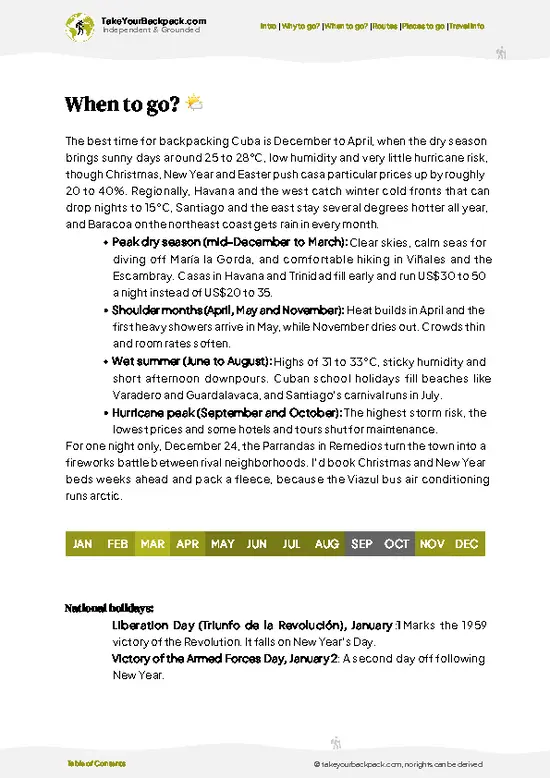
The best months are November to April, when days run 24 to 30°C (75 to 86°F) and the air is drier.
  • Dry Season (Nov to Apr): Comfortable walking weather, about 11 hours of daylight in winter, and the busiest period for Santiago de Cuba, so rooms cost slightly more.
  • Wet Season (May to Oct): Hot at 31 to 35°C (88 to 95°F), with heavy afternoon rain and hurricane risk peaking August to October. Prices dip and crowds thin.
Schedule outdoor walks for the morning in any month.

source: climatestotravel.comJANJanuary: highly recommended for travelingFEBFebruary: highly recommended for travelingMARMarch: highly recommended for travelingAPRApril: excellent for travelingMAYMay: fair for travelingJUNJune: fair for travelingJULJuly: fair for travelingAUGAugust: fair for travelingSEPSeptember: below average for travelingOCTOctober: fair for travelingNOVNovember: excellent for travelingDECDecember: highly recommended for traveling
when-to-go

✈️ The backpacker research shortcutCuba Travel Guide

An offline-friendly backpacking guide with optimized travel routes, ranked highlights, transport advice, and the best areas to stay.
example page 0 from our offline Travel Guide for Cuba
example page 1 from our offline Travel Guide for Cuba
example page 2 from our offline Travel Guide for Cuba
example page 3 from our offline Travel Guide for Cuba
example page 4 from our offline Travel Guide for Cuba
example page 5 from our offline Travel Guide for Cuba
example page 6 from our offline Travel Guide for Cuba
example page 7 from our offline Travel Guide for Cuba
The digital guide (327 pages) contains:
✅ 113 highlights, ranked by travel appeal
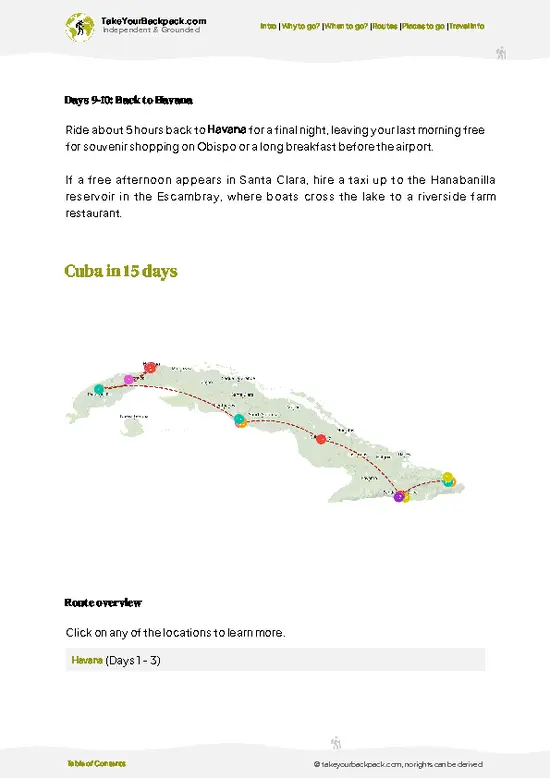
✅ Optimized 5, 10 & 15-day travel routes
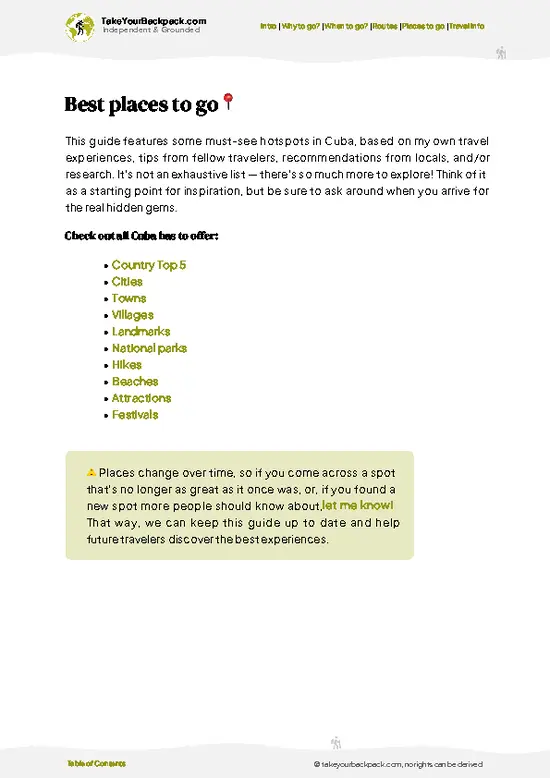
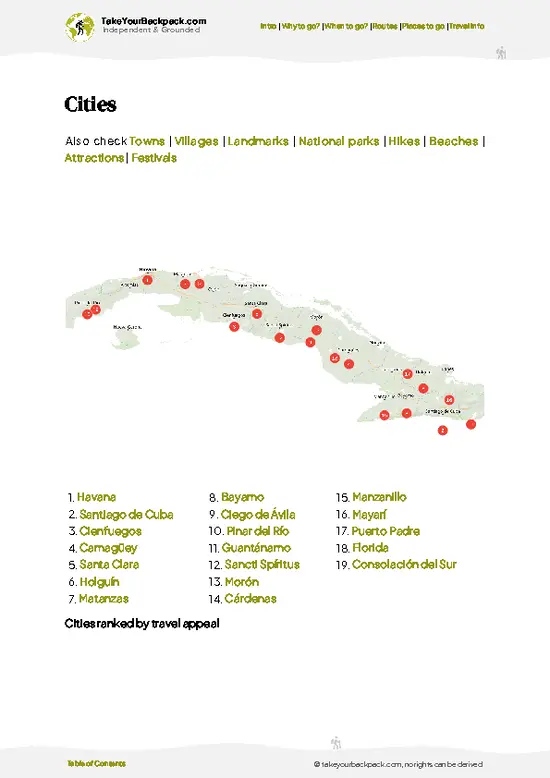
✅ Cities, national parks, landmarks, beaches
✅ How to get around
✅ Offline-friendly for travel without Wi-Fi
👉 Click to see all 30+ guide features

📅 Plan smarter in minutes, not weeks
✅ Month by month travel advice
✅ Festivals & national holidays
✅ Budget expectations

🗺️ Go to the right places, skip the overrated ones
✅ Honest pros & cons of destinations
✅ Top hikes, parks & viewpoints
✅ Lesser-known places most travelers miss
✅ Clear “worth it vs skip it” guidance

🛏️ Travel smoothly without rookie mistakes
✅ Best areas to stay
✅ Transport systems explained simply
✅ Common scams & safety advice
✅ SIM cards, money & practical tips

🌍 Understand the country, not just visit it
✅ Culture & traditions
✅ 52 Essential phrases & customs
✅ Festivals worth planning around
✅ Traveler-friendly historical context
✅ Insights that make places more meaningful

📱 Built for real travel conditions
✅ Fully downloadable PDF
✅ Works completely offline
✅ Optimized for phone use
✅ Useful in remote areas & buses
✅ Everything in one place
Stop searching, start planning
Get instant access to your full guide. 30‑day money-back guarantee.
+ Add another guide for just

By proceeding you agree to our terms.
Sent to your inbox immediately after payment • 100% Secure Checkout
Best Backpacking Travel Advisor 2025 tourism awardBest Backpacking
Travel Advisor
2025
What others say about Take Your Backpack Guides:
⭐⭐⭐⭐⭐
Fantastic, amazing amount of information!
⭐⭐⭐⭐⭐
My goodness this is amazing, it's what I've been looking for hats off too you!
⭐⭐⭐⭐⭐
I think this is absolutely BRILLIANT
⭐⭐⭐⭐
Very complete and informative. It's still missing places, but I gotta to commend you
⭐⭐⭐⭐⭐
This is truly amazing, thank you, can't wait to explore it with my kids!
⭐⭐⭐⭐⭐
Awesome resource, thank you!
⭐⭐⭐⭐⭐
This is amazing! Can't wait to explore the ones I haven't seen
⭐⭐⭐⭐
I love this! Well done, great idea.
⭐⭐⭐⭐⭐
Thanks for taking the time to make this gem!
⭐⭐⭐⭐⭐
This might be the best website I've ever seen.
⭐⭐⭐⭐⭐
Congratulations, and thank you so much for your work; it's incredibly valuable.
⭐⭐⭐⭐
In all seriousness I think you did a great job pointing out the important spots
⭐⭐⭐⭐⭐
10/10 very good
⭐⭐⭐⭐⭐
As someone who's only just starting to visit regularly this is awesome, thank you.
⭐⭐⭐⭐
Thank you very much! I'm going to visit my dad, it's going to be very useful!
⭐⭐⭐⭐⭐
This is really cool! We'll be travelling for the first time and this definitely come in handy.
⭐⭐⭐⭐⭐
You are now our minister of culture, congratulations 👨‍💼
⭐⭐⭐⭐⭐
Just wanted to tell you that this is a pearl! Going to follow your recommendations.
⭐⭐⭐⭐⭐
This is so cool. I'll definitely be using the resource for my travels soon.
⭐⭐⭐⭐⭐
This is very impressive! Good work.
⭐⭐⭐⭐⭐
This is an amazing and informative site. Very well done!

🛏️ Where to stay?How to pick the right area

Stay in a casa particular near Parque Central, which is where most licensed rooms are found in San Luis. Expect private rooms of about US$15 to 25 a night, because dorm hostels do not really exist here. The center is quiet at night, within a few minutes’ walk of food and the colectivo pickup, and noise is limited to evening music around the square. Rooms on side streets away from the main road are quieter, and hosts will cook breakfast and dinner if you ask.

🚌 Getting aroundHow to get from A to B

San Luis is compact, so walking is the easiest way to get around, and the few streets worth seeing take under 20 minutes to cross. Traffic is light, but public transport is thin and irregular, so plan for waiting.
  • Walking: Free and the best choice for the center and the nearby tobacco fields. Start early, because midday heat is draining.
  • Bici-taxi: Pedal-powered cabs run short hops for about US$1 to 2 per ride. Agree the price before you climb in.
  • Shared taxi (colectivo): Old American cars run toward Santiago de Cuba, about 30 km away, for roughly US$2 to 4 per seat in 45 minutes. They leave when full, usually in the morning, and are the best value.
  • Horse cart: Cheap at US$0.50 to 1 for local rides, and slow. Worth trying once, not for any real distance.
  • Private taxi: A whole car to Santiago de
… read more 👉
San Luis is compact, so walking is the easiest way to get around, and the few streets worth seeing take under 20 minutes to cross. Traffic is light, but public transport is thin and irregular, so plan for waiting.
  • Walking: Free and the best choice for the center and the nearby tobacco fields. Start early, because midday heat is draining.
  • Bici-taxi: Pedal-powered cabs run short hops for about US$1 to 2 per ride. Agree the price before you climb in.
  • Shared taxi (colectivo): Old American cars run toward Santiago de Cuba, about 30 km away, for roughly US$2 to 4 per seat in 45 minutes. They leave when full, usually in the morning, and are the best value.
  • Horse cart: Cheap at US$0.50 to 1 for local rides, and slow. Worth trying once, not for any real distance.
  • Private taxi: A whole car to Santiago de Cuba costs around US$20 to 30. Worth it only if you are in a group or carrying heavy bags.

👛 Costs (as of 23 October 2026)Travel costs and budget guide for San Luis (Santiago de Cuba)

San Luis costs a backpacker about US$37 to 69 a day, and the table totals US$51 using high-season rates.
CategoryBudget RangeLocal Reality
Dorm accommodationUS$15 to 25Private casa rooms only, since dorms are rare. Using US$20.
MealsUS$12 to 20Street pizza costs US$1 to 2, while a paladar dinner runs US$6 to 10. Using US$14.
Local transportUS$2 to 6Colectivos and bici-taxis. Using US$4.
Basic activities/entry feesUS$3 to 8Farm visits and tips. Using US$5.
Miscellaneous expensesUS$5 to 10Water, snacks, and tips. Using US$8.
Total Daily BudgetUS$37 to 69US$51
Eat breakfast and dinner at your casa, which usually costs less than a paladar.
⚠️ Prices can change and everyone travels differently, so take this as a rough guide. Hope it helps you plan your adventure!

🚌 Day tripsExploring the surroundings

San Luis sits close to Santiago de Cuba, so day trips are easy by shared taxi or truck, though schedules are loose and you should leave early.
Santiago de Cuba:
The city's Moncada Barracks, Cathedral Park and Casa de la Trova justify a full day. Collective taxis take 45 minutes to 1 hour and cost roughly US$2 to 4 each way. Go November to April for cooler streets. First-timers often arrive too late and miss the museums, which close mid-afternoon.
👉 Explore Santiago de Cuba
El Cobre:
The hilltop basilica of the Virgin of Charity draws pilgrims and is the island's most important shrine. Plan 2 to 3 hours each way via Santiago, with a total near US$8 to 12. Visit on a weekday morning, since weekends bring crowds.

Parque Baconao:
Beaches, a prehistoric valley and a car museum lie east of Santiago. … read more 👉
San Luis sits close to Santiago de Cuba, so day trips are easy by shared taxi or truck, though schedules are loose and you should leave early.
Santiago de Cuba:
The city's Moncada Barracks, Cathedral Park and Casa de la Trova justify a full day. Collective taxis take 45 minutes to 1 hour and cost roughly US$2 to 4 each way. Go November to April for cooler streets. First-timers often arrive too late and miss the museums, which close mid-afternoon.
👉 Explore Santiago de Cuba
El Cobre:
The hilltop basilica of the Virgin of Charity draws pilgrims and is the island's most important shrine. Plan 2 to 3 hours each way via Santiago, with a total near US$8 to 12. Visit on a weekday morning, since weekends bring crowds.

Parque Baconao:
Beaches, a prehistoric valley and a car museum lie east of Santiago. Reaching them takes about 2 hours, and a day costs US$15 to 30 with shared transport. Many travelers underestimate distances between sights, so pick two.
👉 Explore Parque Baconao

🛡️ SafetyStaying Safe: What Travelers Should Know

San Luis is calm, and violent crime against travelers is rare. The usual annoyances are jineteros offering cigars, rides or restaurant tips that carry a commission, so a polite no and walking on works. Keep cash and phones out of sight in crowded colectivos. Solo travelers, women included, can walk the center after dark, though streets are poorly lit, so carry a flashlight and stay on main roads.

FAQCommon questions from travelers

San Luis is worth a short visit if you like history rather than beaches. Its Museo 29 de Abril, La Mejorana and Parque Moncada fill a relaxed half day, and entry costs a few dollars at most. Pair it with Santiago de Cuba for a fuller trip.
San Luis needs half a day to one day. The Museo 29 de Abril and Casa de Cultura Manuel Armero Sánchez take about two hours together, and La Mejorana adds another hour. Stay overnight only if you want evening music in Parque Moncada.
San Luis works well as a day trip from Santiago de Cuba, roughly 45 minutes to 1 hour away by shared taxi or truck, at about US$2 to 4 each way. Leave by 8 am to see the museum and La Mejorana before the afternoon heat. Return transport thins out by late afternoon, so confirm your ride back.
⚠️ Things can change over time, so always validate details locally before you go.

Other Cuban towns near San Luis (Santiago de Cuba)

Explore more nearby:

  • Las Guasimas—battlefield site, rural hamlet, open savanna| 26 km away
  • Banes—Taíno pottery, sugar-era museum, plaza evenings| 87 km away
  • Gibara—Laurel square, Spanish forts, bay seawall, shell museum| 107 km away

💡 Not sure where to go next?
Create a personalized itinerary for Cuba including San Luis (Santiago de Cuba) and the places that fit your trip.

Generate my itinerary

👉 Discover all towns

Or checkout all Cuba has to offer (think cities, towns, villages, national parks, hikes, beaches, festivals)
Country photo of Cuba

We 💚 feedbackWhat to keep in mind

San Luis rewards those who talk to people. First-time visitors overlook the plaza at dusk, when the whole town turns out and conversations start easily. I would carry small bills and a few Spanish phrases, and plan to stay one night.

✈️ When did I visit Cuba?
As part of my 1.5 year travel around the world trip, I visited Cuba for 6 weeks in February, March 2016, being extremely lucky that that coincided with the free concert of The Rolling Stones.

✍️ Help improve this page!
The information on this page is based on my own backpacking experience in Cuba, supplemented with up-to-date research and feedback from other travelers. Travel details can change, so if you notice anything outdated or incomplete, feel free to let me know.


🙋‍♂️ Give feedback

👋 Meet the founderWho’s Behind Take Your Backpack?

Johan, backpacker and founder of TakeYourBackpackHi, I’m Johan (Netherlands 🇳🇱), the creator of TakeYourBackpack. Over the past 3 decades, I’ve backpacked through 90+ countries across six continents, gaining extensive experience with independent travel, long-term trips, and overland routes.

This site is built on a combination of firsthand travel experience and carefully curated insights from other backpackers. Many guides are based on places I’ve personally visited, while others bring together tips, observations, and practical advice shared by trusted travelers I’ve met along the way.

The goal is to provide realistic, experience-driven guidance — not generic itineraries — so you can explore destinations with better context, clearer expectations, and more confidence.