×

DR Congo🇨🇩 | townsKasumbalesamajor border crossing, customs zone, truck stop | things to do and best time to go

Explore ManonoExplore Luebo

Backpacking in Kasumbalesa
🏆 Top picktown ranked #6
By Johan Kruseman 🇳🇱 | Updated May 7, 2026

Everyone talks about Kasumbalesa as a border crossing—just a stamp in the passport, a blur of trucks and bureaucracy. But if you’re actually traveling, not just transiting, what matters more is how this gritty, sun-baked town functions as a real-world pivot point. Kasumbalesa sits in the far south of DR Congo, pressed against Zambia, and it’s less a destination than a crossroads—dusty, loud, and pulsing with the commerce of two countries colliding. For backpackers, it’s rarely a place to linger, but it’s a crucial stop if you’re threading together a route between Lubumbashi and Zambia’s Copperbelt. The market is kinetic, with the scent of grilled maize and diesel hanging in the air, but don’t expect a charming old town or café culture. You’ll find basic guesthouses, a few cheap eats, and plenty of people moving with purpose. It’s not especially social—most travelers are just passing through, and evenings are quiet, sometimes tense. Costs are low, but so is comfort. Compared to Lubumbashi, Kasumbalesa is more practical than scenic, more transient than relaxed. Safety is a concern after dark, and you’ll want to keep your wits about you. But if you treat Kasumbalesa as a launchpad—efficient, no-nonsense, and real—you’ll unlock a smoother, more confident crossing into the next chapter of your journey.

Discover everything you want to know in the 📖 DR Congo Travel Guide.
Safety warning

The current risk level for DR Congo is high. Check the advice before going.


Get your DR Congo guide
96 ranked highlights, routes & tips, works offline (378 pages)
Loading the map 🌍
CLICK TO FILTER
cities
towns
landmarks
national parks
hikes
beaches
attractions
festivals
regions
SHOW COUNTRY’S BESTSHOW ALL

✨ Why go?
Ranked #6 town in DR Congo
What sets this place apart

Kasumbalesa is a gateway for backpackers exploring the DR Congo. Its proximity to stunning hikes and cultural sites makes it a strategic stop. The town is a launchpad for adventures into the nearby Mount Loma and Lake Tanganyika, where the air is thick with the scent of earth and water.

You’ll find small-scale guesthouses and hostels that offer a cozy, communal vibe, perfect for solo travelers or small groups looking to connect. The walkable streets are lined with local eateries serving up hearty dishes that reflect the region’s rich culinary tapestry.

Most travelers tend to stay a few days, soaking in the friendly atmosphere and sharing stories with fellow adventurers. It’s not a party town, but the social energy is palpable, making it ideal for those who appreciate a slower pace. If … read more 👉
Kasumbalesa is a gateway for backpackers exploring the DR Congo. Its proximity to stunning hikes and cultural sites makes it a strategic stop. The town is a launchpad for adventures into the nearby Mount Loma and Lake Tanganyika, where the air is thick with the scent of earth and water.

You’ll find small-scale guesthouses and hostels that offer a cozy, communal vibe, perfect for solo travelers or small groups looking to connect. The walkable streets are lined with local eateries serving up hearty dishes that reflect the region’s rich culinary tapestry.

Most travelers tend to stay a few days, soaking in the friendly atmosphere and sharing stories with fellow adventurers. It’s not a party town, but the social energy is palpable, making it ideal for those who appreciate a slower pace. If you’re a hiker or a cultural enthusiast, Kasumbalesa is more than just a stopover; it’s a place to linger and truly absorb the essence of the DR Congo.
Want to include Kasumbalesa in your DR Congo route?
Create a personalized DR Congo itinerary that includes Kasumbalesa and the places that fit your trip — based on your travel style, budget, and available time. Get your route in seconds.

Generate my trip

💡 HighlightsDon't-miss highlights and experiences

  • Kasumbalesa Border Post (Customs & Immigration) — The beating heart of the town: the official crossing where you can watch how goods and people move between the DRC and Zambia. It’s raw, noisy, and honest—a real lesson in how regional trade runs, and useful if you’re crossing the border yourself.
  • Kasumbalesa Market — A sprawling, largely open-air market where traders from both countries hoist wares side-by-side. Great for bargain hunting, seeing cross-border supply chains up close, and tasting street snacks while you watch bartering in several languages.
  • Truck Parks & Logistics Hubs — These enormous parking and processing areas are spectacles of commerce: rows of articulated trucks, improvised repair stalls, and driver camps. If you’re into industrial rhythms and people-watching, this
read more 👉
  • Kasumbalesa Border Post (Customs & Immigration) — The beating heart of the town: the official crossing where you can watch how goods and people move between the DRC and Zambia. It’s raw, noisy, and honest—a real lesson in how regional trade runs, and useful if you’re crossing the border yourself.
  • Kasumbalesa Market — A sprawling, largely open-air market where traders from both countries hoist wares side-by-side. Great for bargain hunting, seeing cross-border supply chains up close, and tasting street snacks while you watch bartering in several languages.
  • Truck Parks & Logistics Hubs — These enormous parking and processing areas are spectacles of commerce: rows of articulated trucks, improvised repair stalls, and driver camps. If you’re into industrial rhythms and people-watching, this is where the town’s economy becomes visible.
  • Mechanic and Spare-parts Row — A tight stretch of workshops and parts sellers that keeps the trucks moving. Visiting gives you a window into local engineering know-how and the improvisational repairs that keep cross-border trade alive.
  • Currency-Exchange Corridor — A lively strip of small desks and windows where rates are shouted and decisions are made in real time. It’s both practical (you’ll need local cash) and culturally interesting—watch the negotiation and informal networks at work.
  • Evening Street-Food Cluster — When the heat eases, vendors set up grills and small tables. Try local grilled meat, fried snacks and cold drinks while listening to traders swap stories; it’s the best way to sample everyday life after the daytime bustle.
  • Central Places of Worship — The town’s main church and mosque are hubs of community life. Visiting a service or simply observing the comings-and-goings offers insight into the social fabric that keeps the frontier town stable.
  • Main Road Overlook — A simple vantage point along the road into town where you can see the flow of trucks, buses and pedestrians converge. It’s low-effort, free, and an excellent spot for photos and studying border logistics from a safe distance.
  • Trader Guesthouses & Cafés — Small, family-run guesthouses and cafés that cater to cross-border traders are where deals are whispered and routes are planned. Spend an hour here to pick up travel tips, local news, and sometimes a surprisingly good home-cooked meal.
  • Fresh-produce & Livestock Section of the Market — The part of town where farmers bring vegetables, fruit and animals for sale. It’s noisy and slightly chaotic, but visiting gives a real sense of rural-urban exchange and local foodways you won’t find in guidebooks.
A few real, visitable highlights just outside Kasumbalesa that make good day trips include the Zambian border town of Chililabombwe, the larger regional hub of Lubumbashi to the north, and nearby Copperbelt mining towns where you can see the industrial landscape that shapes this whole region.
Spotted a mistake or missing something? Contact us.
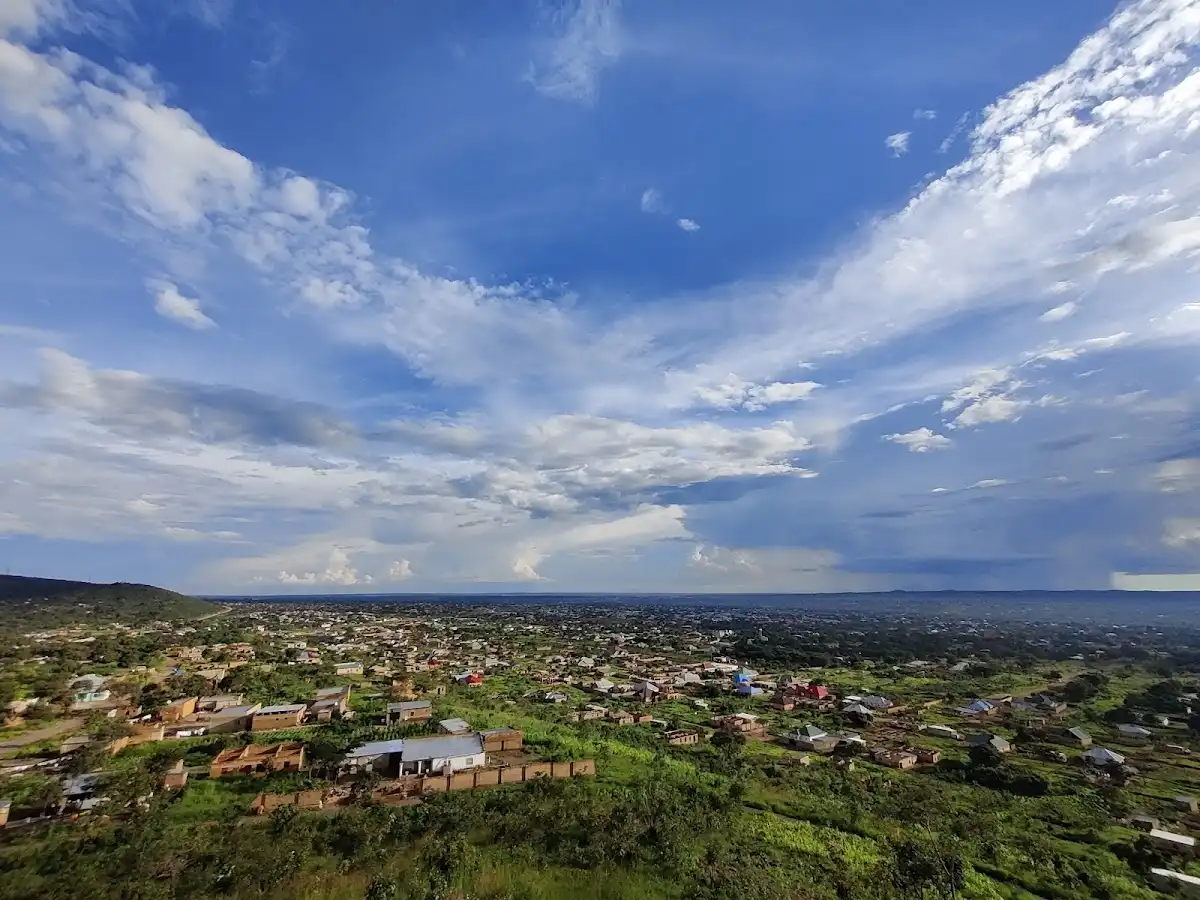
🏘️ NeighborhoodsUnderstanding the local layout

Kasumbalesa is a bustling border town in DR Congo, where the energy of trade meets the warmth of local culture. Here’s how to navigate its neighborhoods for a smoother experience.

Central Market Area
This is the heart of Kasumbalesa. The air is thick with the scent of spices and fresh produce. It’s walkable, vibrant, and perfect for short stays. You’ll find affordable accommodations and street food that won’t break the bank. The nightlife here is low-key, with local bars offering a taste of Congolese music.

Residential Zone
Quieter and more laid-back, this area is ideal for longer stays. The vibe is friendly, with locals often greeting you. It’s a bit further from the market, but you can easily catch a taxi or walk. Prices for lodging are reasonable, and you’ll get a more authentic … read more 👉
Kasumbalesa is a bustling border town in DR Congo, where the energy of trade meets the warmth of local culture. Here’s how to navigate its neighborhoods for a smoother experience.

Central Market Area
This is the heart of Kasumbalesa. The air is thick with the scent of spices and fresh produce. It’s walkable, vibrant, and perfect for short stays. You’ll find affordable accommodations and street food that won’t break the bank. The nightlife here is low-key, with local bars offering a taste of Congolese music.

Residential Zone
Quieter and more laid-back, this area is ideal for longer stays. The vibe is friendly, with locals often greeting you. It’s a bit further from the market, but you can easily catch a taxi or walk. Prices for lodging are reasonable, and you’ll get a more authentic feel of daily life in Kasumbalesa.

Border Crossing Area
This zone is all about transit. It’s busy and can feel chaotic, but it’s essential for those heading to Zambia. While not the most scenic, it’s practical for quick stops. Accommodations are basic, but you’ll find everything you need for a night before crossing.

Each area has its own charm and challenges, but understanding them will help you unlock the best of Kasumbalesa.

⌛️ 1 dayA smart one-day plan

Kasumbalesa, a bustling border town in DR Congo, offers a unique blend of local culture and vibrant market life. It’s a place where the hum of daily commerce meets the warmth of community, making it a fascinating stop for any traveler.

Start your morning at the local market, where the air is rich with the scent of fresh produce and spices. Vendors call out, showcasing colorful fruits and vegetables. Grab a few mangos or bananas for a quick breakfast. Engage with the locals; their smiles and stories are as refreshing as the morning sun.

After soaking in the market’s energy, head to the nearby Kasumbalesa River. The gentle flow of water provides a serene backdrop. Take a moment to breathe in the earthy scent of the riverbanks, where children often play and fishermen cast their nets. This … read more 👉
Kasumbalesa, a bustling border town in DR Congo, offers a unique blend of local culture and vibrant market life. It’s a place where the hum of daily commerce meets the warmth of community, making it a fascinating stop for any traveler.

Start your morning at the local market, where the air is rich with the scent of fresh produce and spices. Vendors call out, showcasing colorful fruits and vegetables. Grab a few mangos or bananas for a quick breakfast. Engage with the locals; their smiles and stories are as refreshing as the morning sun.

After soaking in the market’s energy, head to the nearby Kasumbalesa River. The gentle flow of water provides a serene backdrop. Take a moment to breathe in the earthy scent of the riverbanks, where children often play and fishermen cast their nets. This is a slice of everyday life that many tourists miss, but it’s worth the detour.

In the afternoon, explore the neighborhoods of Kamatanda and Kafubu. Here, you’ll find small artisan workshops where craftsmen create beautiful handmade goods. Watch as they work, and don’t hesitate to ask questions. This interaction adds depth to your experience, transforming a simple visit into a meaningful exchange.

As evening approaches, make your way to a local eatery. The aroma of grilled fish and cassava fills the air. Enjoy a meal while chatting with locals, who are eager to share their stories and traditions.

Kasumbalesa may not be on every tourist’s radar, but its charm lies in these authentic moments. Embrace the rhythm of the town, and you’ll leave with a deeper understanding of its spirit.
Turn your Kasumbalesa visit into an DR Congo adventure
Build a complete DR Congo route with Kasumbalesa, hidden gems, must-see destinations, and realistic travel times included.

Generate my trip

🌤️ When to go?Choosing the right time of year


  • Topic: Weather – Kasumbalesa sits in a tropical savanna climate, meaning you’ll face a wet season from November to April. Heavy rains can turn roads into mud traps, slowing travel and dampening outdoor plans. The dry season, May to October, offers clearer skies and easier trekking conditions.

  • Topic: Temperature – Expect highs around 28-32°C (82-90°F) year-round, but nights cool down to 15-20°C (59-68°F) during the dry months. The wet season feels hotter and stickier, so pack breathable clothes and prepare for humidity.

  • Topic: Daylight Hours – Near the equator, daylight stays steady at about 12 hours daily. Sunrise is roughly 6:30 AM, sunset near 6:30 PM, giving you a reliable window for exploration without drastic seasonal shifts.

  • Topic: Crowds – Kasumbalesa is a border town, busy
read more 👉

  • Topic: Weather – Kasumbalesa sits in a tropical savanna climate, meaning you’ll face a wet season from November to April. Heavy rains can turn roads into mud traps, slowing travel and dampening outdoor plans. The dry season, May to October, offers clearer skies and easier trekking conditions.

  • Topic: Temperature – Expect highs around 28-32°C (82-90°F) year-round, but nights cool down to 15-20°C (59-68°F) during the dry months. The wet season feels hotter and stickier, so pack breathable clothes and prepare for humidity.

  • Topic: Daylight Hours – Near the equator, daylight stays steady at about 12 hours daily. Sunrise is roughly 6:30 AM, sunset near 6:30 PM, giving you a reliable window for exploration without drastic seasonal shifts.

  • Topic: Crowds – Kasumbalesa is a border town, busy year-round with traders and truckers. However, the dry season sees a slight dip in traffic jams and a smoother flow at customs, making your border crossing less chaotic.

  • Topic: Seasonal Activities – The dry season is prime for hiking and crossing into Zambia without weather-related delays. Wet months can flood paths and limit outdoor ventures, so plan accordingly if you want to move freely.

  • Topic: Price Fluctuations – Expect prices for lodging and transport to rise slightly during the dry season when travel is easier and demand peaks. The wet season offers cheaper rates but at the cost of comfort and reliability.


Pro-tip: Aim for the shoulder months of May or October—less rain, fewer crowds, and better prices—so you get the best of Kasumbalesa’s rugged charm without the usual travel headaches.


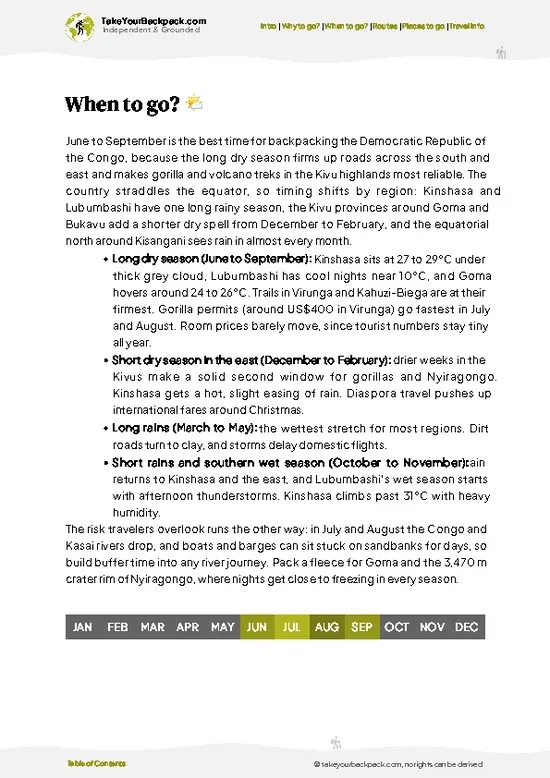
source: climatestotravel.comJANJanuary: fair for travelingFEBFebruary: fair for travelingMARMarch: fair for travelingAPRApril: fair for travelingMAYMay: highly recommended for travelingJUNJune: excellent for travelingJULJuly: excellent for travelingAUGAugust: excellent for travelingSEPSeptember: excellent for travelingOCTOctober: highly recommended for travelingNOVNovember: fair for travelingDECDecember: fair for traveling
democratic-republic-of-the-congo-city-kasumbalesa
© Google |

✈️ The backpacker research shortcutDR Congo Travel Guide

An offline-friendly backpacking guide with optimized travel routes, ranked highlights, transport advice, and the best areas to stay.
example page 0 from our offline Travel Guide for Democratic Republic of the Congoexample page 1 from our offline Travel Guide for Democratic Republic of the Congoexample page 2 from our offline Travel Guide for Democratic Republic of the Congoexample page 3 from our offline Travel Guide for Democratic Republic of the Congoexample page 4 from our offline Travel Guide for Democratic Republic of the Congoexample page 5 from our offline Travel Guide for Democratic Republic of the Congoexample page 6 from our offline Travel Guide for Democratic Republic of the Congoexample page 7 from our offline Travel Guide for Democratic Republic of the Congo
The digital guide (378 pages) contains:
96 highlights, ranked by travel appeal
Optimized 7, 14 & 21-day travel routes
Cities, national parks, landmarks, beaches
How to get around
Offline-friendly for travel without Wi-Fi
👉 Click to see all 30+ guide features

📅 Plan smarter in minutes, not weeks
Month by month travel advice
Festivals & national holidays
Budget expectations

🗺️ Go to the right places, skip the overrated ones
Honest pros & cons of destinations
Top hikes, parks & viewpoints
Lesser-known places most travelers miss
Clear “worth it vs skip it” guidance

🛏️ Travel smoothly without rookie mistakes
Best areas to stay
Transport systems explained simply
Common scams & safety advice
SIM cards, money & practical tips

🌍 Understand the country, not just visit it
Culture & traditions
52 Essential phrases & customs
Festivals worth planning around
Traveler-friendly historical context
Insights that make places more meaningful

📱 Built for real travel conditions
Fully downloadable PDF
Works completely offline
Optimized for phone use
Useful in remote areas & buses
Everything in one place
Save weeks of stressful planning
Get instant access to your full guide. 30‑day money-back guarantee.


By proceeding you agree to our terms.
Sent to your inbox immediately after payment • 100% Secure Checkout
Best Backpacking Travel Advisor 2025 tourism awardBest Backpacking
Travel Advisor
2025
What others say about Take Your Backpack Guides:
⭐⭐⭐⭐⭐
Fantastic, amazing amount of information!
⭐⭐⭐⭐⭐
My goodness this is amazing, it's what I've been looking for hats off too you!
⭐⭐⭐⭐⭐
I think this is absolutely BRILLIANT
⭐⭐⭐⭐
Very complete and informative. It's still missing places, but I gotta to commend you
⭐⭐⭐⭐⭐
This is truly amazing, thank you, can't wait to explore it with my kids!
⭐⭐⭐⭐⭐
Awesome resource, thank you!
⭐⭐⭐⭐⭐
This is amazing! Can't wait to explore the ones I haven't seen
⭐⭐⭐⭐
I love this! Well done, great idea.
⭐⭐⭐⭐⭐
Thanks for taking the time to make this gem!
⭐⭐⭐⭐⭐
This might be the best website I've ever seen.
⭐⭐⭐⭐⭐
Congratulations, and thank you so much for your work; it's incredibly valuable.
⭐⭐⭐⭐
In all seriousness I think you did a great job pointing out the important spots
⭐⭐⭐⭐⭐
10/10 very good
⭐⭐⭐⭐⭐
As someone who's only just starting to visit regularly this is awesome, thank you.
⭐⭐⭐⭐
Thank you very much! I'm going to visit my dad, it's going to be very useful!
⭐⭐⭐⭐⭐
This is really cool! We'll be travelling for the first time and this definitely come in handy.
⭐⭐⭐⭐⭐
You are now our minister of culture, congratulations 👨‍💼
⭐⭐⭐⭐⭐
Just wanted to tell you that this is a pearl! Going to follow your recommendations.
⭐⭐⭐⭐⭐
This is so cool. I'll definitely be using the resource for my travels soon.
⭐⭐⭐⭐⭐
This is very impressive! Good work.
⭐⭐⭐⭐⭐
This is an amazing and informative site. Very well done!

🛏️ Where to stay?Best areas to stay in DR Congo

Kasumbalesa is a gritty border town where the pulse of DR Congo’s trade beats loud and raw. For backpackers, the best place to stay is near the main market district, just a short walk from the border crossing. This area hums with energy—vendors shouting, the scent of grilled meat mingling with diesel fumes, and the constant shuffle of traders and truck drivers. It’s not polished, but it’s where you’ll find the most budget-friendly guesthouses and a handful of hostels that cater to solo travelers and those looking to connect with others on the road.

Staying here means you’re plugged into the town’s … read more 👉
Kasumbalesa is a gritty border town where the pulse of DR Congo’s trade beats loud and raw. For backpackers, the best place to stay is near the main market district, just a short walk from the border crossing. This area hums with energy—vendors shouting, the scent of grilled meat mingling with diesel fumes, and the constant shuffle of traders and truck drivers. It’s not polished, but it’s where you’ll find the most budget-friendly guesthouses and a handful of hostels that cater to solo travelers and those looking to connect with others on the road.

Staying here means you’re plugged into the town’s lifeblood. It’s safer than wandering into the more industrial or residential zones, where the vibe can turn tense and navigation tricky after dark. The market area offers a social atmosphere—locals and travelers alike gather around small eateries and street stalls, making it easier to strike up conversations and share tips. The light here is harsh midday but softens into a dusty orange glow by late afternoon, giving the whole place a rugged charm that feels earned, not staged. Avoid the outskirts unless you have a local guide; the heart of Kasumbalesa is where you’ll find the real stories and the practical comforts for a budget traveler.

🚌 Getting aroundHow to get from A to B

Kasumbalesa moves at its own pulse—less clockwork, more improvisation. The border town straddling DR Congo and Zambia is a gritty hub where schedules blur into the hum of trucks, traders, and locals weaving through dust and heat. It’s not about catching a bus at the exact minute but reading the rhythm of the day: the early morning rush when the sun is still soft and the air smells of diesel and fresh produce, the midday lull under a relentless sun, and the late afternoon surge as everyone races to cross before nightfall. Here, patience is your best gear, and knowing the flow means you can slip through the chaos with ease.


  • Walking: The most reliable way to navigate Kasumbalesa’s compact center and border area. The streets are dusty, uneven, and bustling with vendors and pedestrians, so
read more 👉
Kasumbalesa moves at its own pulse—less clockwork, more improvisation. The border town straddling DR Congo and Zambia is a gritty hub where schedules blur into the hum of trucks, traders, and locals weaving through dust and heat. It’s not about catching a bus at the exact minute but reading the rhythm of the day: the early morning rush when the sun is still soft and the air smells of diesel and fresh produce, the midday lull under a relentless sun, and the late afternoon surge as everyone races to cross before nightfall. Here, patience is your best gear, and knowing the flow means you can slip through the chaos with ease.


  • Walking: The most reliable way to navigate Kasumbalesa’s compact center and border area. The streets are dusty, uneven, and bustling with vendors and pedestrians, so sturdy shoes and a keen eye are essential. Walking lets you soak in the scents of grilled meat and spices, and it’s free—perfect for budget travelers who want to move at their own pace.


  • Shared Minibuses (Matatus): These are the workhorses of local transit, running frequently from early morning (around 6 AM) until dusk (about 6 PM). Fares are dirt cheap, usually under $1, but expect tight, crowded rides with stops on demand. They’re slow but offer a raw slice of local life, with windows down to catch the dry, dusty air and the chatter of passengers.


  • Motorcycle Taxis (Motos): When time is tight or the roads get rough, motos are your go-to. They dart through traffic and uneven paths with agility, charging a bit more than minibuses but still affordable (around $1–$2 for short hops). Helmets aren’t always standard, so hold on tight and prepare for a bumpy, wind-in-your-face ride that cuts through the town’s pulse.


  • Cross-Border Trucks: For those moving between DR Congo and Zambia, trucks are the backbone of freight and informal passenger transport. They leave irregularly, often waiting for full loads, so timing is unpredictable. Riding one means embracing the slow grind of border bureaucracy and the scent of diesel fumes, but it’s a direct, no-frills way to cross with locals and traders.


  • Private Taxis: Less common and pricier, private taxis offer a smoother, faster ride with more comfort and flexibility. They’re best reserved for urgent trips or when traveling with luggage. Expect to negotiate fares upfront, usually starting around $10 for short distances within town.

👛 Costs (as of 5 June 2026)Money, prices, and spending tips

Backpacking in Kasumbalesa, DR Congo, demands a practical approach to budgeting, grounded in the town’s straightforward, no-frills vibe. Here’s what you can expect to spend daily as an independent traveler navigating this border town.
  • Dorm Accommodation: Kasumbalesa’s lodging options are basic and limited. Dorm beds in guesthouses or budget inns typically run between $5 and $10 USD per night. Expect simple rooms with minimal amenities—think a fan rather than air conditioning, and shared bathrooms.
  • Meals: Food here is affordable but utilitarian. Street food and local eateries offer filling meals for around $2 to $5 USD. Staples include maize porridge, grilled fish, or fried plantains. Western-style or imported foods are rare and pricier, so sticking to local fare keeps costs low.
  • Local Transport:
read more 👉
Backpacking in Kasumbalesa, DR Congo, demands a practical approach to budgeting, grounded in the town’s straightforward, no-frills vibe. Here’s what you can expect to spend daily as an independent traveler navigating this border town.
  • Dorm Accommodation: Kasumbalesa’s lodging options are basic and limited. Dorm beds in guesthouses or budget inns typically run between $5 and $10 USD per night. Expect simple rooms with minimal amenities—think a fan rather than air conditioning, and shared bathrooms.
  • Meals: Food here is affordable but utilitarian. Street food and local eateries offer filling meals for around $2 to $5 USD. Staples include maize porridge, grilled fish, or fried plantains. Western-style or imported foods are rare and pricier, so sticking to local fare keeps costs low.
  • Local Transport: Getting around Kasumbalesa is mostly on foot or by shared minibuses (buses collectifs). A typical short ride costs about $0.50 to $1 USD. Taxis exist but are more expensive and less common, so plan for slow, communal travel.
  • Basic Activities/Entry Fees: Kasumbalesa is primarily a transit and trading hub, so paid tourist activities are minimal. Any entry fees, such as for local markets or border crossing formalities, are negligible or included in transport costs. Budget around $1 to $3 USD for incidental fees.
  • Miscellaneous Expenses: This covers essentials like bottled water, phone credit, or small tips. Expect to spend about $1 to $3 USD daily. Water safety is a concern, so bottled water is a must, adding to your daily outlay.

Kasumbalesa’s daily budget for backpackers typically falls between $10 and $22 USD. This range reflects the town’s basic infrastructure and limited tourist services, but with careful planning, you can navigate it smoothly without surprises. The modest costs align with the town’s raw, functional atmosphere—what you save in money, you invest in the authentic, unvarnished experience of this border crossing point.


source: congotourisme.org
⚠️ Prices can change and everyone travels differently, so take this as a rough guide. Hope it helps you plan your adventure!

🚌 Day tripsShort trips worth adding

Kasumbalesa is a bustling border town that serves as a fantastic launchpad for day trips into the heart of DR Congo’s rich landscapes and cultures. Here are some worthwhile excursions that will elevate your experience.

1. Lubumbashi City Exploration
Just a short 45-minute drive from Kasumbalesa, Lubumbashi offers a vibrant mix of colonial architecture and local markets. Stroll through the bustling streets, where the scent of grilled maize wafts through the air, and the sounds of street vendors fill your ears. Don’t miss the vibrant art scene at the Lubumbashi Museum, showcasing local talent. Budget around $10 for transport and a few dollars for snacks. The best time to visit is during the dry season from May to September, when the weather is more forgiving. A common mistake? Skipping the … read more 👉
Kasumbalesa is a bustling border town that serves as a fantastic launchpad for day trips into the heart of DR Congo’s rich landscapes and cultures. Here are some worthwhile excursions that will elevate your experience.

1. Lubumbashi City Exploration
Just a short 45-minute drive from Kasumbalesa, Lubumbashi offers a vibrant mix of colonial architecture and local markets. Stroll through the bustling streets, where the scent of grilled maize wafts through the air, and the sounds of street vendors fill your ears. Don’t miss the vibrant art scene at the Lubumbashi Museum, showcasing local talent. Budget around $10 for transport and a few dollars for snacks. The best time to visit is during the dry season from May to September, when the weather is more forgiving. A common mistake? Skipping the local eateries for overpriced tourist spots.
👉 Explore Lubumbashi

2. Kafubu River Adventure
About an hour from Kasumbalesa, the Kafubu River offers a refreshing escape. Bring your swimsuit and enjoy a swim in the cool waters, surrounded by lush greenery. The riverbanks are perfect for a picnic, where you can savor local fruits while listening to the gentle flow of water. Expect to spend around $5 on transport and snacks. The dry season is ideal for this trip, as the river is more accessible. First-timers often underestimate the river’s beauty, so take your time to soak it all in.


3. The Mining Town of Kipushi
A 90-minute journey will take you to Kipushi, a town steeped in mining history. Explore the remnants of old mines and learn about the region’s mineral wealth. The air is thick with stories of the past, and the local guides are eager to share. Budget around $15 for transport and a guide. Visit during the cooler months from June to August for the best experience. Many newcomers rush through the tour; take your time to engage with the locals for a richer understanding.
👉 Explore Kipushi

4. Lufira River Scenic Walk
Just under an hour away, the Lufira River offers stunning views and a peaceful atmosphere. Walk along the banks, where the vibrant colors of the flora contrast with the deep blue water. Bring a camera; the light here is magical, especially at sunset. Expect to spend about $5 on transport. The dry season is best, as the trails can get muddy. A common mistake is not bringing enough water; stay hydrated to fully enjoy the scenery.
Want to know what more DR Congo offers?
The DR Congo Travel Guide describes 96 highlights, from cities to national parks, from beaches to hikes

Get the Travel Guide -

🛡️ SafetySafety Tips and Common Scams in Kasumbalesa

Kasumbalesa is generally safe, but staying alert enhances your experience. The bustling border area can be overwhelming, especially during peak hours. Keep your belongings close; pickpockets thrive in crowded spots.

If you’re solo, avoid wandering too far after dark. The streets can feel different at night, and it’s best to stick to well-lit areas.

Watch for common scams, like inflated taxi fares or overly eager guides. Always agree on prices beforehand. A friendly smile can go a long way, but don’t hesitate to walk away if something feels off.

Embrace the local atmosphere, but trust your instincts. Carry yourself with confidence, and you’ll navigate Kasumbalesa like a pro. The richness of the experience is worth the extra awareness.

Other Congolese towns near Kasumbalesa

Explore more nearby:

  • Sakania—rail border crossing, copper belt, small town| 99 km away
  • Manono—tin mining, ruined factories, lakeside setting| 553 km away
  • Kongolo—Lualaba River bridge, rail crossing, local markets| 768 km away

💡 Not sure where to go next?
Create a personalized itinerary for DR Congo including Kasumbalesa and the places that fit your trip.

Generate my itinerary

👉 Discover all towns

Or checkout all DR Congo has to offer (think cities, towns, villages, national parks, hikes, beaches, festivals)
Country photo of DR Congo

We 💚 feedbackSumming up the experience

Kasumbalesa has a raw, bustling energy that’s hard to shake off. The scent of grilled street food mingles with the chatter of traders, creating a vibrant atmosphere. The best surprise? The warmth of the locals; they’ll share stories that make you feel like part of the community. Just a heads-up: the border crossing can be chaotic. Embrace the hustle, and you’ll find that the journey is as rewarding as the destination.

✍️ Help improve this page!
The information on this page is based on in-depth research, insights shared by experienced travelers, and feedback from the local travel community in DR Congo. While every effort is made to keep the information accurate and current, conditions can change — so if you spot anything incorrect or outdated, please get in touch.


🙋‍♂️ Give feedback

👋 Meet the founderWho’s Behind Take Your Backpack?

Johan, backpacker and founder of TakeYourBackpackHi, I’m Johan (Netherlands 🇳🇱), the creator of TakeYourBackpack. Over the past decade, I’ve backpacked through 80+ countries across six continents, gaining extensive experience with independent travel, long-term trips, and overland routes.

This site is built on a combination of firsthand travel experience and carefully curated insights from other backpackers. Many guides are based on places I’ve personally visited, while others bring together tips, observations, and practical advice shared by trusted travelers I’ve met along the way.

The goal is to provide realistic, experience-driven guidance — not generic itineraries — so you can explore destinations with better context, clearer expectations, and more confidence.

Get full DR Congo guide •
Instant download • 96 highlights • Full Offline guide