v2.webp)
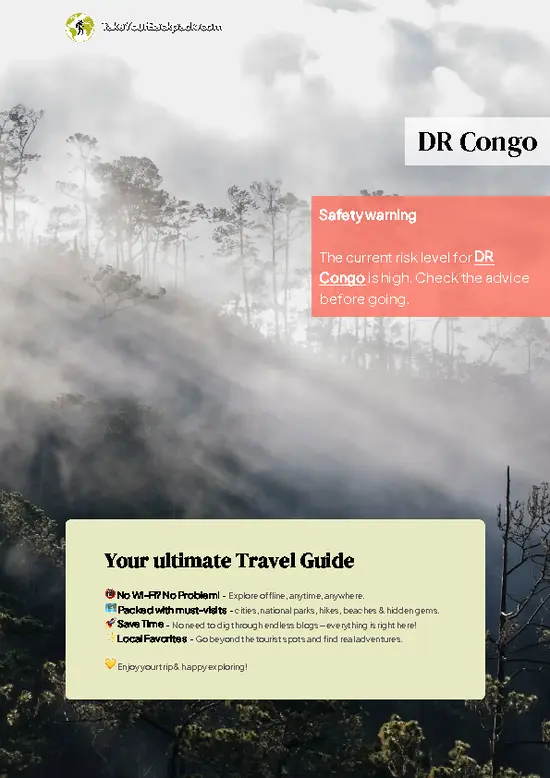
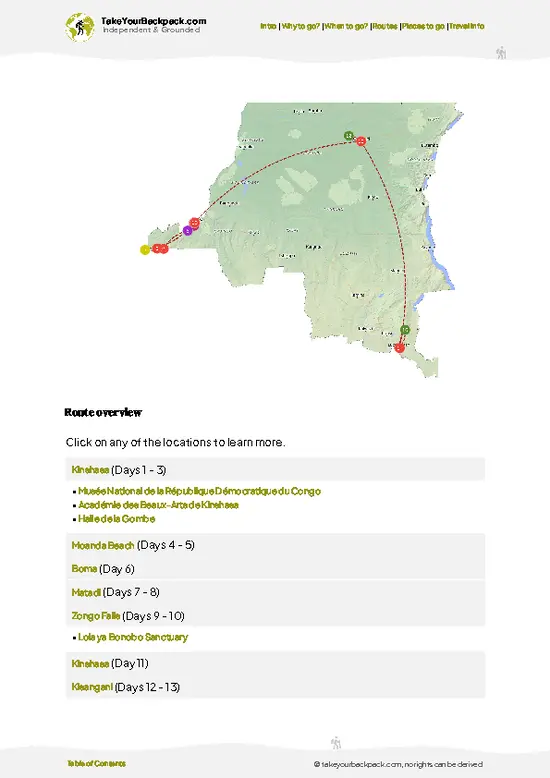
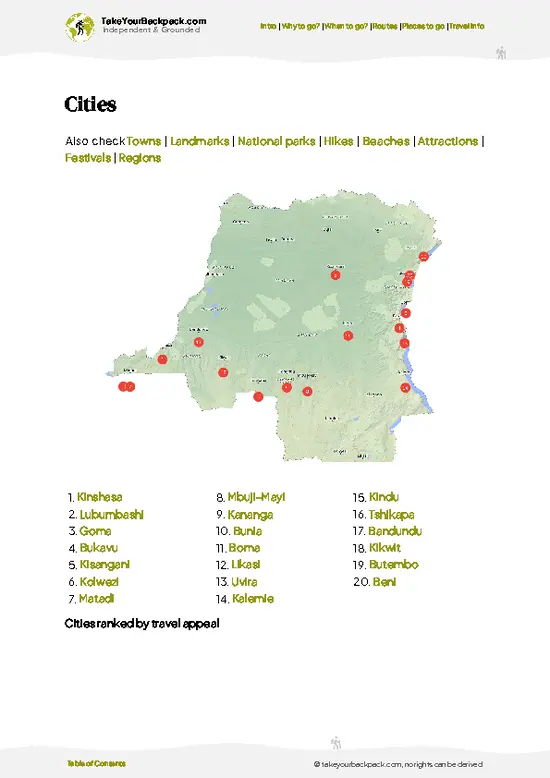
- Lumumba heritage sites around Lodja: Lodja sits in the Tetela country that shaped Patrice Lumumba, and locals can point out places tied to his story. Go in the morning with a local guide. Expect to tip US$5 to 10 and spend 2 hours.
- Central market: Cassava, smoked fish, caterpillars and palm oil fill the stalls. Early morning is liveliest. It is free to enter, and 1 to 2 hours is plenty.
- Lodja Catholic cathedral area: The mission quarter is one of the town’s oldest, with brick buildings and shaded grounds. Mornings are calm and it is free. Allow 45 minutes.
- Riverside at the Lukenie and Lomami edges: Fishermen launch dugout canoes and women wash laundry along the banks. Late afternoon is best. Free, and 1 hour works.
- Local Tetela craft stalls: Look for woven baskets, carved wood and raffia pieces.
- Lumumba heritage sites around Lodja: Lodja sits in the Tetela country that shaped Patrice Lumumba, and locals can point out places tied to his story. Go in the morning with a local guide. Expect to tip US$5 to 10 and spend 2 hours.
- Central market: Cassava, smoked fish, caterpillars and palm oil fill the stalls. Early morning is liveliest. It is free to enter, and 1 to 2 hours is plenty.
- Lodja Catholic cathedral area: The mission quarter is one of the town’s oldest, with brick buildings and shaded grounds. Mornings are calm and it is free. Allow 45 minutes.
- Riverside at the Lukenie and Lomami edges: Fishermen launch dugout canoes and women wash laundry along the banks. Late afternoon is best. Free, and 1 hour works.
- Local Tetela craft stalls: Look for woven baskets, carved wood and raffia pieces. Prices run US$2 to 15 depending on the piece. Allow 1 hour.
Spotted a mistake or missing something? Contact us.

 Best Backpacking
.jpg) Hi, I’m Johan (Netherlands 🇳🇱), the creator of TakeYourBackpack. Over the past 3 decades, I’ve backpacked through 90+ countries across six continents, gaining extensive experience with independent travel, long-term trips, and overland routes.
Hi, I’m Johan (Netherlands 🇳🇱), the creator of TakeYourBackpack. Over the past 3 decades, I’ve backpacked through 90+ countries across six continents, gaining extensive experience with independent travel, long-term trips, and overland routes.