×

Djibouti🇩🇯 | best hikesThe 4 Top hikes in Djibouti

In Djibouti, hiking is defined by stark contrasts—arid landscapes, volcanic formations, and coastal vistas. The difficulty of trails varies significantly, from accessible walks near the capital to challenging treks in the rugged Afar region. Seasonal nuances affect trail conditions; the best time to hike is during the cooler months, which enhances safety and comfort. Choosing the right hike shapes your overall experience, influencing your budget, cultural immersion, and recovery needs, making it essential for backpackers and independent travelers alike.

By Johan Kruseman 🇳🇱 | Updated June 18, 2026
Explore the best beaches in Djibouti

Why go?Understanding Their Importance

Hiking in Djibouti offers a unique blend of terrain variety and cultural depth. The landscape shifts dramatically from arid plains to rugged mountains, providing a range of experiences that few countries can match. The altitude varies significantly, with trails that challenge even seasoned hikers while rewarding them with breathtaking views of the Red Sea and Afar Triangle.

However, the infrastructure can be limited. Many trails lack clear markings, requiring navigational skills and a sense of adventure. Logistics are crucial; the best hiking seasons are often short, with extreme heat posing safety risks during summer months. Travelers must weigh the trade-offs between accessibility and the immersive experience of remote trails.

Djibouti’s climatic conditions and historical significanceread more 👉
Hiking in Djibouti offers a unique blend of terrain variety and cultural depth. The landscape shifts dramatically from arid plains to rugged mountains, providing a range of experiences that few countries can match. The altitude varies significantly, with trails that challenge even seasoned hikers while rewarding them with breathtaking views of the Red Sea and Afar Triangle.

However, the infrastructure can be limited. Many trails lack clear markings, requiring navigational skills and a sense of adventure. Logistics are crucial; the best hiking seasons are often short, with extreme heat posing safety risks during summer months. Travelers must weigh the trade-offs between accessibility and the immersive experience of remote trails.

Djibouti’s climatic conditions and historical significance add layers to each hike, making them not just physical challenges but also journeys through a land steeped in history. Understanding these factors is essential for a rewarding hiking experience.
Evaluating the Top Choices
The list of best hikes in Djibouti is created based on scenery, challenge, trail quality, landmarks, and overall enjoyment. If you feel a hike is missing in this list, please let us know.

When to go?Best Time to Visit Djibouti for hikes

Seasonality affects hikes in Djibouti


Djibouti’s hiking conditions shift dramatically throughout the year. The hot season, typically from May to September, brings intense heat and limited rainfall. Daytime temperatures can soar, making higher altitudes more appealing for cooler air. However, trails may be less accessible due to heat-related fatigue.

The cooler months, from October to April, offer more manageable temperatures and increased rainfall, particularly from November to January. This period enhances trail conditions but can also lead to muddy paths and occasional closures.

Shoulder seasons, like late September and early October, present a balance. Crowds are thinner, costs may drop, and conditions can be favorable, though some trails might still be recovering from the rainy season. … read more 👉

Seasonality affects hikes in Djibouti


Djibouti’s hiking conditions shift dramatically throughout the year. The hot season, typically from May to September, brings intense heat and limited rainfall. Daytime temperatures can soar, making higher altitudes more appealing for cooler air. However, trails may be less accessible due to heat-related fatigue.

The cooler months, from October to April, offer more manageable temperatures and increased rainfall, particularly from November to January. This period enhances trail conditions but can also lead to muddy paths and occasional closures.

Shoulder seasons, like late September and early October, present a balance. Crowds are thinner, costs may drop, and conditions can be favorable, though some trails might still be recovering from the rainy season.

Planning around these seasonal patterns ensures safer hikes and maximizes the scenic rewards.

hike hoppingHow to Combine hikes Into One Trip

General Routing Logic

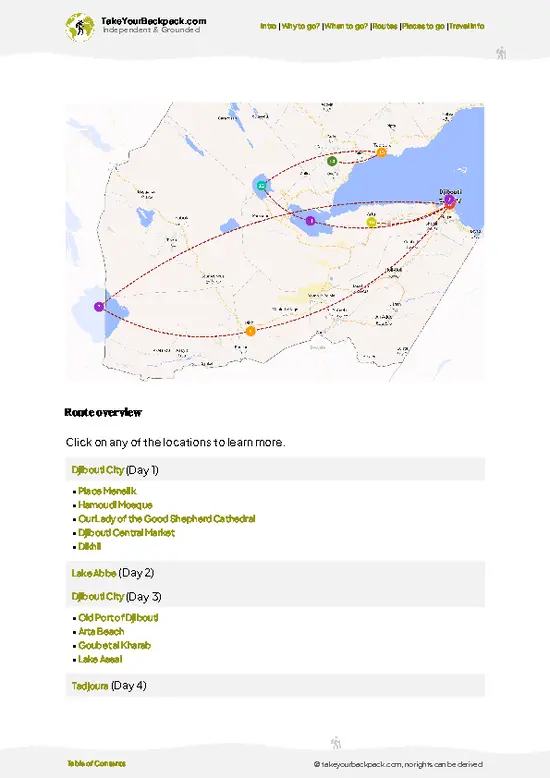
Djibouti’s hikes can be efficiently combined by clustering regions. Start in the north with the rugged landscapes of the Goda Mountains, then head south toward the coastal trails near the Gulf of Aden. This direction minimizes backtracking and maximizes scenic variety.

Typical Time Needed

Allocate at least two days for each major stop. This allows for recovery and exploration without feeling rushed. The Goda Mountains require time to acclimate, while coastal hikes can be tackled more quickly.

Common Planning Mistakes

Travelers often underestimate the physical demands of the terrain. Prioritize recovery time between hikes to avoid burnout. Skipping rest days can lead to fatigue, diminishing the overall experience.

Trade-offs and Constraints

Consider the balance … read more 👉

General Routing Logic

Djibouti’s hikes can be efficiently combined by clustering regions. Start in the north with the rugged landscapes of the Goda Mountains, then head south toward the coastal trails near the Gulf of Aden. This direction minimizes backtracking and maximizes scenic variety.

Typical Time Needed

Allocate at least two days for each major stop. This allows for recovery and exploration without feeling rushed. The Goda Mountains require time to acclimate, while coastal hikes can be tackled more quickly.

Common Planning Mistakes

Travelers often underestimate the physical demands of the terrain. Prioritize recovery time between hikes to avoid burnout. Skipping rest days can lead to fatigue, diminishing the overall experience.

Trade-offs and Constraints

Consider the balance between speed and depth of experience. Rushing through hikes may save time but can rob the journey of its essence. Budget constraints might limit comfort, but investing in local guides can enhance safety and insight. Flexibility in planning allows for adjustments based on energy levels and weather conditions, ensuring a rewarding adventure.

The ListThe Best hikes of Djibouti

1 Lake Assal

salt flats, crater basin, below-sea-level depression

Cross blinding white salt pans to reach Africa’s lowest point, where mineral deposits and stark landscapes create an otherworldly scene.

2 Ghoubbet Bay Trail

basalt cliffs, volcanic coastline, tectonic rift views

Trace the edge of the Afar Triangle, where dramatic rock formations and deep blue waters reveal the region’s powerful geological forces.

djibouti-hike-ghoubbet-bay-trail
© Google |

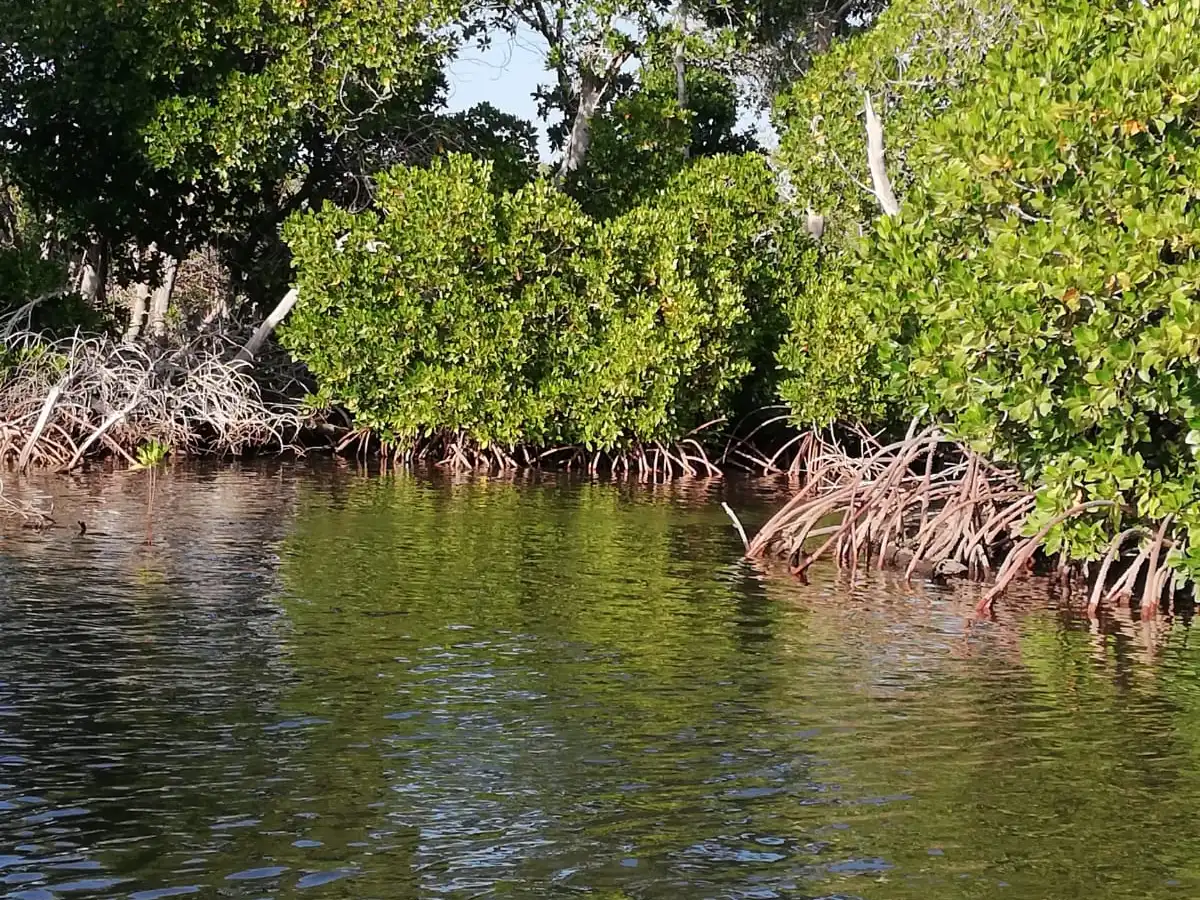
3 Godoria Mangroves

tidal channels, salt-tolerant trees, migratory birdlife

Navigate shifting mudflats and dense mangrove stands while watching for flamingos and waders that thrive in this brackish coastal ecosystem.

djibouti-hike-godoria-mangroves
© Google |

4 Arta Plage

desert hills, secluded beach, coral reef access

Descend arid slopes to a quiet shoreline, then snorkel among reefs teeming with marine life just steps from the sand.

Loading the map 🌍

Expert viewInsights from Locals and Experts

Trail Logistics

Djibouti offers a handful of hikes that showcase its stark beauty and diverse landscapes. Aim for three to five hikes to get a well-rounded experience. Each trail presents unique challenges, from rocky ascents to sandy stretches, so pacing is crucial. Expect to spend anywhere from a few hours to a full day on the trails, depending on your fitness level and the specific hike.

Altitude and Recovery

Many trails in Djibouti are at varying altitudes, which can affect your stamina. The higher you go, the more you’ll feel the burn in your lungs. Allow for recovery time, especially if you’re not acclimatized. A good rule of thumb is to take it slow on the first hike, giving your body time to adjust. Hydration is key; the heat can be deceptive, and you’ll need to replenish fluids … read more 👉

Trail Logistics

Djibouti offers a handful of hikes that showcase its stark beauty and diverse landscapes. Aim for three to five hikes to get a well-rounded experience. Each trail presents unique challenges, from rocky ascents to sandy stretches, so pacing is crucial. Expect to spend anywhere from a few hours to a full day on the trails, depending on your fitness level and the specific hike.

Altitude and Recovery

Many trails in Djibouti are at varying altitudes, which can affect your stamina. The higher you go, the more you’ll feel the burn in your lungs. Allow for recovery time, especially if you’re not acclimatized. A good rule of thumb is to take it slow on the first hike, giving your body time to adjust. Hydration is key; the heat can be deceptive, and you’ll need to replenish fluids regularly.

Difficulty and Pacing

The difficulty of hikes ranges from moderate to challenging. Some trails require scrambling over rocks, while others may have long stretches of soft sand that can sap your energy. Be prepared for uneven terrain and sudden weather changes. If you’re unsure about your fitness level, opt for shorter hikes first to gauge your pacing.

Planning and Prioritizing

When planning your hikes, consider local infrastructure. Some areas may lack marked trails or clear signage, so a local guide can be invaluable. This not only enhances safety but also enriches your understanding of the local culture and environment. Prioritize hikes that align with your interests—whether it’s geological formations, wildlife, or cultural sites.

Safety and Cultural Considerations

Be mindful of local customs and safety protocols. Dress modestly, especially in areas with cultural significance. Always inform someone of your hiking plans, and consider traveling in groups for added safety. The terrain can be unforgiving, and having a buddy system is a smart move.

The effort you put into these hikes will reward you with breathtaking views and a deeper connection to Djibouti’s rugged charm.

✈️ The backpacker research shortcutDjibouti Travel Guide

An offline-friendly backpacking guide with optimized travel routes, ranked highlights, transport advice, and the best areas to stay.
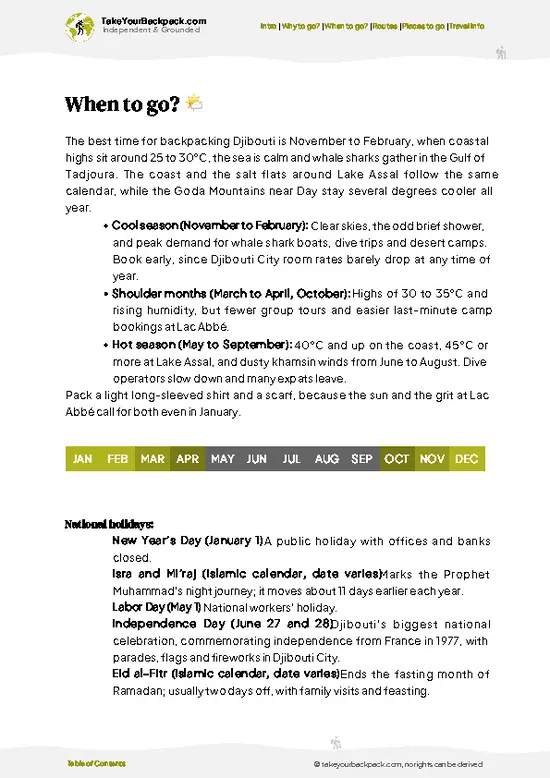
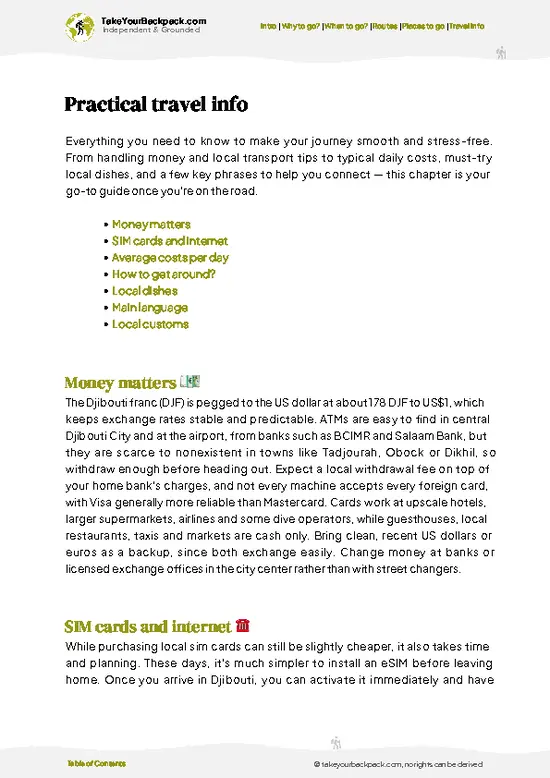
example page 0 from our offline Travel Guide for Djibouti
example page 1 from our offline Travel Guide for Djibouti
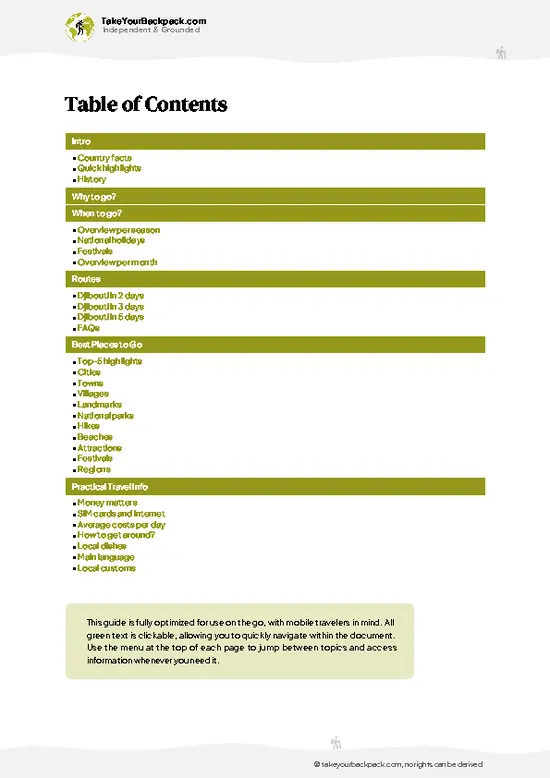
example page 2 from our offline Travel Guide for Djibouti
example page 3 from our offline Travel Guide for Djibouti
example page 4 from our offline Travel Guide for Djibouti
example page 5 from our offline Travel Guide for Djibouti
example page 6 from our offline Travel Guide for Djibouti
example page 7 from our offline Travel Guide for Djibouti
The digital guide (205 pages) contains:
48 highlights, ranked by travel appeal
Optimized 2, 3 & 5-day travel routes
Cities, national parks, landmarks, beaches
How to get around
Offline-friendly for travel without Wi-Fi
👉 Click to see all 30+ guide features

📅 Plan smarter in minutes, not weeks
Month by month travel advice
Festivals & national holidays
Budget expectations

🗺️ Go to the right places, skip the overrated ones
Honest pros & cons of destinations
Top hikes, parks & viewpoints
Lesser-known places most travelers miss
Clear “worth it vs skip it” guidance

🛏️ Travel smoothly without rookie mistakes
Best areas to stay
Transport systems explained simply
Common scams & safety advice
SIM cards, money & practical tips

🌍 Understand the country, not just visit it
Culture & traditions
52 Essential phrases & customs
Festivals worth planning around
Traveler-friendly historical context
Insights that make places more meaningful

📱 Built for real travel conditions
Fully downloadable PDF
Works completely offline
Optimized for phone use
Useful in remote areas & buses
Everything in one place
Save weeks of stressful planning
Get instant access to your full guide. 30‑day money-back guarantee.


By proceeding you agree to our terms.
Sent to your inbox immediately after payment • 100% Secure Checkout
Best Backpacking Travel Advisor 2025 tourism awardBest Backpacking
Travel Advisor
2025
What others say about Take Your Backpack Guides:
⭐⭐⭐⭐⭐
Fantastic, amazing amount of information!
⭐⭐⭐⭐⭐
My goodness this is amazing, it's what I've been looking for hats off too you!
⭐⭐⭐⭐⭐
I think this is absolutely BRILLIANT
⭐⭐⭐⭐
Very complete and informative. It's still missing places, but I gotta to commend you
⭐⭐⭐⭐⭐
This is truly amazing, thank you, can't wait to explore it with my kids!
⭐⭐⭐⭐⭐
Awesome resource, thank you!
⭐⭐⭐⭐⭐
This is amazing! Can't wait to explore the ones I haven't seen
⭐⭐⭐⭐
I love this! Well done, great idea.
⭐⭐⭐⭐⭐
Thanks for taking the time to make this gem!
⭐⭐⭐⭐⭐
This might be the best website I've ever seen.
⭐⭐⭐⭐⭐
Congratulations, and thank you so much for your work; it's incredibly valuable.
⭐⭐⭐⭐
In all seriousness I think you did a great job pointing out the important spots
⭐⭐⭐⭐⭐
10/10 very good
⭐⭐⭐⭐⭐
As someone who's only just starting to visit regularly this is awesome, thank you.
⭐⭐⭐⭐
Thank you very much! I'm going to visit my dad, it's going to be very useful!
⭐⭐⭐⭐⭐
This is really cool! We'll be travelling for the first time and this definitely come in handy.
⭐⭐⭐⭐⭐
You are now our minister of culture, congratulations 👨‍💼
⭐⭐⭐⭐⭐
Just wanted to tell you that this is a pearl! Going to follow your recommendations.
⭐⭐⭐⭐⭐
This is so cool. I'll definitely be using the resource for my travels soon.
⭐⭐⭐⭐⭐
This is very impressive! Good work.
⭐⭐⭐⭐⭐
This is an amazing and informative site. Very well done!

🛏️ Where to stay?Best Stay Options in Djibouti

Yes—there are hostels and budget accommodation in Djibouti, concentrated mainly in Djibouti City (Ville Nouvelle), the Balbala suburb, and the zones near the port/airport; options are limited overall and mostly basic, so plan for simple facilities and sporadic availability.
City center gives the best mix of safety, restaurants, transport links and proximity to sights but costs a bit more; Balbala is the cheapest and most local option yet has fewer tourist services and can be noisier or less secure after dark; airport/port areas are convenient for arrivals/departures but quiet at night with limited nightlife and public transport.

If you enjoy meeting fellow travelers, consider choosing hostelsread more 👉
Yes—there are hostels and budget accommodation in Djibouti, concentrated mainly in Djibouti City (Ville Nouvelle), the Balbala suburb, and the zones near the port/airport; options are limited overall and mostly basic, so plan for simple facilities and sporadic availability.
City center gives the best mix of safety, restaurants, transport links and proximity to sights but costs a bit more; Balbala is the cheapest and most local option yet has fewer tourist services and can be noisier or less secure after dark; airport/port areas are convenient for arrivals/departures but quiet at night with limited nightlife and public transport.

If you enjoy meeting fellow travelers, consider choosing hostels with high ratings for atmosphere. On the other hand, if you prefer having your own space, a hotel might be a better option.

DjiboutiWhere to Go Next

👋 Meet the founderWho’s Behind Take Your Backpack?

Johan, backpacker and founder of TakeYourBackpackHi, I’m Johan (Netherlands 🇳🇱), the creator of TakeYourBackpack. Over the past decade, I’ve backpacked through 80+ countries across six continents, gaining extensive experience with independent travel, long-term trips, and overland routes.

This site is built on a combination of firsthand travel experience and carefully curated insights from other backpackers. Many guides are based on places I’ve personally visited, while others bring together tips, observations, and practical advice shared by trusted travelers I’ve met along the way.

The goal is to provide realistic, experience-driven guidance — not generic itineraries — so you can explore destinations with better context, clearer expectations, and more confidence.

Get full Djibouti guide •
Instant download • 48 highlights • Full Offline guide