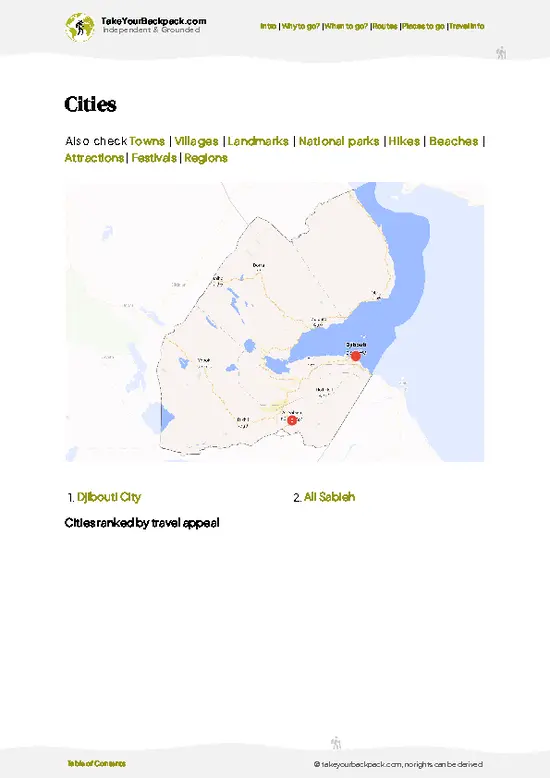
How many cities: I would advise
two or three urban stops at most. Settlements are small, distances are long, and each transfer eats half a day in the heat. Two stops leave time for the lakes, canyons, and coast that are the real draw, and you finish with the memory of a cool evening sea breeze instead of a dusty bus window.
Which kind: The capital suits travelers who want working ATMs, restaurants, and onward flights, with spice-heavy fish dinners and strong coffee at pavement cafés. Smaller gulf towns suit those after quiet streets, simple guesthouses, and mornings with boats pulling in. Choose the capital first, then add one smaller town.
What it costs: Budget
US$50 to 90 a day on a lean plan: dorm or basic room US$25 to 50, meals US$8 to 20, local taxis US$3 to 10 a ride. Shared minibuses …
read more 👉 How many cities: I would advise
two or three urban stops at most. Settlements are small, distances are long, and each transfer eats half a day in the heat. Two stops leave time for the lakes, canyons, and coast that are the real draw, and you finish with the memory of a cool evening sea breeze instead of a dusty bus window.
Which kind: The capital suits travelers who want working ATMs, restaurants, and onward flights, with spice-heavy fish dinners and strong coffee at pavement cafés. Smaller gulf towns suit those after quiet streets, simple guesthouses, and mornings with boats pulling in. Choose the capital first, then add one smaller town.
What it costs: Budget
US$50 to 90 a day on a lean plan: dorm or basic room US$25 to 50, meals US$8 to 20, local taxis US$3 to 10 a ride. Shared minibuses between towns cost roughly US$3 to 10, while a hired 4x4 with driver runs US$100 to 200 a day split among passengers. Guides for day trips cost about US$30 to 80, and entry to parks and natural sites is usually modest. Prices in Djibouti francs (DJF) are fixed in many places, though taxis need bargaining before you get in.
Safety and culture: The cities are generally calm, but
heat is the main hazard, so carry 3 liters of water and cover your head. Petty theft happens near markets and at night, so use taxis after dark. Dress modestly, with shoulders and knees covered, particularly in the Muslim-majority communities. Ask before photographing people, and never photograph ports, military sites or officials. Alcohol is available in some hotels and bars, yet public drinking is frowned upon. During Ramadan, avoid eating in the street by day. Khat chewing is common in the afternoon, and many shops close then.


 Best Backpacking
 Hi, I’m Johan (Netherlands 🇳🇱), the creator of TakeYourBackpack. Over the past 3 decades, I’ve backpacked through 90+ countries across six continents, gaining extensive experience with independent travel, long-term trips, and overland routes.