×

Dominican Republic🇩🇴 | national parksJaragua National Parkdry forest, sea turtle nesting, coastal lagoons | things to do and best time to go

Explore Isla Cabritos National ParkExplore Los Haitises National Park

Backpacking in Jaragua
🏆 Top picknational park ranked #2
By Johan Kruseman 🇳🇱 | Updated May 13, 2026

Most online blurbs sell Jaragua National Park as a lush Caribbean paradise; the surprise is that huge chunks of it feel more like a dry, harsh desert where water, shade, and services are scarce and every kilometer costs effort. Jaragua sits in the far southwest of the Dominican Republic, in Pedernales province near the Haitian border, wrapping around Bahía de las Águilas and a big slice of arid interior. For backpackers, it’s raw and rewarding but not easy: hiking is mostly hot, exposed tracks and coastal scrambles, with big views, cactus forest, lagoons, iguanas, and serious birdlife instead of classic “jungle.” Access is slow, public transport thin, and you’ll usually need a moto or pickup ride to trailheads and beaches; fees and boat costs to Bahía de las Águilas add up. Camping and cheap rooms exist but are basic. Compared with more accessible parks like Los Haitises or Sierra de Bahoruco, Jaragua feels emptier, harsher, and far less curated—great if you want solitude, bad if you rely on infrastructure.

Discover everything you want to know in the 📖 Dominican Republic Travel Guide.
Loading the map 🌍
CLICK TO FILTER
cities
towns
landmarks
national parks
hikes
beaches
attractions
festivals
regions
SHOW COUNTRY’S BESTSHOW ALL

✨ Why go?
Ranked #2 national park in Dominican Republic
The unique appeal for travelers

Backpackers flock to Jaragua National Park for its blend of independent exploration and budget-friendly options. The park offers a variety of camping spots and hostels nearby, making it easy to keep costs low while enjoying the stunning landscapes. You can pitch your tent under the stars or find a cozy bed in a local hostel, both of which provide a great base for your adventures.

The trail variety is another draw. Whether you’re into leisurely walks or challenging hikes, there’s something for everyone. The trails wind through diverse ecosystems, from dry forests to coastal areas, allowing you to experience the park’s rich biodiversity up close.

What sets Jaragua apart is its suitability for self-guided travelers. You can navigate the trails at your own pace, soaking in the sights without … read more 👉
Backpackers flock to Jaragua National Park for its blend of independent exploration and budget-friendly options. The park offers a variety of camping spots and hostels nearby, making it easy to keep costs low while enjoying the stunning landscapes. You can pitch your tent under the stars or find a cozy bed in a local hostel, both of which provide a great base for your adventures.

The trail variety is another draw. Whether you’re into leisurely walks or challenging hikes, there’s something for everyone. The trails wind through diverse ecosystems, from dry forests to coastal areas, allowing you to experience the park’s rich biodiversity up close.

What sets Jaragua apart is its suitability for self-guided travelers. You can navigate the trails at your own pace, soaking in the sights without the pressure of a tour group. This freedom enhances the experience, letting you connect with the environment on your terms. Just remember to bring plenty of water and snacks; the park’s beauty can easily lead you to lose track of time.
Want to include Jaragua National Park in your Dominican Republic route?
Create a personalized Dominican Republic itinerary that includes Jaragua National Park and the places that fit your trip — based on your travel style, budget, and available time. Get your route in seconds.

Generate my trip

💡 HighlightsPlaces and moments you shouldn't skip

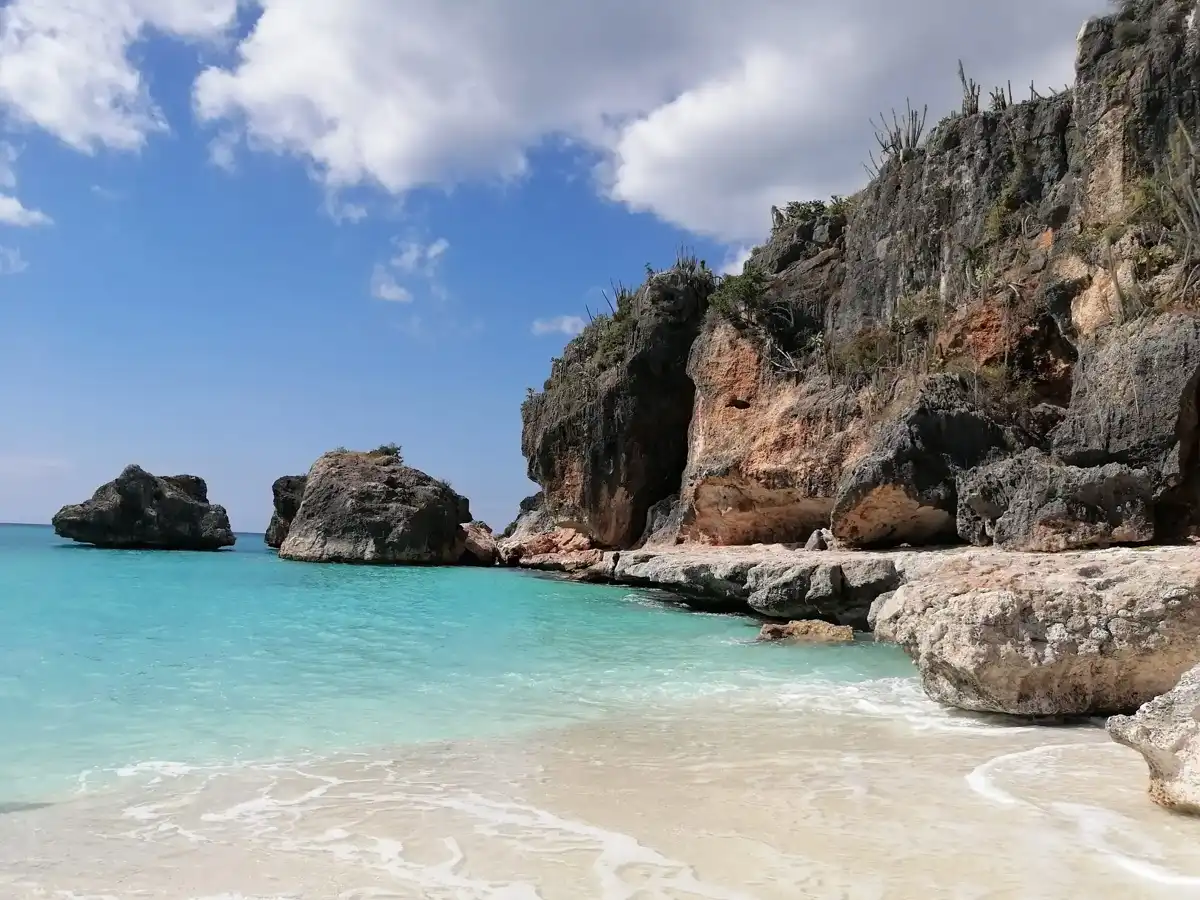
  • Bahía de las Águilas — A jaw-dropping, virtually untouched beach with powdery white sand and incredibly clear turquoise water; it’s the poster-child of the park and worth the bumpy ride or boat trip for the solitude and snorkeling.
  • Laguna de Oviedo (Oviedo Lagoon) — A hypersaline lagoon that attracts flocks of flamingos and other waders and is one of the best spots in the park for birdwatching; the eerie salt flats and shallow waters also sometimes show croc and shorebird activity.
  • Isla Beata — A rugged offshore island with mangrove fringes and healthy reef patches; great for boat trips, snorkeling, and seeing seabird colonies away from the mainland crowds.
  • Alto Velo Island — A tiny, windswept rock island famous as a seasonal seabird rookery and for its offshore marine life; remote and
read more 👉
  • Bahía de las Águilas — A jaw-dropping, virtually untouched beach with powdery white sand and incredibly clear turquoise water; it’s the poster-child of the park and worth the bumpy ride or boat trip for the solitude and snorkeling.
  • Laguna de Oviedo (Oviedo Lagoon) — A hypersaline lagoon that attracts flocks of flamingos and other waders and is one of the best spots in the park for birdwatching; the eerie salt flats and shallow waters also sometimes show croc and shorebird activity.
  • Isla Beata — A rugged offshore island with mangrove fringes and healthy reef patches; great for boat trips, snorkeling, and seeing seabird colonies away from the mainland crowds.
  • Alto Velo Island — A tiny, windswept rock island famous as a seasonal seabird rookery and for its offshore marine life; remote and protected, it’s mainly of interest to keen birders and divers via special boat trips.
  • Coastal trails and dunes — Short hikes across coastal scrub, dunes, and rocky headlands offer panoramic views, quiet beaches and the feeling of real remoteness—perfect if you like walking where few people go.
  • Mangroves and salt flats — Twisting mangrove channels and broad salt pans form critical nursery habitat; they’re biologically rich, great for low-key wildlife watching and dramatic photos at low tide.
  • Xeric scrub and endemic wildlife — The park’s dry-adapted landscapes are full of cacti, agaves and endemic plants, plus hardy reptiles and iguanas you won’t see in the wet interior—an unusual, desert-like corner of the Caribbean.
Spotted a mistake or missing something? Contact us.

Things to do near Jaragua National Park

Ratings based on Tripadvisor reviews. When you book through this link, you support our work at no extra cost to you.

🌤️ When to go?Choosing the right time of year


  • Weather: The dry season from December to April offers the most reliable conditions for backpacking—expect minimal rain and stable skies. The wet season, May through November, brings frequent showers and occasional tropical storms, which can disrupt trails and activities.

  • Temperature: Daytime highs hover around 28-32°C (82-90°F) year-round, but humidity spikes during the wet season, making it feel hotter and more exhausting. Nights are cooler, dropping to about 20-24°C (68-75°F), which is comfortable for camping.

  • Daylight Hours: Daylight remains fairly consistent, roughly 11 to 12 hours daily, with sunrise around 6:00 AM and sunset near 6:00 PM. This steady light window allows for full-day hikes without rushing.

  • Crowds: Peak tourist months coincide with the dry season, especially around
read more 👉

  • Weather: The dry season from December to April offers the most reliable conditions for backpacking—expect minimal rain and stable skies. The wet season, May through November, brings frequent showers and occasional tropical storms, which can disrupt trails and activities.

  • Temperature: Daytime highs hover around 28-32°C (82-90°F) year-round, but humidity spikes during the wet season, making it feel hotter and more exhausting. Nights are cooler, dropping to about 20-24°C (68-75°F), which is comfortable for camping.

  • Daylight Hours: Daylight remains fairly consistent, roughly 11 to 12 hours daily, with sunrise around 6:00 AM and sunset near 6:00 PM. This steady light window allows for full-day hikes without rushing.

  • Crowds: Peak tourist months coincide with the dry season, especially around Christmas and Easter holidays. Expect more visitors and higher prices then. Off-peak months offer solitude but come with the risk of rain.

  • Seasonal Activities: Dry months are best for hiking, birdwatching, and exploring coastal areas without interruption. Wet months limit access to some trails and can reduce wildlife visibility.

  • Price Fluctuations: Accommodation and transport costs rise during the dry season and holidays. Traveling just before or after peak times can save money while still enjoying decent weather.


Pro-tip: Aim for late November or early May—these shoulder months balance fewer crowds, reasonable prices, and manageable weather, preserving your energy for the park’s best experiences.


source: climatestotravel.comJANJanuary: excellent for travelingFEBFebruary: excellent for travelingMARMarch: excellent for travelingAPRApril: excellent for travelingMAYMay: highly recommended for travelingJUNJune: fair for travelingJULJuly: fair for travelingAUGAugust: fair for travelingSEPSeptember: fair for travelingOCTOctober: fair for travelingNOVNovember: highly recommended for travelingDECDecember: excellent for traveling
dominican-republic-national-park-jaragua-national-park
© Google | Ariandra Álvarez

✈️ The backpacker research shortcutDominican Republic Travel Guide

An offline-friendly backpacking guide with optimized travel routes, ranked highlights, transport advice, and the best areas to stay.
example page 0 from our offline Travel Guide for Dominican Republic
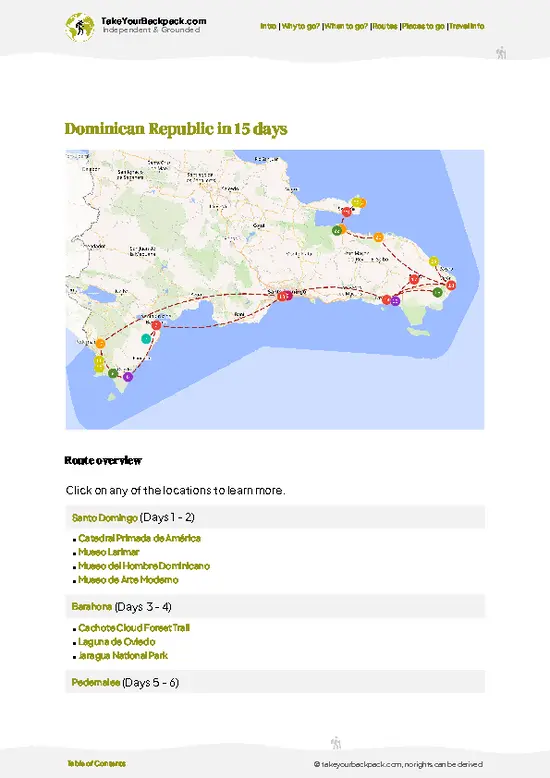
example page 1 from our offline Travel Guide for Dominican Republic
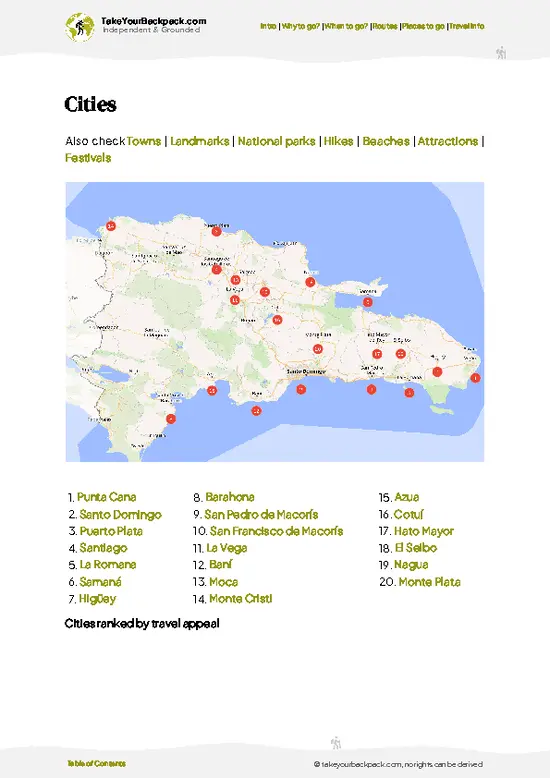
example page 2 from our offline Travel Guide for Dominican Republic
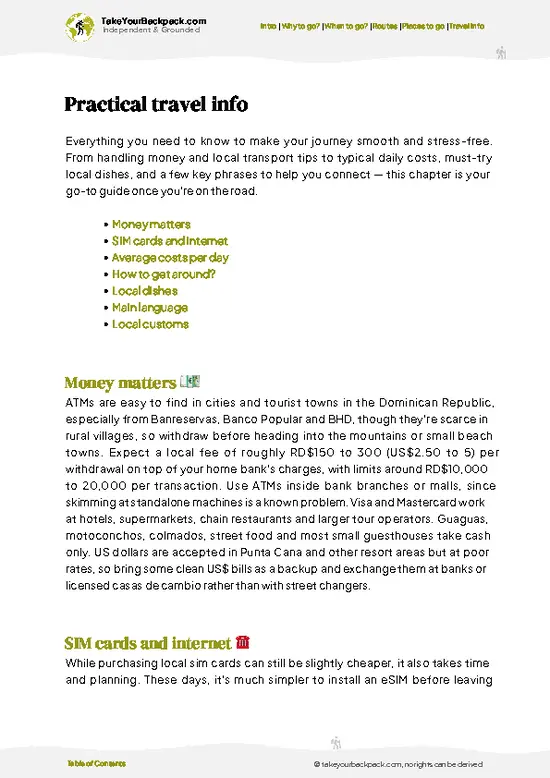
example page 3 from our offline Travel Guide for Dominican Republic
example page 4 from our offline Travel Guide for Dominican Republic
example page 5 from our offline Travel Guide for Dominican Republic
example page 6 from our offline Travel Guide for Dominican Republic
example page 7 from our offline Travel Guide for Dominican Republic
The digital guide (431 pages) contains:
119 highlights, ranked by travel appeal
Optimized 5, 10 & 15-day travel routes
Cities, national parks, landmarks, beaches
How to get around
Offline-friendly for travel without Wi-Fi
👉 Click to see all 30+ guide features

📅 Plan smarter in minutes, not weeks
Month by month travel advice
Festivals & national holidays
Budget expectations

🗺️ Go to the right places, skip the overrated ones
Honest pros & cons of destinations
Top hikes, parks & viewpoints
Lesser-known places most travelers miss
Clear “worth it vs skip it” guidance

🛏️ Travel smoothly without rookie mistakes
Best areas to stay
Transport systems explained simply
Common scams & safety advice
SIM cards, money & practical tips

🌍 Understand the country, not just visit it
Culture & traditions
52 Essential phrases & customs
Festivals worth planning around
Traveler-friendly historical context
Insights that make places more meaningful

📱 Built for real travel conditions
Fully downloadable PDF
Works completely offline
Optimized for phone use
Useful in remote areas & buses
Everything in one place
Save weeks of stressful planning
Get instant access to your full guide. 30‑day money-back guarantee.


By proceeding you agree to our terms.
Sent to your inbox immediately after payment • 100% Secure Checkout
Best Backpacking Travel Advisor 2025 tourism awardBest Backpacking
Travel Advisor
2025
What others say about Take Your Backpack Guides:
⭐⭐⭐⭐⭐
Fantastic, amazing amount of information!
⭐⭐⭐⭐⭐
My goodness this is amazing, it's what I've been looking for hats off too you!
⭐⭐⭐⭐⭐
I think this is absolutely BRILLIANT
⭐⭐⭐⭐
Very complete and informative. It's still missing places, but I gotta to commend you
⭐⭐⭐⭐⭐
This is truly amazing, thank you, can't wait to explore it with my kids!
⭐⭐⭐⭐⭐
Awesome resource, thank you!
⭐⭐⭐⭐⭐
This is amazing! Can't wait to explore the ones I haven't seen
⭐⭐⭐⭐
I love this! Well done, great idea.
⭐⭐⭐⭐⭐
Thanks for taking the time to make this gem!
⭐⭐⭐⭐⭐
This might be the best website I've ever seen.
⭐⭐⭐⭐⭐
Congratulations, and thank you so much for your work; it's incredibly valuable.
⭐⭐⭐⭐
In all seriousness I think you did a great job pointing out the important spots
⭐⭐⭐⭐⭐
10/10 very good
⭐⭐⭐⭐⭐
As someone who's only just starting to visit regularly this is awesome, thank you.
⭐⭐⭐⭐
Thank you very much! I'm going to visit my dad, it's going to be very useful!
⭐⭐⭐⭐⭐
This is really cool! We'll be travelling for the first time and this definitely come in handy.
⭐⭐⭐⭐⭐
You are now our minister of culture, congratulations 👨‍💼
⭐⭐⭐⭐⭐
Just wanted to tell you that this is a pearl! Going to follow your recommendations.
⭐⭐⭐⭐⭐
This is so cool. I'll definitely be using the resource for my travels soon.
⭐⭐⭐⭐⭐
This is very impressive! Good work.
⭐⭐⭐⭐⭐
This is an amazing and informative site. Very well done!

🛏️ Where to stay?Best areas to stay in Dominican Republic

Jaragua National Park is a treasure trove of biodiversity, but finding the right place to stay can make or break your experience. Inside the park, options are limited. There’s the Casa de Campo, a rustic lodge that offers basic amenities and a chance to immerse yourself in nature. However, it can be pricier than you’d expect, so check for deals or consider sharing a room to cut costs.

If you prefer more variety, head to Pedernales, the nearest town. It’s about a 30-minute drive from the park entrance. Here, you’ll find budget-friendly guesthouses and hostels like Hotel La Cueva and Hotel El Cacique. … read more 👉
Jaragua National Park is a treasure trove of biodiversity, but finding the right place to stay can make or break your experience. Inside the park, options are limited. There’s the Casa de Campo, a rustic lodge that offers basic amenities and a chance to immerse yourself in nature. However, it can be pricier than you’d expect, so check for deals or consider sharing a room to cut costs.

If you prefer more variety, head to Pedernales, the nearest town. It’s about a 30-minute drive from the park entrance. Here, you’ll find budget-friendly guesthouses and hostels like Hotel La Cueva and Hotel El Cacique. These spots provide a local vibe and are often run by families who can offer insider tips on the best trails and hidden beaches.

Be mindful of transportation costs. Public transport is available, but it can be unreliable. Renting a car might seem like a splurge, but it gives you the freedom to explore at your own pace. Lastly, stock up on snacks and water before heading into the park; prices can spike at local shops. This way, you’ll have more energy and budget for the experiences that truly matter.

👛 Costs (as of 27 July 2025)Travel costs and budget guide for Jaragua

Visiting Jaragua National Park in the Dominican Republic can be a rewarding experience, but it’s essential to be aware of the costs involved to avoid surprises.

Entrance fees typically range from $5 to $10 USD per person. This fee grants you access to the park’s stunning landscapes and diverse ecosystems. If you plan to hike or explore specific trails, some may require additional permits, which can cost around $5 to $15 USD.

Guided tours are a popular option and can enhance your experience. Expect to pay between $30 and $100 USD, depending on the length and inclusivity of the tour. Some tours include transportation, meals, and equipment, while others may charge extra for these services.

If you’re considering camping, check for designated camping areas. Fees can range from $10 to $20 USD … read more 👉
Visiting Jaragua National Park in the Dominican Republic can be a rewarding experience, but it’s essential to be aware of the costs involved to avoid surprises.

Entrance fees typically range from $5 to $10 USD per person. This fee grants you access to the park’s stunning landscapes and diverse ecosystems. If you plan to hike or explore specific trails, some may require additional permits, which can cost around $5 to $15 USD.

Guided tours are a popular option and can enhance your experience. Expect to pay between $30 and $100 USD, depending on the length and inclusivity of the tour. Some tours include transportation, meals, and equipment, while others may charge extra for these services.

If you’re considering camping, check for designated camping areas. Fees can range from $10 to $20 USD per night. Make sure to bring your own gear, as rentals are limited.

Food and drink options within the park are minimal. Budget around $10 to $20 USD per meal if you plan to eat at nearby towns or local eateries. Stocking up on snacks and water before entering the park can save you money and keep you energized.

Transportation costs can vary. If you’re renting a car, expect rates from $30 to $60 USD per day, plus fuel. Public transportation is cheaper but may require more time and planning.

Being aware of these costs will help you allocate your budget wisely. Focus your spending on experiences that matter most to you, ensuring a fulfilling visit without unnecessary stress.


source: godominicanrepublic.com
⚠️ Prices can change and everyone travels differently, so take this as a rough guide. Hope it helps you plan your adventure!

🥾 TrailsDiscover Jaragua's top trails and natural wonders

Jaragua National Park is a hidden gem in the Dominican Republic, offering a mix of stunning coastal views, unique wildlife, and diverse terrains. You can find everything from sandy beaches to rocky cliffs, and even some dry forests. The park is home to various bird species, including the endangered Hispaniolan woodpecker, and you might spot iguanas sunning themselves on the rocks.

If you’re looking for a well-defined path, check out the Cabo Rojo Trail. Here are the details:
  • Length: 5 km
  • Estimated Duration: 2-3 hours
  • Difficulty Level: Moderate
  • Key Features: Coastal views, cliffs, and unique
read more 👉
Jaragua National Park is a hidden gem in the Dominican Republic, offering a mix of stunning coastal views, unique wildlife, and diverse terrains. You can find everything from sandy beaches to rocky cliffs, and even some dry forests. The park is home to various bird species, including the endangered Hispaniolan woodpecker, and you might spot iguanas sunning themselves on the rocks.

If you’re looking for a well-defined path, check out the Cabo Rojo Trail. Here are the details:
  • Length: 5 km
  • Estimated Duration: 2-3 hours
  • Difficulty Level: Moderate
  • Key Features: Coastal views, cliffs, and unique flora
  • Terrain: Mixed—some sandy paths, rocky areas, and a few inclines

Another option is the Hoyo de Pelempito Trail:
  • Length: 8 km
  • Estimated Duration: 3-4 hours
  • Difficulty Level: Challenging
  • Key Features: Incredible panoramic views, diverse ecosystems
  • Terrain: Steep and rugged, with some muddy sections

Getting to Jaragua is pretty straightforward. Public transport options are available from Barahona, though they can be a bit hit or miss. It’s not overly crowded, especially compared to more touristy spots, which is a plus if you’re looking for some peace. As for the entrance fee, it’s generally affordable, but it’s always a good idea to check in advance, as prices can change. Just pack plenty of water and snacks, and you’re set for a great day in nature!
⚠️ Hiking info can sometimes be outdated or inaccurate. Before you hit the trail, check the latest conditions with locals. If you do spot anything that's off, I'd love to hear from you, so I can update it for fellow travelers.

🛡️ SafetyStaying Safe: What Travelers Should Know

Jaragua National Park offers a generally straightforward experience for backpackers, but a few practical considerations can enhance your adventure. Weather can shift quickly, especially during the rainy season, so pack a reliable rain jacket and check forecasts before heading out.

The terrain varies; some trails are steep and rocky. Good footwear is essential—opt for sturdy hiking boots with good grip. Navigation is usually clear, but a map or GPS can help if you stray from well-marked paths.

Wildlife encounters are part of the charm here. While you might spot iguanas or various bird species, keep a respectful distance. Feeding wildlife disrupts their natural behavior and can lead to unwanted encounters.

Timing your hikes is crucial. Start early to avoid the midday heat and ensure you … read more 👉
Jaragua National Park offers a generally straightforward experience for backpackers, but a few practical considerations can enhance your adventure. Weather can shift quickly, especially during the rainy season, so pack a reliable rain jacket and check forecasts before heading out.

The terrain varies; some trails are steep and rocky. Good footwear is essential—opt for sturdy hiking boots with good grip. Navigation is usually clear, but a map or GPS can help if you stray from well-marked paths.

Wildlife encounters are part of the charm here. While you might spot iguanas or various bird species, keep a respectful distance. Feeding wildlife disrupts their natural behavior and can lead to unwanted encounters.

Timing your hikes is crucial. Start early to avoid the midday heat and ensure you have ample daylight for your return. Lastly, practice trail etiquette: yield to those climbing uphill and keep noise levels down to fully enjoy the park’s serene environment.

Other Dominican national parks near Jaragua

Explore more nearby:


💡 Not sure where to go next?
Create a personalized itinerary for Dominican Republic including Jaragua and the places that fit your trip.

Generate my itinerary

👉 Discover all national parks

Or checkout all Dominican Republic has to offer (think cities, towns, villages, national parks, hikes, beaches, festivals)
Country photo of Dominican Republic

We 💚 feedbackSumming up the experience

Jaragua National Park is a wild, rugged beauty that feels like a well-kept secret. The vibe is laid-back, with locals genuinely welcoming you into their world. Don’t miss the stunning beaches—Bahía de las Águilas is a must. But here’s the catch: getting there can be a trek, and the roads can be rough. Bring cash; some spots don’t take cards. Embrace the adventure, and you’ll find moments that make the effort worthwhile.

✍️ Help improve this page!
The information on this page is based on in-depth research, insights shared by experienced travelers, and feedback from the local travel community in Dominican Republic. While every effort is made to keep the information accurate and current, conditions can change — so if you spot anything incorrect or outdated, please get in touch.


🙋‍♂️ Give feedback

👋 Meet the founderWho’s Behind Take Your Backpack?

Johan, backpacker and founder of TakeYourBackpackHi, I’m Johan (Netherlands 🇳🇱), the creator of TakeYourBackpack. Over the past decade, I’ve backpacked through 80+ countries across six continents, gaining extensive experience with independent travel, long-term trips, and overland routes.

This site is built on a combination of firsthand travel experience and carefully curated insights from other backpackers. Many guides are based on places I’ve personally visited, while others bring together tips, observations, and practical advice shared by trusted travelers I’ve met along the way.

The goal is to provide realistic, experience-driven guidance — not generic itineraries — so you can explore destinations with better context, clearer expectations, and more confidence.

Get full country guide •
Instant download • 119 highlights • Full Offline guide