




- Cueva de la Arena: The best-known cave, with Taíno pictographs on the walls and a sandy floor that gives it the name. Guides explain the symbols, and the cool, damp air is a relief after the boat.
- Cueva de la Línea: A long cavern with petroglyphs and carved faces, reached from a short path through humid forest. The ceiling is low in places, so mind your head.
- Cueva San Gabriel: A cave that shows how the Taínos used the limestone, with carved figures and chambers you can enter with a guide. It is quieter than the main caves.
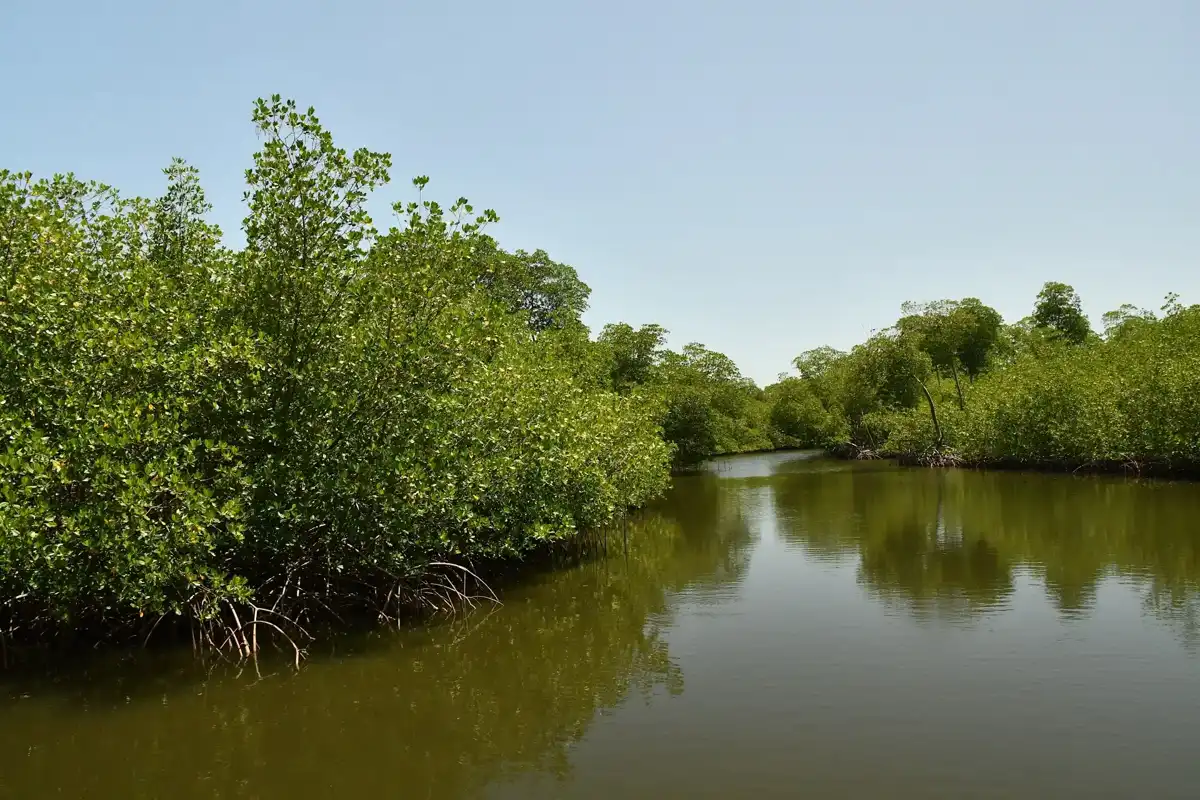
- Mangrove channels: Boats and kayaks slip between red mangrove roots, where herons and egrets stand motionless in shallow water. The air smells of salt mud and rotting leaves, in a good way.
- Cayo de los Pájaros: A small islet where brown pelicans, magnificent frigatebirds and
- Cueva de la Arena: The best-known cave, with Taíno pictographs on the walls and a sandy floor that gives it the name. Guides explain the symbols, and the cool, damp air is a relief after the boat.
- Cueva de la Línea: A long cavern with petroglyphs and carved faces, reached from a short path through humid forest. The ceiling is low in places, so mind your head.
- Cueva San Gabriel: A cave that shows how the Taínos used the limestone, with carved figures and chambers you can enter with a guide. It is quieter than the main caves.
- Mangrove channels: Boats and kayaks slip between red mangrove roots, where herons and egrets stand motionless in shallow water. The air smells of salt mud and rotting leaves, in a good way.
- Cayo de los Pájaros: A small islet where brown pelicans, magnificent frigatebirds and brown boobies roost and nest. Binoculars matter here, and the noise is considerable.
- Karst islets of Samaná Bay: Rounded green mounds jut out of the water in the bay, and the boat ride between them is the park’s signature view. Mornings give the clearest light.
- Sabana de la Mar approach: The small port on the south side is the quieter entry point, with fishermen mending nets on the dock and boats leaving for the park.
- Wildlife along the coast: Keep eyes open for the Hispaniolan solenodon’s habitat signs, endemic birds and, between January and March, humpback whales in the broader bay.
Spotted a mistake or missing something? Contact us.
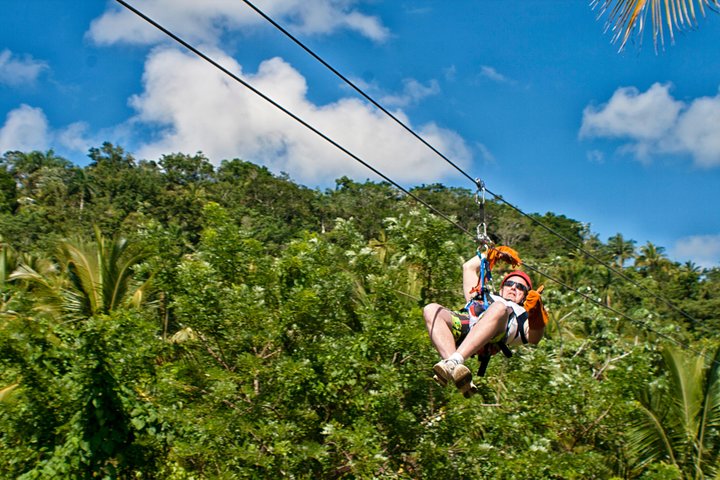
Zipline Adventure in El Limón

Photography with Flying Dresses in Punta Cana and more…

Adventure in the bay of samana and waterfall El limon from punta cana

Private Fishing Charter Punta Cana (Orion)

Samana Key Levantado Limon Waterfall Horse

private transfer standard and premium punta cana airport / samana / galera

Whale watching more fell up

El Limón Waterfall Guided Tour & Horseback Riding Adventure

FourWheel Adventure Tours The grounds plus lemon waterfall

 Best Backpacking
 Hi, I’m Johan (Netherlands 🇳🇱), the creator of TakeYourBackpack. Over the past 3 decades, I’ve backpacked through 90+ countries across six continents, gaining extensive experience with independent travel, long-term trips, and overland routes.