×

Ecuador🇪🇨 | citiesIbarraWhitewashed facades, lakeside access, mild climate | things to do and best time to go

Explore AmbatoExplore Esmeraldas

Backpacking in Ibarra
👍 Recommendedcity ranked #6
By Johan Kruseman 🇳🇱 | Updated June 11, 2026

Most people either skip Ibarra as “just a transit stop to Colombia” or imagine it as a tiny Andean village; it’s neither. Ibarra sits in northern Ecuador, in Imbabura province, about two hours north of Quito on the Pan-American. For backpackers, it’s a calm, medium-sized city with a whitewashed colonial center, a relaxed main square, and easy access to Laguna de Yahuarcocha and nearby indigenous markets without Otavalo’s crowds. It’s cheaper than Quito and Cuenca, with solid street food and simple hostales, but the social scene is quieter; you work a bit harder to meet other travelers unless you’re in the one or two obvious backpacker spots. Buses are frequent, walking feels safe in daylight, and nightlife is modest. The vibe: local, lived-in, slightly conservative, more “base camp for day trips” than destination you linger in for a week.

Discover everything you want to know in the 📖 Ecuador Travel Guide.


Get your Ecuador guide
94 ranked highlights, routes & tips, works offline (362 pages)
Loading the map 🌍
CLICK TO FILTER
cities
towns
landmarks
national parks
hikes
beaches
attractions
festivals
regions
SHOW COUNTRY’S BESTSHOW ALL

✨ Why go?
Ranked #6 city in Ecuador
What sets this place apart

Ibarra, Ecuador, is a strategic stop for backpackers weaving through the Andes. It’s not just about the highlights; it’s about the value this city brings to your journey. The walkability makes it easy to explore local markets and street food stalls, where you can savor authentic flavors without breaking the bank. Hostels here are not only affordable but also foster a sense of community, perfect for meeting fellow travelers.

As a basecamp, Ibarra opens doors to stunning day trips, allowing you to dive deeper into the region without the hassle of constant packing. The nightlife offers a laid-back vibe, with local bars where you can unwind after a day of exploration. Plus, its easy onward travel options mean you can seamlessly continue your adventure, whether heading to Otavalo or beyond.

If … read more 👉
Ibarra, Ecuador, is a strategic stop for backpackers weaving through the Andes. It’s not just about the highlights; it’s about the value this city brings to your journey. The walkability makes it easy to explore local markets and street food stalls, where you can savor authentic flavors without breaking the bank. Hostels here are not only affordable but also foster a sense of community, perfect for meeting fellow travelers.

As a basecamp, Ibarra opens doors to stunning day trips, allowing you to dive deeper into the region without the hassle of constant packing. The nightlife offers a laid-back vibe, with local bars where you can unwind after a day of exploration. Plus, its easy onward travel options mean you can seamlessly continue your adventure, whether heading to Otavalo or beyond.

If you’re looking for a place that balances comfort and affordability while providing a rich cultural experience, Ibarra is worth more than just a fleeting visit.
Want to include Ibarra in your Ecuador route?
Create a personalized Ecuador itinerary that includes Ibarra and the places that fit your trip — based on your travel style, budget, and available time. Get your route in seconds.

Generate my trip

💡 HighlightsDon't-miss highlights and experiences

  • Plaza Bolívar / Plaza de la Independencia — Ibarra’s beating heart: shady benches, colonial facades and municipal buildings. Great for people-watching, street vendors and seeing everyday life flow around the cathedral.
  • Catedral Metropolitana de Ibarra — The big white cathedral on the main square: a calm interior with local religious art and a good spot to feel the city’s history up close.
  • Malecón del río Tahuando — A pleasant riverside promenade where locals walk, ride bikes and eat snacks; nice for a relaxed stroll and to see neighborhood life away from the tourist spots.
  • Mercado Central (Central Market) — A noisy, colorful jumble of produce, cheeses, hornado and empanadas. Best place to taste real local food cheaply and practice your Spanish with vendors.
  • Museo del Banco Central -
read more 👉
  • Plaza Bolívar / Plaza de la Independencia — Ibarra’s beating heart: shady benches, colonial facades and municipal buildings. Great for people-watching, street vendors and seeing everyday life flow around the cathedral.
  • Catedral Metropolitana de Ibarra — The big white cathedral on the main square: a calm interior with local religious art and a good spot to feel the city’s history up close.
  • Malecón del río Tahuando — A pleasant riverside promenade where locals walk, ride bikes and eat snacks; nice for a relaxed stroll and to see neighborhood life away from the tourist spots.
  • Mercado Central (Central Market) — A noisy, colorful jumble of produce, cheeses, hornado and empanadas. Best place to taste real local food cheaply and practice your Spanish with vendors.
  • Museo del Banco Central - sede Ibarra — Small but worthwhile regional museum with archaeology and ethnographic exhibits that explain Imbabura’s indigenous cultures and colonial past.
  • Antigua Estación del Tren / Exhibición Ferroviaria — The old railway area where you can see historic locomotives and get a sense of how the railroad shaped the city’s economy and connections.
  • Casa de la Cultura (delegación Imbabura) — Local arts center with rotating exhibitions, cultural events and occasional folkloric shows — a good place to catch contemporary Imbabura creativity.
  • Iglesia de La Merced — A smaller, charming colonial church whose architecture and interior details reward a quiet visit; often less crowded than the main cathedral.
  • Calle García Moreno / Zona peatonal — The main pedestrian shopping street with local shops, cafes and bakeries; perfect for a relaxed walk, souvenir hunting and people-watching.
  • Miradores y barrios altos de la ciudad — Short hikes up into the residential hills around Ibarra give intimate city-and-volcano views, a look at everyday neighborhoods and low-key photo ops away from the tourist route.
A few excellent day trips outside the city: Otavalo market (famous, lively), Cuicocha crater lake (spectacular caldera—you can boat on it; my personal favorite), and nearby Cotacachi for leather goods.
Spotted a mistake or missing something? Contact us.

Things to do near Ibarra

Ratings based on Tripadvisor reviews. When you book through this link, you support our work at no extra cost to you.

🏘️ NeighborhoodsWhere things are and how it's laid out

Ibarra is a vibrant hub in Ecuador, offering a mix of culture, convenience, and charm. Here’s how its neighborhoods stack up for backpackers:

Centro Histórico: This is the heart of Ibarra. You’ll find colonial architecture, local markets, and plenty of eateries. It’s walkable, making it easy to explore on foot. Costs are moderate, and the vibe is lively, especially during festivals. Perfect for short stays where you want to soak in the local culture.

La Victoria: A bit quieter, La Victoria offers a more residential feel. It’s still close to the center, but you’ll find fewer tourists. Prices drop here, making it budget-friendly. Ideal for longer stays if you prefer a slower pace and want to mingle with locals.

El Salto: Known for its natural beauty, this area is slightly removed from the … read more 👉
Ibarra is a vibrant hub in Ecuador, offering a mix of culture, convenience, and charm. Here’s how its neighborhoods stack up for backpackers:

Centro Histórico: This is the heart of Ibarra. You’ll find colonial architecture, local markets, and plenty of eateries. It’s walkable, making it easy to explore on foot. Costs are moderate, and the vibe is lively, especially during festivals. Perfect for short stays where you want to soak in the local culture.

La Victoria: A bit quieter, La Victoria offers a more residential feel. It’s still close to the center, but you’ll find fewer tourists. Prices drop here, making it budget-friendly. Ideal for longer stays if you prefer a slower pace and want to mingle with locals.

El Salto: Known for its natural beauty, this area is slightly removed from the hustle. It’s great for outdoor enthusiasts, with trails and parks nearby. Costs are reasonable, but you’ll need to rely on public transport or taxis to get to the main attractions. Best for those who want a mix of nature and city life.

San Francisco: This neighborhood has a vibrant nightlife scene, with bars and clubs that cater to a younger crowd. It’s walkable and offers a range of accommodations. Prices vary, but you can find good deals. Great for short stays focused on socializing and nightlife.

⌛️ 1 dayHow to make the most of one day

Ibarra, Ecuador, is a charming city that offers a delightful mix of culture, history, and stunning landscapes. Nestled in the Andean foothills, it’s known for its vibrant markets and the nearby Laguna de Yahuarcocha, a lake steeped in local legend. This city is a perfect spot for a day trip, allowing you to dive into its unique character without feeling rushed.

Start your morning in the historic center, where the Plaza de Ibarra buzzes with life. Grab a coffee at a local café and soak in the colonial architecture. Don’t miss the iconic Iglesia de La Merced, with its striking façade and serene interior. Afterward, wander through the Mercado de Ibarra. Here, you can sample fresh empanadas and local fruits, a true taste of the region.

In the afternoon, head to the picturesque Laguna de Yahuarcocha. … read more 👉
Ibarra, Ecuador, is a charming city that offers a delightful mix of culture, history, and stunning landscapes. Nestled in the Andean foothills, it’s known for its vibrant markets and the nearby Laguna de Yahuarcocha, a lake steeped in local legend. This city is a perfect spot for a day trip, allowing you to dive into its unique character without feeling rushed.

Start your morning in the historic center, where the Plaza de Ibarra buzzes with life. Grab a coffee at a local café and soak in the colonial architecture. Don’t miss the iconic Iglesia de La Merced, with its striking façade and serene interior. Afterward, wander through the Mercado de Ibarra. Here, you can sample fresh empanadas and local fruits, a true taste of the region.

In the afternoon, head to the picturesque Laguna de Yahuarcocha. It’s about a 15-minute drive from the city center. Rent a bike or simply stroll along the shore. The views of the surrounding mountains are breathtaking, and you might even catch a glimpse of local fishermen at work. This spot is often overlooked by tourists, making it a peaceful retreat.

As evening approaches, return to the city and explore the neighborhood of La Victoria. This area is known for its artisan workshops. You can find beautiful handmade crafts, perfect for souvenirs. For dinner, try a local restaurant serving traditional dishes like locro de papa, a hearty potato soup.

Ibarra may not be on every traveler’s radar, but its blend of culture, nature, and local flavor makes it a rewarding stop. Embrace the rhythm of the city, and you’ll leave with memories that linger long after your visit.
Turn your Ibarra visit into an Ecuador adventure
Build a complete Ecuador route with Ibarra, hidden gems, must-see destinations, and realistic travel times included.

Generate my trip

🌤️ When to go?Best time to visit Ibarra


  • Weather: Ibarra sits at 2,225 meters (7,300 feet), so expect mild temperatures year-round. The dry season from June to September offers clear skies and less mud, perfect for trekking and exploring without soggy boots.

  • Temperature: Daytime highs hover around 20-22°C (68-72°F) during the dry months, dipping to 10-12°C (50-54°F) at night. The wet season (October to May) brings slightly warmer days but more humidity and rain showers.

  • Daylight Hours: Near the equator, daylight is steady year-round—about 12 hours daily. This consistency means you can plan hikes or city strolls without worrying about early sunsets messing with your schedule.

  • Crowds: Tourist traffic peaks during the dry season, especially July and August, when locals and international visitors converge. If you want fewer
read more 👉

  • Weather: Ibarra sits at 2,225 meters (7,300 feet), so expect mild temperatures year-round. The dry season from June to September offers clear skies and less mud, perfect for trekking and exploring without soggy boots.

  • Temperature: Daytime highs hover around 20-22°C (68-72°F) during the dry months, dipping to 10-12°C (50-54°F) at night. The wet season (October to May) brings slightly warmer days but more humidity and rain showers.

  • Daylight Hours: Near the equator, daylight is steady year-round—about 12 hours daily. This consistency means you can plan hikes or city strolls without worrying about early sunsets messing with your schedule.

  • Crowds: Tourist traffic peaks during the dry season, especially July and August, when locals and international visitors converge. If you want fewer people, aim for shoulder months like May or October.

  • Seasonal Activities: The Inti Raymi festival in June is a cultural highlight, drawing crowds but offering a deep dive into local traditions. Wet months bring lush landscapes but can limit outdoor activities.

  • Price Fluctuations: Accommodation and tours spike in the dry season’s peak months. Booking in shoulder seasons can save you 20-30%, with the bonus of quieter streets and more flexible hosts.


Pro-tip: Target late May or early October for a sweet spot—good weather, manageable crowds, and better prices. It’s the savvy traveler’s way to win the timing game in Ibarra.


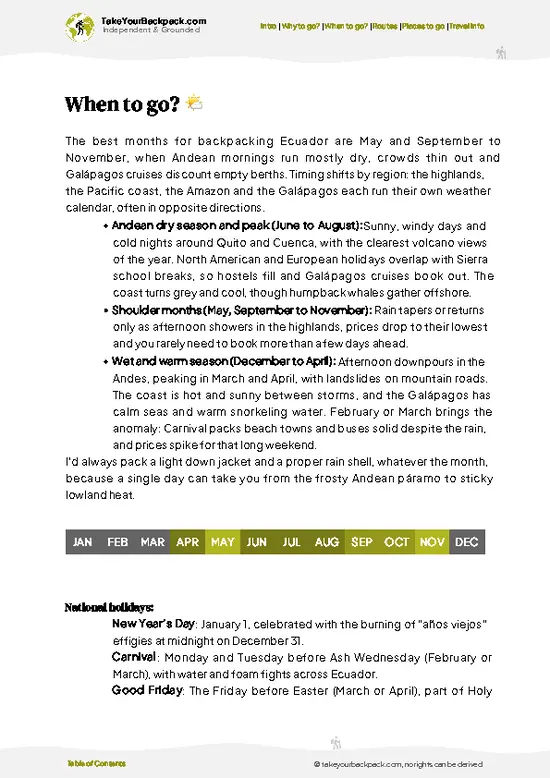
source: climatestotravel.comJANJanuary: fair for travelingFEBFebruary: fair for travelingMARMarch: fair for travelingAPRApril: fair for travelingMAYMay: highly recommended for travelingJUNJune: excellent for travelingJULJuly: excellent for travelingAUGAugust: excellent for travelingSEPSeptember: highly recommended for travelingOCTOctober: highly recommended for travelingNOVNovember: fair for travelingDECDecember: fair for traveling
ecuador-city-ibarra
© Google |

✈️ The backpacker research shortcutEcuador Travel Guide

An offline-friendly backpacking guide with optimized travel routes, ranked highlights, transport advice, and the best areas to stay.
example page 0 from our offline Travel Guide for Ecuador
example page 1 from our offline Travel Guide for Ecuador
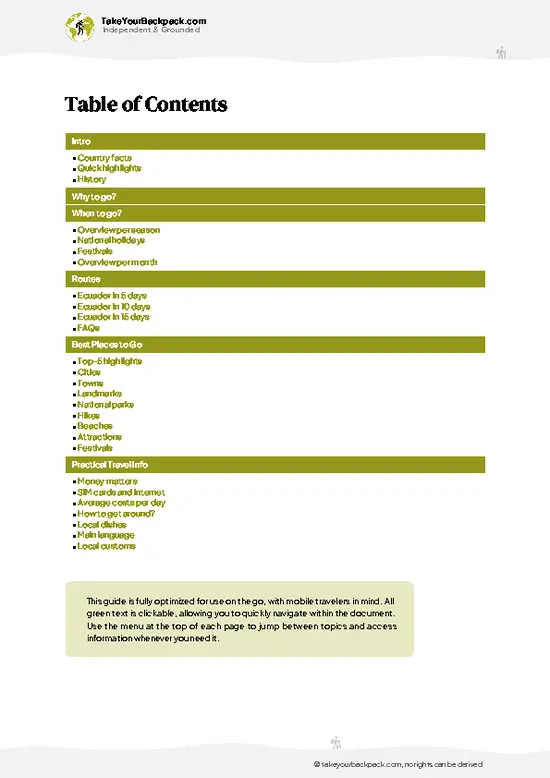
example page 2 from our offline Travel Guide for Ecuador
example page 3 from our offline Travel Guide for Ecuador
example page 4 from our offline Travel Guide for Ecuador
example page 5 from our offline Travel Guide for Ecuador
example page 6 from our offline Travel Guide for Ecuador
example page 7 from our offline Travel Guide for Ecuador
The digital guide (362 pages) contains:
94 highlights, ranked by travel appeal
Optimized 5, 10 & 15-day travel routes
Cities, national parks, landmarks, beaches
How to get around
Offline-friendly for travel without Wi-Fi
👉 Click to see all 30+ guide features

📅 Plan smarter in minutes, not weeks
Month by month travel advice
Festivals & national holidays
Budget expectations

🗺️ Go to the right places, skip the overrated ones
Honest pros & cons of destinations
Top hikes, parks & viewpoints
Lesser-known places most travelers miss
Clear “worth it vs skip it” guidance

🛏️ Travel smoothly without rookie mistakes
Best areas to stay
Transport systems explained simply
Common scams & safety advice
SIM cards, money & practical tips

🌍 Understand the country, not just visit it
Culture & traditions
52 Essential phrases & customs
Festivals worth planning around
Traveler-friendly historical context
Insights that make places more meaningful

📱 Built for real travel conditions
Fully downloadable PDF
Works completely offline
Optimized for phone use
Useful in remote areas & buses
Everything in one place
Save weeks of stressful planning
Get instant access to your full guide. 30‑day money-back guarantee.


By proceeding you agree to our terms.
Sent to your inbox immediately after payment • 100% Secure Checkout
Best Backpacking Travel Advisor 2025 tourism awardBest Backpacking
Travel Advisor
2025
What others say about Take Your Backpack Guides:
⭐⭐⭐⭐⭐
Fantastic, amazing amount of information!
⭐⭐⭐⭐⭐
My goodness this is amazing, it's what I've been looking for hats off too you!
⭐⭐⭐⭐⭐
I think this is absolutely BRILLIANT
⭐⭐⭐⭐
Very complete and informative. It's still missing places, but I gotta to commend you
⭐⭐⭐⭐⭐
This is truly amazing, thank you, can't wait to explore it with my kids!
⭐⭐⭐⭐⭐
Awesome resource, thank you!
⭐⭐⭐⭐⭐
This is amazing! Can't wait to explore the ones I haven't seen
⭐⭐⭐⭐
I love this! Well done, great idea.
⭐⭐⭐⭐⭐
Thanks for taking the time to make this gem!
⭐⭐⭐⭐⭐
This might be the best website I've ever seen.
⭐⭐⭐⭐⭐
Congratulations, and thank you so much for your work; it's incredibly valuable.
⭐⭐⭐⭐
In all seriousness I think you did a great job pointing out the important spots
⭐⭐⭐⭐⭐
10/10 very good
⭐⭐⭐⭐⭐
As someone who's only just starting to visit regularly this is awesome, thank you.
⭐⭐⭐⭐
Thank you very much! I'm going to visit my dad, it's going to be very useful!
⭐⭐⭐⭐⭐
This is really cool! We'll be travelling for the first time and this definitely come in handy.
⭐⭐⭐⭐⭐
You are now our minister of culture, congratulations 👨‍💼
⭐⭐⭐⭐⭐
Just wanted to tell you that this is a pearl! Going to follow your recommendations.
⭐⭐⭐⭐⭐
This is so cool. I'll definitely be using the resource for my travels soon.
⭐⭐⭐⭐⭐
This is very impressive! Good work.
⭐⭐⭐⭐⭐
This is an amazing and informative site. Very well done!

🛏️ Where to stay?Best areas and accommodation options

In Ibarra, the best spot for backpackers is the historic center. It’s where the city’s pulse beats strongest—safe streets, lively plazas, and a cluster of budget hostels that attract solo travelers and groups alike. This area balances comfort and social energy without the premium price tag of more touristy zones. You’ll find yourself steps away from local markets, street food vendors, and cafes where you can swap stories with fellow adventurers.

Compared to the quieter, more residential neighborhoods on the city’s outskirts, the historic center offers a built-in community vibe. It’s not just … read more 👉
In Ibarra, the best spot for backpackers is the historic center. It’s where the city’s pulse beats strongest—safe streets, lively plazas, and a cluster of budget hostels that attract solo travelers and groups alike. This area balances comfort and social energy without the premium price tag of more touristy zones. You’ll find yourself steps away from local markets, street food vendors, and cafes where you can swap stories with fellow adventurers.

Compared to the quieter, more residential neighborhoods on the city’s outskirts, the historic center offers a built-in community vibe. It’s not just about saving money; it’s about maximizing connection and convenience. You’re trading a bit of tranquility for access to nightlife and easy transport links, but that’s a smart trade-off if you want to meet people and dive into local life.

Other parts of Ibarra can feel disconnected or too spread out for a backpacker’s rhythm. The historic center keeps you plugged in, making it the logical choice for anyone who values safety, social opportunities, and budget-friendly stays all wrapped into one.

🚌 Getting aroundGetting around like a local

Ibarra moves at its own pace—neither frantic nor sluggish, but a steady rhythm that blends old-school routine with moments of spontaneous hustle. The city’s pulse is set by locals who know when to wait and when to move fast, a dance between the clock and the street’s vibe. You won’t find a hyper-efficient metro system here, but you will find a network of options that reward patience and savvy choices. Understanding how time, money, and comfort trade off in Ibarra’s transit game means you can slice through the city with confidence, not confusion.


  • Walking: The most straightforward and cost-free way to navigate Ibarra’s compact center. Streets are walkable, with plenty of shade and local life to soak in. Expect to cover 3-4 kilometers in about an hour at a relaxed pace. No schedules, no fares—just
read more 👉
Ibarra moves at its own pace—neither frantic nor sluggish, but a steady rhythm that blends old-school routine with moments of spontaneous hustle. The city’s pulse is set by locals who know when to wait and when to move fast, a dance between the clock and the street’s vibe. You won’t find a hyper-efficient metro system here, but you will find a network of options that reward patience and savvy choices. Understanding how time, money, and comfort trade off in Ibarra’s transit game means you can slice through the city with confidence, not confusion.


  • Walking: The most straightforward and cost-free way to navigate Ibarra’s compact center. Streets are walkable, with plenty of shade and local life to soak in. Expect to cover 3-4 kilometers in about an hour at a relaxed pace. No schedules, no fares—just your own two feet and the city’s textures.


  • Local Buses (Colectivos): These minibuses run from early morning around 6:00 AM until about 9:00 PM. Fares hover around $0.25 to $0.50, making them the cheapest motorized option. They’re slow and often packed, but they hit most neighborhoods and key spots like the central market and bus terminal. Comfort is minimal—think hard seats and frequent stops—but the price and coverage make them a budget traveler’s staple.


  • Taxi: Taxis in Ibarra are metered but often negotiated upfront, especially for short hops. Expect to pay between $1.50 and $3 for rides within the city center. They offer speed and door-to-door convenience, cutting your travel time in half compared to buses. Comfort is decent, but traffic can still slow you down during peak hours. Best for when time is tight and you want to avoid the bus crush.


  • Motorcycle Taxis (Mototaxis): A fast, nimble option for short distances, especially in areas where buses don’t go. Prices range from $0.50 to $1.50 depending on distance. They’re quick but less safe and less comfortable—no doors, no suspension to speak of. Use them if you’re feeling adventurous and want to shave off minutes, but keep your wits about you.


  • Intercity Buses: If you’re planning to leave Ibarra or explore nearby towns, these buses depart from the main terminal starting around 5:00 AM until early evening. Tickets cost $2 to $5 depending on the destination. They’re slower than taxis but far cheaper, with basic seating and occasional stops. Not for city hopping, but essential for budget travel beyond Ibarra’s borders.

👛 Costs (as of 2 January 2026)Money, prices, and spending tips

Backpacking in Ibarra, Ecuador, offers a clear trade-off between cost and comfort, with prices that let you stretch your budget without sacrificing the essentials.
  • Dorm Accommodation (High Season): Expect to pay around $8 to $12 per night in a shared dorm during peak travel months. These are basic but clean hostels, often with communal kitchens and social spaces.
  • Dorm Accommodation (Off-Season): Prices drop to about $5 to $8 per night when fewer tourists are around, giving you a quieter, more relaxed vibe without breaking the bank.
  • Meals: Street food and local eateries dominate here. Budget around $3 to $6 per meal for hearty, traditional dishes like ceviche or llapingachos. If you opt for a sit-down restaurant, expect to pay closer to $7 to $10.
  • Local Transport: Bus rides within the city
read more 👉
Backpacking in Ibarra, Ecuador, offers a clear trade-off between cost and comfort, with prices that let you stretch your budget without sacrificing the essentials.
  • Dorm Accommodation (High Season): Expect to pay around $8 to $12 per night in a shared dorm during peak travel months. These are basic but clean hostels, often with communal kitchens and social spaces.
  • Dorm Accommodation (Off-Season): Prices drop to about $5 to $8 per night when fewer tourists are around, giving you a quieter, more relaxed vibe without breaking the bank.
  • Meals: Street food and local eateries dominate here. Budget around $3 to $6 per meal for hearty, traditional dishes like ceviche or llapingachos. If you opt for a sit-down restaurant, expect to pay closer to $7 to $10.
  • Local Transport: Bus rides within the city typically cost $0.25 to $0.50. Taxis start at about $1.50 for short trips, making them a convenient but slightly pricier option for quick hops.
  • City Transport Pass: Ibarra doesn’t have a formal city transport pass system, so budgeting for individual rides is necessary. A daily transport budget of $1 to $2 covers most movement around town.
  • Basic Activities/Entry Fees: Museums and local attractions usually charge between $1 and $3. Outdoor activities like visiting the nearby thermal baths or hiking spots might be free or have a small entrance fee under $5.
  • Miscellaneous Expenses: Think snacks, bottled water, occasional coffee, or small souvenirs. Set aside $2 to $5 daily to cover these little extras that add up.

All told, you’re looking at a daily budget between $15 and $30, depending on how much you lean into comfort or scrimp on extras. Ibarra rewards those who balance modest spending with a willingness to explore on foot and savor local flavors.


source: ecuador.travel
⚠️ Prices can change and everyone travels differently, so take this as a rough guide. Hope it helps you plan your adventure!

🚌 Day tripsWhere to go beyond the main area

Ibarra, Ecuador, is a fantastic launchpad for day trips that blend adventure with cultural immersion. Here’s how to make the most of your time, money, and comfort while exploring the surrounding gems.

Laguna de Cuicocha
Just a 45-minute bus ride from Ibarra, Laguna de Cuicocha is a volcanic crater lake that offers stunning views and a chance to hike around its perimeter. The trail is about 12 kilometers and can be done in a few hours, making it perfect for a day trip. Bring a packed lunch to enjoy by the water, and don’t forget your camera—sunrise or sunset here is magical. A round-trip bus fare is around $2, and the entrance fee is minimal. The best time to visit is during the dry season, from June to September. First-timers often underestimate the chill at the lake, so layer up!
👉 Explore read more 👉
Ibarra, Ecuador, is a fantastic launchpad for day trips that blend adventure with cultural immersion. Here’s how to make the most of your time, money, and comfort while exploring the surrounding gems.

Laguna de Cuicocha
Just a 45-minute bus ride from Ibarra, Laguna de Cuicocha is a volcanic crater lake that offers stunning views and a chance to hike around its perimeter. The trail is about 12 kilometers and can be done in a few hours, making it perfect for a day trip. Bring a packed lunch to enjoy by the water, and don’t forget your camera—sunrise or sunset here is magical. A round-trip bus fare is around $2, and the entrance fee is minimal. The best time to visit is during the dry season, from June to September. First-timers often underestimate the chill at the lake, so layer up!
👉 Explore Laguna de Cuicocha

Otavalo Market
Only an hour away, the Otavalo Market is a vibrant hub of indigenous culture. You’ll find everything from colorful textiles to handmade jewelry. Arrive early to beat the crowds and snag the best deals. Budget about $5 for transport and a few dollars for snacks. The market is bustling on Saturdays, but visiting on weekdays offers a more relaxed experience. A common mistake is to rush through without bargaining—haggling is part of the fun!


Cascada de Peguche
A short 30-minute ride takes you to Cascada de Peguche, a serene waterfall surrounded by lush greenery. The hike to the falls is easy and takes about 30 minutes, making it accessible for all skill levels. It’s free to enter, and you can spend the day picnicking or simply soaking in the natural beauty. The best time to visit is during the rainy season when the falls are at their fullest. Many first-timers miss the trailhead, so keep an eye out for signs!


Chota Valley
For a taste of rural life, head to Chota Valley, about an hour and a half from Ibarra. Known for its rich agricultural landscape, you can explore local farms and enjoy traditional meals. The journey costs around $3 each way, and you’ll want to budget for food. Visiting during the harvest season, from May to August, offers the most vibrant experience. A common pitfall is not checking bus schedules; they can be infrequent, so plan accordingly.
Want to know what more Ecuador offers?
The Ecuador Travel Guide describes 94 highlights, from cities to national parks, from beaches to hikes

Get the Travel Guide -

🍲 FoodEating & Drinking in Ibarra

In Ibarra, food is a vibrant tapestry of flavors that tells the story of the land and its people. You can’t miss trying locro de papa, a creamy potato soup that warms you from the inside out, often topped with fresh avocado. Pair it with empanadas de viento, light and flaky pastries filled with cheese, perfect for a quick snack while wandering the streets.

The markets are where the magic happens. Stalls burst with local produce, and the air is thick with the scent of grilled meats and spices. Street vendors serve up hornado, succulent roasted pork, often accompanied by llapingachos, cheesy potato cakes that are a must-try.

When it comes to drinks, don’t overlook chicha, a traditional fermented beverage made from corn. It’s often served in communal settings, inviting you to share stories … read more 👉
In Ibarra, food is a vibrant tapestry of flavors that tells the story of the land and its people. You can’t miss trying locro de papa, a creamy potato soup that warms you from the inside out, often topped with fresh avocado. Pair it with empanadas de viento, light and flaky pastries filled with cheese, perfect for a quick snack while wandering the streets.

The markets are where the magic happens. Stalls burst with local produce, and the air is thick with the scent of grilled meats and spices. Street vendors serve up hornado, succulent roasted pork, often accompanied by llapingachos, cheesy potato cakes that are a must-try.

When it comes to drinks, don’t overlook chicha, a traditional fermented beverage made from corn. It’s often served in communal settings, inviting you to share stories and laughter with locals.

Dining here is casual and communal. Expect to share tables and engage in lively conversations. Embrace the local pace; meals are a time to connect, not rush. This is where you’ll find the heart of Ibarra—through its food and the people who share it.

🛡️ SafetyStaying Safe: What Travelers Should Know

Ibarra is generally safe for backpackers, but a few smart choices can enhance your experience. Stay aware in crowded markets like Plaza de los Ponchos, where pickpockets might lurk. Keep your valuables close and avoid flashy displays of wealth.

If you’re solo, stick to well-lit areas at night. The main square is lively and usually safe, but venturing into quieter neighborhoods after dark can be riskier.

Common scams are rare, but be cautious of overly friendly strangers offering unsolicited help. Politely decline and trust your instincts.

Everyday annoyances include the occasional aggressive street vendor. A firm but friendly “no, gracias” usually does the trick. By staying alert and confident, you’ll navigate Ibarra smoothly and enjoy its vibrant culture without unnecessary stress.

Other Ecuadorian cities near Ibarra

Explore more nearby:

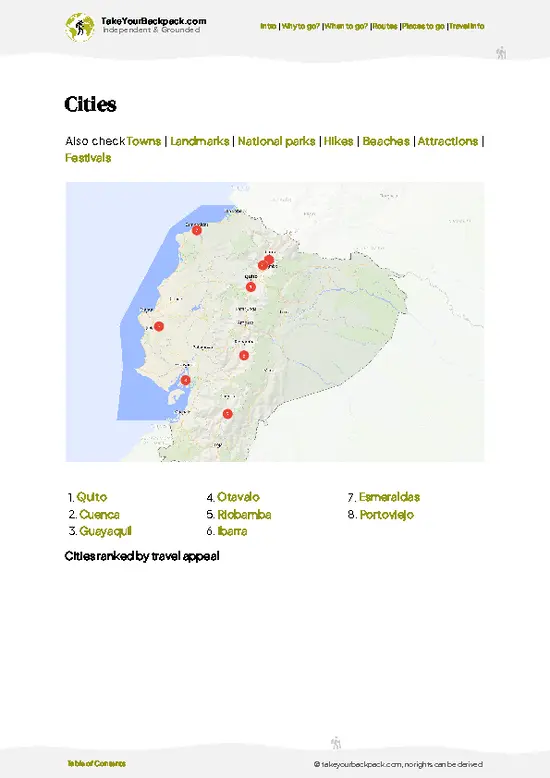
  • Otavalo—textile market, indigenous culture, Andean music| 19 km away
  • Quito—High-altitude core, steep streets, panoramic viewpoints| 76 km away
  • Esmeraldas—Pacific coastline, Afro-Ecuadorian culture, seafood stalls| 183 km away

💡 Not sure where to go next?
Create a personalized itinerary for Ecuador including Ibarra and the places that fit your trip.

Generate my itinerary

👉 Discover all cities

Or checkout all Ecuador has to offer (think cities, towns, villages, national parks, hikes, beaches, festivals)
Country photo of Ecuador

We 💚 feedbackWhat to keep in mind

Ibarra is a vibrant hub for experiencing Ecuadorian culture, with its lively markets and the stunning backdrop of the Andes. You’ll savor local dishes and connect with friendly locals, which makes it a worthwhile stop. However, be prepared for the altitude; it can hit hard if you’re not acclimated. Embrace the challenge, and you’ll find the rewards are well worth the effort.

✈️ When did I visit Ecuador?
Ecuador I visited during my half year trip through South and Central America back in 2003

✍️ Help improve this page!
The information on this page is based on my own backpacking experience in Ecuador, supplemented with up-to-date research and feedback from other travelers. Travel details can change, so if you notice anything outdated or incomplete, feel free to let me know.


🙋‍♂️ Give feedback

👋 Meet the founderWho’s Behind Take Your Backpack?

Johan, backpacker and founder of TakeYourBackpackHi, I’m Johan (Netherlands 🇳🇱), the creator of TakeYourBackpack. Over the past decade, I’ve backpacked through 80+ countries across six continents, gaining extensive experience with independent travel, long-term trips, and overland routes.

This site is built on a combination of firsthand travel experience and carefully curated insights from other backpackers. Many guides are based on places I’ve personally visited, while others bring together tips, observations, and practical advice shared by trusted travelers I’ve met along the way.

The goal is to provide realistic, experience-driven guidance — not generic itineraries — so you can explore destinations with better context, clearer expectations, and more confidence.

Get full Ecuador guide •
Instant download • 94 highlights • Full Offline guide