×

Ecuador🇪🇨 | best citiesBest 9 cities in Ecuador

Ecuador’s cities pulse with a unique blend of culture, history, and adventure, making them essential stops for any backpacker. From the bustling streets of Quito, where colonial architecture meets vibrant nightlife, to the laid-back charm of Cuenca, each urban center offers distinct experiences shaped by regional nuances. Major hubs like Guayaquil provide robust transport connections and a lively atmosphere, while smaller towns like Baños invite deeper cultural immersion and a slower pace. Your choice of city will significantly impact your budget, safety, and overall vibe, especially as seasonal variations can alter local events and accessibility. Embrace the diversity of Ecuador’s urban landscapes to maximize your independent travel experience.

By Johan Kruseman 🇳🇱 | Updated June 12, 2026
Explore the best towns in Ecuador

Why go?What Makes Them Special

Ecuador’s cities pulse with a cultural diversity that sets them apart from urban centers in other countries. Each city embodies a unique blend of indigenous heritage and colonial history, creating a rich tapestry of traditions and modern influences. This dynamic is shaped by regional identities that reflect the country’s varied geography—from the Andes to the Amazon and the Pacific coast.

Travelers face significant trade-offs when exploring these urban landscapes. The transport networks are generally reliable, yet they can be time-consuming. Opting for a quick visit might mean sacrificing the depth of exploration that reveals the true essence of each city. For instance, a brief stay in a bustling market may only scratch the surface of local customs and flavors.

Ecuador’s climatic variationsread more 👉
Ecuador’s cities pulse with a cultural diversity that sets them apart from urban centers in other countries. Each city embodies a unique blend of indigenous heritage and colonial history, creating a rich tapestry of traditions and modern influences. This dynamic is shaped by regional identities that reflect the country’s varied geography—from the Andes to the Amazon and the Pacific coast.

Travelers face significant trade-offs when exploring these urban landscapes. The transport networks are generally reliable, yet they can be time-consuming. Opting for a quick visit might mean sacrificing the depth of exploration that reveals the true essence of each city. For instance, a brief stay in a bustling market may only scratch the surface of local customs and flavors.

Ecuador’s climatic variations also play a role in urban experiences. The highlands offer a cooler climate, ideal for leisurely strolls through historic districts, while coastal cities buzz with vibrant nightlife and warmer temperatures. However, the infrastructure can be a double-edged sword; while major cities are accessible, remote areas may require more effort to reach, limiting immersive experiences.

Understanding these constraints allows travelers to make informed choices. Prioritizing time, money, and comfort will lead to high-value experiences that resonate long after the journey ends.
Why These Made the Cut
The list of best cities in Ecuador is created based on culture, vibe, attractions, transport ease, and local charm. If you feel a city is missing in this list, please let us know.

When to go?Optimal Periods for Travel

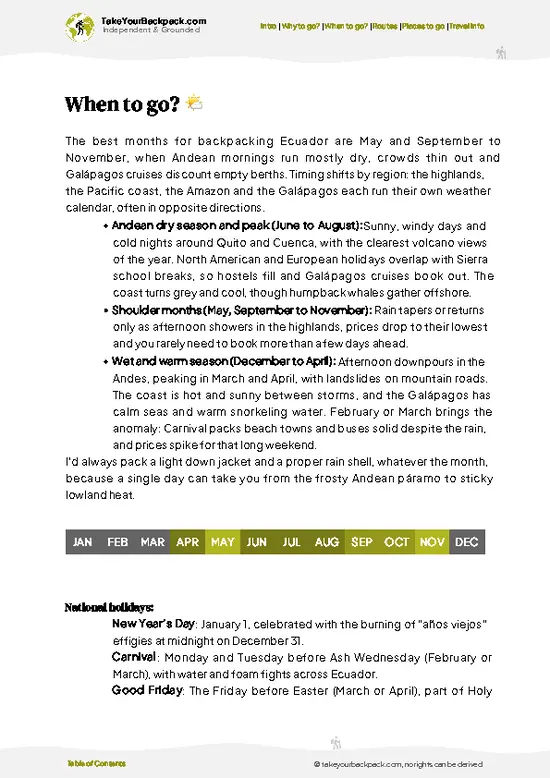
Seasonality plays a crucial role in shaping the experience of exploring Ecuador’s cities. The country has two primary seasons: the dry season and the wet season. The dry season, typically from June to September, offers pleasant temperatures and less rain, making it ideal for urban exploration. However, this period also attracts larger crowds, particularly during local festivals.

Temperatures can vary significantly depending on the region. Coastal cities experience warm, humid weather, while highland areas can be cooler, especially at night. During the wet season, from December to May, expect higher humidity and rain, which can dampen outdoor activities but also means fewer tourists and lower accommodation costs.

Shoulder seasons present a unique opportunity. Traveling just before or after … read more 👉
Seasonality plays a crucial role in shaping the experience of exploring Ecuador’s cities. The country has two primary seasons: the dry season and the wet season. The dry season, typically from June to September, offers pleasant temperatures and less rain, making it ideal for urban exploration. However, this period also attracts larger crowds, particularly during local festivals.

Temperatures can vary significantly depending on the region. Coastal cities experience warm, humid weather, while highland areas can be cooler, especially at night. During the wet season, from December to May, expect higher humidity and rain, which can dampen outdoor activities but also means fewer tourists and lower accommodation costs.

Shoulder seasons present a unique opportunity. Traveling just before or after peak periods can offer a balance of decent weather and manageable crowds. This timing allows for a more authentic experience, as local rhythms remain intact without the overwhelming presence of tourists.

Festivals often coincide with peak tourist times, presenting a trade-off. Missing these events means avoiding crowds but sacrificing the chance to engage with vibrant cultural expressions. Understanding these seasonal dynamics enables travelers to make informed choices, maximizing their experience while navigating the complexities of time, money, and comfort.

city hoppingOptimizing Your Multi-Stop Itinerary

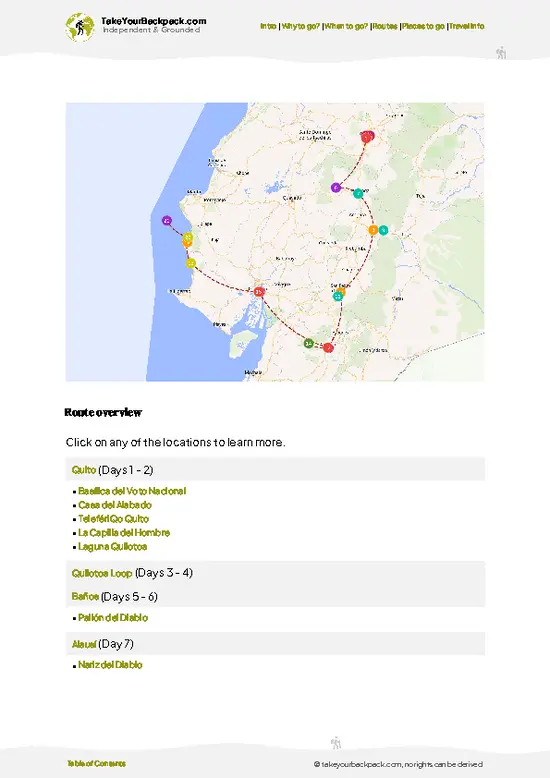
Traveling through Ecuador is all about smart routing. Start by clustering cities by region. The Andes, Amazon, and coastal areas each offer distinct experiences. Begin in Quito, the capital, then head south to Cuenca. This route allows for a deep dive into Andean culture and architecture.

Next, consider the Amazon. From Cuenca, a quick bus ride or flight to Tena opens up lush jungles and indigenous communities. Spend a couple of days here to soak in the environment.

For coastal vibes, travel west to Guayaquil. This city is a gateway to the beaches and offers a different flavor of Ecuadorian life. A few days here can balance your trip, providing a mix of urban and natural experiences.

Time management is crucial. Allocate at least two to three days per city to avoid the whirlwind effect. … read more 👉
Traveling through Ecuador is all about smart routing. Start by clustering cities by region. The Andes, Amazon, and coastal areas each offer distinct experiences. Begin in Quito, the capital, then head south to Cuenca. This route allows for a deep dive into Andean culture and architecture.

Next, consider the Amazon. From Cuenca, a quick bus ride or flight to Tena opens up lush jungles and indigenous communities. Spend a couple of days here to soak in the environment.

For coastal vibes, travel west to Guayaquil. This city is a gateway to the beaches and offers a different flavor of Ecuadorian life. A few days here can balance your trip, providing a mix of urban and natural experiences.

Time management is crucial. Allocate at least two to three days per city to avoid the whirlwind effect. Rushing through can lead to missed connections and shallow experiences.

Common pitfalls include over-scheduling and underestimating travel times. Buses can be slow, and flights may not always align with your plans.

Ultimately, weigh speed against depth. Quick stops can be tempting, but the richness of Ecuador lies in its details. Prioritize flexibility; adjust your plans based on what resonates most.

The ListHighly Recommended cities of Ecuador

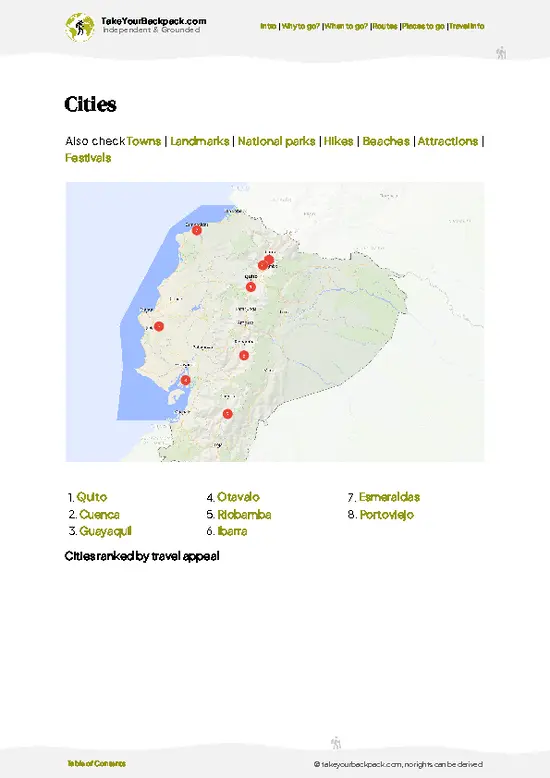
1 Quito

High-altitude core, steep streets, panoramic viewpoints

Climb through a city perched above 2,800 meters, where sudden weather shifts and dramatic vistas define every walk between neighborhoods.

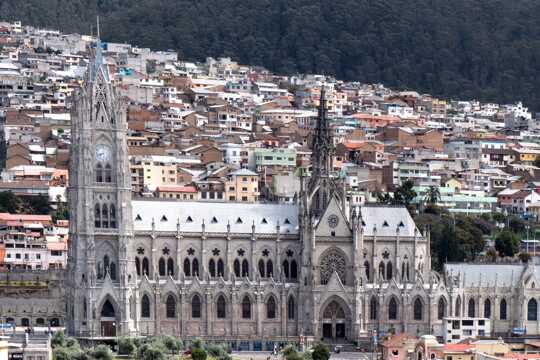
Ecuador - Quito

2 Cuenca

Andean rooftops, colonial plazas, artisan markets

Wander through narrow lanes lined with centuries-old facades, where local crafts and mountain air shape daily life for residents and visitors.

3 Otavalo

textile market, indigenous culture, Andean music

Arrive early to witness market day traditions, then wander side streets filled with local crafts and the sound of panpipes.

ecuador-city-otavalo
© Google | Andres Salazar

4 Guayaquil

Riverfront promenade, tropical humidity, urban sprawl

Experience Ecuador’s largest city by tracing the Malecón, navigating busy neighborhoods, and sampling seafood in a climate that rarely cools down.

5 Riobamba

Volcano backdrop, railway hub, indigenous markets

Start early to catch mountain views, explore bustling plazas, and use Riobamba as a base for trips into the central highlands.

6 Ibarra

Whitewashed facades, lakeside access, mild climate

Relax in a city known for its temperate weather, easy access to Laguna Yahuarcocha, and a slower pace compared to larger urban centers.

ecuador-city-ibarra
© Google |

7 Esmeraldas

Pacific coastline, Afro-Ecuadorian culture, seafood stalls

Sample coastal dishes, listen to marimba rhythms, and use Esmeraldas as a gateway to Ecuador’s northern beaches and mangroves.

8 Ambato

Fruit orchards, flower trade, hillside parks

Visit during local festivals or market days to see how agriculture and commerce shape the city’s rhythm and public spaces.

ecuador-city-ambato
© Google |

9 Portoviejo

Manabí cuisine, inland crossroads, palm-lined avenues

Taste regional dishes, navigate busy intersections, and notice how commerce and agriculture intersect in this central coastal city.

Loading the map 🌍

Expert viewTips and Advice from Travelers

Transport Hubs
Ecuador’s transport hubs are the veins of its urban landscape, pumping life into your journey. Major cities serve as launchpads, connecting you to the heart of the Andes, the Amazon, and the coast. Buses are the backbone of intercity travel, offering a range of comfort levels and prices. Expect to pay more for direct routes, but those extra dollars can save you hours. If you’re on a tight schedule, opt for the quicker, albeit pricier, services. If you have time to spare, the local buses offer a more immersive experience, but be ready for longer travel times and potential delays.

Urban Pacing
Ecuadorian cities pulse with a rhythm that varies from bustling markets to serene plazas. The pace of life can dictate how much you absorb. If you’re racing through multiple cities, … read more 👉
Transport Hubs
Ecuador’s transport hubs are the veins of its urban landscape, pumping life into your journey. Major cities serve as launchpads, connecting you to the heart of the Andes, the Amazon, and the coast. Buses are the backbone of intercity travel, offering a range of comfort levels and prices. Expect to pay more for direct routes, but those extra dollars can save you hours. If you’re on a tight schedule, opt for the quicker, albeit pricier, services. If you have time to spare, the local buses offer a more immersive experience, but be ready for longer travel times and potential delays.

Urban Pacing
Ecuadorian cities pulse with a rhythm that varies from bustling markets to serene plazas. The pace of life can dictate how much you absorb. If you’re racing through multiple cities, you’ll miss the nuances—the street vendors’ banter, the aroma of local dishes wafting through the air. I once rushed through a city, only to realize I’d traded the vibrant local culture for a checklist of sights. Aim for three to four cities if you want to balance exploration with immersion. This allows you to dive deeper into each locale without feeling like a tourist on a conveyor belt.

Local Costs
Budgeting in Ecuador can be a balancing act. Street food is a steal, but dining in upscale restaurants can quickly drain your wallet. If you’re keen on experiencing local cuisine, prioritize street vendors for authentic flavors at a fraction of the cost. However, if you’re looking for comfort and a sit-down meal, allocate more of your budget to those experiences. The trade-off here is clear: spend less on food and have more for activities, or indulge in culinary delights and risk cutting back on excursions.

Exploring More Cities vs. Deeper Immersion
The allure of ticking off cities can be tempting, but consider what you might sacrifice. Rushing through can lead to a superficial understanding of the culture. Each city has its own character, shaped by history and local customs. If you choose to explore more cities quickly, you’ll gain a broader perspective but lose the chance to connect with locals and understand their way of life. On the other hand, spending more time in fewer places allows for deeper interactions and richer experiences.

Planning and Prioritizing
When mapping out your journey, think about what excites you most. Are you drawn to nature, history, or vibrant street life? Prioritize cities that align with your interests. Research local festivals or events that might enhance your experience. If you’re keen on hiking, factor in travel times to remote areas. The infrastructure can be a bit unpredictable, so always leave a buffer in your schedule.

Safety & Cultural Considerations
Safety is paramount, especially when navigating urban areas. Stay aware of your surroundings and avoid flashy displays of wealth. Engaging with locals can enrich your experience, but approach cultural differences with respect. Learning a few phrases in Spanish can go a long way. It’s not just about communication; it shows you value their culture.

In the end, the choices you make in Ecuador will shape your adventure. Whether you sprint through cities or take a leisurely stroll, each decision carries weight. Embrace the journey, and let the trade-offs guide you toward the experiences that resonate most.

✈️ The backpacker research shortcutEcuador Travel Guide

An offline-friendly backpacking guide with optimized travel routes, ranked highlights, transport advice, and the best areas to stay.
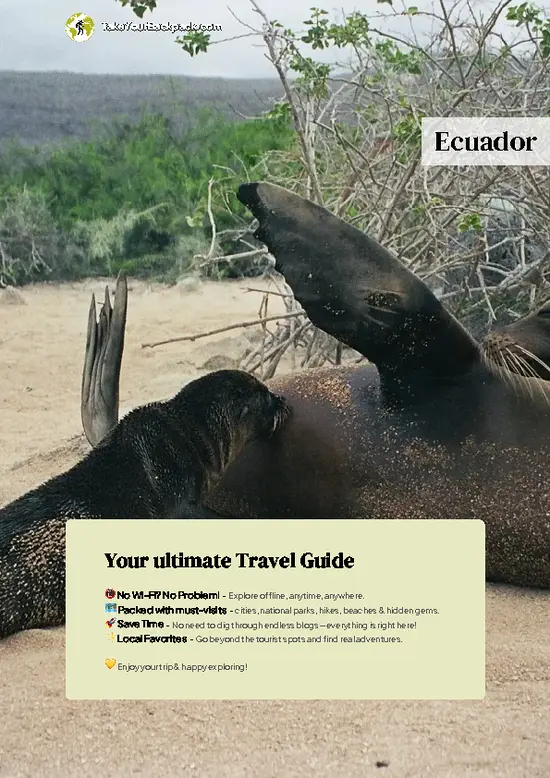
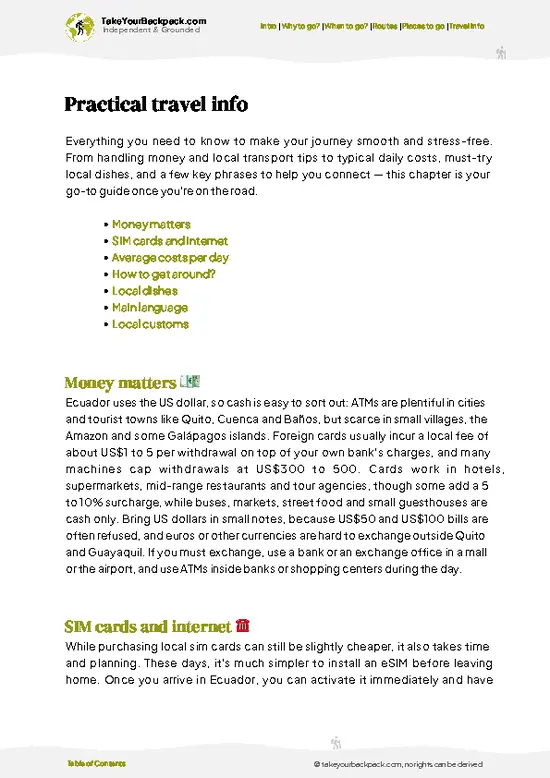
example page 0 from our offline Travel Guide for Ecuador
example page 1 from our offline Travel Guide for Ecuador
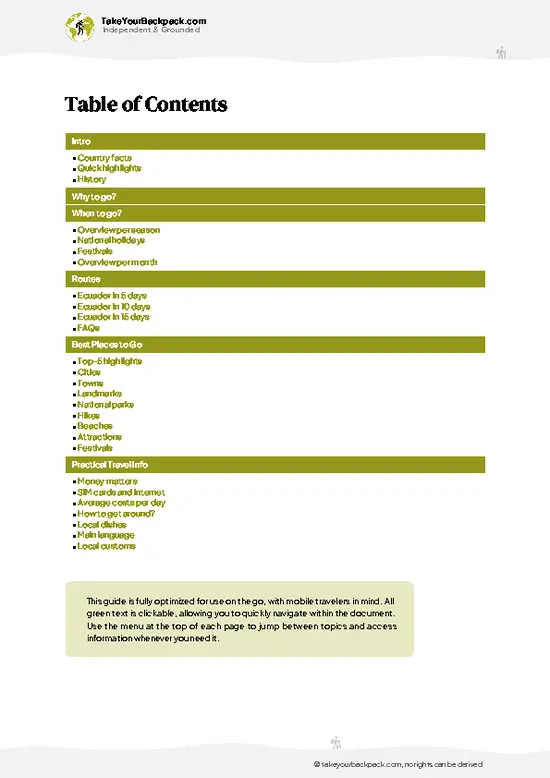
example page 2 from our offline Travel Guide for Ecuador
example page 3 from our offline Travel Guide for Ecuador
example page 4 from our offline Travel Guide for Ecuador
example page 5 from our offline Travel Guide for Ecuador
example page 6 from our offline Travel Guide for Ecuador
example page 7 from our offline Travel Guide for Ecuador
The digital guide (362 pages) contains:
94 highlights, ranked by travel appeal
Optimized 5, 10 & 15-day travel routes
Cities, national parks, landmarks, beaches
How to get around
Offline-friendly for travel without Wi-Fi
👉 Click to see all 30+ guide features

📅 Plan smarter in minutes, not weeks
Month by month travel advice
Festivals & national holidays
Budget expectations

🗺️ Go to the right places, skip the overrated ones
Honest pros & cons of destinations
Top hikes, parks & viewpoints
Lesser-known places most travelers miss
Clear “worth it vs skip it” guidance

🛏️ Travel smoothly without rookie mistakes
Best areas to stay
Transport systems explained simply
Common scams & safety advice
SIM cards, money & practical tips

🌍 Understand the country, not just visit it
Culture & traditions
52 Essential phrases & customs
Festivals worth planning around
Traveler-friendly historical context
Insights that make places more meaningful

📱 Built for real travel conditions
Fully downloadable PDF
Works completely offline
Optimized for phone use
Useful in remote areas & buses
Everything in one place
Save weeks of stressful planning
Get instant access to your full guide. 30‑day money-back guarantee.


By proceeding you agree to our terms.
Sent to your inbox immediately after payment • 100% Secure Checkout
Best Backpacking Travel Advisor 2025 tourism awardBest Backpacking
Travel Advisor
2025
What others say about Take Your Backpack Guides:
⭐⭐⭐⭐⭐
Fantastic, amazing amount of information!
⭐⭐⭐⭐⭐
My goodness this is amazing, it's what I've been looking for hats off too you!
⭐⭐⭐⭐⭐
I think this is absolutely BRILLIANT
⭐⭐⭐⭐
Very complete and informative. It's still missing places, but I gotta to commend you
⭐⭐⭐⭐⭐
This is truly amazing, thank you, can't wait to explore it with my kids!
⭐⭐⭐⭐⭐
Awesome resource, thank you!
⭐⭐⭐⭐⭐
This is amazing! Can't wait to explore the ones I haven't seen
⭐⭐⭐⭐
I love this! Well done, great idea.
⭐⭐⭐⭐⭐
Thanks for taking the time to make this gem!
⭐⭐⭐⭐⭐
This might be the best website I've ever seen.
⭐⭐⭐⭐⭐
Congratulations, and thank you so much for your work; it's incredibly valuable.
⭐⭐⭐⭐
In all seriousness I think you did a great job pointing out the important spots
⭐⭐⭐⭐⭐
10/10 very good
⭐⭐⭐⭐⭐
As someone who's only just starting to visit regularly this is awesome, thank you.
⭐⭐⭐⭐
Thank you very much! I'm going to visit my dad, it's going to be very useful!
⭐⭐⭐⭐⭐
This is really cool! We'll be travelling for the first time and this definitely come in handy.
⭐⭐⭐⭐⭐
You are now our minister of culture, congratulations 👨‍💼
⭐⭐⭐⭐⭐
Just wanted to tell you that this is a pearl! Going to follow your recommendations.
⭐⭐⭐⭐⭐
This is so cool. I'll definitely be using the resource for my travels soon.
⭐⭐⭐⭐⭐
This is very impressive! Good work.
⭐⭐⭐⭐⭐
This is an amazing and informative site. Very well done!

🛏️ Where to stay?Accommodation Highlights

Yes — hostels and budget accommodation are widespread across Ecuador, with the best concentration in Quito, Cuenca, Guayaquil, Baños, Montañita and Puerto Ayora (Galápagos).
In Quito choose La Mariscal for nightlife and traveler services but expect noise, Centro Histórico for the cheapest options and direct access to sights but avoid late-night streets, and La Floresta for cafés and quieter blocks; in Cuenca stay near Parque Calderón for safe walking and colonial charm; in Guayaquil look at the Malecón/Las Peñas waterfront for convenience with mixed safety perceptions; in Baños the downtown strip puts you near hot springs and activities but is busy, while Montañita’s town center is party-focused … read more 👉
Yes — hostels and budget accommodation are widespread across Ecuador, with the best concentration in Quito, Cuenca, Guayaquil, Baños, Montañita and Puerto Ayora (Galápagos).
In Quito choose La Mariscal for nightlife and traveler services but expect noise, Centro Histórico for the cheapest options and direct access to sights but avoid late-night streets, and La Floresta for cafés and quieter blocks; in Cuenca stay near Parque Calderón for safe walking and colonial charm; in Guayaquil look at the Malecón/Las Peñas waterfront for convenience with mixed safety perceptions; in Baños the downtown strip puts you near hot springs and activities but is busy, while Montañita’s town center is party-focused and the outskirts are quieter and better for surfing.
Expect dorms to be the cheapest and often basic with shared bathrooms, anticipate higher prices and fewer beds in the Galápagos, book ahead in high season, and pick accommodations on side streets or near main tourist hubs if you prioritize quiet and safety.

If you enjoy meeting fellow travelers, consider choosing hostels with high ratings for atmosphere. On the other hand, if you prefer having your own space, a hotel might be a better option.

EcuadorSee More of Ecuador

👋 Meet the founderWho’s Behind Take Your Backpack?

Johan, backpacker and founder of TakeYourBackpackHi, I’m Johan (Netherlands 🇳🇱), the creator of TakeYourBackpack. Over the past decade, I’ve backpacked through 80+ countries across six continents, gaining extensive experience with independent travel, long-term trips, and overland routes.

This site is built on a combination of firsthand travel experience and carefully curated insights from other backpackers. Many guides are based on places I’ve personally visited, while others bring together tips, observations, and practical advice shared by trusted travelers I’ve met along the way.

The goal is to provide realistic, experience-driven guidance — not generic itineraries — so you can explore destinations with better context, clearer expectations, and more confidence.

Get full Ecuador guide •
Instant download • 94 highlights • Full Offline guide