v2.webp)
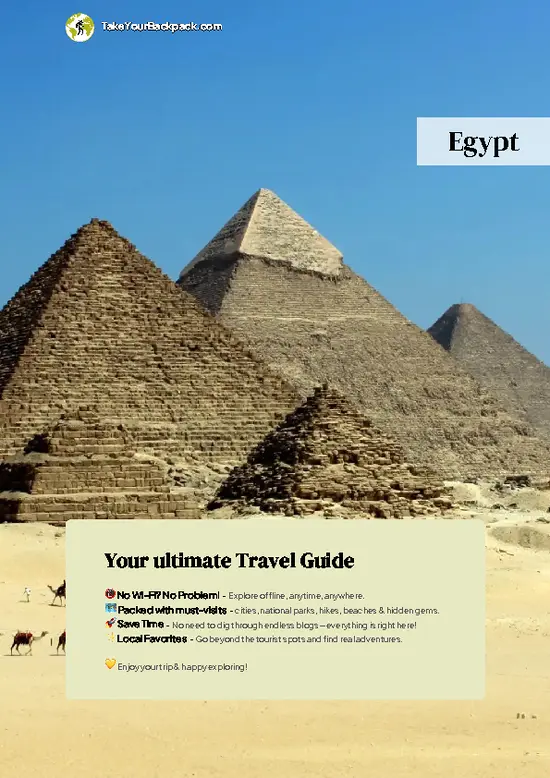
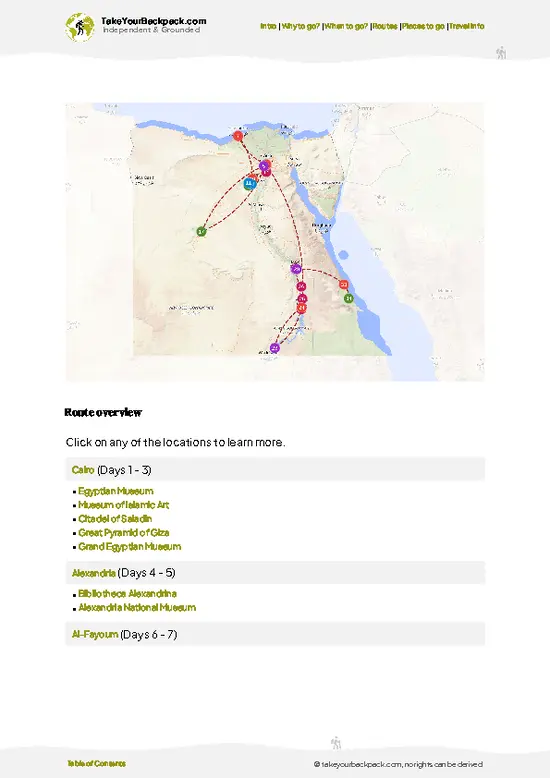
- Kom Ombo Temple — The town’s headline: a uniquely “double” Greco-Roman temple dedicated to Sobek (the crocodile god) and Horus, full of crisp reliefs and easy-to-imagine ancient ritual space right on the Nile.
- Kom Ombo Crocodile Museum — Small but fascinating: dozens of mummified crocodiles and related finds pulled from the temple precinct, giving you a literal (and slightly spooky) link to the cult of Sobek.
- Nilometer at Kom Ombo — An actual ancient water-gauge used to measure the Nile’s flood level; it’s a short walk from the temple and a neat piece of real, practical Nile history you can still see up close.
- Temple reliefs showing surgical instruments — A surprising highlight inside the temple complex: carved depictions of medical tools and procedures that make a visit feel like archaeologists
- Kom Ombo Temple — The town’s headline: a uniquely “double” Greco-Roman temple dedicated to Sobek (the crocodile god) and Horus, full of crisp reliefs and easy-to-imagine ancient ritual space right on the Nile.
- Kom Ombo Crocodile Museum — Small but fascinating: dozens of mummified crocodiles and related finds pulled from the temple precinct, giving you a literal (and slightly spooky) link to the cult of Sobek.
- Nilometer at Kom Ombo — An actual ancient water-gauge used to measure the Nile’s flood level; it’s a short walk from the temple and a neat piece of real, practical Nile history you can still see up close.
- Temple reliefs showing surgical instruments — A surprising highlight inside the temple complex: carved depictions of medical tools and procedures that make a visit feel like archaeologists peeled back an ancient doctor’s notebook.
- Nile corniche and felucca docks — The riverfront where locals launch feluccas and fishermen work; great for a sunset stroll, watching day-to-day river life, or hopping on a cheap boat ride.
- Kom Ombo local souk (market) — A compact, lively market where you’ll find spices, dates, textiles and everyday life on display — useful for cheap snacks, bargaining practice, and authentic people-watching.
- Kom Ombo fish market and Nilebank fishermen’s area — Early in the morning the riverbank is active: nets, boats, and fresh catch for sale. It’s noisy, genuine and a great place to absorb local routines.
- Old-town alleys and traditional houses — Wander the narrow streets behind the main drag to see local architecture, small cafés, and family-run shops that show the quieter, lived-in side of Kom Ombo.
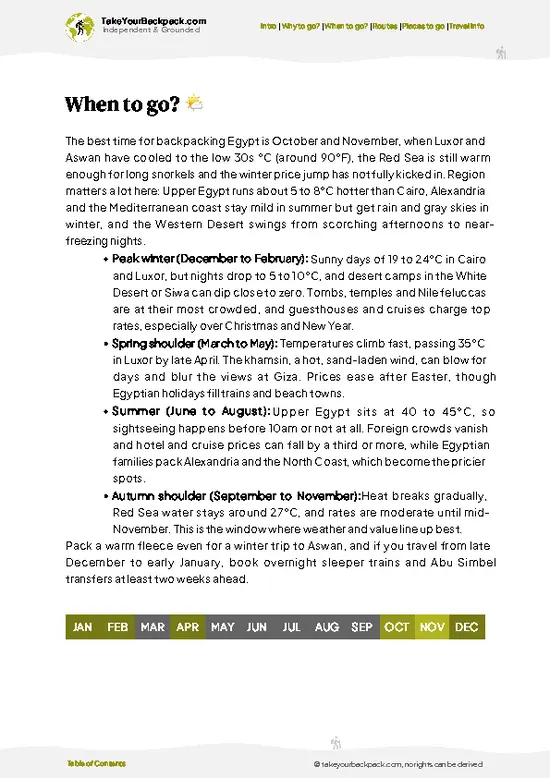
- Panorama viewpoint by the temple — A short climb near the temple gives a clean, postcard view of the Nile bend, the temple’s layout and the town — perfect for photos and timing the light at sunrise or sunset.
- Local craft stalls and small weaving co-ops — Not a single famous shop, but several family-run stalls and workshops where you can buy or watch woven goods, simple pottery and Nubian-style crafts made locally.
Spotted a mistake or missing something? Contact us.

4 Days Nile Cruise From Aswan To Luxor

4 Days Aswan Luxor Cruise with Visit in the Famous Attractions

4 Day Premium 5 Star Nile Cruise from Aswan to Luxor

4Days 3Nights Nile Cruise from Aswan to Luxor All Tours Included

4 Days Nile Cruise from Aswan to Luxor with Daily Guided Trip

4 Day Nile Cruise From Aswan to Luxor with Balloon and Abu Simbel

4 Days Nile Cruise From Aswan To Luxor Every Wednesday and Friday

4 Days Deluxe Nile Cruise from Aswan to Luxor Abu Simble Balloon

3 Day Nile Cruise from Aswan and Luxor Hot Air Balloon


 Best Backpacking
.jpg) Hi, I’m Johan (Netherlands 🇳🇱), the creator of TakeYourBackpack. Over the past 3 decades, I’ve backpacked through 90+ countries across six continents, gaining extensive experience with independent travel, long-term trips, and overland routes.
Hi, I’m Johan (Netherlands 🇳🇱), the creator of TakeYourBackpack. Over the past 3 decades, I’ve backpacked through 90+ countries across six continents, gaining extensive experience with independent travel, long-term trips, and overland routes.