v2.webp)
The Main Pyramid (La Acrópolis)
Let’s get real: you’ve seen a thousand photos of pyramids, but San Andrés’ main structure isn’t just a prop for your feed. This is the heart of a centuries-old political and ceremonial center, and you can actually climb it. The steps are steep, uneven, and sun-baked—no velvet ropes or glass barriers here. From the top, you get a raw, panoramic sweep of the Zapotitán Valley and the volcanic ridges that shaped this civilization’s fate. It’s not about the perfect shot; it’s about standing where rulers once surveyed their world, feeling the wind and the weight of history at your back.
The Ball Court
Forget the sanitized, theme-park versions you might have seen in Mexico. San Andrés’ ball court is compact, battered by time, and all the more fascinating for it. You … read more 👉
Let’s get real: you’ve seen a thousand photos of pyramids, but San Andrés’ main structure isn’t just a prop for your feed. This is the heart of a centuries-old political and ceremonial center, and you can actually climb it. The steps are steep, uneven, and sun-baked—no velvet ropes or glass barriers here. From the top, you get a raw, panoramic sweep of the Zapotitán Valley and the volcanic ridges that shaped this civilization’s fate. It’s not about the perfect shot; it’s about standing where rulers once surveyed their world, feeling the wind and the weight of history at your back.
The Ball Court
Forget the sanitized, theme-park versions you might have seen in Mexico. San Andrés’ ball court is compact, battered by time, and all the more fascinating for it. You … read more 👉
The Main Pyramid (La Acrópolis)
Let’s get real: you’ve seen a thousand photos of pyramids, but San Andrés’ main structure isn’t just a prop for your feed. This is the heart of a centuries-old political and ceremonial center, and you can actually climb it. The steps are steep, uneven, and sun-baked—no velvet ropes or glass barriers here. From the top, you get a raw, panoramic sweep of the Zapotitán Valley and the volcanic ridges that shaped this civilization’s fate. It’s not about the perfect shot; it’s about standing where rulers once surveyed their world, feeling the wind and the weight of history at your back.
The Ball Court
Forget the sanitized, theme-park versions you might have seen in Mexico. San Andrés’ ball court is compact, battered by time, and all the more fascinating for it. You can walk the length of the field and imagine the thud of rubber balls and the tension of a game that was part sport, part ritual, part political theater. There’s no glossy signage or piped-in sound effects—just the stones, the grass, and your own curiosity. It’s a rare chance to stand in the middle of a Mesoamerican tradition that was as much about power as play.
The Indigo Processing Area
This isn’t just a pile of rocks. San Andrés was a hub for indigo production, and you can see the actual vats where the blue dye was made—one of the most valuable exports in the colonial era. The site doesn’t sugarcoat the labor or the colonial exploitation that came later. If you want to understand how a color could shape economies and destinies, this is where you see it, literally, in the ground. It’s a gritty, hands-on history lesson that’s more interesting than any museum display.
The Museum
Skip the expectation of air-conditioned, high-tech exhibits. The on-site museum is small, a little rough around the edges, but packed with artifacts that were actually dug up right outside. Pottery, obsidian blades, jewelry—these aren’t replicas. The labels are straightforward, sometimes blunt, and the staff are usually up for a real conversation if you show genuine interest. It’s the kind of place where you can get close to the objects and the stories, not just stare at them through glass.
The View of San Salvador Volcano
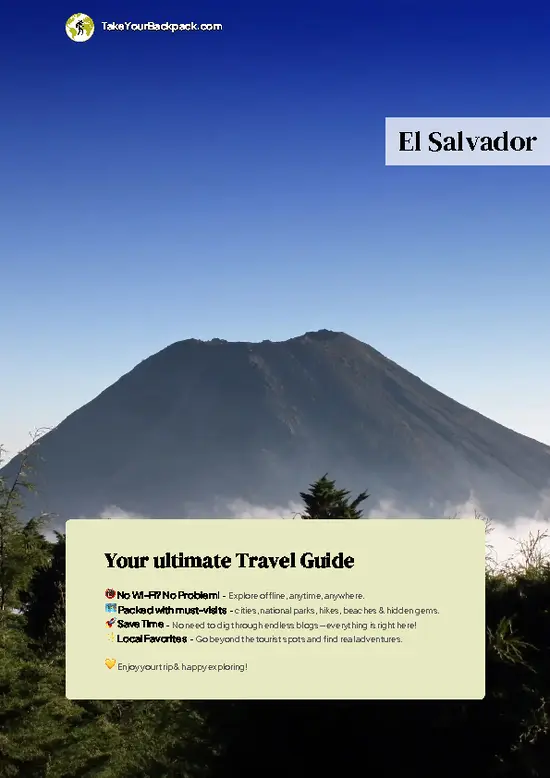
Here’s the kicker: the best backdrop isn’t man-made. The San Salvador Volcano looms in the distance, a reminder that this whole civilization lived in the shadow of something far bigger than themselves. On a clear day, the contrast between ancient ruins and volcanic slopes is dramatic, almost cinematic—but not in a way you can fake with filters. It’s a reminder that nature, not Instagram, sets the real stage here.
Let’s get real: you’ve seen a thousand photos of pyramids, but San Andrés’ main structure isn’t just a prop for your feed. This is the heart of a centuries-old political and ceremonial center, and you can actually climb it. The steps are steep, uneven, and sun-baked—no velvet ropes or glass barriers here. From the top, you get a raw, panoramic sweep of the Zapotitán Valley and the volcanic ridges that shaped this civilization’s fate. It’s not about the perfect shot; it’s about standing where rulers once surveyed their world, feeling the wind and the weight of history at your back.
The Ball Court
Forget the sanitized, theme-park versions you might have seen in Mexico. San Andrés’ ball court is compact, battered by time, and all the more fascinating for it. You can walk the length of the field and imagine the thud of rubber balls and the tension of a game that was part sport, part ritual, part political theater. There’s no glossy signage or piped-in sound effects—just the stones, the grass, and your own curiosity. It’s a rare chance to stand in the middle of a Mesoamerican tradition that was as much about power as play.
The Indigo Processing Area
This isn’t just a pile of rocks. San Andrés was a hub for indigo production, and you can see the actual vats where the blue dye was made—one of the most valuable exports in the colonial era. The site doesn’t sugarcoat the labor or the colonial exploitation that came later. If you want to understand how a color could shape economies and destinies, this is where you see it, literally, in the ground. It’s a gritty, hands-on history lesson that’s more interesting than any museum display.
The Museum
Skip the expectation of air-conditioned, high-tech exhibits. The on-site museum is small, a little rough around the edges, but packed with artifacts that were actually dug up right outside. Pottery, obsidian blades, jewelry—these aren’t replicas. The labels are straightforward, sometimes blunt, and the staff are usually up for a real conversation if you show genuine interest. It’s the kind of place where you can get close to the objects and the stories, not just stare at them through glass.
The View of San Salvador Volcano
Here’s the kicker: the best backdrop isn’t man-made. The San Salvador Volcano looms in the distance, a reminder that this whole civilization lived in the shadow of something far bigger than themselves. On a clear day, the contrast between ancient ruins and volcanic slopes is dramatic, almost cinematic—but not in a way you can fake with filters. It’s a reminder that nature, not Instagram, sets the real stage here.
Spotted a mistake or missing something? Contact us.

Best Full Day Combo Tour: Volcanoes, Lake and Mayan Sites

Maya Route Tour: El Salvador Mayan Sites including Joya de Cerén

Maya Ruins: Joya de Ceren, San Andres, Tazumal, Chalchuapa, Lake

Mayan Heritage Tour: Joya de Cerén UNESCO Site & Tazumal Ruins

Tazumal + Pompeii of America + San Andres Ceremonial Center

Cerro Verde Park & Joya de Ceren UNESCO Site- Shore Excursion

El Salvador Mayan Ruins Tour + Lake Coatepeque Viewpoint

Mayan Ruins and Lake Coatepeque Tour with Pupusa Making

Joya de Ceren, San Andres and Copan Ruins

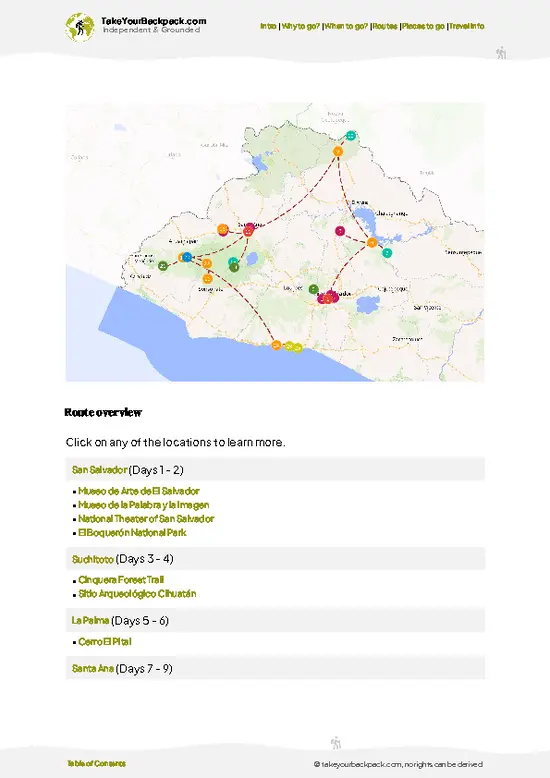

 Best Backpacking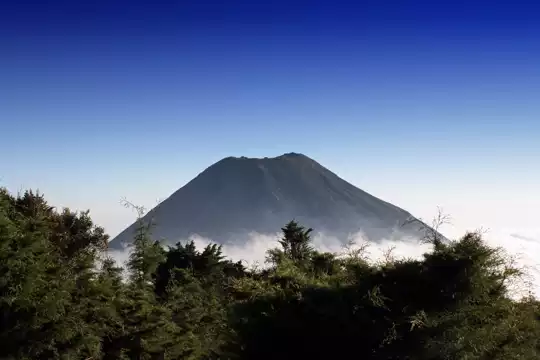
.jpg) Hi, I’m Johan (Netherlands 🇳🇱), the creator of TakeYourBackpack. Over the past 3 decades, I’ve backpacked through 90+ countries across six continents, gaining extensive experience with independent travel, long-term trips, and overland routes.
Hi, I’m Johan (Netherlands 🇳🇱), the creator of TakeYourBackpack. Over the past 3 decades, I’ve backpacked through 90+ countries across six continents, gaining extensive experience with independent travel, long-term trips, and overland routes.