v2.webp)
The Main Pyramid
Let’s get this out of the way: you’ve seen a thousand photos of Tazumal’s main pyramid, but the reality is more tactile than any filtered square. This isn’t some crumbling pile of rocks—it’s a hulking, geometric beast, rising out of the grass with a presence that’s all muscle and mystery. You can’t climb it (respect to preservation), but you can walk right up to its base and feel the weight of centuries pressing down. The steps are steep, the angles sharp, and the sense of scale is humbling. Forget the Instagram illusion of solitude; you’ll share the view with school groups and families, but the pyramid’s raw, unpolished grandeur still hits hard.
The Ball Court
Most visitors breeze past the ball court, but this is where the Maya played for keeps. It’s not the biggest or flashiest … read more 👉
Let’s get this out of the way: you’ve seen a thousand photos of Tazumal’s main pyramid, but the reality is more tactile than any filtered square. This isn’t some crumbling pile of rocks—it’s a hulking, geometric beast, rising out of the grass with a presence that’s all muscle and mystery. You can’t climb it (respect to preservation), but you can walk right up to its base and feel the weight of centuries pressing down. The steps are steep, the angles sharp, and the sense of scale is humbling. Forget the Instagram illusion of solitude; you’ll share the view with school groups and families, but the pyramid’s raw, unpolished grandeur still hits hard.
The Ball Court
Most visitors breeze past the ball court, but this is where the Maya played for keeps. It’s not the biggest or flashiest … read more 👉
The Main Pyramid
Let’s get this out of the way: you’ve seen a thousand photos of Tazumal’s main pyramid, but the reality is more tactile than any filtered square. This isn’t some crumbling pile of rocks—it’s a hulking, geometric beast, rising out of the grass with a presence that’s all muscle and mystery. You can’t climb it (respect to preservation), but you can walk right up to its base and feel the weight of centuries pressing down. The steps are steep, the angles sharp, and the sense of scale is humbling. Forget the Instagram illusion of solitude; you’ll share the view with school groups and families, but the pyramid’s raw, unpolished grandeur still hits hard.
The Ball Court
Most visitors breeze past the ball court, but this is where the Maya played for keeps. It’s not the biggest or flashiest in Mesoamerica, but it’s one of the oldest in El Salvador, and you can still trace the outlines where players once gambled with fate. Stand at one end and imagine the thud of the rubber ball, the tension of a crowd that knew the stakes could be life or death. There’s no cheesy reenactment here—just the echo of real drama, played out on ancient stone.
The On-Site Museum
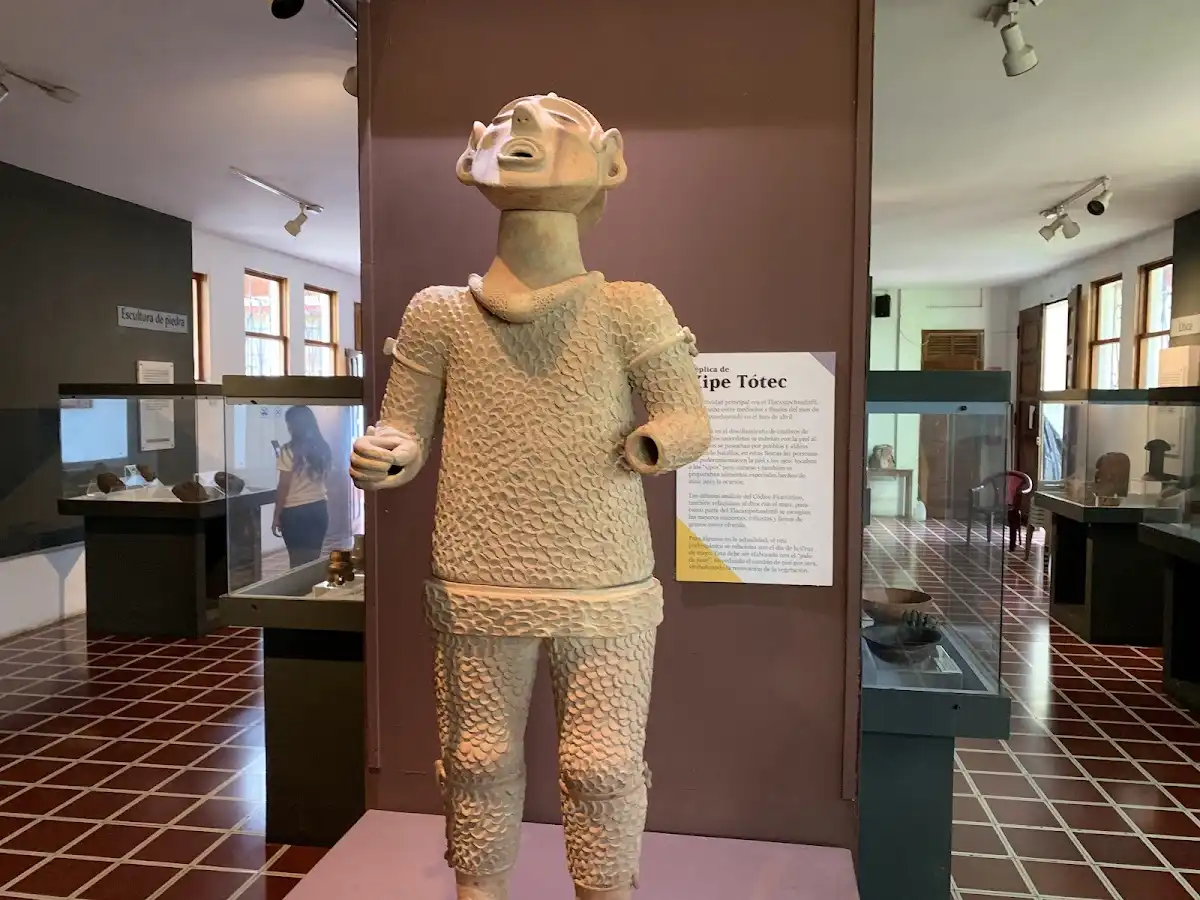
Skip the gift shop and duck into the museum. It’s compact, but it punches above its weight. You’ll find obsidian blades, incense burners, and a collection of ceramics that look like they were designed by someone with a taste for the surreal. The real showstopper is the life-sized statue of Xipe Totec, the flayed god—a piece so rare it’s almost never on display outside Mexico. The museum’s displays are blunt and unvarnished, with just enough English to keep you oriented, but not so much that you can coast on autopilot.
The Tombs and Burial Sites
This isn’t a sanitized, roped-off relic. Tazumal’s excavated tombs are right there, visible from the paths, and they’re a stark reminder that this was a city of the living and the dead. You’ll see the outlines of burial chambers and, if you time it right, archaeologists at work—no velvet ropes, just real science in action. It’s a rare chance to witness the messy, ongoing process of discovery, not just the polished end result.
The Rainy Season Transformation
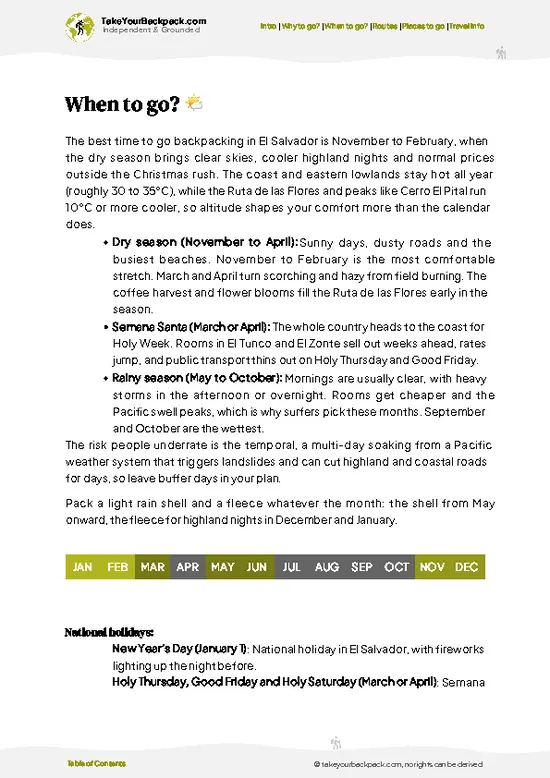
Here’s a secret the brochures skip: Tazumal is at its most atmospheric in the rainy season. The grass glows radioactive green, the stones sweat with humidity, and the whole site feels like it’s being reclaimed by the jungle. You’ll get mud on your boots and maybe a soaking, but you’ll also get the closest thing to the site’s original wildness. The crowds thin out, the air smells like earth and wet leaves, and the ruins feel less like a museum piece and more like a living, breathing memory.
Let’s get this out of the way: you’ve seen a thousand photos of Tazumal’s main pyramid, but the reality is more tactile than any filtered square. This isn’t some crumbling pile of rocks—it’s a hulking, geometric beast, rising out of the grass with a presence that’s all muscle and mystery. You can’t climb it (respect to preservation), but you can walk right up to its base and feel the weight of centuries pressing down. The steps are steep, the angles sharp, and the sense of scale is humbling. Forget the Instagram illusion of solitude; you’ll share the view with school groups and families, but the pyramid’s raw, unpolished grandeur still hits hard.
The Ball Court
Most visitors breeze past the ball court, but this is where the Maya played for keeps. It’s not the biggest or flashiest in Mesoamerica, but it’s one of the oldest in El Salvador, and you can still trace the outlines where players once gambled with fate. Stand at one end and imagine the thud of the rubber ball, the tension of a crowd that knew the stakes could be life or death. There’s no cheesy reenactment here—just the echo of real drama, played out on ancient stone.
The On-Site Museum
Skip the gift shop and duck into the museum. It’s compact, but it punches above its weight. You’ll find obsidian blades, incense burners, and a collection of ceramics that look like they were designed by someone with a taste for the surreal. The real showstopper is the life-sized statue of Xipe Totec, the flayed god—a piece so rare it’s almost never on display outside Mexico. The museum’s displays are blunt and unvarnished, with just enough English to keep you oriented, but not so much that you can coast on autopilot.
The Tombs and Burial Sites
This isn’t a sanitized, roped-off relic. Tazumal’s excavated tombs are right there, visible from the paths, and they’re a stark reminder that this was a city of the living and the dead. You’ll see the outlines of burial chambers and, if you time it right, archaeologists at work—no velvet ropes, just real science in action. It’s a rare chance to witness the messy, ongoing process of discovery, not just the polished end result.
The Rainy Season Transformation
Here’s a secret the brochures skip: Tazumal is at its most atmospheric in the rainy season. The grass glows radioactive green, the stones sweat with humidity, and the whole site feels like it’s being reclaimed by the jungle. You’ll get mud on your boots and maybe a soaking, but you’ll also get the closest thing to the site’s original wildness. The crowds thin out, the air smells like earth and wet leaves, and the ruins feel less like a museum piece and more like a living, breathing memory.
Spotted a mistake or missing something? Contact us.

Hidden Waterfalls Eco Tour in El Imposible National Park

Guided ATV Tour to Malacatiupán Hot Springs

Santa Ana & Lake Coatepeque Volcano Hike | Private Tour

Santa Ana with a Local | History & Hidden Bar

From San Salvador: Best Santa Ana Volcano Tour & Lake Coatepeque

Volcan Santa Ana Hike+ Lago Coatepeque Viewpoint

Santa Ana volcano hike with privileged early access. Go safe and skip the crowds

Private hike to active Izalco and Cerro Verde volcanoes. 2 volcanoes in one day!

Private Tour of Buenos Aires with Local Guide - 6 hours

 Best Backpacking
.jpg) Hi, I’m Johan (Netherlands 🇳🇱), the creator of TakeYourBackpack. Over the past 3 decades, I’ve backpacked through 90+ countries across six continents, gaining extensive experience with independent travel, long-term trips, and overland routes.
Hi, I’m Johan (Netherlands 🇳🇱), the creator of TakeYourBackpack. Over the past 3 decades, I’ve backpacked through 90+ countries across six continents, gaining extensive experience with independent travel, long-term trips, and overland routes.