v2.webp)
The Preserved Maya Village
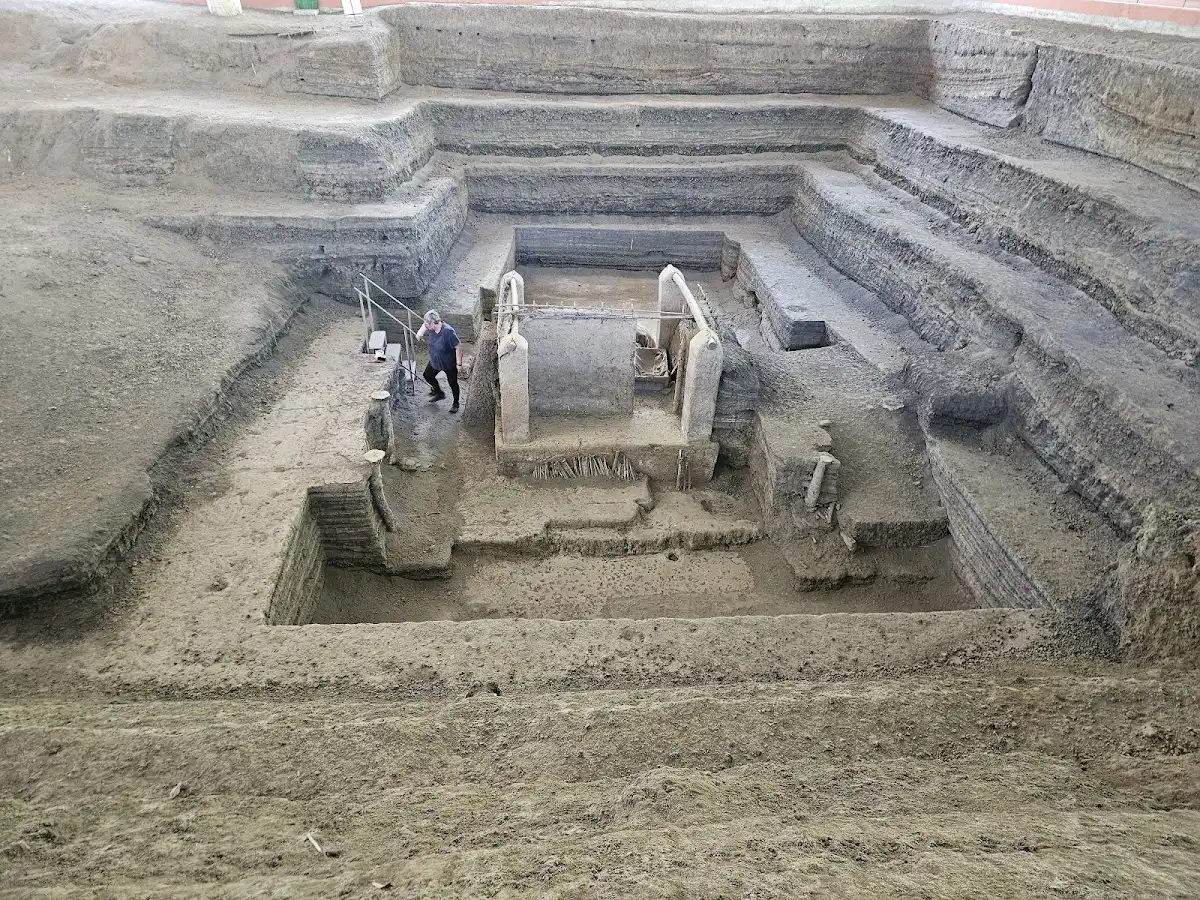
Forget the fantasy of Indiana Jones temples or Instagram-perfect ruins. Joya de Cerén is a Maya village, not a palace or pyramid. That’s the magic. This isn’t a monument to kings—it’s a time capsule of ordinary life, frozen by a volcanic eruption in the 7th century. You’re not gawking at stone blocks; you’re peering into kitchens, storerooms, and sleeping quarters. The details are raw and relatable: storage pots still in corners, beds of packed earth, the ghostly outline of a thatched roof. It’s the closest you’ll get to walking into someone’s home from 1,400 years ago.
The Ash-Frozen Everyday Objects
Here’s where Joya de Cerén blows the doors off the usual “ancient site” experience. The eruption of Loma Caldera didn’t just bury buildings—it sealed in the stuff of … read more 👉
Forget the fantasy of Indiana Jones temples or Instagram-perfect ruins. Joya de Cerén is a Maya village, not a palace or pyramid. That’s the magic. This isn’t a monument to kings—it’s a time capsule of ordinary life, frozen by a volcanic eruption in the 7th century. You’re not gawking at stone blocks; you’re peering into kitchens, storerooms, and sleeping quarters. The details are raw and relatable: storage pots still in corners, beds of packed earth, the ghostly outline of a thatched roof. It’s the closest you’ll get to walking into someone’s home from 1,400 years ago.
The Ash-Frozen Everyday Objects
Here’s where Joya de Cerén blows the doors off the usual “ancient site” experience. The eruption of Loma Caldera didn’t just bury buildings—it sealed in the stuff of … read more 👉
The Preserved Maya Village
Forget the fantasy of Indiana Jones temples or Instagram-perfect ruins. Joya de Cerén is a Maya village, not a palace or pyramid. That’s the magic. This isn’t a monument to kings—it’s a time capsule of ordinary life, frozen by a volcanic eruption in the 7th century. You’re not gawking at stone blocks; you’re peering into kitchens, storerooms, and sleeping quarters. The details are raw and relatable: storage pots still in corners, beds of packed earth, the ghostly outline of a thatched roof. It’s the closest you’ll get to walking into someone’s home from 1,400 years ago.
The Ash-Frozen Everyday Objects
Here’s where Joya de Cerén blows the doors off the usual “ancient site” experience. The eruption of Loma Caldera didn’t just bury buildings—it sealed in the stuff of daily life. You’ll see grinding stones, clay pots, and even the remains of food. This isn’t abstract history; it’s the real, tactile evidence of how people lived, ate, and worked. Most Maya sites are about what’s missing. Joya de Cerén is about what’s left behind.
The Ancient Sauna (Temazcal)
Yes, the Maya had saunas. And yes, you can see one here. The temazcal at Joya de Cerén is one of the best-preserved examples in the region. It’s not just a curiosity—it’s a window into Maya health rituals and community life. Imagine the conversations, the sweat, the rituals that happened inside those clay walls. This is the kind of detail that makes the site feel alive, not just old.
The Unfiltered Archaeological Process
Joya de Cerén isn’t manicured for mass tourism. You’ll see active excavation zones, tarps, and the real tools of the trade. There’s no glossy veneer—just the raw, ongoing work of discovery. If you want to see archaeology as it actually happens, not as a museum diorama, this is the place. It’s messy, imperfect, and absolutely fascinating.
The Absence of Crowds (and Souvenir Stalls)
Here’s the blunt truth: you won’t be elbowing through busloads of tourists. There’s no line of vendors hawking plastic Maya figurines. The site is quiet, almost eerily so. That means you get space to think, to imagine, to actually listen to the wind rustling through the sugarcane fields nearby. The lack of spectacle is the spectacle.
The UNESCO World Heritage Status—For a Reason
UNESCO didn’t slap its badge here for show. Joya de Cerén is the only site in Mesoamerica where you can see how non-elite Maya lived, not just how they worshipped or ruled. It’s the “Pompeii of the Americas,” but without the crowds, the hype, or the ticket price that makes you wince. If you want to understand the Maya as people, not as legends, this is the place.
Forget the fantasy of Indiana Jones temples or Instagram-perfect ruins. Joya de Cerén is a Maya village, not a palace or pyramid. That’s the magic. This isn’t a monument to kings—it’s a time capsule of ordinary life, frozen by a volcanic eruption in the 7th century. You’re not gawking at stone blocks; you’re peering into kitchens, storerooms, and sleeping quarters. The details are raw and relatable: storage pots still in corners, beds of packed earth, the ghostly outline of a thatched roof. It’s the closest you’ll get to walking into someone’s home from 1,400 years ago.
The Ash-Frozen Everyday Objects
Here’s where Joya de Cerén blows the doors off the usual “ancient site” experience. The eruption of Loma Caldera didn’t just bury buildings—it sealed in the stuff of daily life. You’ll see grinding stones, clay pots, and even the remains of food. This isn’t abstract history; it’s the real, tactile evidence of how people lived, ate, and worked. Most Maya sites are about what’s missing. Joya de Cerén is about what’s left behind.
The Ancient Sauna (Temazcal)
Yes, the Maya had saunas. And yes, you can see one here. The temazcal at Joya de Cerén is one of the best-preserved examples in the region. It’s not just a curiosity—it’s a window into Maya health rituals and community life. Imagine the conversations, the sweat, the rituals that happened inside those clay walls. This is the kind of detail that makes the site feel alive, not just old.
The Unfiltered Archaeological Process
Joya de Cerén isn’t manicured for mass tourism. You’ll see active excavation zones, tarps, and the real tools of the trade. There’s no glossy veneer—just the raw, ongoing work of discovery. If you want to see archaeology as it actually happens, not as a museum diorama, this is the place. It’s messy, imperfect, and absolutely fascinating.
The Absence of Crowds (and Souvenir Stalls)
Here’s the blunt truth: you won’t be elbowing through busloads of tourists. There’s no line of vendors hawking plastic Maya figurines. The site is quiet, almost eerily so. That means you get space to think, to imagine, to actually listen to the wind rustling through the sugarcane fields nearby. The lack of spectacle is the spectacle.
The UNESCO World Heritage Status—For a Reason
UNESCO didn’t slap its badge here for show. Joya de Cerén is the only site in Mesoamerica where you can see how non-elite Maya lived, not just how they worshipped or ruled. It’s the “Pompeii of the Americas,” but without the crowds, the hype, or the ticket price that makes you wince. If you want to understand the Maya as people, not as legends, this is the place.
Spotted a mistake or missing something? Contact us.

Best Full Day Combo Tour: Volcanoes, Lake and Mayan Sites

Maya Route Tour: El Salvador Mayan Sites including Joya de Cerén

Maya Ruins: Joya de Ceren, San Andres, Tazumal, Chalchuapa, Lake

Mayan Heritage Tour: Joya de Cerén UNESCO Site & Tazumal Ruins

Tazumal + Pompeii of America + San Andres Ceremonial Center

Cerro Verde Park & Joya de Ceren UNESCO Site- Shore Excursion

El Salvador Mayan Ruins Tour + Lake Coatepeque Viewpoint

Mayan Ruins and Lake Coatepeque Tour with Pupusa Making

Joya de Ceren, San Andres and Copan Ruins

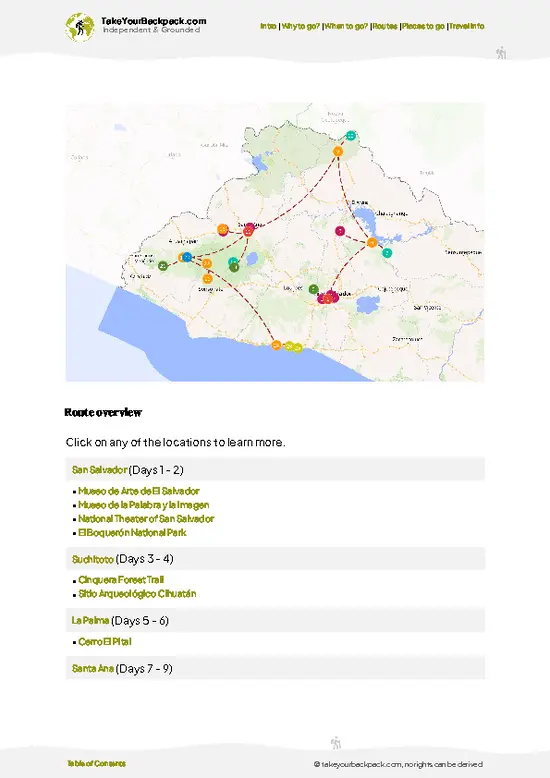
 Best Backpacking
.jpg) Hi, I’m Johan (Netherlands 🇳🇱), the creator of TakeYourBackpack. Over the past 3 decades, I’ve backpacked through 90+ countries across six continents, gaining extensive experience with independent travel, long-term trips, and overland routes.
Hi, I’m Johan (Netherlands 🇳🇱), the creator of TakeYourBackpack. Over the past 3 decades, I’ve backpacked through 90+ countries across six continents, gaining extensive experience with independent travel, long-term trips, and overland routes.