×

Equatorial Guinea🇬🇶 | landmarksPico de Santa Isabelvolcanic peak, cloud forest, challenging ascent | things to do and best time to go

Explore Laguna de RincónExplore Nsork

Backpacking in Pico de Santa Isabel
🌟 Highlightunique site ranked #2
By Johan Kruseman 🇳🇱 | Updated September 3, 2026

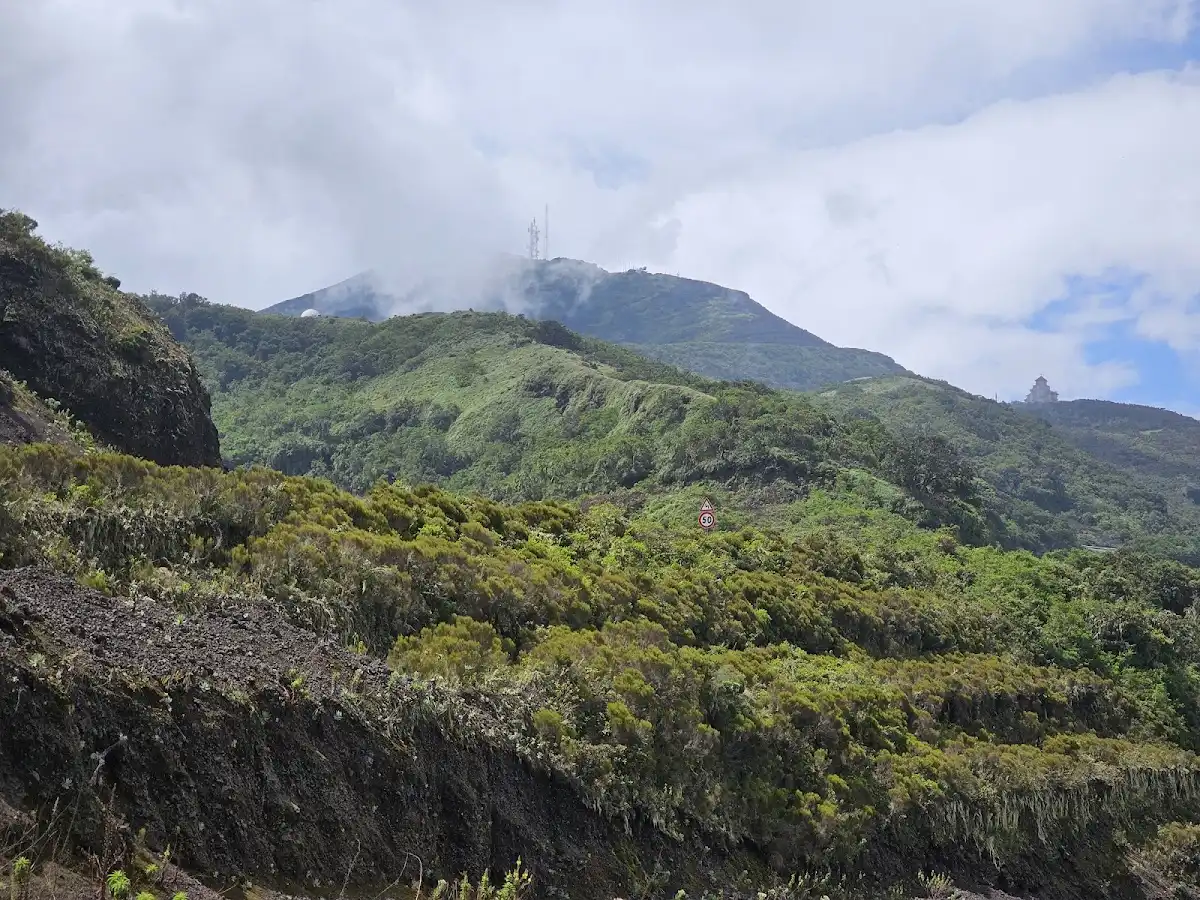
Forget the glossy drone shots: Pico de Santa Isabel isn’t some lost Eden where you’ll have the summit to yourself at sunrise. The reality? This volcanic giant—towering over Bioko Island, just off Equatorial Guinea’s north coast—demands sweat, patience, and a willingness to share the trail with both local guides and the occasional oil-company expat group. The climb is a true test: muddy, humid, and often socked in by clouds that laugh at your camera. But here’s the kicker—when the mist parts, you’re staring down into a crater that feels ancient and alive, with the Atlantic stretching out like a blue secret. It’s not cheap, thanks to permits and the government’s tight grip on tourism, and logistics can be a headache unless you speak Spanish or have a fixer. But if you want a summit that feels earned, not staged, and a story that isn’t already hashtagged to death, this is the real deal.

Discover everything you want to know in the 📖 Equatorial Guinea Travel Guide.
Loading the map 🌍
CLICK TO FILTER
cities
towns
villages
landmarks
national parks
hikes
beaches
attractions
festivals
regions
SHOW COUNTRY’S BESTSHOW ALL

✨ Why go?
Ranked #2 unique site in Equatorial Guinea
Why visitors keep coming back

Pico de Santa Isabel is not your typical Instagram backdrop. Yes, it’s a crowd-pleaser, but don’t let that fool you. The hike to the summit is a workout, but the reward? A panoramic view that makes every drop of sweat worth it.

Expect cost-effective adventures here. Entry fees are minimal, and the local guides are friendly and affordable. You’ll find that the real magic lies in the authenticity of the experience. The locals are welcoming, and their stories about the mountain’s significance add layers to your visit.

This isn’t just a standalone destination; it fits perfectly into a broader route through Equatorial Guinea. Pair it with a visit to the coastal towns or the lush rainforests nearby. You’ll get a taste of the country’s rich biodiversity and culture, making the journey feel cohesive … read more 👉
Pico de Santa Isabel is not your typical Instagram backdrop. Yes, it’s a crowd-pleaser, but don’t let that fool you. The hike to the summit is a workout, but the reward? A panoramic view that makes every drop of sweat worth it.

Expect cost-effective adventures here. Entry fees are minimal, and the local guides are friendly and affordable. You’ll find that the real magic lies in the authenticity of the experience. The locals are welcoming, and their stories about the mountain’s significance add layers to your visit.

This isn’t just a standalone destination; it fits perfectly into a broader route through Equatorial Guinea. Pair it with a visit to the coastal towns or the lush rainforests nearby. You’ll get a taste of the country’s rich biodiversity and culture, making the journey feel cohesive rather than disjointed.

So, if you’re looking for a place that’s more than just a pretty picture, Pico de Santa Isabel delivers. It’s about the experience, the people, and the landscape—all wrapped into one unforgettable adventure.
Want to include Pico de Santa Isabel in your Equatorial Guinea route?
Create a personalized Equatorial Guinea itinerary that includes Pico de Santa Isabel and the places that fit your trip — based on your travel style, budget, and available time. Get your route in seconds.

Generate my trip

💡 HighlightsMust-see experiences and standout moments

  • Summit panorama: From the top you get jaw-opening views — sea on one side, rolling Bioko ridges on the other, and on a clear day the outline of Cameroon across the Gulf of Guinea. It’s the classic “you climbed for this” payoff: light, clouds and scale that feel cinematic.
  • Montane cloud forest: The slopes are carpeted in mossy, mist-drenched forest full of ferns and epiphytes. Hikes through this zone are cool, dripping and otherworldly — a real contrast to the lowland heat and a photographer’s dream for textures and mood.
  • Endemic wildlife hotspot: Pico de Santa Isabel is one of the best places on Bioko to glimpse species you won’t see elsewhere — everything from unique birds and butterflies to the island’s famous primates. Early mornings are prime for wildlife, when the forest comes alive.
read more 👉
  • Summit panorama: From the top you get jaw-opening views — sea on one side, rolling Bioko ridges on the other, and on a clear day the outline of Cameroon across the Gulf of Guinea. It’s the classic “you climbed for this” payoff: light, clouds and scale that feel cinematic.
  • Montane cloud forest: The slopes are carpeted in mossy, mist-drenched forest full of ferns and epiphytes. Hikes through this zone are cool, dripping and otherworldly — a real contrast to the lowland heat and a photographer’s dream for textures and mood.
  • Endemic wildlife hotspot: Pico de Santa Isabel is one of the best places on Bioko to glimpse species you won’t see elsewhere — everything from unique birds and butterflies to the island’s famous primates. Early mornings are prime for wildlife, when the forest comes alive.
  • Volcanic geology and crater features: You’re standing on volcanic ground: ridges, old vents and rocky outcrops tell a slow story of eruptions and erosion. The raw, rugged terrain is great for geology buffs and anyone who likes dramatic landscapes.
  • Waterfalls and highland streams: Small cascades and clear mountain streams thread the slopes, offering cool pools and soundscapes that feel remote. They make excellent rest stops and natural cold showers after a sweaty climb.
  • Bubi cultural ties and local guiding: The mountain has meaning for local Bubi communities — guides often share stories, place names and traditional uses of plants. Hiring a local guide supports the community and makes the experience richer and more respectful.
  • Off-the-beaten-track camping and stargazing: Few visitors come here, so you can camp with relative solitude and very little light pollution. Nights under the highland sky, with fog rolling in at dawn, are a proper backcountry treat.
Spotted a mistake or missing something? Contact us.
🌤️ When to go?Weather, crowds, and seasonal trade-offs


  • Weather: The dry season from June to September is your best bet. Rain can turn trails into mudslides outside this window, making the climb a slog rather than a thrill. Expect heavy downpours from October to May, which can wash out paths and views.

  • Temperature: Temperatures hover between 18°C and 25°C (64°F to 77°F) year-round, but humidity spikes during the rainy season, making it feel hotter and stickier. Dry months offer crisp, breathable air that’s perfect for hiking.

  • Daylight Hours: Near the equator, daylight stays steady around 12 hours year-round. That means early starts and late finishes are equally doable any time you visit, no need to rush your summit attempt.

  • Crowds: Don’t expect solitude. The dry season draws local hikers and tourists alike, especially weekends. If you
read more 👉

  • Weather: The dry season from June to September is your best bet. Rain can turn trails into mudslides outside this window, making the climb a slog rather than a thrill. Expect heavy downpours from October to May, which can wash out paths and views.

  • Temperature: Temperatures hover between 18°C and 25°C (64°F to 77°F) year-round, but humidity spikes during the rainy season, making it feel hotter and stickier. Dry months offer crisp, breathable air that’s perfect for hiking.

  • Daylight Hours: Near the equator, daylight stays steady around 12 hours year-round. That means early starts and late finishes are equally doable any time you visit, no need to rush your summit attempt.

  • Crowds: Don’t expect solitude. The dry season draws local hikers and tourists alike, especially weekends. If you want fewer people, aim for weekdays in June or September—still dry but less packed.

  • Seasonal Activities: The dry season also aligns with local festivals and wildlife spotting, adding layers to your trip beyond the climb. The rainy season, while tough for hiking, brings lush greenery and blooming orchids if you’re into botany.

  • Price Fluctuations: Prices for guides and accommodations spike during the dry season due to demand. Off-season rates drop but come with the trade-off of slippery trails and limited services.


Pro-tip: Visit early in the dry season to catch the best weather, fewer crowds, and a chance to experience local culture without paying premium prices.


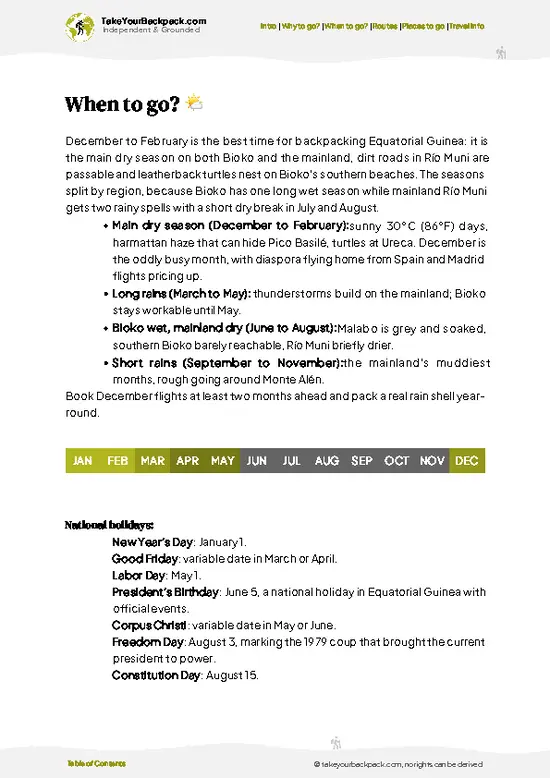
source: climatestotravel.comJANJanuary: fair for travelingFEBFebruary: fair for travelingMARMarch: fair for travelingAPRApril: fair for travelingMAYMay: fair for travelingJUNJune: highly recommended for travelingJULJuly: excellent for travelingAUGAugust: excellent for travelingSEPSeptember: highly recommended for travelingOCTOctober: fair for travelingNOVNovember: fair for travelingDECDecember: fair for traveling
equatorial-guinea-unique-site-pico-de-santa-isabel
© Google |

✈️ The backpacker research shortcutEquatorial Guinea Travel Guide

An offline-friendly backpacking guide with optimized travel routes, ranked highlights, transport advice, and the best areas to stay.
example page 0 from our offline Travel Guide for Equatorial Guinea
example page 1 from our offline Travel Guide for Equatorial Guinea
example page 2 from our offline Travel Guide for Equatorial Guinea
example page 3 from our offline Travel Guide for Equatorial Guinea
example page 4 from our offline Travel Guide for Equatorial Guinea
example page 5 from our offline Travel Guide for Equatorial Guinea
example page 6 from our offline Travel Guide for Equatorial Guinea
example page 7 from our offline Travel Guide for Equatorial Guinea
The digital guide (202 pages) contains:
48 highlights, ranked by travel appeal
Optimized 2, 3 & 5-day travel routes
Cities, national parks, landmarks, beaches
How to get around
Offline-friendly for travel without Wi-Fi
👉 Click to see all 30+ guide features

📅 Plan smarter in minutes, not weeks
Month by month travel advice
Festivals & national holidays
Budget expectations

🗺️ Go to the right places, skip the overrated ones
Honest pros & cons of destinations
Top hikes, parks & viewpoints
Lesser-known places most travelers miss
Clear “worth it vs skip it” guidance

🛏️ Travel smoothly without rookie mistakes
Best areas to stay
Transport systems explained simply
Common scams & safety advice
SIM cards, money & practical tips

🌍 Understand the country, not just visit it
Culture & traditions
52 Essential phrases & customs
Festivals worth planning around
Traveler-friendly historical context
Insights that make places more meaningful

📱 Built for real travel conditions
Fully downloadable PDF
Works completely offline
Optimized for phone use
Useful in remote areas & buses
Everything in one place
Save weeks of stressful planning
Get instant access to your full guide. 30‑day money-back guarantee.
+ Add another guide for just US$7.80

By proceeding you agree to our terms.
Sent to your inbox immediately after payment • 100% Secure Checkout
Best Backpacking Travel Advisor 2025 tourism awardBest Backpacking
Travel Advisor
2025
What others say about Take Your Backpack Guides:
⭐⭐⭐⭐⭐
Fantastic, amazing amount of information!
⭐⭐⭐⭐⭐
My goodness this is amazing, it's what I've been looking for hats off too you!
⭐⭐⭐⭐⭐
I think this is absolutely BRILLIANT
⭐⭐⭐⭐
Very complete and informative. It's still missing places, but I gotta to commend you
⭐⭐⭐⭐⭐
This is truly amazing, thank you, can't wait to explore it with my kids!
⭐⭐⭐⭐⭐
Awesome resource, thank you!
⭐⭐⭐⭐⭐
This is amazing! Can't wait to explore the ones I haven't seen
⭐⭐⭐⭐
I love this! Well done, great idea.
⭐⭐⭐⭐⭐
Thanks for taking the time to make this gem!
⭐⭐⭐⭐⭐
This might be the best website I've ever seen.
⭐⭐⭐⭐⭐
Congratulations, and thank you so much for your work; it's incredibly valuable.
⭐⭐⭐⭐
In all seriousness I think you did a great job pointing out the important spots
⭐⭐⭐⭐⭐
10/10 very good
⭐⭐⭐⭐⭐
As someone who's only just starting to visit regularly this is awesome, thank you.
⭐⭐⭐⭐
Thank you very much! I'm going to visit my dad, it's going to be very useful!
⭐⭐⭐⭐⭐
This is really cool! We'll be travelling for the first time and this definitely come in handy.
⭐⭐⭐⭐⭐
You are now our minister of culture, congratulations 👨‍💼
⭐⭐⭐⭐⭐
Just wanted to tell you that this is a pearl! Going to follow your recommendations.
⭐⭐⭐⭐⭐
This is so cool. I'll definitely be using the resource for my travels soon.
⭐⭐⭐⭐⭐
This is very impressive! Good work.
⭐⭐⭐⭐⭐
This is an amazing and informative site. Very well done!

🛏️ Where to stay?Where staying makes the most sense

When you’re eyeing Pico de Santa Isabel, the real magic isn’t just in the peak; it’s in the vibe of the surrounding areas. First off, consider the town of Malabo. It’s the capital, and while it can get crowded, it’s where the action is. You’ll find a mix of locals and travelers, making it a great spot to connect. The streets buzz with life, and you can grab a cheap meal while swapping stories with fellow backpackers.

Then there’s the coastal area near Luba. It’s quieter, with stunning views of the ocean. This is where you can chill after a day of hiking. The atmosphere is laid-back, perfect for … read more 👉
When you’re eyeing Pico de Santa Isabel, the real magic isn’t just in the peak; it’s in the vibe of the surrounding areas. First off, consider the town of Malabo. It’s the capital, and while it can get crowded, it’s where the action is. You’ll find a mix of locals and travelers, making it a great spot to connect. The streets buzz with life, and you can grab a cheap meal while swapping stories with fellow backpackers.

Then there’s the coastal area near Luba. It’s quieter, with stunning views of the ocean. This is where you can chill after a day of hiking. The atmosphere is laid-back, perfect for solo travelers looking to unwind. Plus, you’ll find some budget-friendly guesthouses that offer a more intimate experience.

Don’t overlook the local markets. They’re not just for shopping; they’re a cultural immersion. You’ll get a taste of everyday life and maybe even make a few friends. Just keep your wits about you, as with any bustling place. The key is to embrace the chaos and find your rhythm in this unique corner of the world.

👛 Costs (as of 3 September 2026)Typical daily expenses

Visiting Pico de Santa Isabel in Equatorial Guinea isn’t just about the breathtaking views; it’s also about navigating the costs that come with the adventure. Here’s the real deal on what you can expect to spend.
  • Transportation: Getting to Pico de Santa Isabel can be a bit of a trek. Expect to pay around €50 to €100 for a round-trip flight to Malabo, the capital. From there, local transport options like taxis or shared vans can cost between €10 and €30, depending on your negotiation skills and the distance to the trailhead.
  • Accommodation: Options range from budget hostels to mid-range hotels. You might find dorm beds for about €15 to €25 per night. If you prefer a private room, expect to pay around €40 to €80. Booking in advance can save you some cash, but don’t expect luxury—this is about the
read more 👉
Visiting Pico de Santa Isabel in Equatorial Guinea isn’t just about the breathtaking views; it’s also about navigating the costs that come with the adventure. Here’s the real deal on what you can expect to spend.
  • Transportation: Getting to Pico de Santa Isabel can be a bit of a trek. Expect to pay around €50 to €100 for a round-trip flight to Malabo, the capital. From there, local transport options like taxis or shared vans can cost between €10 and €30, depending on your negotiation skills and the distance to the trailhead.
  • Accommodation: Options range from budget hostels to mid-range hotels. You might find dorm beds for about €15 to €25 per night. If you prefer a private room, expect to pay around €40 to €80. Booking in advance can save you some cash, but don’t expect luxury—this is about the experience, not the amenities.
  • Food: Eating out can be surprisingly affordable. Street food and local eateries offer meals for as little as €3 to €7. If you opt for a sit-down restaurant, budget around €10 to €20 for a decent meal. Stocking up on snacks and water at local shops can also help keep costs down.
  • Guided Tours: While you can hike independently, hiring a local guide is highly recommended for safety and insight. Expect to pay between €30 and €60 for a full-day guided tour, which often includes meals and gear. This investment can enhance your experience significantly.
  • Permits and Fees: There may be entrance fees for national parks or protected areas. These can range from €5 to €15, depending on the specific site. Always check in advance to avoid surprises.

The costs can add up, but the experience of standing atop Pico de Santa Isabel, surrounded by the raw beauty of Equatorial Guinea, is worth every cent.


source: guineaecuatorialpress.com
⚠️ Prices can change and everyone travels differently, so take this as a rough guide. Hope it helps you plan your adventure!

FAQFrequently asked questions about Pico de Santa Isabel

Pico de Santa Isabel is the highest peak on Bioko Island in Equatorial Guinea, standing at 3,011 meters (9,879 feet). It is part of the volcanic mountain range and offers challenging hikes with rich biodiversity.
Visiting Pico de Santa Isabel typically requires 2 to 3 days, including travel and hiking time. The trek to the summit can take around 6 to 8 hours one way, depending on fitness and weather conditions.
To get to Pico de Santa Isabel, you first need to reach Malabo, the capital of Equatorial Guinea on Bioko Island. From Malabo, arrange local transport to the trailhead near the village of Basupu, then hike to the summit with a guide, as the terrain is rugged and navigation can be difficult.
⚠️ Things can change over time, so always validate details locally before you go.

Other Equatoguinean landmarks near Pico de Santa Isabel

Explore more nearby:


💡 Not sure where to go next?
Create a personalized itinerary for Equatorial Guinea including Pico de Santa Isabel and the places that fit your trip.

Generate my itinerary

👉 Discover all landmarks

Or checkout all Equatorial Guinea has to offer (think cities, towns, villages, national parks, hikes, beaches, festivals)
Country photo of Equatorial Guinea

We 💚 feedbackSumming up the experience

Pico de Santa Isabel isn’t just another peak; it’s a raw, unfiltered experience. Expect crowds, especially during peak season, but don’t let that deter you. The real magic lies in the lush trails and the locals’ warmth. You might stumble upon a hidden waterfall that feels like a secret just for you. Just a heads-up: the weather can turn on a dime, so pack for everything. Embrace the unpredictability; it’s part of the adventure. Trust me, it’s worth every step.

✍️ Help improve this page!
The information on this page is based on in-depth research, insights shared by experienced travelers, and feedback from the local travel community in Equatorial Guinea. While every effort is made to keep the information accurate and current, conditions can change — so if you spot anything incorrect or outdated, please get in touch.


🙋‍♂️ Give feedback

👋 Meet the founderWho’s Behind Take Your Backpack?

Johan, backpacker and founder of TakeYourBackpackHi, I’m Johan (Netherlands 🇳🇱), the creator of TakeYourBackpack. Over the past decade, I’ve backpacked through 80+ countries across six continents, gaining extensive experience with independent travel, long-term trips, and overland routes.

This site is built on a combination of firsthand travel experience and carefully curated insights from other backpackers. Many guides are based on places I’ve personally visited, while others bring together tips, observations, and practical advice shared by trusted travelers I’ve met along the way.

The goal is to provide realistic, experience-driven guidance — not generic itineraries — so you can explore destinations with better context, clearer expectations, and more confidence.

Get full country guide •
Instant download • 48 highlights • Full Offline guide