×

Ethiopia🇪🇹 | citiesBahir DarLake Tana, Blue Nile Falls, lakeside promenades | things to do and best time to go

Explore Addis AbabaExplore Gondar

Backpacking in Bahir Dar
🏆 Top pickcity ranked #5
By Johan Kruseman 🇳🇱 | Updated June 12, 2026

Bahir Dar’s lakeside calm is a decoy—this city is one of Ethiopia’s most walkable, laid-back hubs, but it’s also the rare place where you can hop a rickety boat to 700-year-old island monasteries and be back in time for sunset beers on the Blue Nile. Most guides paint Bahir Dar as a sleepy stopover, but it’s sneakily social: the palm-lined boulevards and open-air cafes make it easy to meet other travelers, especially compared to the more insular vibe of Gondar or Lalibela. You’ll pay a bit more for lakeside guesthouses, but street food and local transport are cheap, and the city feels safe—especially by Ethiopian standards. The nightlife is low-key but genuine, with live music echoing from bars near the main roundabout. Bahir Dar isn’t flashy, but it’s refreshingly easygoing, with just enough edge to keep you curious.

Discover everything you want to know in the 📖 Ethiopia Travel Guide.
Safety warning

The current risk level for Ethiopia is high. Check the advice before going.


Get your Ethiopia guide
101 ranked highlights, routes & tips, works offline (395 pages)
Loading the map 🌍
CLICK TO FILTER
cities
towns
landmarks
national parks
hikes
attractions
festivals
regions
SHOW COUNTRY’S BESTSHOW ALL

✨ Why go?
Ranked #5 city in Ethiopia
What makes this city worth visiting

Bahir Dar is a strategic stop for backpackers weaving through Ethiopia. It offers a basecamp value that’s hard to beat. The city is a launchpad for day trips to stunning natural wonders, making it a smart choice for those wanting to explore without the hassle of constant packing.

Accommodations are plentiful, with hostels that cater to budget travelers while providing a social atmosphere. You can swap stories over a meal, and the local food scene is both affordable and delicious, giving you a taste of authentic Ethiopian cuisine without breaking the bank.

The city is also walkable, allowing you to soak in the local vibe without relying on transport. After a day of exploration, the nightlife offers a relaxed yet lively scene, perfect for unwinding with fellow travelers.

Plus, Bahir Dar … read more 👉
Bahir Dar is a strategic stop for backpackers weaving through Ethiopia. It offers a basecamp value that’s hard to beat. The city is a launchpad for day trips to stunning natural wonders, making it a smart choice for those wanting to explore without the hassle of constant packing.

Accommodations are plentiful, with hostels that cater to budget travelers while providing a social atmosphere. You can swap stories over a meal, and the local food scene is both affordable and delicious, giving you a taste of authentic Ethiopian cuisine without breaking the bank.

The city is also walkable, allowing you to soak in the local vibe without relying on transport. After a day of exploration, the nightlife offers a relaxed yet lively scene, perfect for unwinding with fellow travelers.

Plus, Bahir Dar is well-connected for easy onward travel to other destinations, making it a practical choice in your itinerary. Whether you linger or just pass through, Bahir Dar fits seamlessly into a backpacking route, balancing adventure with comfort.
Want to include Bahir Dar in your Ethiopia route?
Create a personalized Ethiopia itinerary that includes Bahir Dar and the places that fit your trip — based on your travel style, budget, and available time. Get your route in seconds.

Generate my trip

💡 HighlightsPlaces and moments you shouldn't skip

  • Lake Tana waterfront & promenade — The city’s heartbeat: a wide lakeshore walk with fishermen, vendors and low-key cafes. Great for early-morning light, cheap boat fares, and proper sunsets that attract everyone from kids to elders.
  • Bahir Dar boat harbor / docks — Where all the action starts: boats to the lake’s monasteries and island trips leave from here, and you can barter directly with boatmen for half-day or full-day runs. Even if you skip the islands, the harbor itself is lively, photogenic and worth hanging around.
  • Fish market & lakeside grills — A sensory, budget-friendly highlight: freshly caught Nile fish sold and cooked on the spot. Sit at a simple lakeside stall, try the grilled tilapia, and watch the catch come in.
  • Bahir Dar Central Market (Mercato) — A proper Ethiopian market:
read more 👉
  • Lake Tana waterfront & promenade — The city’s heartbeat: a wide lakeshore walk with fishermen, vendors and low-key cafes. Great for early-morning light, cheap boat fares, and proper sunsets that attract everyone from kids to elders.
  • Bahir Dar boat harbor / docks — Where all the action starts: boats to the lake’s monasteries and island trips leave from here, and you can barter directly with boatmen for half-day or full-day runs. Even if you skip the islands, the harbor itself is lively, photogenic and worth hanging around.
  • Fish market & lakeside grills — A sensory, budget-friendly highlight: freshly caught Nile fish sold and cooked on the spot. Sit at a simple lakeside stall, try the grilled tilapia, and watch the catch come in.
  • Bahir Dar Central Market (Mercato) — A proper Ethiopian market: vegetables, spices, household goods, secondhand clothes and handheld curios. It’s the place to practice polite haggling and see everyday life up close.
  • Blue Nile bridge & riverfront — The spot where the lake gives way to the river; easy walks along the bank, local life on show and good viewpoints for sunrise or a quiet evening. Locals gather here to chat, wash clothes or fish, so it’s great for people-watching.
  • Tana Hotel (lakeside historic hotel) — An old lakeside hotel with a terrace and a bit of imperial-era atmosphere; even if you’re not staying, the grounds and bar/restaurant are a relaxed place to sit, plan trips and meet other travelers.
  • Bahir Dar University campus & green spaces — A calm place to stroll away from the tourist spots: shady trees, student cafés and a feel for modern Ethiopian student life. Good for a cheap coffee, quieter photo ops, and watching university rhythms.
  • City-center Orthodox parish churches — Small, living churches (not the island monasteries) where you can see traditional murals, liturgical objects and local religious practice—if you’re respectful, you’ll get a more authentic view of regional faith life than in the touristy monasteries.
  • Handicraft stalls and basket-weaving workshops — Scattered near the market and lakeside; you can watch weavers at work and buy woven baskets, prayer scarves and simple souvenirs directly from makers for a fair price. Great for learning a traditional craft without the island-boat price tag.
  • Neighborhood walks — lakeside lanes and the old quarters — The real flavor of Bahir Dar comes from wandering back streets: street food vendors, small coffee ceremonies, kids playing, and local shops selling everyday goods. No single attraction, but the sum of these walks tells you the city’s story.
A few great day trips just outside Bahir Dar are the Blue Nile Falls (Tis Issat), the island and Zege-peninsula monasteries on Lake Tana (like Ura Kidane Mehret), and the lakeshore villages north toward Gorgora — my personal favorite is the boat trip to the Zege/Ura Kidane Mehret area for the mix of murals, quiet island chapels and the ride itself.
Spotted a mistake or missing something? Contact us.

Things to do in Bahir Dar

Ratings based on Tripadvisor reviews. When you book through this link, you support our work at no extra cost to you.

🏘️ NeighborhoodsUnderstanding the local layout

Bahir Dar, a vibrant hub on the shores of Lake Tana, offers a mix of culture, adventure, and relaxation. Here’s how to navigate its neighborhoods for the best backpacking experience.

Downtown Bahir Dar: This is the heart of the city. You’ll find budget-friendly hostels, local eateries, and bustling markets. The vibe is energetic, perfect for those who thrive on activity. Walkability is high, with most attractions within a short stroll. Nightlife is lively but not overwhelming, making it suitable for both short and longer stays.

Lake Tana Waterfront: If you’re after stunning views and a more relaxed atmosphere, this area is your go-to. It’s slightly pricier, but the experience is worth it. You can enjoy lakeside cafes and serene walks. Transport options are limited, so it’s best for longer … read more 👉
Bahir Dar, a vibrant hub on the shores of Lake Tana, offers a mix of culture, adventure, and relaxation. Here’s how to navigate its neighborhoods for the best backpacking experience.

Downtown Bahir Dar: This is the heart of the city. You’ll find budget-friendly hostels, local eateries, and bustling markets. The vibe is energetic, perfect for those who thrive on activity. Walkability is high, with most attractions within a short stroll. Nightlife is lively but not overwhelming, making it suitable for both short and longer stays.

Lake Tana Waterfront: If you’re after stunning views and a more relaxed atmosphere, this area is your go-to. It’s slightly pricier, but the experience is worth it. You can enjoy lakeside cafes and serene walks. Transport options are limited, so it’s best for longer stays where you can soak in the tranquility.

Gondar Road: This area is a bit quieter, ideal for those seeking a peaceful retreat. Accommodations here are affordable, and you’ll find a mix of local and international dining options. It’s walkable, but you might need a taxi for some attractions. Great for longer stays where you can explore at your own pace.

Market District: Dive into local life here. The cost is low, and you’ll find authentic street food and vibrant markets. The vibe is bustling, and while it’s not the best for nightlife, it’s perfect for immersing yourself in the culture. Short stays work well, especially if you want to experience the daily rhythm of Bahir Dar.

⌛️ 1 daySeeing the highlights in 24 hours

Bahir Dar, perched on the shores of Lake Tana, is a vibrant hub of culture and nature in Ethiopia. The city is known for its stunning lakeside views, lively markets, and the nearby Blue Nile Falls. It’s a place where you can dive into local life while soaking in breathtaking landscapes.

Start your morning with a stroll along the lakefront. The early light casts a golden hue over the water, and you’ll see fishermen casting their nets, a scene that feels timeless. Grab a coffee at a local café—try the traditional Ethiopian brew, rich and aromatic. After your caffeine fix, head to the nearby island monasteries of Lake Tana. These ancient sites, like the Ura Kidane Meheret, are often overlooked by tourists but offer a glimpse into Ethiopia’s spiritual heritage. The frescoes inside are mesmerizing, … read more 👉
Bahir Dar, perched on the shores of Lake Tana, is a vibrant hub of culture and nature in Ethiopia. The city is known for its stunning lakeside views, lively markets, and the nearby Blue Nile Falls. It’s a place where you can dive into local life while soaking in breathtaking landscapes.

Start your morning with a stroll along the lakefront. The early light casts a golden hue over the water, and you’ll see fishermen casting their nets, a scene that feels timeless. Grab a coffee at a local café—try the traditional Ethiopian brew, rich and aromatic. After your caffeine fix, head to the nearby island monasteries of Lake Tana. These ancient sites, like the Ura Kidane Meheret, are often overlooked by tourists but offer a glimpse into Ethiopia’s spiritual heritage. The frescoes inside are mesmerizing, and the peaceful atmosphere is a perfect way to ease into the day.

In the afternoon, make your way to the bustling Bahir Dar market in the city center. Here, the colors and sounds are intoxicating. You can find everything from spices to handmade crafts. Don’t miss the chance to sample some local street food—try the injera with various stews. It’s a culinary adventure that’s both delicious and affordable.

As the sun begins to set, head to the Blue Nile Falls, about a 30-minute drive from the city. While it’s a popular spot, the experience is worth it. The roar of the water and the mist in the air create a magical atmosphere. If you’re feeling adventurous, take a short hike to get a closer view.

Wrap up your day with dinner at a local restaurant. Enjoy traditional dishes while listening to live music. The warmth of the people and the flavors of the food will leave you with a sense of connection to this beautiful city. In just one day, you’ve tasted the essence of Bahir Dar, balancing time, money, and comfort for a truly enriching experience.
Turn your Bahir Dar visit into an Ethiopia adventure
Build a complete Ethiopia route with Bahir Dar, hidden gems, must-see destinations, and realistic travel times included.

Generate my trip

🌤️ When to go?Best time to visit Bahir Dar


  • Weather: Bahir Dar’s climate is mild year-round, but the dry season from October to February offers clear skies and minimal rain, ideal for trekking and lake activities. The wet season (June to September) brings heavy rains that can disrupt travel and make trails slippery.

  • Temperature: Expect daytime highs around 25-28°C (77-82°F) during the dry months, cooling to 15-18°C (59-64°F) at night. The wet season is slightly cooler and more humid, which can sap your energy on long hikes.

  • Daylight Hours: Near the equator, daylight stays steady at about 12 hours year-round, so no need to juggle your schedule for fading light—plan your days around activities, not the clock.

  • Crowds: Peak tourist flow aligns with the dry season, especially December and January, when international visitors flock
read more 👉

  • Weather: Bahir Dar’s climate is mild year-round, but the dry season from October to February offers clear skies and minimal rain, ideal for trekking and lake activities. The wet season (June to September) brings heavy rains that can disrupt travel and make trails slippery.

  • Temperature: Expect daytime highs around 25-28°C (77-82°F) during the dry months, cooling to 15-18°C (59-64°F) at night. The wet season is slightly cooler and more humid, which can sap your energy on long hikes.

  • Daylight Hours: Near the equator, daylight stays steady at about 12 hours year-round, so no need to juggle your schedule for fading light—plan your days around activities, not the clock.

  • Crowds: Peak tourist flow aligns with the dry season, especially December and January, when international visitors flock here. If you want fewer people, shoulder months like October or February offer a quieter experience without sacrificing weather quality.

  • Seasonal Activities: The dry season is prime for boating on Lake Tana and visiting the Blue Nile Falls. During the wet season, the falls swell impressively but access can be tricky, and some boat tours pause operations.

  • Price Fluctuations: Accommodation and tour prices spike during the dry season’s peak months. Booking in shoulder seasons can save you 20-30% without a major hit to comfort or access.


Pro-tip: Aim for late October or early February to balance great weather, fewer crowds, and better prices—this is when Bahir Dar feels like it’s all yours.


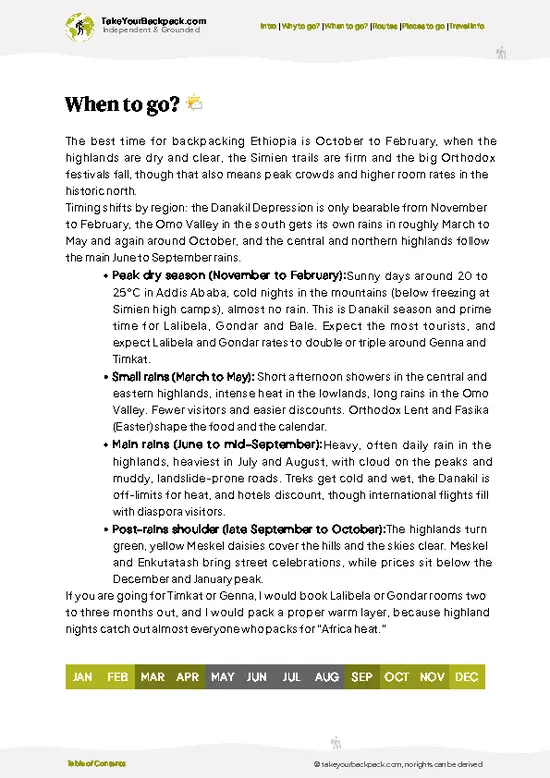
source: climatestotravel.comJANJanuary: excellent for travelingFEBFebruary: highly recommended for travelingMARMarch: good for travelingAPRApril: good for travelingMAYMay: fair for travelingJUNJune: fair for travelingJULJuly: below average for travelingAUGAugust: below average for travelingSEPSeptember: fair for travelingOCTOctober: highly recommended for travelingNOVNovember: good for travelingDECDecember: excellent for traveling
when-to-go

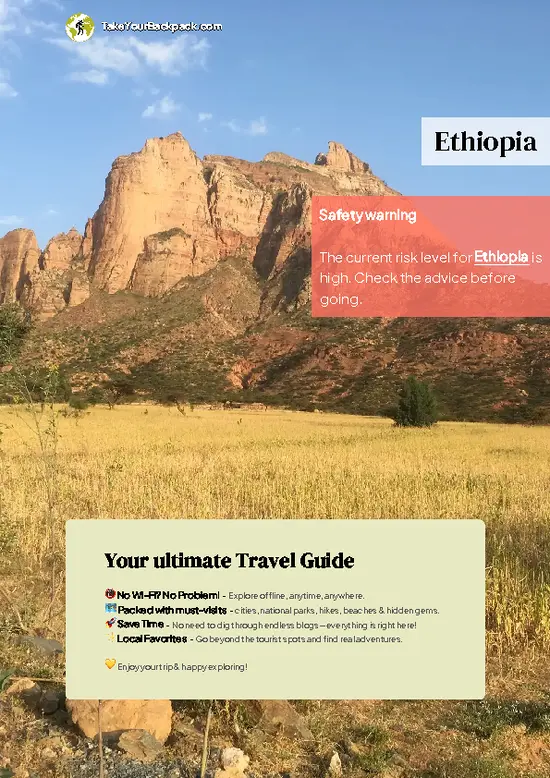
✈️ The backpacker research shortcutEthiopia Travel Guide

An offline-friendly backpacking guide with optimized travel routes, ranked highlights, transport advice, and the best areas to stay.
example page 0 from our offline Travel Guide for Ethiopia
example page 1 from our offline Travel Guide for Ethiopia
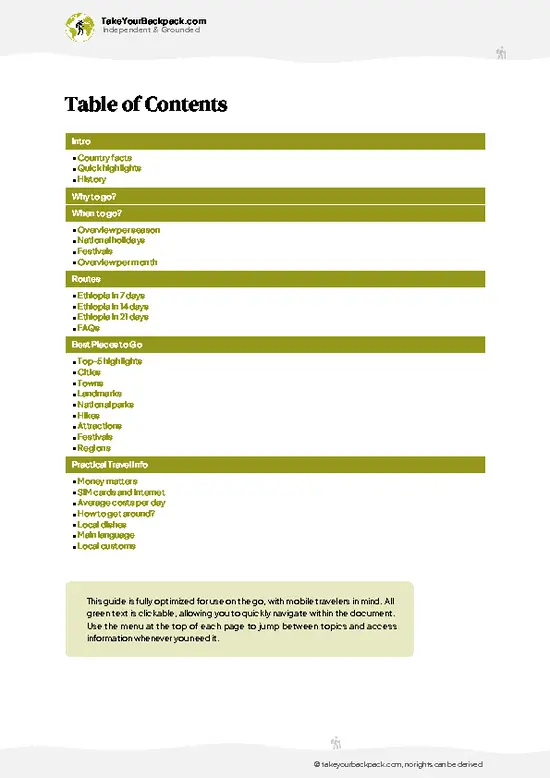
example page 2 from our offline Travel Guide for Ethiopia
example page 3 from our offline Travel Guide for Ethiopia
example page 4 from our offline Travel Guide for Ethiopia
example page 5 from our offline Travel Guide for Ethiopia
example page 6 from our offline Travel Guide for Ethiopia
example page 7 from our offline Travel Guide for Ethiopia
The digital guide (395 pages) contains:
101 highlights, ranked by travel appeal
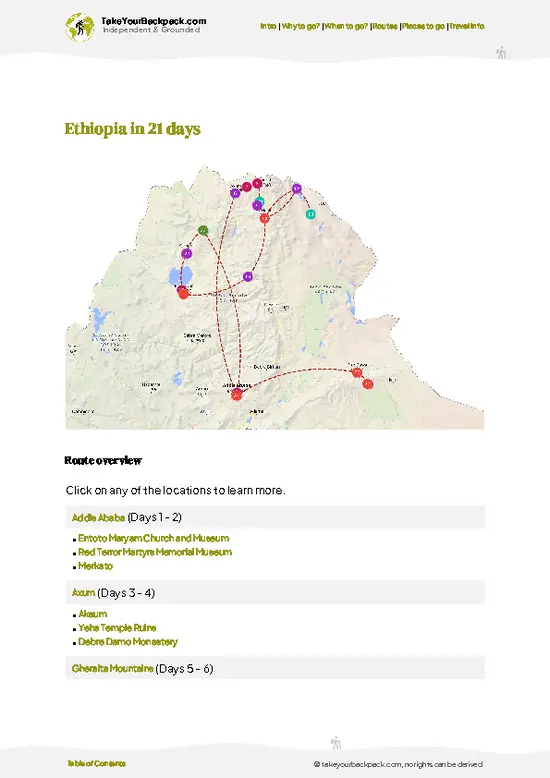
Optimized 7, 14 & 21-day travel routes
Cities, national parks, landmarks, beaches
How to get around
Offline-friendly for travel without Wi-Fi
👉 Click to see all 30+ guide features

📅 Plan smarter in minutes, not weeks
Month by month travel advice
Festivals & national holidays
Budget expectations

🗺️ Go to the right places, skip the overrated ones
Honest pros & cons of destinations
Top hikes, parks & viewpoints
Lesser-known places most travelers miss
Clear “worth it vs skip it” guidance

🛏️ Travel smoothly without rookie mistakes
Best areas to stay
Transport systems explained simply
Common scams & safety advice
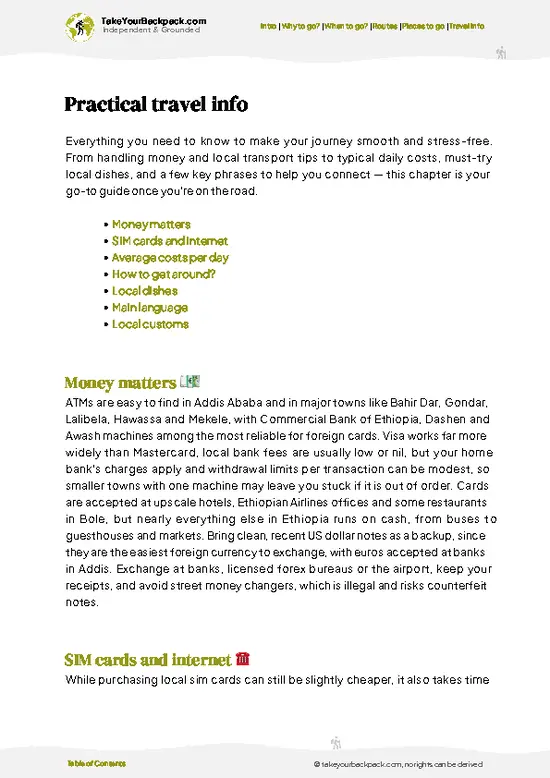
SIM cards, money & practical tips

🌍 Understand the country, not just visit it
Culture & traditions
52 Essential phrases & customs
Festivals worth planning around
Traveler-friendly historical context
Insights that make places more meaningful

📱 Built for real travel conditions
Fully downloadable PDF
Works completely offline
Optimized for phone use
Useful in remote areas & buses
Everything in one place
Save weeks of stressful planning
Get instant access to your full guide. 30‑day money-back guarantee.


By proceeding you agree to our terms.
Sent to your inbox immediately after payment • 100% Secure Checkout
Best Backpacking Travel Advisor 2025 tourism awardBest Backpacking
Travel Advisor
2025
What others say about Take Your Backpack Guides:
⭐⭐⭐⭐⭐
Fantastic, amazing amount of information!
⭐⭐⭐⭐⭐
My goodness this is amazing, it's what I've been looking for hats off too you!
⭐⭐⭐⭐⭐
I think this is absolutely BRILLIANT
⭐⭐⭐⭐
Very complete and informative. It's still missing places, but I gotta to commend you
⭐⭐⭐⭐⭐
This is truly amazing, thank you, can't wait to explore it with my kids!
⭐⭐⭐⭐⭐
Awesome resource, thank you!
⭐⭐⭐⭐⭐
This is amazing! Can't wait to explore the ones I haven't seen
⭐⭐⭐⭐
I love this! Well done, great idea.
⭐⭐⭐⭐⭐
Thanks for taking the time to make this gem!
⭐⭐⭐⭐⭐
This might be the best website I've ever seen.
⭐⭐⭐⭐⭐
Congratulations, and thank you so much for your work; it's incredibly valuable.
⭐⭐⭐⭐
In all seriousness I think you did a great job pointing out the important spots
⭐⭐⭐⭐⭐
10/10 very good
⭐⭐⭐⭐⭐
As someone who's only just starting to visit regularly this is awesome, thank you.
⭐⭐⭐⭐
Thank you very much! I'm going to visit my dad, it's going to be very useful!
⭐⭐⭐⭐⭐
This is really cool! We'll be travelling for the first time and this definitely come in handy.
⭐⭐⭐⭐⭐
You are now our minister of culture, congratulations 👨‍💼
⭐⭐⭐⭐⭐
Just wanted to tell you that this is a pearl! Going to follow your recommendations.
⭐⭐⭐⭐⭐
This is so cool. I'll definitely be using the resource for my travels soon.
⭐⭐⭐⭐⭐
This is very impressive! Good work.
⭐⭐⭐⭐⭐
This is an amazing and informative site. Very well done!

🛏️ Where to stay?Best areas and accommodation options

In Bahir Dar, the real backpacker sweet spot is the area around the lakeside promenade and the nearby city center. This zone nails the balance between safety, social buzz, and budget-friendly options. You’re close enough to the Blue Nile and Lake Tana to soak in the natural vibe without the hassle of long commutes. It’s where you’ll find a handful of hostels and guesthouses that cater to solo travelers and those looking to connect without breaking the bank.

Compared to the quieter, more residential neighborhoods, this lakeside stretch pulses with energy—street vendors, cafés, and fellow travelers … read more 👉
In Bahir Dar, the real backpacker sweet spot is the area around the lakeside promenade and the nearby city center. This zone nails the balance between safety, social buzz, and budget-friendly options. You’re close enough to the Blue Nile and Lake Tana to soak in the natural vibe without the hassle of long commutes. It’s where you’ll find a handful of hostels and guesthouses that cater to solo travelers and those looking to connect without breaking the bank.

Compared to the quieter, more residential neighborhoods, this lakeside stretch pulses with energy—street vendors, cafés, and fellow travelers swapping stories. It’s not flashy, but it’s authentic and easy to navigate on foot. The city center edges into this zone, offering a bit more urban grit and local markets, which means you can dive into Ethiopian culture without losing your comfort bubble.

Avoid the outskirts unless you have a car or a specific reason; they’re quieter but less convenient and can feel isolating. The lakeside and city center combo is your best bet for a safe, social, and wallet-wise stay that keeps you plugged into what makes Bahir Dar tick.

🚌 Getting aroundHow to get from A to B

Bahir Dar moves at its own rhythm—a blend of purposeful pace and laid-back flow. It’s not a city where you’ll find trains running like clockwork or buses on the minute. Instead, the pulse here is set by the sun, the market’s buzz, and the occasional honk of a bajaj weaving through traffic. Time bends around the lake, and comfort is a flexible concept. You’ll find yourself negotiating between waiting for the next ride or hopping on whatever’s available, all while balancing your budget and patience. Understanding this flow is your first win in mastering Bahir Dar’s transit game.


  • Walking: The most reliable and cost-free way to explore Bahir Dar’s compact center. Streets are generally flat and safe during the day, making it perfect for soaking in local life at your own pace. Ideal for short
read more 👉
Bahir Dar moves at its own rhythm—a blend of purposeful pace and laid-back flow. It’s not a city where you’ll find trains running like clockwork or buses on the minute. Instead, the pulse here is set by the sun, the market’s buzz, and the occasional honk of a bajaj weaving through traffic. Time bends around the lake, and comfort is a flexible concept. You’ll find yourself negotiating between waiting for the next ride or hopping on whatever’s available, all while balancing your budget and patience. Understanding this flow is your first win in mastering Bahir Dar’s transit game.


  • Walking: The most reliable and cost-free way to explore Bahir Dar’s compact center. Streets are generally flat and safe during the day, making it perfect for soaking in local life at your own pace. Ideal for short distances and spontaneous detours.


  • Bajaj (Auto Rickshaw): These three-wheelers are everywhere and run on a semi-informal schedule—meaning they leave when full or when the driver feels like it. Fares are negotiable but usually hover around 10-20 ETB for short trips. They’re quick and nimble but can get cramped and noisy, so comfort is minimal.


  • Minibus Taxi: The backbone of local transit, minibuses follow set routes but depart only when packed. Expect to pay about 5-15 ETB depending on distance. They’re slow during peak hours due to frequent stops and crowded interiors, but they’re unbeatable for budget travelers covering longer distances.


  • Boat on Lake Tana: For trips to monasteries or island visits, boats operate mostly during daylight hours, roughly 7 AM to 5 PM. Prices vary widely depending on negotiation and group size, but expect to pay a premium compared to land transport. The ride is scenic and comfortable if you book a private boat; shared boats can be cramped and weather-dependent.


  • Taxi (Private Car): The most comfortable and fastest option, especially for airport transfers or day trips outside the city. Prices start around 300 ETB and can rise sharply for longer distances. Taxis run on demand, so you control your schedule, but this comfort comes at a steep cost compared to other options.

👛 Costs (as of 21 June 2026)What things cost and how to budget

Bahir Dar, Ethiopia, offers a backpacking experience where your spending choices clearly shape your daily rhythm—knowing the trade-offs between time, money, and comfort here is key to crafting a trip that feels both rich and manageable.
  • Dorm Accommodation (High Season): Expect to pay around $8 to $12 per night. This is when demand peaks, usually during dry months, and prices reflect the influx of tourists. Dorms are basic but clean, often with shared bathrooms and limited amenities.
  • Dorm Accommodation (Off-Season): Prices drop to about $5 to $8 per night. Fewer travelers mean better bargaining power and sometimes upgrades thrown in. The trade-off is fewer social opportunities and possibly less frequent transport options.
  • Meals: Local eateries serve filling meals for $2 to $4. Traditional
read more 👉
Bahir Dar, Ethiopia, offers a backpacking experience where your spending choices clearly shape your daily rhythm—knowing the trade-offs between time, money, and comfort here is key to crafting a trip that feels both rich and manageable.
  • Dorm Accommodation (High Season): Expect to pay around $8 to $12 per night. This is when demand peaks, usually during dry months, and prices reflect the influx of tourists. Dorms are basic but clean, often with shared bathrooms and limited amenities.
  • Dorm Accommodation (Off-Season): Prices drop to about $5 to $8 per night. Fewer travelers mean better bargaining power and sometimes upgrades thrown in. The trade-off is fewer social opportunities and possibly less frequent transport options.
  • Meals: Local eateries serve filling meals for $2 to $4. Traditional dishes like injera with wot are affordable and satisfying. Western-style or tourist-targeted restaurants push prices up to $6 or $7, which might save time but cost more.
  • Local Transport: Bajaj (three-wheeler taxis) rides typically cost between $0.30 and $0.50 for short trips. They’re quick and cheap but can be cramped and less comfortable, especially during rush hours.
  • City Transport Pass: Bahir Dar doesn’t have a formal city transport pass system. Instead, expect to rely on bajajs or occasional minibus taxis, which means paying per ride without a bulk discount option.
  • Basic Activities/Entry Fees: Visiting Lake Tana monasteries or Blue Nile Falls involves entry fees around $3 to $7. Hiring a guide or boat adds to the cost but enhances the experience. Skipping guides saves money but sacrifices context and ease.
  • Miscellaneous Expenses: Budget $1 to $3 daily for bottled water, snacks, or small tips. Internet cafes or SIM cards with data cost about $5 to $10 for a basic package, essential for staying connected but not a daily expense.

Total daily costs for a budget-conscious backpacker in Bahir Dar hover between $15 and $30. This range balances basic comfort with local flavor, allowing you to stretch your dollars without feeling like you’re missing out. The real trade-off is between spending a bit more for convenience and comfort or embracing the slower, more hands-on local pace that comes with tighter budgeting.


source: ethiopia.travel
⚠️ Prices can change and everyone travels differently, so take this as a rough guide. Hope it helps you plan your adventure!

🚌 Day tripsShort trips worth adding

Bahir Dar is a fantastic launchpad for day trips that pack a punch without draining your wallet or time. Here are some standout options that will enrich your Ethiopian adventure.

Lake Tana Monasteries
Just a short boat ride from Bahir Dar, Lake Tana is dotted with ancient monasteries that offer a glimpse into Ethiopia’s rich religious history. Expect to spend around 3-4 hours exploring places like the island monastery of Debre Maryam, where vibrant murals tell stories of saints. The boat ride itself is a serene experience, often accompanied by local fishermen casting nets. Budget around $10 for the boat and entrance fees. The best time to visit is during the dry season, from October to March, when the weather is pleasant. A common mistake? Underestimating the time needed to soak in the … read more 👉
Bahir Dar is a fantastic launchpad for day trips that pack a punch without draining your wallet or time. Here are some standout options that will enrich your Ethiopian adventure.

Lake Tana Monasteries
Just a short boat ride from Bahir Dar, Lake Tana is dotted with ancient monasteries that offer a glimpse into Ethiopia’s rich religious history. Expect to spend around 3-4 hours exploring places like the island monastery of Debre Maryam, where vibrant murals tell stories of saints. The boat ride itself is a serene experience, often accompanied by local fishermen casting nets. Budget around $10 for the boat and entrance fees. The best time to visit is during the dry season, from October to March, when the weather is pleasant. A common mistake? Underestimating the time needed to soak in the history and beauty—don’t rush!


Blue Nile Falls
Known locally as Tis Issat, the Blue Nile Falls is a breathtaking sight, especially during the rainy season when the water cascades dramatically. It’s about a 30-minute drive from Bahir Dar, followed by a short hike to the viewing points. Expect to spend about $5 for transport and entrance fees. The falls are most impressive from June to September, but even in the dry season, they’re worth the trip. Many first-timers miss the chance to explore the surrounding trails, which offer stunning views and a chance to connect with local communities.


Gondar
A bit further afield, Gondar is about a 2-hour drive from Bahir Dar and is home to the remarkable Royal Enclosure, a UNESCO World Heritage site. The castles and churches here are steeped in history, making it a perfect day trip for history buffs. Plan to spend around $15 for transport and entrance fees. The best time to visit is during the dry season, when the roads are more accessible. A common pitfall is trying to see too much in one day; focus on the Royal Enclosure and maybe one church to truly appreciate the experience.
👉 Explore Gondar

Bahir Dar Market
If you want to dive into local culture without venturing far, the Bahir Dar market is a vibrant hub of activity. Open daily, it’s a great place to sample local foods, buy handmade crafts, and engage with the friendly locals. You can easily spend a few hours here, and it’s free to wander around—just budget for any snacks or souvenirs. The market is best visited in the morning when it’s bustling. First-timers often overlook the chance to haggle; don’t be shy—it’s part of the fun!
Want to know what more Ethiopia offers?
The Ethiopia Travel Guide describes 101 highlights, from cities to national parks, from beaches to hikes

Get the Travel Guide -

🍲 FoodWhat to Eat & Drink

In Bahir Dar, the food scene is a vibrant tapestry of flavors that beckons you to dive in. Start with injera, a spongy flatbread that serves as the base for many meals. It’s not just food; it’s a communal experience. You’ll find it piled high with wat, a spicy stew made from lentils, chicken, or beef. The rich, earthy spices will dance on your palate, making every bite a revelation.

Street food is where the heart of the city beats. Vendors line the bustling markets, offering sambusas—crispy pastries stuffed with lentils or meat. Grab one on the go, and you’ll feel like a local. The coffee culture here is equally compelling. Ethiopia is the birthplace of coffee, and you can’t miss a traditional coffee ceremony. The aroma of freshly roasted beans fills the air, and sipping this rich brew is … read more 👉
In Bahir Dar, the food scene is a vibrant tapestry of flavors that beckons you to dive in. Start with injera, a spongy flatbread that serves as the base for many meals. It’s not just food; it’s a communal experience. You’ll find it piled high with wat, a spicy stew made from lentils, chicken, or beef. The rich, earthy spices will dance on your palate, making every bite a revelation.

Street food is where the heart of the city beats. Vendors line the bustling markets, offering sambusas—crispy pastries stuffed with lentils or meat. Grab one on the go, and you’ll feel like a local. The coffee culture here is equally compelling. Ethiopia is the birthplace of coffee, and you can’t miss a traditional coffee ceremony. The aroma of freshly roasted beans fills the air, and sipping this rich brew is a ritual that connects you to the community.

Dining etiquette is relaxed but meaningful. Sharing food is a sign of friendship, so don’t hesitate to dig in with your hands. Just remember to use your right hand; the left is considered impolite. Embrace the flavors and the warmth of the people, and you’ll leave with more than just a full belly—you’ll carry a piece of Bahir Dar in your heart.

🛡️ SafetyScams, Hazards, and Annoyances

Bahir Dar is generally safe for backpackers, but a few situational awareness tips can enhance your experience. Stick to well-lit areas after dark, especially along the lakeside promenade. Solo travelers should feel comfortable, but it’s wise to avoid wandering too far from populated spots at night.

Common scams are minimal, but be cautious around the bustling markets. Vendors may inflate prices for tourists, so don’t hesitate to haggle. A friendly smile and a firm but polite “no” can go a long way in deflecting persistent sellers.

Watch out for the occasional “helpful local” who might offer unsolicited guidance, often with the expectation of a tip. Trust your instincts; if something feels off, it probably is. Carry your belongings securely, and keep your phone and wallet out of sight when … read more 👉
Bahir Dar is generally safe for backpackers, but a few situational awareness tips can enhance your experience. Stick to well-lit areas after dark, especially along the lakeside promenade. Solo travelers should feel comfortable, but it’s wise to avoid wandering too far from populated spots at night.

Common scams are minimal, but be cautious around the bustling markets. Vendors may inflate prices for tourists, so don’t hesitate to haggle. A friendly smile and a firm but polite “no” can go a long way in deflecting persistent sellers.

Watch out for the occasional “helpful local” who might offer unsolicited guidance, often with the expectation of a tip. Trust your instincts; if something feels off, it probably is. Carry your belongings securely, and keep your phone and wallet out of sight when not in use. With a little mindfulness, you can navigate Bahir Dar smoothly and enjoy its vibrant culture.

Other Ethiopian cities near Bahir Dar

Explore more nearby:

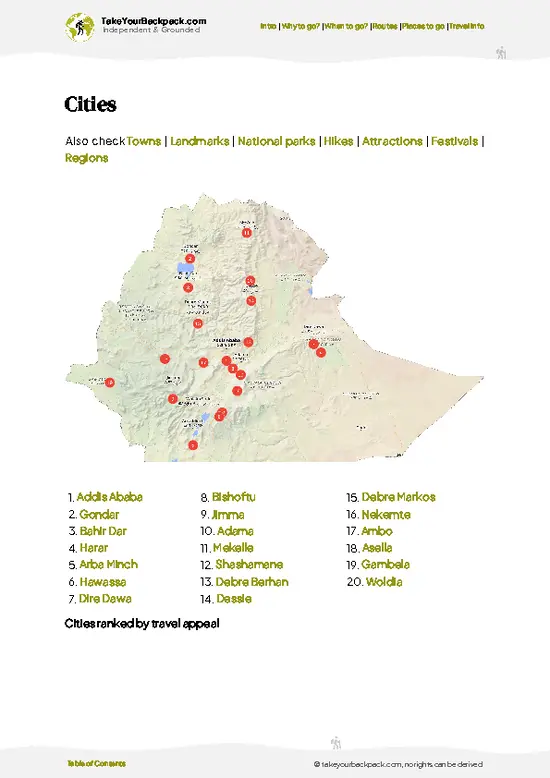
  • Gondar—Royal castles, Debre Berhan Selassie church, hilltop views| 113 km away
  • Debre Markos—Blue Nile gorge, rural crossroads, monastery sites| 145 km away
  • Woldia—market town, Tigray-Amhara border, transport hub| 242 km away

💡 Not sure where to go next?
Create a personalized itinerary for Ethiopia including Bahir Dar and the places that fit your trip.

Generate my itinerary

👉 Discover all cities

Or checkout all Ethiopia has to offer (think cities, towns, villages, national parks, hikes, beaches, festivals)
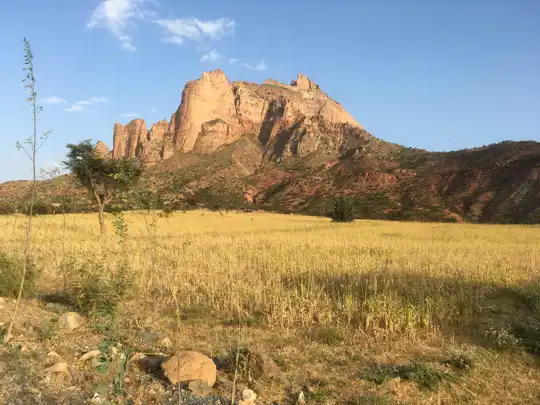
Country photo of Ethiopia

We 💚 feedbackIs it worth it?

Bahir Dar is a treasure trove of experiences, especially the stunning Blue Nile Falls. Standing there, feeling the mist on your face, you realize why this place pulls you in. But let’s be real: the infrastructure can be a bit rough. Expect delays and occasional discomfort. Embrace it. Those moments often lead to the best stories. Just remember, the journey is part of the adventure.

✈️ When did I visit Ethiopia?
Ethiopia I visited back in October 2017. I combined the trip with a visit to Sudan. Ethiopia was a pure suprise with the magical scenery like the Danikal Depression and the Simien Mountains.

✍️ Help improve this page!
The information on this page is based on my own backpacking experience in Ethiopia, supplemented with up-to-date research and feedback from other travelers. Travel details can change, so if you notice anything outdated or incomplete, feel free to let me know.


🙋‍♂️ Give feedback

👋 Meet the founderWho’s Behind Take Your Backpack?

Johan, backpacker and founder of TakeYourBackpackHi, I’m Johan (Netherlands 🇳🇱), the creator of TakeYourBackpack. Over the past decade, I’ve backpacked through 80+ countries across six continents, gaining extensive experience with independent travel, long-term trips, and overland routes.

This site is built on a combination of firsthand travel experience and carefully curated insights from other backpackers. Many guides are based on places I’ve personally visited, while others bring together tips, observations, and practical advice shared by trusted travelers I’ve met along the way.

The goal is to provide realistic, experience-driven guidance — not generic itineraries — so you can explore destinations with better context, clearer expectations, and more confidence.

Get full Ethiopia guide •
Instant download • 101 highlights • Full Offline guide