×

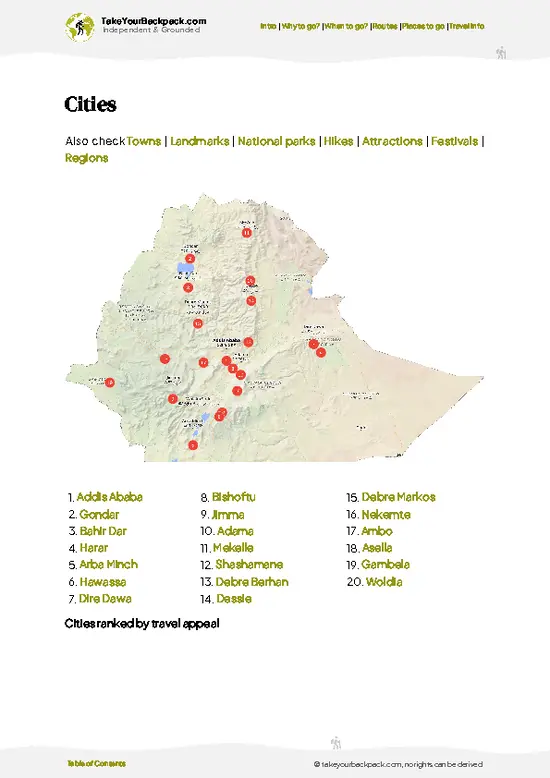
Ethiopia🇪🇹 | citiesDebre MarkosBlue Nile gorge, rural crossroads, monastery sites | things to do and best time to go

Explore Debre BerhanExplore Dessie

Backpacking in Debre Markos
👌 Worth visitingcity ranked #15
By Johan Kruseman 🇳🇱 | Updated May 16, 2026

Forget the idea that Debre Markos is just a pit stop on the Addis Ababa–Bahir Dar road; that’s a rookie mistake. Tucked in the Amhara highlands, northeast of Lake Tana, Debre Markos is a working Ethiopian city with a pulse—less touristy than Bahir Dar, but more approachable than Gonder. The 19th-century church, bustling main square, and lively markets are the real draw, not glossy museums or nightlife. It’s affordable, safe by Ethiopian standards, and refreshingly free of touts. You won’t find a backpacker scene, but you will find genuine hospitality and a window into everyday Amhara life.

Discover everything you want to know in the 📖 Ethiopia Travel Guide.
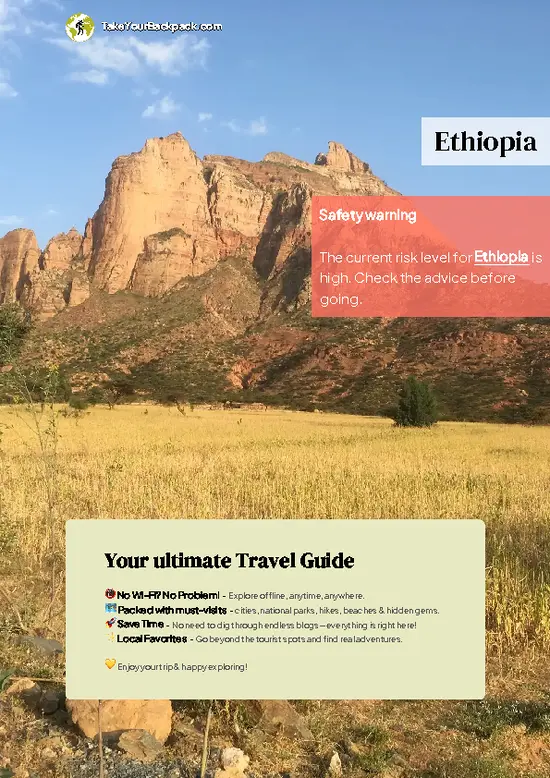
Safety warning

The current risk level for Ethiopia is high. Check the advice before going.


Get your Ethiopia guide
101 ranked highlights, routes & tips, works offline (398 pages)
Loading the map 🌍
CLICK TO FILTER
city
town
unique site
national park
hike
attraction
festival
region
SHOW COUNTRY’S BESTSHOW ALL

✨ Why go?
Ranked #15 city in Ethiopia
What makes it a must-see city

Debre Markos is a strategic stop for backpackers navigating Ethiopia. It offers a solid basecamp value for day trips to nearby highlights, making it a practical choice for those eager to explore. The city is walkable, allowing you to soak in local life without the hassle of transport. Affordable hostels provide a cozy atmosphere to recharge, while the food scene serves up hearty local dishes that fuel your adventures. As for nightlife, it’s low-key but lively enough to connect with fellow travelers. If you’re on a longer route, Debre Markos is a smart choice; if you’re short on time, it’s still worth a quick stop.
Get the complete Travel Guide for Ethiopia
Everything organized for offline planning — routes, highlights, costs & tips

See what’s inside 👉

Get the Travel Guide -

💡 HighlightsTop highlights of Debre Markos

  • Debre Markos Monastery (St. Markos Church) — Historic hilltop Ethiopian Orthodox monastery that gives the town its name; visit for ornate church interiors, lively liturgies, and one of the best panoramic views over Debre Markos and the surrounding foothills.
  • Debre Markos University (main campus) — The city’s academic heart: a large, walkable campus with active student life, occasional cultural events and informal cafés; great for observing modern local youth culture and picking up inexpensive local publications and crafts sold by students.
  • Debre Markos Central Market (Main Mercato) — A bustling open-air market where farmers and traders from the surrounding highlands sell fresh produce, spices, injera, textiles and everyday goods; excellent for tasting street food, witnessing a coffee ceremony
read more 👉
  • Debre Markos Monastery (St. Markos Church) — Historic hilltop Ethiopian Orthodox monastery that gives the town its name; visit for ornate church interiors, lively liturgies, and one of the best panoramic views over Debre Markos and the surrounding foothills.
  • Debre Markos University (main campus) — The city’s academic heart: a large, walkable campus with active student life, occasional cultural events and informal cafés; great for observing modern local youth culture and picking up inexpensive local publications and crafts sold by students.
  • Debre Markos Central Market (Main Mercato) — A bustling open-air market where farmers and traders from the surrounding highlands sell fresh produce, spices, injera, textiles and everyday goods; excellent for tasting street food, witnessing a coffee ceremony and soaking up genuine market rhythms.
Good day-trip options outside the city include the Lake Tana monasteries and boat trips from Bahir Dar, the Blue Nile Falls (Tis Abay), and the Gish Abay area (source of the Blue Nile); Blue Nile Falls is my personal favorite.
Spotted a mistake or missing something? Contact us.

🏘️ NeighborhoodsHow different areas shape the experience

Debre Markos offers a unique blend of culture and accessibility for backpackers. Here’s how the neighborhoods stack up:

City Center: The heartbeat of Debre Markos. It’s bustling and walkable, with affordable eateries and shops. Great for short stays, you’ll find local markets and a vibrant atmosphere. Nightlife is low-key, perfect for unwinding after a day of exploration.

Gish Abay: A quieter residential area. Ideal for longer stays, it offers a more authentic experience. Costs are lower here, and you can enjoy peaceful walks. Public transport is accessible, but nightlife is virtually non-existent.

Hawelti: This area strikes a balance. It’s lively yet not overwhelming. You’ll find a mix of budget accommodations and local cafes. Walkability is decent, and it’s a good spot for both short … read more 👉
Debre Markos offers a unique blend of culture and accessibility for backpackers. Here’s how the neighborhoods stack up:

City Center: The heartbeat of Debre Markos. It’s bustling and walkable, with affordable eateries and shops. Great for short stays, you’ll find local markets and a vibrant atmosphere. Nightlife is low-key, perfect for unwinding after a day of exploration.

Gish Abay: A quieter residential area. Ideal for longer stays, it offers a more authentic experience. Costs are lower here, and you can enjoy peaceful walks. Public transport is accessible, but nightlife is virtually non-existent.

Hawelti: This area strikes a balance. It’s lively yet not overwhelming. You’ll find a mix of budget accommodations and local cafes. Walkability is decent, and it’s a good spot for both short and extended visits. Nightlife options are modest but enjoyable.

Choose wisely based on your priorities, and you’ll maximize your experience in this charming city.

⌛️ 1 day1-day itinerary for Debre Markos

Debre Markos, a city rich in culture and history, offers a unique glimpse into Ethiopian life away from the typical tourist trail. Start your day with a visit to the bustling local market in the heart of the city. The vibrant colors of spices and textiles will awaken your senses, and the friendly banter of vendors will make you feel right at home. Grab a traditional breakfast of injera with shiro at a nearby café; it’s a delicious way to fuel up for the day.

In the afternoon, head to the nearby Debre Markos Monastery, a serene spot that’s often overlooked by tourists. The peaceful atmosphere and stunning views of the surrounding hills provide a perfect backdrop for reflection. Spend some time wandering the grounds, soaking in the history and tranquility.

As evening approaches, stroll through … read more 👉
Debre Markos, a city rich in culture and history, offers a unique glimpse into Ethiopian life away from the typical tourist trail. Start your day with a visit to the bustling local market in the heart of the city. The vibrant colors of spices and textiles will awaken your senses, and the friendly banter of vendors will make you feel right at home. Grab a traditional breakfast of injera with shiro at a nearby café; it’s a delicious way to fuel up for the day.

In the afternoon, head to the nearby Debre Markos Monastery, a serene spot that’s often overlooked by tourists. The peaceful atmosphere and stunning views of the surrounding hills provide a perfect backdrop for reflection. Spend some time wandering the grounds, soaking in the history and tranquility.

As evening approaches, stroll through the charming streets of the Gish Abay neighborhood. Stop by a local eatery for dinner, where you can savor doro wat, a spicy chicken stew that’s a staple in Ethiopian cuisine. This day in Debre Markos will leave you with a deeper appreciation for the local culture and a sense of connection that’s hard to find in more touristy spots.
Build the Right Itinerary
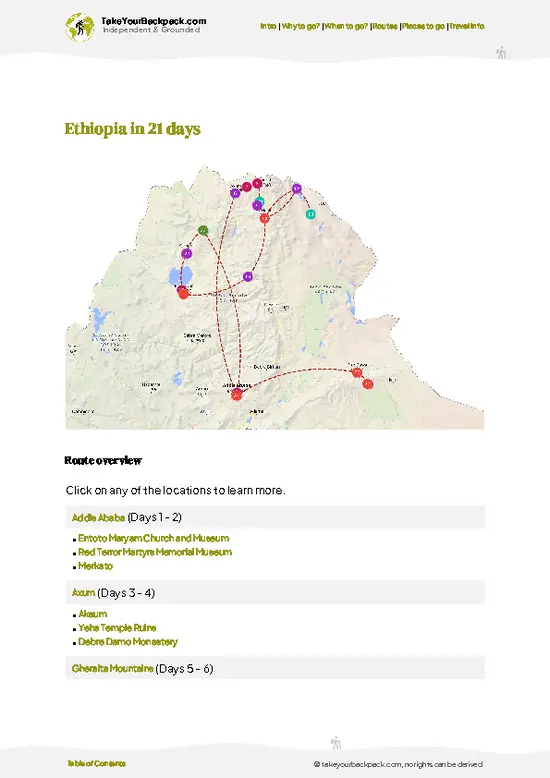
Use the Ethiopia Travel Guide’s 7, 14 & 21-day routes as a starting point to plan a trip that actually works on the ground.

Get the Travel Guide -

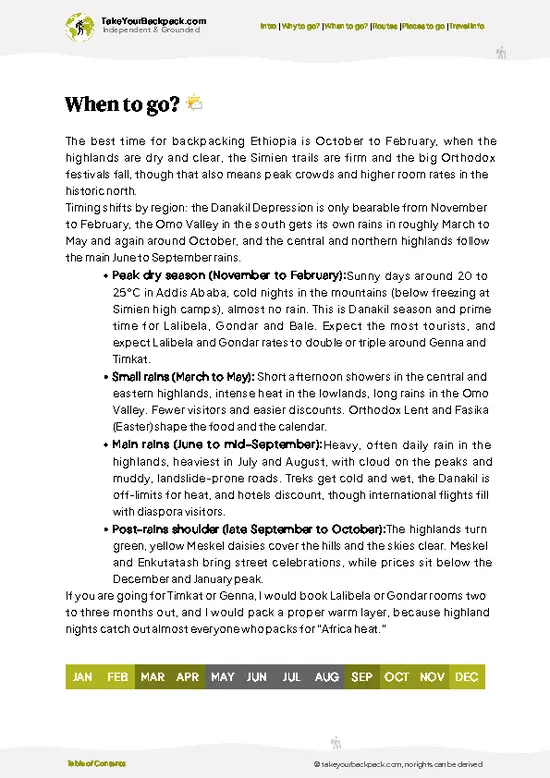
🌤️ When to go?Weather, crowds, and seasonal trade-offs


  • Weather: The dry season from October to February offers clear skies and minimal rain, ideal for trekking and exploring without soggy boots or muddy trails.

  • Temperature: Daytime highs hover around 20-25°C (68-77°F) in the dry months, comfortable for active days. The wet season cools things down but brings humidity and chillier nights.

  • Daylight Hours: Roughly 12 hours year-round, but the dry season’s stable weather means you can reliably plan long hikes and late-afternoon sightseeing without surprise storms.

  • Crowds: Tourist numbers peak during the dry season, especially December and January, so expect more fellow travelers but also better services and guided options.

  • Seasonal Activities: Festivals and cultural events cluster around the dry months, adding rich local flavor to your
read more 👉

  • Weather: The dry season from October to February offers clear skies and minimal rain, ideal for trekking and exploring without soggy boots or muddy trails.

  • Temperature: Daytime highs hover around 20-25°C (68-77°F) in the dry months, comfortable for active days. The wet season cools things down but brings humidity and chillier nights.

  • Daylight Hours: Roughly 12 hours year-round, but the dry season’s stable weather means you can reliably plan long hikes and late-afternoon sightseeing without surprise storms.

  • Crowds: Tourist numbers peak during the dry season, especially December and January, so expect more fellow travelers but also better services and guided options.

  • Seasonal Activities: Festivals and cultural events cluster around the dry months, adding rich local flavor to your visit without the hassle of rain interruptions.

  • Price Fluctuations: Accommodation and transport costs rise during the dry season’s peak, but the trade-off is smoother logistics and a more vibrant travel scene.


Pro-tip: Aim for the shoulder months of October or February—less crowded, still dry, and you’ll snag better deals while enjoying near-perfect conditions.


source: climatestotravel.comJANJanuary: highly recommended for travelingFEBFebruary: excellent for travelingMARMarch: fair for travelingAPRApril: below average for travelingMAYMay: below average for travelingJUNJune: fair for travelingJULJuly: fair for travelingAUGAugust: fair for travelingSEPSeptember: good for travelingOCTOctober: excellent for travelingNOVNovember: highly recommended for travelingDECDecember: highly recommended for traveling
when-to-go

✈️ The backpacker research shortcutEthiopia Travel Guide

An offline-friendly backpacking guide with optimized travel routes, ranked highlights, transport advice, and the best areas to stay.
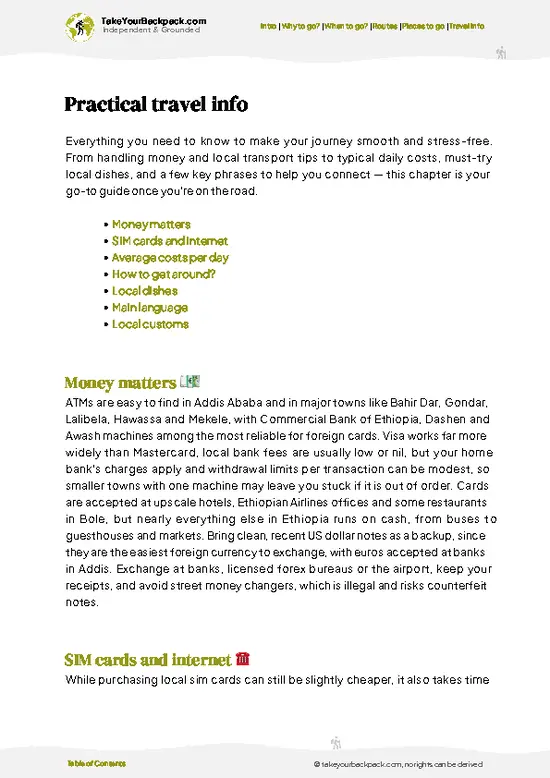
example page 0 from our offline Travel Guide for Ethiopiaexample page 1 from our offline Travel Guide for Ethiopiaexample page 2 from our offline Travel Guide for Ethiopiaexample page 3 from our offline Travel Guide for Ethiopiaexample page 4 from our offline Travel Guide for Ethiopiaexample page 5 from our offline Travel Guide for Ethiopiaexample page 6 from our offline Travel Guide for Ethiopiaexample page 7 from our offline Travel Guide for Ethiopia
The digital guide (398 pages) contains:
101 highlights, ranked by travel appeal
Optimized 7, 14 & 21-day travel routes
Cities, national parks, beaches, historical sites, ...
How to get around
Offline-friendly for travel without Wi-Fi
👉 Click to see all 30+ guide features

📅 Plan smarter in minutes, not weeks
Month by month travel advice
Festivals & national holidays
Budget expectations

🗺️ Go to the right places, skip the overrated ones
Honest pros & cons of destinations
Top hikes, parks & viewpoints
Lesser-known places most travelers miss
Clear “worth it vs skip it” guidance

🛏️ Travel smoothly without rookie mistakes
Best areas to stay
Transport systems explained simply
Common scams & safety advice
SIM cards, money & practical tips

🌍 Understand the country, not just visit it
Culture & traditions
52 Essential phrases & customs
Festivals worth planning around
Traveler-friendly historical context
Insights that make places more meaningful

📱 Built for real travel conditions
Fully downloadable PDF
Works completely offline
Optimized for phone use
Useful in remote areas & buses
Everything in one place
Save weeks of stressful planning
Get instant access to the full guide directly. 30-day money-back guarantee.


Sent to your inbox immediately after payment • 100% Secure Checkout
Best Backpacking Travel Advisor 2025 tourism awardBest Backpacking
Travel Advisor
2025
What others say about Take Your Backpack Guides:
⭐⭐⭐⭐⭐
Fantastic, amazing amount of information!
⭐⭐⭐⭐⭐
My goodness this is amazing, it's what I've been looking for hats off too you!
⭐⭐⭐⭐⭐
I think this is absolutely BRILLIANT
⭐⭐⭐⭐
Very complete and informative. It's still missing places, but I gotta to commend you
⭐⭐⭐⭐⭐
This is truly amazing, thank you, can't wait to explore it with my kids!
⭐⭐⭐⭐⭐
Awesome resource, thank you!
⭐⭐⭐⭐⭐
This is amazing! Can't wait to explore the ones I haven't seen
⭐⭐⭐⭐
I love this! Well done, great idea.
⭐⭐⭐⭐⭐
Thanks for taking the time to make this gem!
⭐⭐⭐⭐⭐
This might be the best website I've ever seen.
⭐⭐⭐⭐⭐
Congratulations, and thank you so much for your work; it's incredibly valuable.
⭐⭐⭐⭐
In all seriousness I think you did a great job pointing out the important spots
⭐⭐⭐⭐⭐
10/10 very good
⭐⭐⭐⭐⭐
As someone who's only just starting to visit regularly this is awesome, thank you.
⭐⭐⭐⭐
Thank you very much! I'm going to visit my dad, it's going to be very useful!
⭐⭐⭐⭐⭐
This is really cool! We'll be travelling for the first time and this definitely come in handy.
⭐⭐⭐⭐⭐
You are now our minister of culture, congratulations 👨‍💼
⭐⭐⭐⭐⭐
Just wanted to tell you that this is a pearl! Going to follow your recommendations.
⭐⭐⭐⭐⭐
This is so cool. I'll definitely be using the resource for my travels soon.
⭐⭐⭐⭐⭐
This is very impressive! Good work.
⭐⭐⭐⭐⭐
This is an amazing and informative site. Very well done!

🛏️ Where to stay?Where staying makes the most sense

In Debre Markos, the sweet spot for backpackers is the central district around the main market and university area. This zone strikes a smart balance: it’s safe, lively, and packed with budget-friendly guesthouses and hostels that cater to solo travelers. You’re close enough to the pulse of the city to soak in local life without the hassle of long commutes or sketchy neighborhoods. Compared to the quieter outskirts, this area offers more social opportunities—think shared meals, street chatter, and easy access to cafes where you can swap stories with fellow travelers. The vibe here is straightforward … read more 👉
In Debre Markos, the sweet spot for backpackers is the central district around the main market and university area. This zone strikes a smart balance: it’s safe, lively, and packed with budget-friendly guesthouses and hostels that cater to solo travelers. You’re close enough to the pulse of the city to soak in local life without the hassle of long commutes or sketchy neighborhoods. Compared to the quieter outskirts, this area offers more social opportunities—think shared meals, street chatter, and easy access to cafes where you can swap stories with fellow travelers. The vibe here is straightforward and practical, with enough bustle to keep you engaged but not overwhelmed. If you veer too far into residential zones, you’ll lose that social edge and convenience, making the central district the clear winner for backpackers who want value without sacrificing comfort or connection.

🚌 Getting aroundHow to get around Debre Markos

Debre Markos moves at a pace that’s neither frantic nor sluggish—it’s a city where the rhythm of daily life blends a bit of old-school predictability with a splash of improvisation. You won’t find a rigid timetable nailed to every corner, but there’s a pulse you can catch if you pay attention. People here navigate the streets with a mix of practiced routine and flexible timing, making the transit scene a puzzle of balancing patience and savvy. Your best bet is to understand the trade-offs between time, money, and comfort to make the most of your journey through this lively hub.


  • Walking: The most straightforward and cost-free way to get around, especially within the central areas. It’s slow but gives you full control over your pace and route, plus a chance to soak in the local vibe up close.
read more 👉
Debre Markos moves at a pace that’s neither frantic nor sluggish—it’s a city where the rhythm of daily life blends a bit of old-school predictability with a splash of improvisation. You won’t find a rigid timetable nailed to every corner, but there’s a pulse you can catch if you pay attention. People here navigate the streets with a mix of practiced routine and flexible timing, making the transit scene a puzzle of balancing patience and savvy. Your best bet is to understand the trade-offs between time, money, and comfort to make the most of your journey through this lively hub.


  • Walking: The most straightforward and cost-free way to get around, especially within the central areas. It’s slow but gives you full control over your pace and route, plus a chance to soak in the local vibe up close.


  • Minibus Taxi: Operating roughly from 6 AM to 8 PM, these shared rides are the budget traveler’s staple. They’re cheap—usually under 10 ETB per trip—but expect cramped conditions and frequent stops. Speed varies with traffic, but they’re often the fastest option during rush hours.


  • Regular Bus: Scheduled services run between 7 AM and 7 PM, connecting Debre Markos with nearby towns. Tickets cost around 20-30 ETB. Buses offer more comfort than minibuses but sacrifice some flexibility and can be slower due to fixed stops.


  • Motorcycle Taxi (Bajaj): Available all day, these three-wheelers are a quick way to cover short distances when you’re pressed for time. They cost more than minibuses—about 15-25 ETB per ride—but cut through traffic with ease. Comfort is minimal, and safety varies, so weigh your urgency against risk.

👛 Costs (as of 21 July 2025)Travel costs and budget guide for Debre Markos

Backpacking in Debre Markos, Ethiopia, offers a clear-cut trade-off between cost and comfort, with prices that reflect its status as a smaller, less touristy city. Here’s how your daily budget breaks down:
  • Dorm Accommodation (High Season): Expect to pay around $8 to $12 per night. High season sees a slight bump due to demand, but options remain basic—think simple rooms with shared bathrooms.
  • Dorm Accommodation (Off-Season): Prices drop to about $5 to $8. Off-season is quieter, so you can negotiate better deals or find quieter spots with the same amenities.
  • Meals: Local eateries serve filling meals for $1.50 to $3 each. Sticking to traditional dishes keeps costs low, but if you want something more Western or imported, expect to pay closer to $5 or $6.
  • Local Transport: Minibus rides within
read more 👉
Backpacking in Debre Markos, Ethiopia, offers a clear-cut trade-off between cost and comfort, with prices that reflect its status as a smaller, less touristy city. Here’s how your daily budget breaks down:
  • Dorm Accommodation (High Season): Expect to pay around $8 to $12 per night. High season sees a slight bump due to demand, but options remain basic—think simple rooms with shared bathrooms.
  • Dorm Accommodation (Off-Season): Prices drop to about $5 to $8. Off-season is quieter, so you can negotiate better deals or find quieter spots with the same amenities.
  • Meals: Local eateries serve filling meals for $1.50 to $3 each. Sticking to traditional dishes keeps costs low, but if you want something more Western or imported, expect to pay closer to $5 or $6.
  • Local Transport: Minibus rides within the city typically cost $0.10 to $0.30 per trip. It’s cheap but expect crowded conditions and irregular schedules.
  • City Transport Pass: There is no formal city transport pass system here, so budgeting for individual rides is necessary.
  • Basic Activities/Entry Fees: Most local attractions or cultural sites charge between $1 and $3. Guided tours or special experiences might push this higher but are rare in Debre Markos.
  • Miscellaneous Expenses: Budget around $1 to $2 for things like bottled water, snacks, or small tips. Internet cafes or SIM cards are affordable, usually under $5 for a decent data package.

All told, a realistic daily budget for backpacking in Debre Markos ranges from about $10 on a shoestring to $20 if you lean toward more comfort or occasional extras. This city rewards travelers who embrace simplicity and local rhythms—your wallet will thank you, and the experience will feel grounded rather than touristy.


source: ethiopia.travel
⚠️ Prices can change and everyone travels differently, so take this as a rough guide. Hope it helps you plan your adventure!

🚌 Day tripsShort trips worth adding

Debre Markos is a fantastic launchpad for day trips that reveal the heart of Ethiopia’s landscapes and culture. Here are some standout options:

Bahir Dar
Just a couple of hours away, Bahir Dar offers a vibrant lakeside scene and the breathtaking Blue Nile Falls. You can wander through the local markets, sample fresh fish, and soak in the stunning views. The falls are best visited in the rainy season when they’re at their most powerful. Expect to spend around $10 for transport and meals. A common mistake? Underestimating the time needed to explore the falls fully.
👉 Explore Bahir Dar

Gondar
A historical treasure, Gondar is about a three-hour drive from Debre Markos. The Royal Enclosure, with its castles and churches, transports you back in time. The vibrant local culture adds to the … read more 👉
Debre Markos is a fantastic launchpad for day trips that reveal the heart of Ethiopia’s landscapes and culture. Here are some standout options:

Bahir Dar
Just a couple of hours away, Bahir Dar offers a vibrant lakeside scene and the breathtaking Blue Nile Falls. You can wander through the local markets, sample fresh fish, and soak in the stunning views. The falls are best visited in the rainy season when they’re at their most powerful. Expect to spend around $10 for transport and meals. A common mistake? Underestimating the time needed to explore the falls fully.
👉 Explore Bahir Dar

Gondar
A historical treasure, Gondar is about a three-hour drive from Debre Markos. The Royal Enclosure, with its castles and churches, transports you back in time. The vibrant local culture adds to the experience, especially if you catch a traditional coffee ceremony. Budget around $15 for transport and snacks. Many first-timers miss the chance to explore the surrounding countryside, which is equally captivating.
👉 Explore Gondar

Simien Mountains
For the adventurous, the Simien Mountains are a must. Roughly a two-hour drive, this national park offers stunning vistas and unique wildlife. You can hike for a few hours and still return to Debre Markos by evening. Costs can be around $20 for transport and park fees. A common pitfall is not bringing enough water or snacks for the hike.
👉 Explore Simien Mountains

Each of these trips offers a unique slice of Ethiopia, making your base in Debre Markos a strategic choice for exploration.
Want to know what more Ethiopia offers?
The Ethiopia Travel Guide describes 101 highlights, from cities to national parks, from beaches to hikes

Get the Travel Guide -

🍲 FoodLocal Cuisine & Drinks

In Debre Markos, local cuisine is a vibrant tapestry of flavors. Don’t miss injera, the spongy sourdough flatbread that serves as both plate and utensil. Pair it with wot, a spicy stew that can feature lentils, chicken, or beef, each bite bursting with warmth and complexity.

Street food stalls are your best bet for an authentic experience. The aroma of roasted coffee wafts through the air, inviting you to join a traditional coffee ceremony—an essential part of the local culture.

Eating here is communal; share your food and enjoy the lively chatter around you. Remember, it’s polite to eat with your right hand only. Embrace the casual vibe and let the flavors guide your journey.

🛡️ SafetyScams, Hazards, and Annoyances

Debre Markos is generally safe, but staying aware is key. Stick to well-lit areas at night, especially if you’re solo. The local market can be bustling, so keep your belongings close; pickpockets occasionally lurk in crowds.

Watch for common scams, like overly friendly locals who might offer unsolicited guidance with an expectation of payment. A polite but firm “no, thank you” usually suffices. Trust your instincts and engage with locals who seem genuine. This approach not only keeps you safe but also opens doors to authentic interactions.

Other Ethiopian cities near Debre Markos

Explore more nearby:

  • Bahir Dar—Lake Tana, Blue Nile Falls, lakeside promenades| 145 km away
  • Ambo—Mineral springs, university town, eucalyptus forests| 154 km away
  • Addis Ababa—Mercato market, national museums, Entoto hills, diplomatic quarter| 184 km away

👉 Discover all cities

Or checkout all Ethiopia has to offer (think cities, towns, villages, national parks, hikes, beaches, festivals)
Country photo of Ethiopia

We 💚 feedbackKey takeaways before you go

Debre Markos offers a genuine slice of Ethiopian life, with its vibrant markets and warm locals who are eager to share stories. But be ready for some logistical hiccups—transport can be unpredictable. Embrace the chaos; it’s part of the adventure. You’ll leave with memories that stick.

✈️ When did I visit Ethiopia?
Ethiopia I visited back in October 2017. I combined the trip with a visit to Sudan. Ethiopia was a pure suprise with the magical scenery like the Danikal Depression and the Simien Mountains.

✍️ Help improve this page!
The information on this page is based on my own backpacking experience in Ethiopia, supplemented with up-to-date research and feedback from other travelers. Travel details can change, so if you notice anything outdated or incomplete, feel free to let me know.


🙋‍♂️ Give feedback

👋 Meet the founderWho’s Behind Take Your Backpack?

Johan, backpacker and founder of TakeYourBackpackHi, I’m Johan (Netherlands 🇳🇱), the creator of TakeYourBackpack. Over the past decade, I’ve backpacked through 80+ countries across six continents, gaining extensive experience with independent travel, long-term trips, and overland routes.

This site is built on a combination of firsthand travel experience and carefully curated insights from other backpackers. Many guides are based on places I’ve personally visited, while others bring together tips, observations, and practical advice shared by trusted travelers I’ve met along the way.

The goal is to provide realistic, experience-driven guidance — not generic itineraries — so you can explore destinations with better context, clearer expectations, and more confidence.

Get full Ethiopia guide •
Instant download • 101 highlights • Full Offline guide