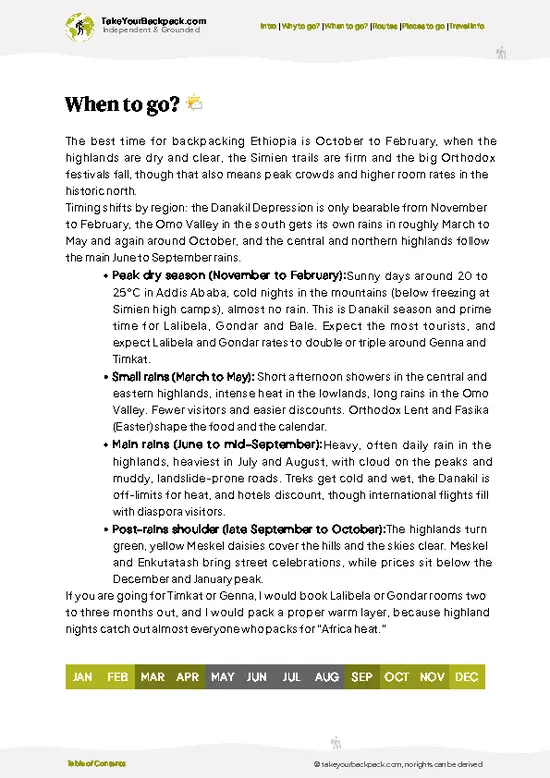
Royal Enclosure (Fasil Ghebbi)
This is Gondar’s heavyweight: a walled compound of castles, lion cages, and banquet halls that once housed emperors and their courts. You’re not just looking at ruins—you’re walking through the seat of Ethiopian power from the 17th century, with architecture that fuses Portuguese, Indian, and local influences. The site is sprawling, so give yourself 2-3 hours to wander, climb towers, and let your imagination fill in the royal intrigue. Entry is around 200-300 birr. Go early in the morning to dodge the tour groups and catch the soft light on the stonework.
Debre Berhan Selassie Church
If you see only one church in Gondar, make it this one. The outside is modest, but step inside and you’re hit with a ceiling of painted angels—hundreds of them, wide-eyed and serene, … read more 👉
This is Gondar’s heavyweight: a walled compound of castles, lion cages, and banquet halls that once housed emperors and their courts. You’re not just looking at ruins—you’re walking through the seat of Ethiopian power from the 17th century, with architecture that fuses Portuguese, Indian, and local influences. The site is sprawling, so give yourself 2-3 hours to wander, climb towers, and let your imagination fill in the royal intrigue. Entry is around 200-300 birr. Go early in the morning to dodge the tour groups and catch the soft light on the stonework.
Debre Berhan Selassie Church
If you see only one church in Gondar, make it this one. The outside is modest, but step inside and you’re hit with a ceiling of painted angels—hundreds of them, wide-eyed and serene, … read more 👉
Royal Enclosure (Fasil Ghebbi)
This is Gondar’s heavyweight: a walled compound of castles, lion cages, and banquet halls that once housed emperors and their courts. You’re not just looking at ruins—you’re walking through the seat of Ethiopian power from the 17th century, with architecture that fuses Portuguese, Indian, and local influences. The site is sprawling, so give yourself 2-3 hours to wander, climb towers, and let your imagination fill in the royal intrigue. Entry is around 200-300 birr. Go early in the morning to dodge the tour groups and catch the soft light on the stonework.
Debre Berhan Selassie Church
If you see only one church in Gondar, make it this one. The outside is modest, but step inside and you’re hit with a ceiling of painted angels—hundreds of them, wide-eyed and serene, staring down from every inch. The murals are a masterclass in Ethiopian Orthodox art, and the church survived a Mahdist attack thanks to local legend (and, supposedly, a swarm of bees). Entry is about 100 birr. Late morning is best for light and fewer crowds; 30-45 minutes is enough unless you want to linger and sketch.
Fasilides’ Bath
This isn’t just a pool—it’s the stage for Timkat, Ethiopia’s most dramatic festival, when priests bless the waters and crowds leap in. The rest of the year, it’s a peaceful, mossy enclosure with ancient fig trees and a sense of quiet grandeur. Entry is 50-100 birr. You only need 30 minutes, unless you’re lucky enough to visit during Timkat (January 19th), when the place transforms into a living ritual.
Gondar Market (Ketema Market)
Skip the sanitized souvenir shops and dive into the real commerce of Gondar. This is where you’ll see everything from spices to livestock, and the rhythm of daily life is on full display. It’s chaotic, noisy, and a sensory overload—in the best way. Free to enter, but bring small bills if you want to buy anything. Go in the morning for peak activity. Give yourself 45 minutes to an hour, and keep your valuables close.
Qusquam Monastery
A quieter, less-visited site with a tangled history. Built by Empress Mentewab, this monastery is part palace, part sanctuary, and feels worlds away from the city bustle. The grounds are atmospheric, with crumbling walls and a sense of faded grandeur. Entry is about 50 birr. Late afternoon is ideal for golden light and solitude. Plan for 45 minutes to an hour.
Ploughshare Women’s Crafts Training Centre
For a different slice of Gondar, visit this cooperative where women produce traditional crafts—pottery, weaving, and more. It’s not just a shop; you can see the artisans at work, ask questions, and support a project with real social impact. Entry is free, but you’ll want to budget for a souvenir. Open during business hours; 30-45 minutes is plenty.
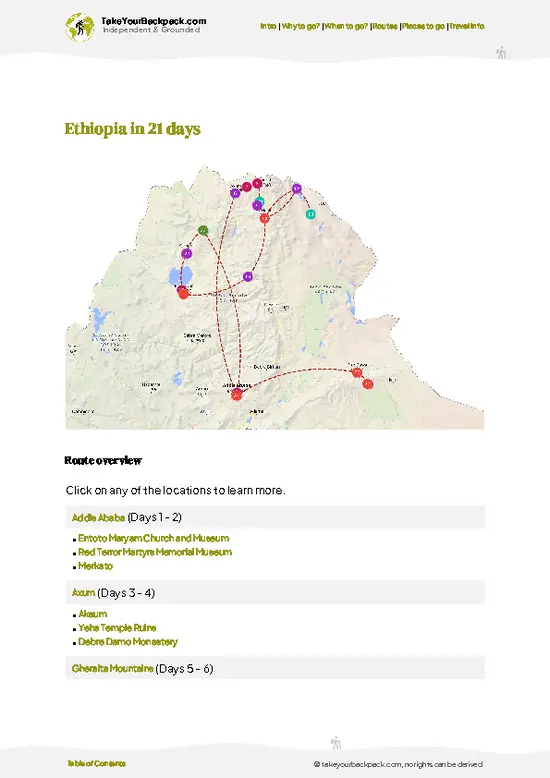
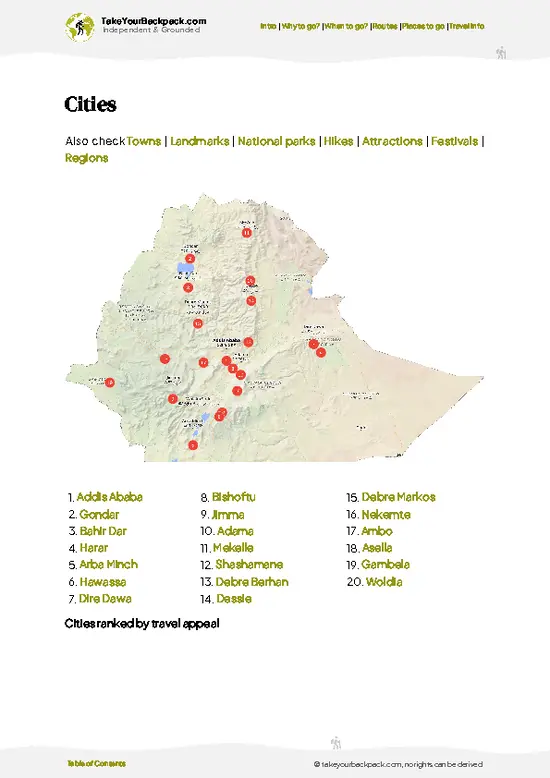
Gondar is your launchpad for day trips to Simien Mountains National Park (my personal favorite for sheer drama), the ancient Jewish village of Wolleka, and the atmospheric ruins of Kuskuam. Each offers a different flavor of northern Ethiopia, just outside the city’s reach.
This is Gondar’s heavyweight: a walled compound of castles, lion cages, and banquet halls that once housed emperors and their courts. You’re not just looking at ruins—you’re walking through the seat of Ethiopian power from the 17th century, with architecture that fuses Portuguese, Indian, and local influences. The site is sprawling, so give yourself 2-3 hours to wander, climb towers, and let your imagination fill in the royal intrigue. Entry is around 200-300 birr. Go early in the morning to dodge the tour groups and catch the soft light on the stonework.
Debre Berhan Selassie Church
If you see only one church in Gondar, make it this one. The outside is modest, but step inside and you’re hit with a ceiling of painted angels—hundreds of them, wide-eyed and serene, staring down from every inch. The murals are a masterclass in Ethiopian Orthodox art, and the church survived a Mahdist attack thanks to local legend (and, supposedly, a swarm of bees). Entry is about 100 birr. Late morning is best for light and fewer crowds; 30-45 minutes is enough unless you want to linger and sketch.
Fasilides’ Bath
This isn’t just a pool—it’s the stage for Timkat, Ethiopia’s most dramatic festival, when priests bless the waters and crowds leap in. The rest of the year, it’s a peaceful, mossy enclosure with ancient fig trees and a sense of quiet grandeur. Entry is 50-100 birr. You only need 30 minutes, unless you’re lucky enough to visit during Timkat (January 19th), when the place transforms into a living ritual.
Gondar Market (Ketema Market)
Skip the sanitized souvenir shops and dive into the real commerce of Gondar. This is where you’ll see everything from spices to livestock, and the rhythm of daily life is on full display. It’s chaotic, noisy, and a sensory overload—in the best way. Free to enter, but bring small bills if you want to buy anything. Go in the morning for peak activity. Give yourself 45 minutes to an hour, and keep your valuables close.
Qusquam Monastery
A quieter, less-visited site with a tangled history. Built by Empress Mentewab, this monastery is part palace, part sanctuary, and feels worlds away from the city bustle. The grounds are atmospheric, with crumbling walls and a sense of faded grandeur. Entry is about 50 birr. Late afternoon is ideal for golden light and solitude. Plan for 45 minutes to an hour.
Ploughshare Women’s Crafts Training Centre
For a different slice of Gondar, visit this cooperative where women produce traditional crafts—pottery, weaving, and more. It’s not just a shop; you can see the artisans at work, ask questions, and support a project with real social impact. Entry is free, but you’ll want to budget for a souvenir. Open during business hours; 30-45 minutes is plenty.
Gondar is your launchpad for day trips to Simien Mountains National Park (my personal favorite for sheer drama), the ancient Jewish village of Wolleka, and the atmospheric ruins of Kuskuam. Each offers a different flavor of northern Ethiopia, just outside the city’s reach.
Spotted a mistake or missing something? Contact us.
v2.webp)


Best Backpacking
Hi, I’m Johan (Netherlands 🇳🇱), the creator of TakeYourBackpack. Over the past decade, I’ve backpacked through 80+ countries across six continents, gaining extensive experience with independent travel, long-term trips, and overland routes.