×

Ethiopia🇪🇹 | townsHosaenaApostolic church, Hadiya culture, agricultural center | things to do and best time to go

Explore DillaExplore Metu

Backpacking in Hosaena
👌 Worth visitingtown ranked #11
By Johan Kruseman 🇳🇱 | Updated June 19, 2026

Steam rises from your coffee as the morning chill clings to the air, the scent of roasting barley drifting from a nearby stall, and the low hum of Amharic voices weaving through Hosaena’s main street. You’re in southern Ethiopia, halfway between Addis Ababa and the wild green sweep of the Omo Valley. Hosaena isn’t a destination that dazzles on arrival—it’s a practical, lived-in town, more crossroads than crown jewel. For backpackers, it’s a launchpad: buses fan out to Kembata hills, Aleta Wendo’s coffee country, or the tribal heartlands further south. The market is lively but not overwhelming, and the town’s rhythm is slow—think early nights, a handful of guesthouses, and the kind of local eateries where you’ll be the only foreigner. It’s walkable, safe by rural Ethiopian standards, and cheaper than the tourist-magnet towns, but don’t expect hostels or a built-in backpacker scene. Compared to Arba Minch or Sodo, Hosaena is quieter, less scenic, but far more authentic—a place where the journey feels real, and the rewards are subtle.

Discover everything you want to know in the 📖 Ethiopia Travel Guide.
Safety warning

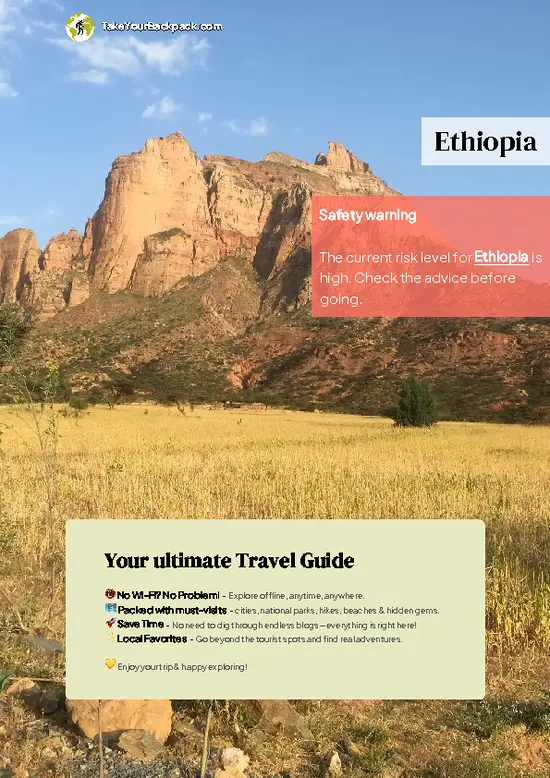
The current risk level for Ethiopia is high. Check the advice before going.


Get your Ethiopia guide
101 ranked highlights, routes & tips, works offline (395 pages)
Loading the map 🌍
CLICK TO FILTER
cities
towns
landmarks
national parks
hikes
attractions
festivals
regions
SHOW COUNTRY’S BESTSHOW ALL

✨ Why go?
Ranked #11 town in Ethiopia
Why Hosaena should be on your travel list

Hosaena serves as a gateway for backpackers exploring Ethiopia’s rich landscapes and culture. Its proximity to stunning hikes in the Bale Mountains makes it a strategic stop for those seeking adventure. The local guesthouses offer a cozy, intimate vibe, perfect for solo travelers or small groups looking to connect. Streets are walkable, lined with vendors selling aromatic injera and fresh coffee, inviting you to linger over meals and chat with locals.

While some pass through quickly, many find themselves staying a few days to soak in the friendly atmosphere and explore nearby cultural sites. Hosaena isn’t a party hub; it’s a place for slow travelers who appreciate the journey as much as the destination. If you’re after a blend of nature and community, this town is a rewarding stop on your Ethiopian adventure.
Want to include Hosaena in your Ethiopia route?
Create a personalized Ethiopia itinerary that includes Hosaena and the places that fit your trip — based on your travel style, budget, and available time. Get your route in seconds.

Generate my trip

💡 HighlightsWhat this place is best known for

  • Wachemo (Wachamo) University campus — The city’s biggest landmark and a lively place to walk around: students, simple coffee spots, and campus buildings that reflect modern Hosaena life. Good for seeing local youth culture and grabbing an inexpensive meal while watching campus life roll by.
  • Hosaena Main Market (the central weekly market) — Bustling, colorful, and utterly local: fresh produce, coffee, spices, clothing and bartering. Visiting during market day gives a true feel for daily commerce, Hadiya food staples, and the rhythms of the town.
  • Hosaena Municipal Stadium — The local sports and events hub where football matches and community celebrations happen. A match or public event is a solid way to mingle with locals and catch contemporary culture in action.
  • Hadiya cultural spots in
read more 👉
  • Wachemo (Wachamo) University campus — The city’s biggest landmark and a lively place to walk around: students, simple coffee spots, and campus buildings that reflect modern Hosaena life. Good for seeing local youth culture and grabbing an inexpensive meal while watching campus life roll by.
  • Hosaena Main Market (the central weekly market) — Bustling, colorful, and utterly local: fresh produce, coffee, spices, clothing and bartering. Visiting during market day gives a true feel for daily commerce, Hadiya food staples, and the rhythms of the town.
  • Hosaena Municipal Stadium — The local sports and events hub where football matches and community celebrations happen. A match or public event is a solid way to mingle with locals and catch contemporary culture in action.
  • Hadiya cultural spots in town (community centers and church gatherings) — Scattered community halls and active church compounds in Hosaena host music, dance and ceremonies tied to Hadiya identity. Drop into an open event or Sunday service to hear traditional singing and see communal life up close.
A few real, visitable highlights just outside Hosaena that make easy day trips: Butajira (Gurage markets and traditional craft villages), Lake Ziway (lakeshore birdlife and fishing communities), and the highland Hadiya villages for hands-on cultural visits — my personal favorite for a day trip is Butajira.
Spotted a mistake or missing something? Contact us.
🏘️ NeighborhoodsKey areas and districts to know

Hosaena is a vibrant hub in Ethiopia, offering a mix of culture, convenience, and local charm. Here’s how to navigate its neighborhoods like a pro:

Downtown Hosaena
This is the beating heart of the town. Bustling markets, street vendors, and cafes fill the air with the aroma of fresh coffee and spices. It’s walkable, making it easy to explore on foot. Expect a lively atmosphere, especially in the evenings when locals gather. Perfect for short stays, but the noise might wear on you if you linger too long.

Gurage Zone
A bit quieter, this area is known for its traditional architecture and local eateries. The vibe is more laid-back, ideal for those wanting to soak in the culture without the chaos. It’s still accessible by foot, but public transport options are nearby for longer excursions. … read more 👉
Hosaena is a vibrant hub in Ethiopia, offering a mix of culture, convenience, and local charm. Here’s how to navigate its neighborhoods like a pro:

Downtown Hosaena
This is the beating heart of the town. Bustling markets, street vendors, and cafes fill the air with the aroma of fresh coffee and spices. It’s walkable, making it easy to explore on foot. Expect a lively atmosphere, especially in the evenings when locals gather. Perfect for short stays, but the noise might wear on you if you linger too long.

Gurage Zone
A bit quieter, this area is known for its traditional architecture and local eateries. The vibe is more laid-back, ideal for those wanting to soak in the culture without the chaos. It’s still accessible by foot, but public transport options are nearby for longer excursions. Great for longer stays if you prefer a slower pace.

Shashemene Road
This stretch is where you’ll find budget accommodations and hostels. The nightlife is minimal, but the local bars offer a taste of Ethiopian beer and music. It’s a good base for backpackers on a budget, with easy transport links to nearby attractions. Perfect for those looking to meet fellow travelers while keeping costs low.

⌛️ 1 dayA smart one-day plan

Hosaena, Ethiopia, is a vibrant town where the pulse of local life beats strong. It’s not just a stopover; it’s a canvas of culture, with bustling markets and the scent of fresh injera wafting through the air. The backdrop of rolling hills adds a serene touch, making it a perfect spot to dive into authentic Ethiopian life.

Start your morning at the local market, where the colors of spices and textiles pop against the earthy tones of the town. Engage with vendors; their smiles are as warm as the sun rising over the hills. Grab a cup of buna (Ethiopian coffee) from a nearby stall. The rich aroma will kickstart your day and connect you to the local ritual of coffee-making.

In the afternoon, head to the nearby Gamo Gofa region. It’s a bit off the beaten path, but the lush landscapes and traditional … read more 👉
Hosaena, Ethiopia, is a vibrant town where the pulse of local life beats strong. It’s not just a stopover; it’s a canvas of culture, with bustling markets and the scent of fresh injera wafting through the air. The backdrop of rolling hills adds a serene touch, making it a perfect spot to dive into authentic Ethiopian life.

Start your morning at the local market, where the colors of spices and textiles pop against the earthy tones of the town. Engage with vendors; their smiles are as warm as the sun rising over the hills. Grab a cup of buna (Ethiopian coffee) from a nearby stall. The rich aroma will kickstart your day and connect you to the local ritual of coffee-making.

In the afternoon, head to the nearby Gamo Gofa region. It’s a bit off the beaten path, but the lush landscapes and traditional villages are worth the trek. You might stumble upon a community gathering, where the laughter and music create a lively atmosphere. This is where you can truly feel the heart of Hosaena.

As evening approaches, return to the town center. Find a local eatery and indulge in a plate of doro wat, the spicy chicken stew that’s a staple here. The flavors are bold, just like the people. After dinner, take a leisurely stroll through the streets, where the golden light casts long shadows, and the sounds of evening chatter fill the air. This is Hosaena—raw, real, and waiting for you to explore.
Turn your Hosaena visit into an Ethiopia adventure
Build a complete Ethiopia route with Hosaena, hidden gems, must-see destinations, and realistic travel times included.

Generate my trip

🌤️ When to go?Choosing the right time of year


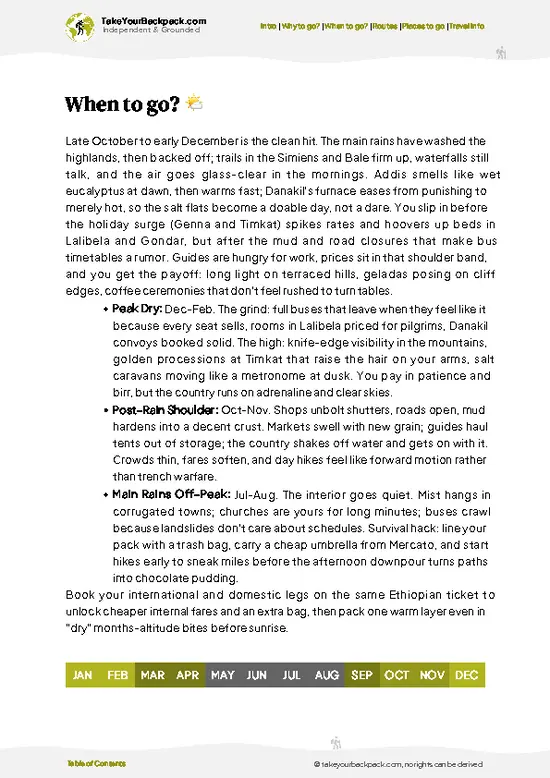
  • Weather: Hosaena’s climate swings between a wet season from June to September and a dry season from October to May. The dry months offer clearer skies and less mud, making trails and roads easier to navigate.

  • Temperature: Expect daytime highs around 22-26°C (72-79°F) in the dry season, with cooler nights dipping to 10-14°C (50-57°F). The wet season is slightly warmer but stickier, which can sap your energy on hikes.

  • Daylight Hours: Near the equator, daylight stays steady year-round, roughly 12 hours. This consistency means you can plan your days without worrying about early sunsets or long twilights.

  • Crowds: Tourist traffic is minimal year-round, but the dry season draws a few more visitors, especially local travelers. You’ll still find plenty of quiet moments to soak in the atmosphere.
read more 👉

  • Weather: Hosaena’s climate swings between a wet season from June to September and a dry season from October to May. The dry months offer clearer skies and less mud, making trails and roads easier to navigate.

  • Temperature: Expect daytime highs around 22-26°C (72-79°F) in the dry season, with cooler nights dipping to 10-14°C (50-57°F). The wet season is slightly warmer but stickier, which can sap your energy on hikes.

  • Daylight Hours: Near the equator, daylight stays steady year-round, roughly 12 hours. This consistency means you can plan your days without worrying about early sunsets or long twilights.

  • Crowds: Tourist traffic is minimal year-round, but the dry season draws a few more visitors, especially local travelers. You’ll still find plenty of quiet moments to soak in the atmosphere.

  • Seasonal Activities: Dry months are best for trekking and exploring local markets, while the wet season brings lush greenery and vibrant birdlife, though some trails may be slippery or closed.

  • Price Fluctuations: Accommodation and transport prices dip slightly during the wet season due to lower demand, but the trade-off is dealing with rain and less reliable road conditions.


Pro-tip: Aim for late October to early December—post-rain freshness, manageable temperatures, and quiet streets make for a backpacker’s sweet spot in Hosaena.


source: climatestotravel.comJANJanuary: excellent for travelingFEBFebruary: excellent for travelingMARMarch: excellent for travelingAPRApril: excellent for travelingMAYMay: highly recommended for travelingJUNJune: fair for travelingJULJuly: fair for travelingAUGAugust: fair for travelingSEPSeptember: fair for travelingOCTOctober: excellent for travelingNOVNovember: excellent for travelingDECDecember: highly recommended for traveling
ethiopia-city-hosaena
© Google |

✈️ The backpacker research shortcutEthiopia Travel Guide

An offline-friendly backpacking guide with optimized travel routes, ranked highlights, transport advice, and the best areas to stay.
example page 0 from our offline Travel Guide for Ethiopia
example page 1 from our offline Travel Guide for Ethiopia
example page 2 from our offline Travel Guide for Ethiopia
example page 3 from our offline Travel Guide for Ethiopia
example page 4 from our offline Travel Guide for Ethiopia
example page 5 from our offline Travel Guide for Ethiopia
example page 6 from our offline Travel Guide for Ethiopia
example page 7 from our offline Travel Guide for Ethiopia
The digital guide (395 pages) contains:
101 highlights, ranked by travel appeal
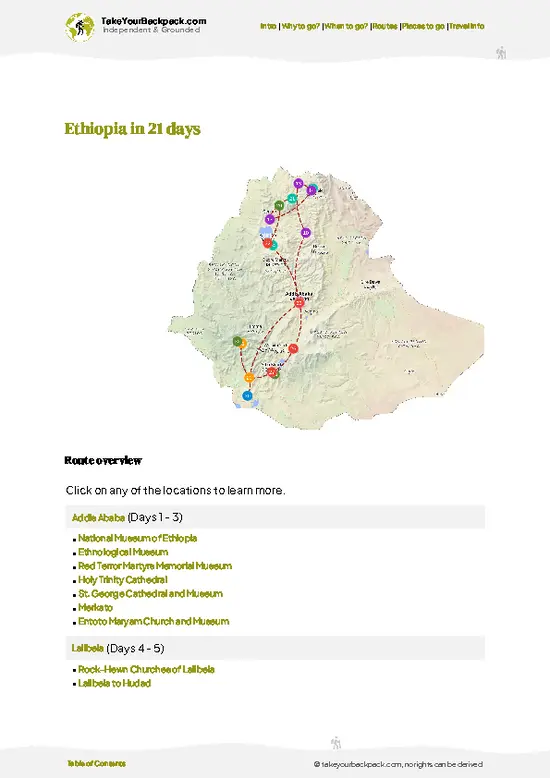
Optimized 7, 14 & 21-day travel routes
Cities, national parks, landmarks, beaches
How to get around
Offline-friendly for travel without Wi-Fi
👉 Click to see all 30+ guide features

📅 Plan smarter in minutes, not weeks
Month by month travel advice
Festivals & national holidays
Budget expectations

🗺️ Go to the right places, skip the overrated ones
Honest pros & cons of destinations
Top hikes, parks & viewpoints
Lesser-known places most travelers miss
Clear “worth it vs skip it” guidance

🛏️ Travel smoothly without rookie mistakes
Best areas to stay
Transport systems explained simply
Common scams & safety advice
SIM cards, money & practical tips

🌍 Understand the country, not just visit it
Culture & traditions
52 Essential phrases & customs
Festivals worth planning around
Traveler-friendly historical context
Insights that make places more meaningful

📱 Built for real travel conditions
Fully downloadable PDF
Works completely offline
Optimized for phone use
Useful in remote areas & buses
Everything in one place
Save weeks of stressful planning
Get instant access to your full guide. 30‑day money-back guarantee.


By proceeding you agree to our terms.
Sent to your inbox immediately after payment • 100% Secure Checkout
Best Backpacking Travel Advisor 2025 tourism awardBest Backpacking
Travel Advisor
2025
What others say about Take Your Backpack Guides:
⭐⭐⭐⭐⭐
Fantastic, amazing amount of information!
⭐⭐⭐⭐⭐
My goodness this is amazing, it's what I've been looking for hats off too you!
⭐⭐⭐⭐⭐
I think this is absolutely BRILLIANT
⭐⭐⭐⭐
Very complete and informative. It's still missing places, but I gotta to commend you
⭐⭐⭐⭐⭐
This is truly amazing, thank you, can't wait to explore it with my kids!
⭐⭐⭐⭐⭐
Awesome resource, thank you!
⭐⭐⭐⭐⭐
This is amazing! Can't wait to explore the ones I haven't seen
⭐⭐⭐⭐
I love this! Well done, great idea.
⭐⭐⭐⭐⭐
Thanks for taking the time to make this gem!
⭐⭐⭐⭐⭐
This might be the best website I've ever seen.
⭐⭐⭐⭐⭐
Congratulations, and thank you so much for your work; it's incredibly valuable.
⭐⭐⭐⭐
In all seriousness I think you did a great job pointing out the important spots
⭐⭐⭐⭐⭐
10/10 very good
⭐⭐⭐⭐⭐
As someone who's only just starting to visit regularly this is awesome, thank you.
⭐⭐⭐⭐
Thank you very much! I'm going to visit my dad, it's going to be very useful!
⭐⭐⭐⭐⭐
This is really cool! We'll be travelling for the first time and this definitely come in handy.
⭐⭐⭐⭐⭐
You are now our minister of culture, congratulations 👨‍💼
⭐⭐⭐⭐⭐
Just wanted to tell you that this is a pearl! Going to follow your recommendations.
⭐⭐⭐⭐⭐
This is so cool. I'll definitely be using the resource for my travels soon.
⭐⭐⭐⭐⭐
This is very impressive! Good work.
⭐⭐⭐⭐⭐
This is an amazing and informative site. Very well done!

🛏️ Where to stay?Best areas and accommodation options

In Hosaena, the heart of the action for backpackers pulses around the central market district and the nearby main road corridors. This area is your best bet for safety and social energy—streets here hum with vendors, locals, and fellow travelers, creating a lively backdrop that’s far from the isolating quiet of outlying neighborhoods. The market’s scent of fresh spices and roasted coffee spills into the air, grounding you in the everyday rhythm of the town.

Hostels and budget guesthouses cluster here, offering simple but clean lodgings where you can swap stories with other solo travelers over … read more 👉
In Hosaena, the heart of the action for backpackers pulses around the central market district and the nearby main road corridors. This area is your best bet for safety and social energy—streets here hum with vendors, locals, and fellow travelers, creating a lively backdrop that’s far from the isolating quiet of outlying neighborhoods. The market’s scent of fresh spices and roasted coffee spills into the air, grounding you in the everyday rhythm of the town.

Hostels and budget guesthouses cluster here, offering simple but clean lodgings where you can swap stories with other solo travelers over shared meals or morning coffee. Compared to the quieter residential zones, this central stretch keeps you plugged into Hosaena’s pulse without the hassle of long commutes or sketchy side streets. It’s a practical choice that rewards you with easy access to transport, food stalls, and the kind of spontaneous encounters that turn a trip from a checklist into a lived experience.

🚌 Getting aroundTransportation options and practical tips

Hosaena moves at its own rhythm—neither frantic nor sluggish, but a steady pulse that matches the dusty roads and sun-warmed stone buildings. The air carries the faint scent of roasted coffee beans and fresh injera from street vendors, blending with the occasional honk of a bajaj weaving through narrow alleys. Here, schedules are more of a guideline than a rule. You’ll find that timing your transit is less about catching a precise minute and more about reading the flow of people and vehicles, which can be chaotic but never random. The town’s layout encourages walking, but when you need to cover ground, the transit options are straightforward and wallet-friendly, designed for locals more than tourists—which means you get an authentic, no-frills experience.


  • Walking: The best way to soak
read more 👉
Hosaena moves at its own rhythm—neither frantic nor sluggish, but a steady pulse that matches the dusty roads and sun-warmed stone buildings. The air carries the faint scent of roasted coffee beans and fresh injera from street vendors, blending with the occasional honk of a bajaj weaving through narrow alleys. Here, schedules are more of a guideline than a rule. You’ll find that timing your transit is less about catching a precise minute and more about reading the flow of people and vehicles, which can be chaotic but never random. The town’s layout encourages walking, but when you need to cover ground, the transit options are straightforward and wallet-friendly, designed for locals more than tourists—which means you get an authentic, no-frills experience.


  • Walking: The best way to soak in Hosaena’s atmosphere. Most key spots are within a 20-30 minute stroll, letting you catch the morning light filtering through acacia trees and the lively chatter of market sellers. Zero cost, full immersion.

  • Bajaj (Auto Rickshaw): Runs from dawn until dusk, roughly 6 AM to 7 PM. Expect to pay about 10-20 ETB for short trips within town. They’re nimble, perfect for navigating narrow streets, but can get cramped during rush hours.

  • Minibus Taxi: The backbone of local transit, minibuses run on set routes but leave only when full, so timing is flexible but unpredictable. Fares hover around 15-25 ETB depending on distance. They’re faster than bajajs on main roads but less comfortable.

  • Shared Taxis: Ideal for trips to nearby towns or outskirts, these leave once all seats are filled, usually between 6 AM and 6 PM. Prices vary from 50 to 100 ETB. They offer a balance of speed and cost but require patience for departure.

👛 Costs (as of 23 June 2026)Typical daily expenses

Backpacking through Hosaena, Ethiopia, means embracing a pace where every birr counts but the experience feels rich and grounded. Here’s what you can expect to spend daily, broken down into the essentials.
  • Dorm Accommodation: Dorm beds in Hosaena typically run between $5 and $10 USD per night. These are basic but clean guesthouses or small hostels where you’ll share a room with other travelers or locals. Expect simple bedding and a fan or open windows rather than air conditioning.
  • Meals: Local meals are affordable and filling. A typical breakfast or lunch might cost you $1 to $2 USD, often consisting of injera (a sourdough flatbread) with lentils or vegetables. Dinner, especially if you add some meat, can push the cost to around $3 to $5 USD. Street food and small eateries dominate, so fresh,
read more 👉
Backpacking through Hosaena, Ethiopia, means embracing a pace where every birr counts but the experience feels rich and grounded. Here’s what you can expect to spend daily, broken down into the essentials.
  • Dorm Accommodation: Dorm beds in Hosaena typically run between $5 and $10 USD per night. These are basic but clean guesthouses or small hostels where you’ll share a room with other travelers or locals. Expect simple bedding and a fan or open windows rather than air conditioning.
  • Meals: Local meals are affordable and filling. A typical breakfast or lunch might cost you $1 to $2 USD, often consisting of injera (a sourdough flatbread) with lentils or vegetables. Dinner, especially if you add some meat, can push the cost to around $3 to $5 USD. Street food and small eateries dominate, so fresh, local flavors are the norm.
  • Local Transport: Getting around Hosaena is mostly on foot or by minibus taxis, which are the lifeline of local transport. A short ride will cost about $0.20 to $0.50 USD. If you’re heading out to nearby villages or markets, budget $1 to $2 USD for a round trip. The slow pace means you’ll often walk, soaking in the town’s atmosphere.
  • Basic Activities/Entry Fees: Hosaena isn’t packed with tourist traps, so entry fees are minimal or nonexistent. Visiting local markets, churches, or cultural sites usually costs under $1 USD, if anything. This low barrier lets you explore without worrying about breaking the bank.
  • Miscellaneous Expenses: Think bottled water, snacks, or a SIM card for your phone. Bottled water runs about $0.50 USD, and a local SIM with data might set you back $5 to $10 USD for a decent package lasting several days. Small tips or occasional treats add a few dollars here and there.

All told, you’re looking at roughly $10 to $20 USD per day to cover the basics in Hosaena. This range gives you flexibility—lean in for the bare essentials or add a few comforts without stretching your budget. The town’s quiet rhythm and straightforward costs mean you can focus on the people and places rather than the price tag.


source: ethiopia.travel
⚠️ Prices can change and everyone travels differently, so take this as a rough guide. Hope it helps you plan your adventure!

🚌 Day tripsWhere to go beyond the main area

Hosaena is a fantastic base for exploring the rich tapestry of Ethiopia’s landscapes and cultures. With its central location, you can easily dive into some truly rewarding day trips that offer a taste of the country’s diverse beauty.

Trip to the Bale Mountains
A trek into the Bale Mountains National Park is a must. The crisp mountain air fills your lungs as you hike through lush forests and open grasslands. Keep an eye out for the endemic Ethiopian wolf, a rare sight that makes the journey worthwhile. It’s about a three-hour drive from Hosaena, and you can expect to spend around $10 on transport. The best time to visit is during the dry season, from October to March. A common mistake? Underestimating the chill at higher altitudes—bring layers!
👉 Explore Bale Mountains

Trip to the Rock-Hewn read more 👉
Hosaena is a fantastic base for exploring the rich tapestry of Ethiopia’s landscapes and cultures. With its central location, you can easily dive into some truly rewarding day trips that offer a taste of the country’s diverse beauty.

Trip to the Bale Mountains
A trek into the Bale Mountains National Park is a must. The crisp mountain air fills your lungs as you hike through lush forests and open grasslands. Keep an eye out for the endemic Ethiopian wolf, a rare sight that makes the journey worthwhile. It’s about a three-hour drive from Hosaena, and you can expect to spend around $10 on transport. The best time to visit is during the dry season, from October to March. A common mistake? Underestimating the chill at higher altitudes—bring layers!
👉 Explore Bale Mountains

Trip to the Rock-Hewn Churches of Lalibela
While a bit further afield, the Rock-Hewn Churches of Lalibela are a breathtaking testament to Ethiopia’s history. The journey takes around five hours, but the sight of these ancient structures carved from solid rock is worth every minute. Budget about $20 for a shared taxi. Aim for the early morning to beat the crowds and soak in the spiritual atmosphere. Many first-timers overlook the local guides who can enrich your experience with stories and insights.
👉 Explore Lalibela

Trip to the Konso Cultural Landscape
The Konso Cultural Landscape is a UNESCO World Heritage site that showcases terraced farming and unique wooden totems. It’s about a two-hour drive, and you can get there for around $15. Visit during the harvest season, when the fields are alive with color and activity. A common pitfall is rushing through without engaging with the locals; their stories add depth to the experience.
👉 Explore Konso Cultural Landscape

Trip to Lake Awassa
A day at Lake Awassa offers a serene escape. The lake is just an hour away, and you can enjoy fresh fish at local eateries for about $5. Early mornings are best for birdwatching, with pelicans and herons dotting the shoreline. First-timers often miss the vibrant fish market—arrive early to witness the hustle and bustle.
Want to know what more Ethiopia offers?
The Ethiopia Travel Guide describes 101 highlights, from cities to national parks, from beaches to hikes

Get the Travel Guide -

🛡️ SafetyStaying Safe: What Travelers Should Know

Hosaena is generally safe, but a few practical tips can enhance your experience. Stay aware in crowded markets; pickpockets can be crafty. When wandering solo, especially after dark, stick to well-lit areas and avoid empty streets. The locals are friendly, but it’s wise to keep your belongings close.

Common scams are rare, but be cautious of overly eager guides offering unsolicited help. Politely decline and trust your instincts.

Annoyances might include occasional power outages or erratic internet, so download maps and info ahead of time. Embrace the rhythm of the town; patience goes a long way. By staying alert and grounded, you’ll navigate Hosaena with ease and confidence.

Other Ethiopian towns near Hosaena

Explore more nearby:

  • Ziway—Lake Ziway, island monasteries, fish restaurants| 104 km away
  • Dilla—coffee farms, stelae fields, southern crossroads| 136 km away
  • Bonga—Kaffa highlands, rainforest trails, wild coffee origin| 180 km away

💡 Not sure where to go next?
Create a personalized itinerary for Ethiopia including Hosaena and the places that fit your trip.

Generate my itinerary

👉 Discover all towns

Or checkout all Ethiopia has to offer (think cities, towns, villages, national parks, hikes, beaches, festivals)
Country photo of Ethiopia

We 💚 feedbackWhat to keep in mind

Hosaena’s vibrant markets pulse with life, where the aroma of freshly roasted coffee mingles with the chatter of locals. It’s a place that feels authentic, a slice of Ethiopia’s heart. But be ready for the dust and the occasional power outage; it’s part of the experience. Embrace the chaos, and you’ll find a deeper connection to the culture that makes this town truly special.

✈️ When did I visit Ethiopia?
Ethiopia I visited back in October 2017. I combined the trip with a visit to Sudan. Ethiopia was a pure suprise with the magical scenery like the Danikal Depression and the Simien Mountains.

✍️ Help improve this page!
The information on this page is based on my own backpacking experience in Ethiopia, supplemented with up-to-date research and feedback from other travelers. Travel details can change, so if you notice anything outdated or incomplete, feel free to let me know.


🙋‍♂️ Give feedback

👋 Meet the founderWho’s Behind Take Your Backpack?

Johan, backpacker and founder of TakeYourBackpackHi, I’m Johan (Netherlands 🇳🇱), the creator of TakeYourBackpack. Over the past decade, I’ve backpacked through 80+ countries across six continents, gaining extensive experience with independent travel, long-term trips, and overland routes.

This site is built on a combination of firsthand travel experience and carefully curated insights from other backpackers. Many guides are based on places I’ve personally visited, while others bring together tips, observations, and practical advice shared by trusted travelers I’ve met along the way.

The goal is to provide realistic, experience-driven guidance — not generic itineraries — so you can explore destinations with better context, clearer expectations, and more confidence.

Get full Ethiopia guide •
Instant download • 101 highlights • Full Offline guide