×

Ethiopia🇪🇹 | townsMetuforest edge, coffee region, Baro River | things to do and best time to go

Explore HosaenaExplore Bonga

Backpacking in Metu
👌 Worth visitingtown ranked #12
By Johan Kruseman 🇳🇱 | Updated June 22, 2026

The first real fork in the road at Metu is whether you treat it as a destination or a pit stop—because that choice shapes your whole rhythm in western Ethiopia. Metu sits in the lush, rain-soaked hills of the Oromia region, a full day’s bus ride from Jimma, and it’s the kind of town where the air smells like wet earth and roasting coffee. For backpackers, Metu is less about urban thrills and more about catching your breath before plunging into the wilds of the Gambela lowlands or the coffee forests of Illubabor. The town itself is compact, with a market that hums in the morning and quiets by dusk, a handful of basic guesthouses, and evenings that lean toward slow, not social. You won’t find hostels or a backpacker scene—just a few travelers swapping stories over injera in modest cafés. Compared to Jimma, Metu is more relaxed and less practical for resupply, but it’s a softer landing than the remote villages further west. Costs are low, but so is infrastructure; expect patchy transport and simple amenities. Safety is generally solid, but after dark, the town empties out fast. If you’re chasing scenery or solitude, Metu’s your launchpad. If you crave buzz, keep moving.

Discover everything you want to know in the 📖 Ethiopia Travel Guide.
Safety warning

The current risk level for Ethiopia is high. Check the advice before going.


Get your Ethiopia guide
101 ranked highlights, routes & tips, works offline (395 pages)
Loading the map 🌍
CLICK TO FILTER
cities
towns
landmarks
national parks
hikes
attractions
festivals
regions
SHOW COUNTRY’S BESTSHOW ALL

✨ Why go?
Ranked #12 town in Ethiopia
What makes this town worth visiting

Metu serves as a gateway for backpackers exploring Ethiopia’s lush highlands and nearby hikes. The town’s walkable streets make it easy to navigate, with small-scale guesthouses and hostels offering a cozy, communal vibe. You’ll find locals serving up hearty traditional meals that fill the air with the rich scent of spices, inviting you to linger over a plate of injera.

While some travelers pass through quickly, many choose to stay a few days, soaking in the friendly atmosphere and connecting with fellow adventurers. It’s ideal for slow travelers and hikers who appreciate a blend of culture and nature. The pace is relaxed, making it a perfect spot for solo wanderers or small groups seeking a genuine Ethiopian experience without the distractions of a bustling nightlife.
Want to include Metu in your Ethiopia route?
Create a personalized Ethiopia itinerary that includes Metu and the places that fit your trip — based on your travel style, budget, and available time. Get your route in seconds.

Generate my trip

💡 HighlightsDon't-miss highlights and experiences

  • Metu Main Market — The town’s beating heart: a morning market where you’ll see sacks of fresh Arabica, spices, vegetables and handmade goods stacked against timber stalls. Walking the lanes gives a real feel for daily life, great street photography, and the chance to buy roasted beans straight from local traders.
  • Local Coffee Cooperatives & Wet Mills — Metu is surrounded by small producers and cooperative washing stations inside the town limits; visiting one shows every step from cherry to parchment. You’ll hear the farmers’ stories, watch fermentation and drying racks, and taste green- and freshly-roasted samples you can’t get anywhere else.
  • Cafés and Live Coffee Ceremonies — Small cafés and household ceremonies in Metu serve the town’s coffee culture up close: traditional three-round
read more 👉
  • Metu Main Market — The town’s beating heart: a morning market where you’ll see sacks of fresh Arabica, spices, vegetables and handmade goods stacked against timber stalls. Walking the lanes gives a real feel for daily life, great street photography, and the chance to buy roasted beans straight from local traders.
  • Local Coffee Cooperatives & Wet Mills — Metu is surrounded by small producers and cooperative washing stations inside the town limits; visiting one shows every step from cherry to parchment. You’ll hear the farmers’ stories, watch fermentation and drying racks, and taste green- and freshly-roasted samples you can’t get anywhere else.
  • Cafés and Live Coffee Ceremonies — Small cafés and household ceremonies in Metu serve the town’s coffee culture up close: traditional three-round brews, incense, roasting over a pan and communal conversation. These are the best places to learn local customs and try single-origin brews at the source.
  • Metu Town Square & Marketside Eateries — The central square is where people meet, local minibuses (bajaj) shuffle passengers, and food stalls serve injera, stews and coffee with quick, no-frills hospitality. It’s the easiest place to feel the town’s rhythm and sample everyday Oromo and Amhara dishes without tourist gloss.
A few excellent day trips close to Metu are Jimma (Jimma Museum and the old palace), Bonga and the Kaffa coffee forests, and the Didessa River valley and its waterfalls — my personal favorite for a day trip is Bonga because of its coffee-forest landscapes and living coffee-history vibe.
Spotted a mistake or missing something? Contact us.
🏘️ NeighborhoodsNeighborhood guide to Metu

Metu, a vibrant town in Ethiopia, offers a mix of culture, accessibility, and local charm that can elevate your backpacking experience.

Downtown Metu: This is the heartbeat of the town. Bustling markets fill the air with the scent of spices and fresh injera. It’s walkable, with plenty of budget-friendly eateries and shops. Nightlife is low-key, perfect for winding down after a day of exploration. Ideal for short stays, you can easily access transport to nearby attractions.

Gambela Street Area: Known for its laid-back vibe, this neighborhood is quieter but still offers a taste of local life. Cafés line the streets, inviting you to sip coffee while people-watching. It’s a bit farther from transport hubs, making it better for longer stays where you can soak in the atmosphere without the rush. … read more 👉
Metu, a vibrant town in Ethiopia, offers a mix of culture, accessibility, and local charm that can elevate your backpacking experience.

Downtown Metu: This is the heartbeat of the town. Bustling markets fill the air with the scent of spices and fresh injera. It’s walkable, with plenty of budget-friendly eateries and shops. Nightlife is low-key, perfect for winding down after a day of exploration. Ideal for short stays, you can easily access transport to nearby attractions.

Gambela Street Area: Known for its laid-back vibe, this neighborhood is quieter but still offers a taste of local life. Cafés line the streets, inviting you to sip coffee while people-watching. It’s a bit farther from transport hubs, making it better for longer stays where you can soak in the atmosphere without the rush.

Metu University District: This area buzzes with youthful energy. The presence of students means affordable dining options and lively discussions in cafés. While it’s a bit chaotic, it’s a great spot for those seeking a social scene. Public transport is accessible, making it easy to explore further afield. Perfect for both short and extended visits.

⌛️ 1 day1-day itinerary for Metu

Metu, Ethiopia, is a vibrant town that pulses with the rhythm of daily life, where the air is rich with the aroma of freshly roasted coffee and the chatter of locals fills the streets. It’s a place where tradition meets the present, making it a fascinating stop for those willing to explore beyond the usual tourist paths.

Start your morning at the bustling local market in the heart of Metu. The colors of spices and textiles are a feast for the eyes, and the energy is infectious. Grab a cup of buna (Ethiopian coffee) from a nearby stall. The smoky, earthy flavor will kickstart your day. As you wander, take note of the handmade crafts; they tell stories of the artisans behind them.

In the afternoon, head to the nearby Gibe River. The lush greenery and the sound of flowing water create a serene … read more 👉
Metu, Ethiopia, is a vibrant town that pulses with the rhythm of daily life, where the air is rich with the aroma of freshly roasted coffee and the chatter of locals fills the streets. It’s a place where tradition meets the present, making it a fascinating stop for those willing to explore beyond the usual tourist paths.

Start your morning at the bustling local market in the heart of Metu. The colors of spices and textiles are a feast for the eyes, and the energy is infectious. Grab a cup of buna (Ethiopian coffee) from a nearby stall. The smoky, earthy flavor will kickstart your day. As you wander, take note of the handmade crafts; they tell stories of the artisans behind them.

In the afternoon, head to the nearby Gibe River. The lush greenery and the sound of flowing water create a serene backdrop. It’s a perfect spot for a picnic. Bring along some injera and dabo (bread) from a local bakery. While you’re there, you might spot fishermen casting their nets, a glimpse into the daily lives of the locals.

As evening approaches, stroll through the streets of the Tana neighborhood. The golden light casts a warm glow on the mud-brick houses, and the laughter of children playing fills the air. Stop by a local eatery for dinner; try the kitfo, a dish that’s both simple and rich in flavor.

Metu may not be on every travel itinerary, but its charm lies in these authentic experiences that connect you to the heart of Ethiopia.
Turn your Metu visit into an Ethiopia adventure
Build a complete Ethiopia route with Metu, hidden gems, must-see destinations, and realistic travel times included.

Generate my trip

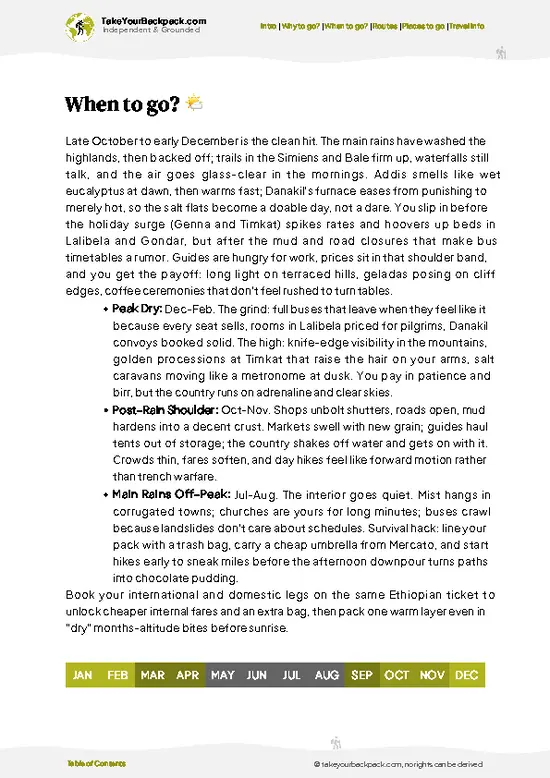
🌤️ When to go?Best time to visit Metu


  • Weather: Metu’s rainy season runs from June to September, turning trails into slippery mud baths and skies into thick gray blankets. Visit outside these months for dry, clear air that lets you breathe deep and move freely.

  • Temperature: Daytime highs hover around 25-28°C (77-82°F) in the dry season, perfect for hiking without overheating. Nights dip to 12-15°C (54-59°F), so pack a warm layer for campfires under crisp stars.

  • Daylight Hours: Near the equator, Metu enjoys roughly 12 hours of daylight year-round, but the dry season’s clearer skies make those hours feel brighter and longer, ideal for early starts and late finishes.

  • Crowds: Tourist numbers peak during the dry months, especially December to February, when the weather is most inviting. For solitude, aim for shoulder seasons
read more 👉

  • Weather: Metu’s rainy season runs from June to September, turning trails into slippery mud baths and skies into thick gray blankets. Visit outside these months for dry, clear air that lets you breathe deep and move freely.

  • Temperature: Daytime highs hover around 25-28°C (77-82°F) in the dry season, perfect for hiking without overheating. Nights dip to 12-15°C (54-59°F), so pack a warm layer for campfires under crisp stars.

  • Daylight Hours: Near the equator, Metu enjoys roughly 12 hours of daylight year-round, but the dry season’s clearer skies make those hours feel brighter and longer, ideal for early starts and late finishes.

  • Crowds: Tourist numbers peak during the dry months, especially December to February, when the weather is most inviting. For solitude, aim for shoulder seasons like March or October, when the town feels quieter and more authentic.

  • Seasonal Activities: The dry season opens up coffee farm tours and local markets in full swing, offering rich cultural immersion. The rainy season, while challenging, reveals lush green landscapes and fewer visitors, rewarding the patient traveler.

  • Price Fluctuations: Accommodation and guides hike prices in peak dry months. Booking in shoulder seasons can save you a chunk, plus you’ll snag better deals on local transport and meals.


Pro-tip: Time your visit just after the rains end—trails firm up, waterfalls roar, and the air smells like fresh earth, giving you the best of both worlds without the crowds.


source: climatestotravel.comJANJanuary: excellent for travelingFEBFebruary: excellent for travelingMARMarch: highly recommended for travelingAPRApril: highly recommended for travelingMAYMay: highly recommended for travelingJUNJune: fair for travelingJULJuly: fair for travelingAUGAugust: fair for travelingSEPSeptember: fair for travelingOCTOctober: highly recommended for travelingNOVNovember: highly recommended for travelingDECDecember: excellent for traveling
when-to-go

✈️ The backpacker research shortcutEthiopia Travel Guide

An offline-friendly backpacking guide with optimized travel routes, ranked highlights, transport advice, and the best areas to stay.
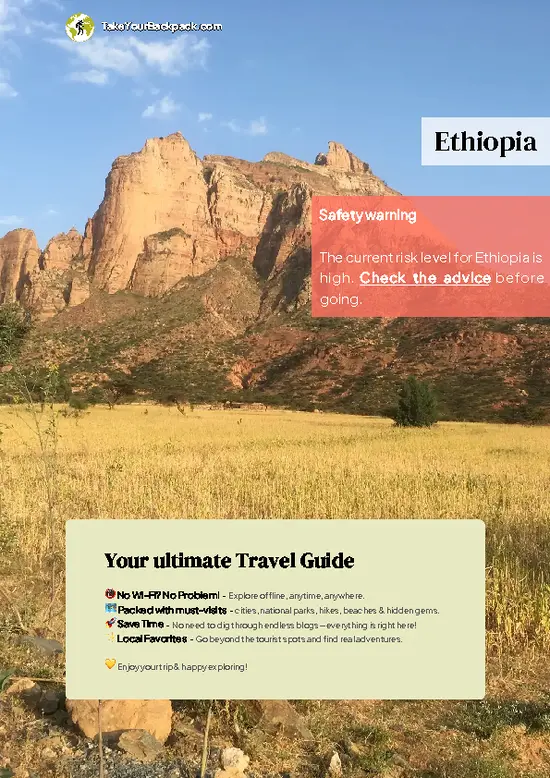
example page 0 from our offline Travel Guide for Ethiopia
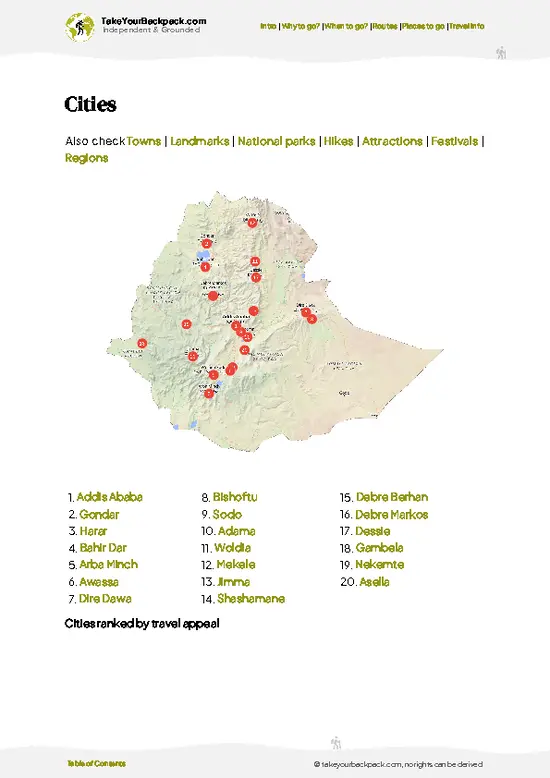
example page 1 from our offline Travel Guide for Ethiopia
example page 2 from our offline Travel Guide for Ethiopia
example page 3 from our offline Travel Guide for Ethiopia
example page 4 from our offline Travel Guide for Ethiopia
example page 5 from our offline Travel Guide for Ethiopia
example page 6 from our offline Travel Guide for Ethiopia
example page 7 from our offline Travel Guide for Ethiopia
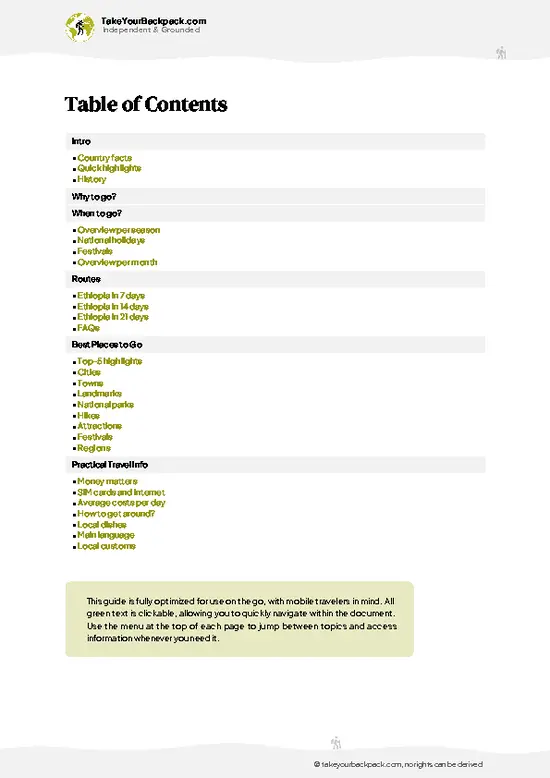
The digital guide (395 pages) contains:
101 highlights, ranked by travel appeal
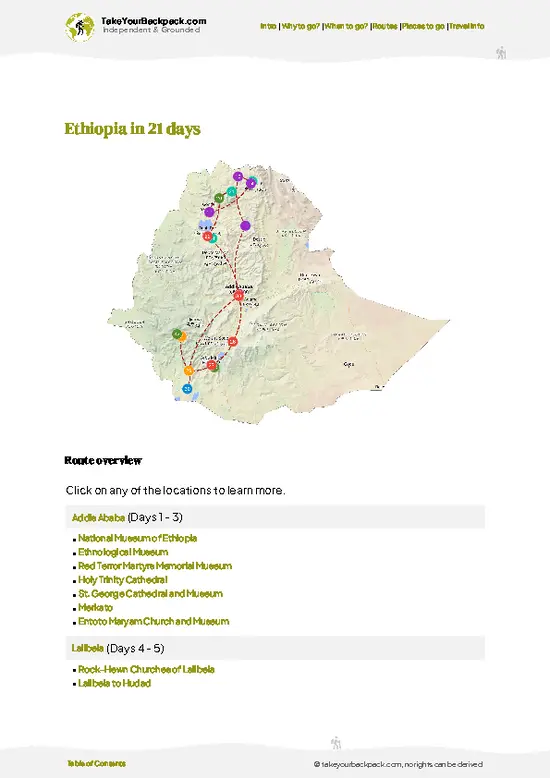
Optimized 7, 14 & 21-day travel routes
Cities, national parks, landmarks, beaches
How to get around
Offline-friendly for travel without Wi-Fi
👉 Click to see all 30+ guide features

📅 Plan smarter in minutes, not weeks
Month by month travel advice
Festivals & national holidays
Budget expectations

🗺️ Go to the right places, skip the overrated ones
Honest pros & cons of destinations
Top hikes, parks & viewpoints
Lesser-known places most travelers miss
Clear “worth it vs skip it” guidance

🛏️ Travel smoothly without rookie mistakes
Best areas to stay
Transport systems explained simply
Common scams & safety advice
SIM cards, money & practical tips

🌍 Understand the country, not just visit it
Culture & traditions
52 Essential phrases & customs
Festivals worth planning around
Traveler-friendly historical context
Insights that make places more meaningful

📱 Built for real travel conditions
Fully downloadable PDF
Works completely offline
Optimized for phone use
Useful in remote areas & buses
Everything in one place
Save weeks of stressful planning
Get instant access to your full guide. 30‑day money-back guarantee.


By proceeding you agree to our terms.
Sent to your inbox immediately after payment • 100% Secure Checkout
Best Backpacking Travel Advisor 2025 tourism awardBest Backpacking
Travel Advisor
2025
What others say about Take Your Backpack Guides:
⭐⭐⭐⭐⭐
Fantastic, amazing amount of information!
⭐⭐⭐⭐⭐
My goodness this is amazing, it's what I've been looking for hats off too you!
⭐⭐⭐⭐⭐
I think this is absolutely BRILLIANT
⭐⭐⭐⭐
Very complete and informative. It's still missing places, but I gotta to commend you
⭐⭐⭐⭐⭐
This is truly amazing, thank you, can't wait to explore it with my kids!
⭐⭐⭐⭐⭐
Awesome resource, thank you!
⭐⭐⭐⭐⭐
This is amazing! Can't wait to explore the ones I haven't seen
⭐⭐⭐⭐
I love this! Well done, great idea.
⭐⭐⭐⭐⭐
Thanks for taking the time to make this gem!
⭐⭐⭐⭐⭐
This might be the best website I've ever seen.
⭐⭐⭐⭐⭐
Congratulations, and thank you so much for your work; it's incredibly valuable.
⭐⭐⭐⭐
In all seriousness I think you did a great job pointing out the important spots
⭐⭐⭐⭐⭐
10/10 very good
⭐⭐⭐⭐⭐
As someone who's only just starting to visit regularly this is awesome, thank you.
⭐⭐⭐⭐
Thank you very much! I'm going to visit my dad, it's going to be very useful!
⭐⭐⭐⭐⭐
This is really cool! We'll be travelling for the first time and this definitely come in handy.
⭐⭐⭐⭐⭐
You are now our minister of culture, congratulations 👨‍💼
⭐⭐⭐⭐⭐
Just wanted to tell you that this is a pearl! Going to follow your recommendations.
⭐⭐⭐⭐⭐
This is so cool. I'll definitely be using the resource for my travels soon.
⭐⭐⭐⭐⭐
This is very impressive! Good work.
⭐⭐⭐⭐⭐
This is an amazing and informative site. Very well done!

🛏️ Where to stay?Best areas to stay in Ethiopia

In Metu, the heart of backpacker life pulses strongest around the central market district and the nearby university quarter. This area hums with activity from dawn, when the scent of fresh injera and coffee drifts through the air, to evening, when locals gather in small cafés and open-air spots. Staying here means you’re steps away from vibrant street life and easy access to affordable meals and transport options. It’s a safe zone, well-trodden by travelers and students alike, so you’ll find a handful of budget hostels and guesthouses that encourage social mingling without the pretense. Compared … read more 👉
In Metu, the heart of backpacker life pulses strongest around the central market district and the nearby university quarter. This area hums with activity from dawn, when the scent of fresh injera and coffee drifts through the air, to evening, when locals gather in small cafés and open-air spots. Staying here means you’re steps away from vibrant street life and easy access to affordable meals and transport options. It’s a safe zone, well-trodden by travelers and students alike, so you’ll find a handful of budget hostels and guesthouses that encourage social mingling without the pretense. Compared to the quieter, more residential outskirts, this neighborhood offers a richer sensory experience—bright morning light spilling over bustling stalls, the chatter of Amharic and Oromo blending with laughter. It’s the kind of place where you can strike up a conversation over a steaming cup of coffee and swap stories with fellow wanderers, making your stay feel less like a stopover and more like a genuine connection.

🚌 Getting aroundGetting around like a local

Metu moves at its own rhythm—neither a frantic rush nor a lazy drift. The town’s pulse is set by the sun climbing over the hills, casting long shadows through eucalyptus groves and onto dusty streets where vendors call out with a steady, practiced cadence. Time here isn’t about strict schedules but about catching the right moment—when the light softens, the air cools, and the day’s pace slows just enough to savor a cup of coffee or a quick chat with a local. This isn’t a place where you’ll find perfectly timed buses or trains; instead, you’ll navigate a blend of informal systems and reliable footwork that reward patience and a keen eye.


  • Walking: The most straightforward way to explore Metu. Streets are compact and mostly flat, with the scent of fresh coffee and earth in the air. Walking
read more 👉
Metu moves at its own rhythm—neither a frantic rush nor a lazy drift. The town’s pulse is set by the sun climbing over the hills, casting long shadows through eucalyptus groves and onto dusty streets where vendors call out with a steady, practiced cadence. Time here isn’t about strict schedules but about catching the right moment—when the light softens, the air cools, and the day’s pace slows just enough to savor a cup of coffee or a quick chat with a local. This isn’t a place where you’ll find perfectly timed buses or trains; instead, you’ll navigate a blend of informal systems and reliable footwork that reward patience and a keen eye.


  • Walking: The most straightforward way to explore Metu. Streets are compact and mostly flat, with the scent of fresh coffee and earth in the air. Walking lets you absorb the town’s textures and sounds at your own pace, with zero cost and full freedom.

  • Local Minibuses (Matatus): These are the lifeblood of Metu’s transit, running roughly from 6:00 AM to 7:00 PM. Fares hover around a few Ethiopian birr, making them budget-friendly but expect a lively, sometimes cramped ride. They don’t run on strict schedules—catching one is about timing and a bit of luck.

  • Motorcycle Taxis (Bajaj): Perfect for quick hops or when you’re carrying gear. They operate all day but slow down after dusk. Prices are negotiable but generally affordable; always agree on a fare before hopping on to avoid surprises.

  • Shared Taxis: These run between Metu and nearby towns, leaving when full rather than on a timetable. They’re faster than minibuses but cost a bit more. Ideal if you’re heading out early or late and want to avoid waiting around.

👛 Costs (as of 26 June 2026)How expensive it really is

Backpacking in Metu, Ethiopia, offers a raw, authentic experience where your money stretches further than in many other parts of East Africa, but it’s essential to know where to allocate your budget for a smooth trip.
  • Dorm Accommodation: Expect to pay around $5 to $10 per night for a basic dorm bed. Options are limited and simple—think mosquito nets, shared bathrooms, and a fan if you’re lucky. The lighting is often dim, so bring a headlamp for late arrivals or early mornings.
  • Meals: Local eateries serve hearty, traditional Ethiopian dishes like injera with spicy wot for about $2 to $4 per meal. Street food is even cheaper, around $1 to $2, but stick to freshly cooked items to avoid stomach issues. Breakfasts are usually simple—tea and bread or porridge for under $1.50.
  • Local Transport:
read more 👉
Backpacking in Metu, Ethiopia, offers a raw, authentic experience where your money stretches further than in many other parts of East Africa, but it’s essential to know where to allocate your budget for a smooth trip.
  • Dorm Accommodation: Expect to pay around $5 to $10 per night for a basic dorm bed. Options are limited and simple—think mosquito nets, shared bathrooms, and a fan if you’re lucky. The lighting is often dim, so bring a headlamp for late arrivals or early mornings.
  • Meals: Local eateries serve hearty, traditional Ethiopian dishes like injera with spicy wot for about $2 to $4 per meal. Street food is even cheaper, around $1 to $2, but stick to freshly cooked items to avoid stomach issues. Breakfasts are usually simple—tea and bread or porridge for under $1.50.
  • Local Transport: Getting around Metu is mostly on foot or by bajaj (three-wheeled taxis). Bajaj rides cost roughly $0.50 to $1 for short distances. If you’re heading to nearby villages or markets, budget $2 to $4 for a round trip. The roads are dusty and uneven, so prepare for a bumpy ride and bring a scarf to keep dust out of your face.
  • Basic Activities/Entry Fees: Metu’s main draw is its natural surroundings—hiking, coffee farm visits, and local markets. Most hikes are free, but guided tours or coffee farm visits might charge $5 to $10. Entry fees to any local attractions are minimal or non-existent, but tipping your guide is customary and appreciated.
  • Miscellaneous Expenses: Water bottles, snacks, and small souvenirs will add up to about $1 to $3 daily. Internet access is spotty and expensive, around $1 for an hour at a local café, so plan accordingly. Also, keep some cash handy for unexpected expenses like phone credit or minor medical supplies.

All told, you’re looking at a daily budget of roughly $10 to $20 to cover the essentials without cutting corners. This range lets you enjoy Metu’s earthy charm without scrambling for cash or sacrificing comfort. The key is embracing simplicity—Metu’s beauty is in its unpolished, genuine vibe, and your budget reflects that straightforward, grounded experience.


source: ethiopia.travel
⚠️ Prices can change and everyone travels differently, so take this as a rough guide. Hope it helps you plan your adventure!

🚌 Day tripsShort trips worth adding

Metu, Ethiopia, is a backpacker’s dream base for day trips, offering a mix of culture, nature, and adventure just a stone’s throw away.

Chamo Lake Adventure
A trip to Chamo Lake is a must for wildlife lovers. Just a two-hour drive from Metu, you’ll find yourself surrounded by the calls of birds and the splash of hippos. Rent a boat to glide across the water, and keep your eyes peeled for crocodiles sunbathing on the banks. The best time to visit is during the dry season, when the wildlife is more active. Expect to spend around $10 for transport and another $15 for the boat rental. Many first-timers underestimate the power of the sun here; bring sunscreen and a hat to avoid a nasty burn.


Gera Forest Trek
For those craving a bit of hiking, Gera Forest is a hidden treasure. It’s about … read more 👉
Metu, Ethiopia, is a backpacker’s dream base for day trips, offering a mix of culture, nature, and adventure just a stone’s throw away.

Chamo Lake Adventure
A trip to Chamo Lake is a must for wildlife lovers. Just a two-hour drive from Metu, you’ll find yourself surrounded by the calls of birds and the splash of hippos. Rent a boat to glide across the water, and keep your eyes peeled for crocodiles sunbathing on the banks. The best time to visit is during the dry season, when the wildlife is more active. Expect to spend around $10 for transport and another $15 for the boat rental. Many first-timers underestimate the power of the sun here; bring sunscreen and a hat to avoid a nasty burn.


Gera Forest Trek
For those craving a bit of hiking, Gera Forest is a hidden treasure. It’s about an hour’s drive from Metu, leading you into a lush, green paradise filled with towering trees and the scent of damp earth. The trails are well-marked, and you can easily spend a half-day exploring. Bring a packed lunch to enjoy amidst the trees. Costs are minimal; around $5 for transport and snacks. A common mistake is not checking the weather—rain can turn trails into mudslides, so aim for the dry months.


Jimma City Exploration
Just a 45-minute drive away, Jimma offers a vibrant slice of Ethiopian life. Visit the local market to experience the hustle and bustle, and don’t miss the historic Jimma Museum. The city is known for its coffee, so grab a cup from a local café. Budget around $10 for transport and a few dollars for snacks. Many backpackers overlook the cultural richness here, thinking it’s just a stopover; take your time to soak it all in.
👉 Explore Jimma

Omo River Experience
The Omo River is a stunning spot for those looking to connect with nature. It’s about a two-hour drive from Metu, and the river’s banks are perfect for a picnic or a swim. The scenery is breathtaking, with the sound of flowing water and the scent of wildflowers. Expect to spend around $15 for transport and snacks. A common mistake is not bringing enough water; the heat can be intense, so hydrate well.


Each of these trips offers a unique glimpse into the heart of Ethiopia, making your base in Metu not just a stop, but a gateway to adventure.
Want to know what more Ethiopia offers?
The Ethiopia Travel Guide describes 101 highlights, from cities to national parks, from beaches to hikes

Get the Travel Guide -

🛡️ SafetyTraveler Safety Guide

Metu is generally safe, but a few practical tips can enhance your experience. Stay aware in crowded markets, where pickpockets may lurk. Keep your valuables close and avoid flashy displays. Solo travelers should stick to well-lit areas at night; the streets can feel quiet, and a little caution goes a long way.

Common scams are rare, but be mindful of overly friendly locals who might steer you toward shops with inflated prices. A firm but polite “no, thank you” usually does the trick. Embrace the local vibe, engage with genuine interactions, and you’ll find that the warmth of the community far outweighs any minor annoyances.

Other Ethiopian towns near Metu

Explore more nearby:

  • Bonga—Kaffa highlands, rainforest trails, wild coffee origin| 136 km away
  • Hosaena—Apostolic church, Hadiya culture, agricultural center| 263 km away
  • Mursi Village—lip plate tradition, Mago National Park, remote settlement| 288 km away

💡 Not sure where to go next?
Create a personalized itinerary for Ethiopia including Metu and the places that fit your trip.

Generate my itinerary

👉 Discover all towns

Or checkout all Ethiopia has to offer (think cities, towns, villages, national parks, hikes, beaches, festivals)
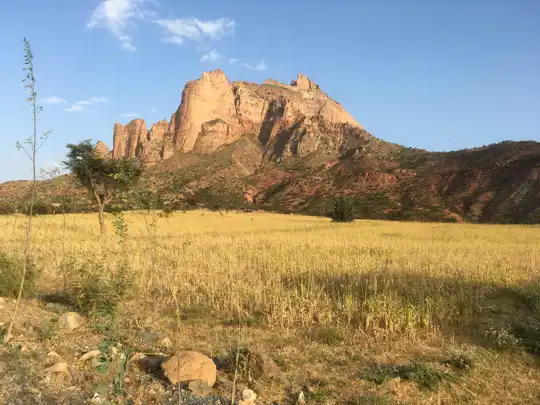
Country photo of Ethiopia

We 💚 feedbackParting advice and final tips

Metu is a slice of authentic Ethiopian life, where the aroma of freshly roasted coffee fills the air and locals greet you with genuine smiles. But be prepared: the roads can be rough, and public transport is a test of patience. Embrace the chaos; it’s part of the adventure. The real beauty lies in those moments of connection and discovery, making every bump worthwhile.

✈️ When did I visit Ethiopia?
Ethiopia I visited back in October 2017. I combined the trip with a visit to Sudan. Ethiopia was a pure suprise with the magical scenery like the Danikal Depression and the Simien Mountains.

✍️ Help improve this page!
The information on this page is based on my own backpacking experience in Ethiopia, supplemented with up-to-date research and feedback from other travelers. Travel details can change, so if you notice anything outdated or incomplete, feel free to let me know.


🙋‍♂️ Give feedback

👋 Meet the founderWho’s Behind Take Your Backpack?

Johan, backpacker and founder of TakeYourBackpackHi, I’m Johan (Netherlands 🇳🇱), the creator of TakeYourBackpack. Over the past decade, I’ve backpacked through 80+ countries across six continents, gaining extensive experience with independent travel, long-term trips, and overland routes.

This site is built on a combination of firsthand travel experience and carefully curated insights from other backpackers. Many guides are based on places I’ve personally visited, while others bring together tips, observations, and practical advice shared by trusted travelers I’ve met along the way.

The goal is to provide realistic, experience-driven guidance — not generic itineraries — so you can explore destinations with better context, clearer expectations, and more confidence.

Get full Ethiopia guide •
Instant download • 101 highlights • Full Offline guide