v2.webp)
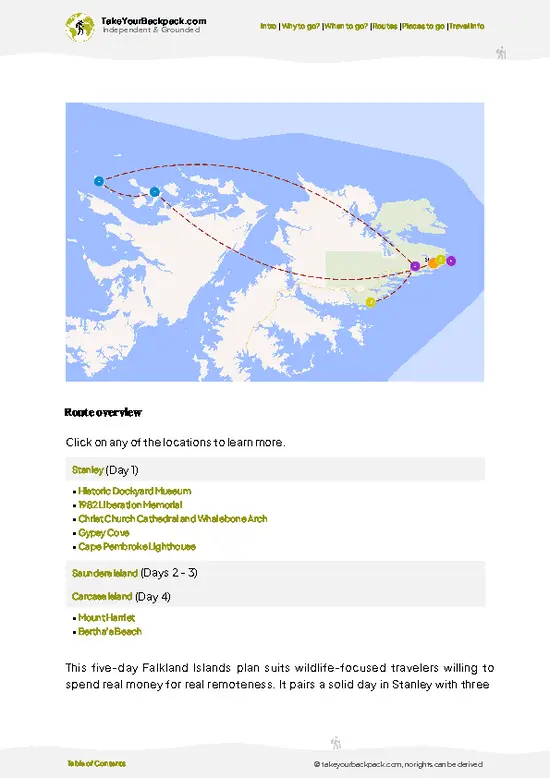
- Sea Lion Point: the headland at the island's eastern end, where gentoo penguins nest on the slopes and sea lions rest on the rocks below. Allow a half day for the round walk from the lodge.
- Sea Lion Lodge: the island's only accommodation, a low building above the dunes with a lounge that looks over the beach. Even day visitors come for the view and the wildlife talks.
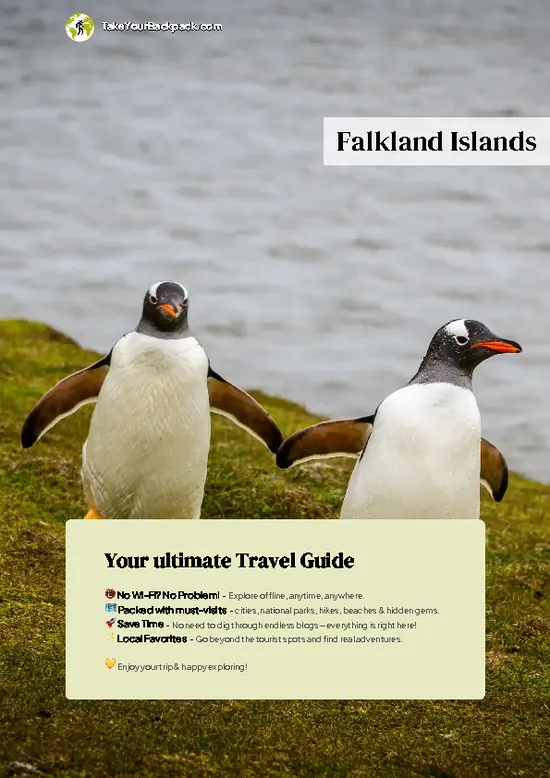
- The Gentoo Penguin colony: several groups nest on open ground close to the track, so you can watch chicks and adults commuting to the sea without any hide.
- Rockhopper Penguin colonies on the cliff tops: small, noisy groups tucked among the tussac, more raucous than the gentoos and fun to watch if you sit still.
- Elephant seal beaches: the sandy shores near the lodge where males molt, fight and sleep in piles. They are huge and harmless
- Sea Lion Point: the headland at the island's eastern end, where gentoo penguins nest on the slopes and sea lions rest on the rocks below. Allow a half day for the round walk from the lodge.
- Sea Lion Lodge: the island's only accommodation, a low building above the dunes with a lounge that looks over the beach. Even day visitors come for the view and the wildlife talks.
- The Gentoo Penguin colony: several groups nest on open ground close to the track, so you can watch chicks and adults commuting to the sea without any hide.
- Rockhopper Penguin colonies on the cliff tops: small, noisy groups tucked among the tussac, more raucous than the gentoos and fun to watch if you sit still.
- Elephant seal beaches: the sandy shores near the lodge where males molt, fight and sleep in piles. They are huge and harmless if you stay the required distance back.
- The Sea Lion bluffs: grassy cliffs where bulls and pups gather in summer. Keep clear, because bulls will charge.
- Orca watching from the cliffs: the island is known for orcas patrolling the shore around the elephant seal beaches, especially in the pup season. It cannot be planned, so scan the water on every walk.
- Striated Caracara territory near the airstrip: locally called Johnny Rooks, they steal, poke and investigate. Lesser known, and a favorite of people who live here.
- Long Pond and the freshwater ponds: quiet inland water with ducks, geese and snipe, usually empty of people. A lesser-known walk that rewards a flask and a long sit.
- The old wreck site on the south coast: remains of a ship near the shore, reached on a long coastal walk. Few visitors go this far, so you often have it alone.
Spotted a mistake or missing something? Contact us.

 Best Backpacking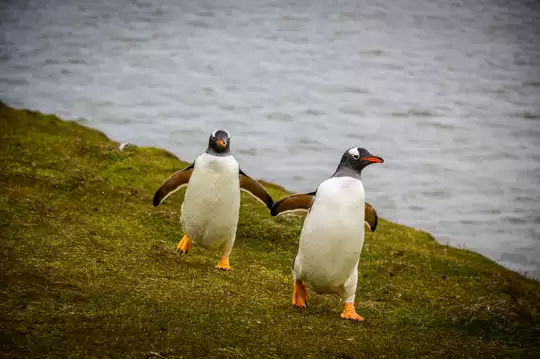
.jpg) Hi, I’m Johan (Netherlands 🇳🇱), the creator of TakeYourBackpack. Over the past 3 decades, I’ve backpacked through 90+ countries across six continents, gaining extensive experience with independent travel, long-term trips, and overland routes.
Hi, I’m Johan (Netherlands 🇳🇱), the creator of TakeYourBackpack. Over the past 3 decades, I’ve backpacked through 90+ countries across six continents, gaining extensive experience with independent travel, long-term trips, and overland routes.