v2.webp)
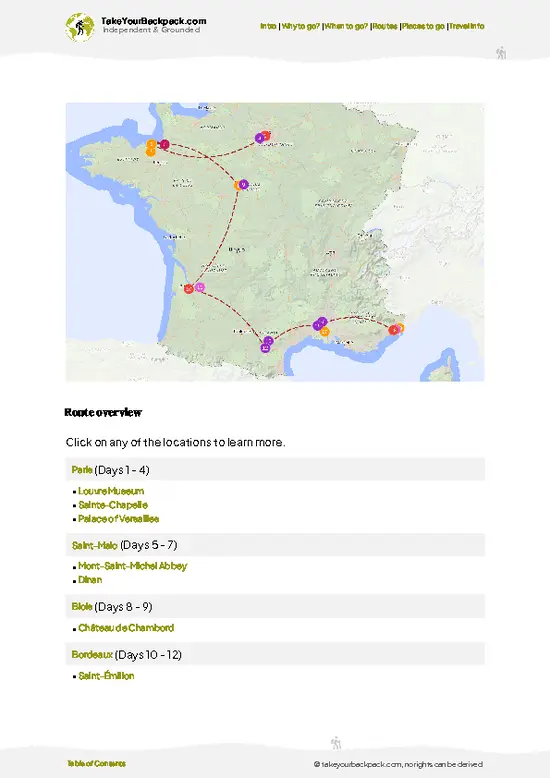
- Cathédrale Saint-Just et Saint-Pasteur — A massive Gothic cathedral with a surprisingly narrow, soaring choir and medieval stained glass; the scale and silence inside really show Narbonne’s medieval importance as a Roman provincial hub turned ecclesiastical center.
- Palais des Archevêques (Archbishop’s Palace) — Big stone complex next to the cathedral that houses several museums, grand halls and terraces; wandering the arcaded courtyards feels like stepping into the city’s power center from centuries past.
- NarboVia (Musée d’Archéologie) — Narbonne’s archaeology museum and Roman site: displays, ruins and reconstructed objects bring Narbo Martius (the Roman town) to life — great if you want the city’s origin story without guesswork.
- L’Horreum (galeries romaines souterraines) — A real set
- Cathédrale Saint-Just et Saint-Pasteur — A massive Gothic cathedral with a surprisingly narrow, soaring choir and medieval stained glass; the scale and silence inside really show Narbonne’s medieval importance as a Roman provincial hub turned ecclesiastical center.
- Palais des Archevêques (Archbishop’s Palace) — Big stone complex next to the cathedral that houses several museums, grand halls and terraces; wandering the arcaded courtyards feels like stepping into the city’s power center from centuries past.
- NarboVia (Musée d’Archéologie) — Narbonne’s archaeology museum and Roman site: displays, ruins and reconstructed objects bring Narbo Martius (the Roman town) to life — great if you want the city’s origin story without guesswork.
- L’Horreum (galeries romaines souterraines) — A real set of underground Roman storage galleries you can walk through; it’s atmospheric, compact and gives a tactile feel for ancient urban life under today’s streets.
- Les Halles de Narbonne — The covered market where locals shop and eat: mountains of fruit, charcuterie, oysters and Provençal chatter. Perfect for a budget-friendly, delicious pit stop and people-watching.
- Pont des Marchands and the Canal de la Robine quays — That unusual medieval bridge lined with buildings plus the tree-lined quays along the canal make for postcards and slow, pleasant walks; cafés spill onto the water and it’s a local hangout.
- Rue Droite and the medieval heart — Narrow pedestrian streets, old façades and independent shops around Place de l’Hôtel de Ville; not one big attraction but the atmosphere of the old town is the point — wander and let it reveal itself.
- Jardins du Palais des Archevêques (terraces and gardens) — Small formal gardens and terraces behind the palace offering quiet shade and good vantage points over the canal and rooftops — nice for a breather away from the market bustle.
- Canal boat trips and quayside experiences — Short public boat cruises or rental boats on the Canal de la Robine are affordable, easy ways to see Narbonne from the water and understand how the canal shaped the town’s life.
- Musée des Beaux-Arts / Galerie locale — The city’s fine-arts holdings (displayed in historic rooms) give a quieter cultural counterpoint to the archaeology: regional painters, sculpture and rotating exhibitions worth a look when you want indoor time.
Spotted a mistake or missing something? Contact us.

Guided Visit of Château l'Hospitalet with tasting of 4 wines

Best Intro to Narbonne in 2 hours with a Local

Gruissan by bike explore beaches salt ponds and vineyards freedom

Sean's Wine Tasting Events

Guided tour of the Historic Centre of Narbonne

Narbonne Audio Guided Walking Tour 1h40 and 20 Audio Comments

Guided Tour of the Gruissan Village for Individuals

Hello Narbonne: Private 2-Hour Intro City Walk with Local Guide

e-Scavenger hunt Narbonne: Explore the city at your own pace


 Best Backpacking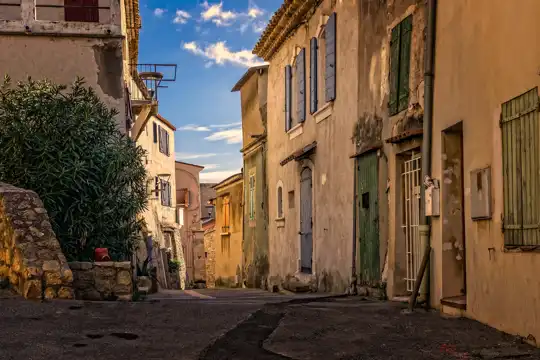
.jpg) Hi, I’m Johan (Netherlands 🇳🇱), the creator of TakeYourBackpack. Over the past 3 decades, I’ve backpacked through 90+ countries across six continents, gaining extensive experience with independent travel, long-term trips, and overland routes.
Hi, I’m Johan (Netherlands 🇳🇱), the creator of TakeYourBackpack. Over the past 3 decades, I’ve backpacked through 90+ countries across six continents, gaining extensive experience with independent travel, long-term trips, and overland routes.