×

Ghana🇬🇭 | townsKetaLagoon landscapes, colonial ruins, fishing communities | things to do and best time to go

Explore PagaExplore Akosombo

Backpacking in Keta
🌟 Highlighttown ranked #10
By Johan Kruseman 🇳🇱 | Updated June 17, 2026

Everyone talks about Keta’s endless Atlantic beach, but the real reason to come isn’t a postcard-perfect stretch of sand—it’s the feeling of being at the edge of Ghana, where the land is thin, the air tastes of salt and woodsmoke, and the lagoon glimmers with life. Keta sits on the far southeastern coast, a sliver between water and sky, closer to Togo than Accra. For backpackers, it’s less a nightlife hub and more a slow-burn base for exploring the Volta Region’s wild side: think sunrise walks on the sandbar, the faded colonial fort, or drifting through Anloga’s market. The town itself is compact and walkable, but public transport in and out is slow—shared minibuses, not trains. You’ll find a few simple guesthouses and beach lodges, but don’t expect a hostel scene or crowds of travelers swapping stories over beers. Keta is quieter, cheaper, and more laid-back than Ada Foah or bustling Ho, but it’s also less social and more about solitude, birdlife, and the rhythm of the tides. Safety is solid, but the pace is slow—embrace it, and you’ll see why the journey here is part of the reward.

Discover everything you want to know in the 📖 Ghana Travel Guide.


Get your Ghana guide
111 ranked highlights, routes & tips, works offline (424 pages)
Loading the map 🌍
CLICK TO FILTER
cities
towns
villages
landmarks
national parks
hikes
beaches
attractions
festivals
regions
SHOW COUNTRY’S BESTSHOW ALL

✨ Why go?
Ranked #10 town in Ghana
Reasons people choose to visit here

Keta, Ghana, is a backpacker’s waypoint that offers a unique blend of convenience and charm. Nestled along the coast, it serves as a launchpad for nearby hikes and stunning beaches, making it easy to explore the natural beauty of the Volta Region. The walkable streets invite you to meander through local markets, where the scent of fried plantains mingles with the salty sea breeze.

Accommodations range from small-scale hostels to cozy guesthouses, fostering a friendly social atmosphere perfect for solo travelers or small groups. You’ll find that most backpackers tend to linger a few days, soaking in the laid-back vibe and connecting with locals over hearty meals.

While Keta isn’t a nightlife hotspot, its charm lies in the cultural experiences and the chance to unwind. If you’re a slow travelerread more 👉
Keta, Ghana, is a backpacker’s waypoint that offers a unique blend of convenience and charm. Nestled along the coast, it serves as a launchpad for nearby hikes and stunning beaches, making it easy to explore the natural beauty of the Volta Region. The walkable streets invite you to meander through local markets, where the scent of fried plantains mingles with the salty sea breeze.

Accommodations range from small-scale hostels to cozy guesthouses, fostering a friendly social atmosphere perfect for solo travelers or small groups. You’ll find that most backpackers tend to linger a few days, soaking in the laid-back vibe and connecting with locals over hearty meals.

While Keta isn’t a nightlife hotspot, its charm lies in the cultural experiences and the chance to unwind. If you’re a slow traveler or a hiker, this town is a sweet spot to recharge before heading to the more rugged trails or vibrant towns nearby. It’s not just a stop; it’s a moment to breathe in the essence of Ghana.
Want to include Keta in your Ghana route?
Create a personalized Ghana itinerary that includes Keta and the places that fit your trip — based on your travel style, budget, and available time. Get your route in seconds.

Generate my trip

💡 HighlightsKey sights and experiences for travelers

  • Fort Prinzenstein — The big, photogenic Danish fort on the shoreline; walk the ramparts, see the rooms where the slave-trade and coastal commerce left their marks, and catch sea-breeze views of the town and lagoon.
  • Keta Beach (the long sandy shoreline) — Miles of wide black sand where fishermen beach their canoes, locals picnic, and sunset is reliably dramatic; great for a slow walk and people-watching away from resort crowds.
  • Keta Fishing Harbour & Landing Beaches — The working heart of town: colorful dugout canoes, daily fish landings, women smoking and drying fish — raw, noisy, and endlessly fascinating if you want to see coastal life up close.
  • Keta Lagoon edge & birdwatching spots — Part of the larger Keta Lagoon system (a Ramsar area): shallow islands, mangroves and migratory waterbirds;
read more 👉
  • Fort Prinzenstein — The big, photogenic Danish fort on the shoreline; walk the ramparts, see the rooms where the slave-trade and coastal commerce left their marks, and catch sea-breeze views of the town and lagoon.
  • Keta Beach (the long sandy shoreline) — Miles of wide black sand where fishermen beach their canoes, locals picnic, and sunset is reliably dramatic; great for a slow walk and people-watching away from resort crowds.
  • Keta Fishing Harbour & Landing Beaches — The working heart of town: colorful dugout canoes, daily fish landings, women smoking and drying fish — raw, noisy, and endlessly fascinating if you want to see coastal life up close.
  • Keta Lagoon edge & birdwatching spots — Part of the larger Keta Lagoon system (a Ramsar area): shallow islands, mangroves and migratory waterbirds; take a local boat for close-up views and simple, quiet wildlife watching.
  • Salt pans and salt-harvesting areas — Flat, glittering pans beside the lagoon where locals still harvest salt by hand; a great place to observe traditional livelihoods and get unusual photos at low tide.
  • Keta Market (Central Market) — A lively, authentic Ghanaian market: spices, fish, produce, secondhand clothes and local wares. Great for bargaining, tasting street food, and catching everyday rhythms of town life.
  • Sea defence works and “old Keta” coastline — Walk the engineered sea-defence structures and nearby areas that tell the story of coastal erosion and resettlement; you’ll see both modern concrete works and traces of the town’s shifting shoreline.
  • Local canoe-building and boat-repair yards — Small workshops right on the beach where craftsmen carve and maintain the dugouts; watching a canoe being built or repaired gives real insight into fishing culture here.
  • Keta Traditional Council / Chief’s Palace area — Visit to see local chieftaincy institutions, occasional drumming and public events, and architecture tied to Anlo-Ewe traditions; go during a town event for best experience.
  • Fish-smoking sheds and shore-side cookshops — Not flashy, but essential: visit a smokehouse or a tiny beachside cookshop to taste anchovies, smoked mackerel and local preparations — food is a direct window into Keta life.
A few real, visitable highlights just outside Keta that make easy day trips: the historic town of Anloga and its Hogbetsotso festival sites, the Tafi Atome Monkey Sanctuary, and the impressive Wli (Agumatsa) Waterfalls in the Volta highlands.
Spotted a mistake or missing something? Contact us.

🏘️ NeighborhoodsHow different areas shape the experience

Keta, a coastal town in Ghana, offers a rich blend of culture, history, and stunning landscapes. Each neighborhood has its own character, making it essential to choose wisely for your stay.

Keta Town: This is the heart of the action. You’ll find local markets buzzing with life, where the scent of fried fish mingles with spices. It’s walkable, with plenty of affordable guesthouses. Nightlife is low-key, perfect for those who want to unwind after a day of exploring. Ideal for short stays, as you can easily access the beach and local attractions.

Anloga: Just a stone’s throw from Keta Town, Anloga has a more laid-back vibe. The streets are quieter, lined with palm trees and local eateries. It’s a great spot for longer stays if you want to soak in the local culture without the hustle. Transport … read more 👉
Keta, a coastal town in Ghana, offers a rich blend of culture, history, and stunning landscapes. Each neighborhood has its own character, making it essential to choose wisely for your stay.

Keta Town: This is the heart of the action. You’ll find local markets buzzing with life, where the scent of fried fish mingles with spices. It’s walkable, with plenty of affordable guesthouses. Nightlife is low-key, perfect for those who want to unwind after a day of exploring. Ideal for short stays, as you can easily access the beach and local attractions.

Anloga: Just a stone’s throw from Keta Town, Anloga has a more laid-back vibe. The streets are quieter, lined with palm trees and local eateries. It’s a great spot for longer stays if you want to soak in the local culture without the hustle. Transport options are decent, but you might need to rely on shared taxis for longer trips.

Woe: This area is known for its stunning beaches and relaxed atmosphere. It’s less developed, offering a more authentic experience. Perfect for backpackers seeking tranquility, but amenities are limited. If you’re looking to disconnect and recharge, this is your spot. Just be prepared for a bit of a trek to get to Keta Town.

Gligli: A bit off the beaten path, Gligli is where you’ll find the real charm of Keta. The community is welcoming, and the pace is slow. It’s not as walkable, so renting a bike is a good idea. This area is best for longer stays, allowing you to immerse yourself in local life while enjoying the serene surroundings.

⌛️ 1 daySeeing the highlights in 24 hours

Keta, a coastal town in Ghana, pulses with a rich history and vibrant culture, often overshadowed by its more famous neighbors. The salty breeze carries whispers of the past, from the remnants of colonial architecture to the lively markets where locals barter fresh fish and colorful textiles. Spending a day here is like peeling back layers of a well-worn storybook.

Start your morning at the Keta Lagoon, where the sunrise paints the sky in hues of orange and pink. Grab a local breakfast of kelewele (spicy fried plantains) from a nearby vendor, and savor the warmth of the sun as you stroll along the shore. The lagoon is a birdwatcher’s paradise, so keep an eye out for the vibrant kingfishers darting above the water. This quiet moment sets the tone for the day, grounding you in the beauty of … read more 👉
Keta, a coastal town in Ghana, pulses with a rich history and vibrant culture, often overshadowed by its more famous neighbors. The salty breeze carries whispers of the past, from the remnants of colonial architecture to the lively markets where locals barter fresh fish and colorful textiles. Spending a day here is like peeling back layers of a well-worn storybook.

Start your morning at the Keta Lagoon, where the sunrise paints the sky in hues of orange and pink. Grab a local breakfast of kelewele (spicy fried plantains) from a nearby vendor, and savor the warmth of the sun as you stroll along the shore. The lagoon is a birdwatcher’s paradise, so keep an eye out for the vibrant kingfishers darting above the water. This quiet moment sets the tone for the day, grounding you in the beauty of your surroundings.

In the afternoon, head to the Keta Market, where the air is thick with the scent of spices and the chatter of vendors fills your ears. Engage with the locals; they’re often eager to share stories about their crafts. Just a short walk away is the Keta Fort, a lesser-known site that offers a glimpse into the town’s colonial past. The fort’s crumbling walls tell tales of resilience, and the views from the top are a rewarding payoff after the climb.

As evening approaches, make your way to the beach at Anlo, where the waves crash rhythmically against the shore. This spot is less frequented by tourists, giving you a chance to unwind with a cold Star beer while watching fishermen haul in their catch. The sunset here is a spectacle, with the sky transforming into a canvas of deep purples and reds.

Keta isn’t just a place to visit; it’s an experience that invites you to slow down and connect with its essence. Each moment spent here is a step deeper into the heart of Ghana, where every corner holds a story waiting to be discovered.
Turn your Keta visit into an Ghana adventure
Build a complete Ghana route with Keta, hidden gems, must-see destinations, and realistic travel times included.

Generate my trip

🌤️ When to go?Weather, crowds, and seasonal trade-offs


  • Topic: Weather – Keta’s climate swings between a wet season (April to October) and a dry season (November to March). The dry season offers clearer skies and less humidity, making hiking and beach days more comfortable.

  • Topic: Temperature – Expect highs around 30-33°C (86-91°F) year-round, but the dry season’s breeze tempers the heat, while the wet season’s humidity can make it feel sticky and oppressive.

  • Topic: Daylight Hours – Near the equator, daylight stays steady at about 12 hours daily, so you won’t lose precious exploring time regardless of when you visit.

  • Topic: Crowds – Keta is off the beaten path, so crowds are minimal year-round. However, local festivals in the dry season can bring a lively buzz without overwhelming the town.

  • Topic: Seasonal Activities – The dry season
read more 👉

  • Topic: Weather – Keta’s climate swings between a wet season (April to October) and a dry season (November to March). The dry season offers clearer skies and less humidity, making hiking and beach days more comfortable.

  • Topic: Temperature – Expect highs around 30-33°C (86-91°F) year-round, but the dry season’s breeze tempers the heat, while the wet season’s humidity can make it feel sticky and oppressive.

  • Topic: Daylight Hours – Near the equator, daylight stays steady at about 12 hours daily, so you won’t lose precious exploring time regardless of when you visit.

  • Topic: Crowds – Keta is off the beaten path, so crowds are minimal year-round. However, local festivals in the dry season can bring a lively buzz without overwhelming the town.

  • Topic: Seasonal Activities – The dry season is prime for beachcombing and fishing village visits, while the wet season’s lush landscape invites birdwatching and river excursions.

  • Topic: Price Fluctuations – Accommodation and transport costs dip slightly in the wet season due to fewer tourists, but some services may be less reliable during heavy rains.


Pro-tip: Aim for late November to February—when the air is crisp, the town hums with festival energy, and the light hits the lagoon just right for photos that feel like a reward for your patience.


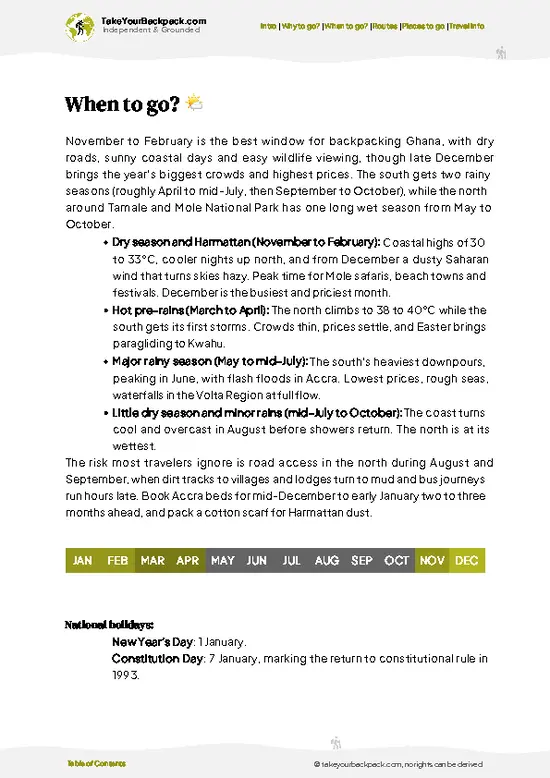
source: climatestotravel.comJANJanuary: excellent for travelingFEBFebruary: excellent for travelingMARMarch: highly recommended for travelingAPRApril: good for travelingMAYMay: fair for travelingJUNJune: fair for travelingJULJuly: fair for travelingAUGAugust: fair for travelingSEPSeptember: good for travelingOCTOctober: good for travelingNOVNovember: highly recommended for travelingDECDecember: excellent for traveling
when-to-go

✈️ The backpacker research shortcutGhana Travel Guide

An offline-friendly backpacking guide with optimized travel routes, ranked highlights, transport advice, and the best areas to stay.
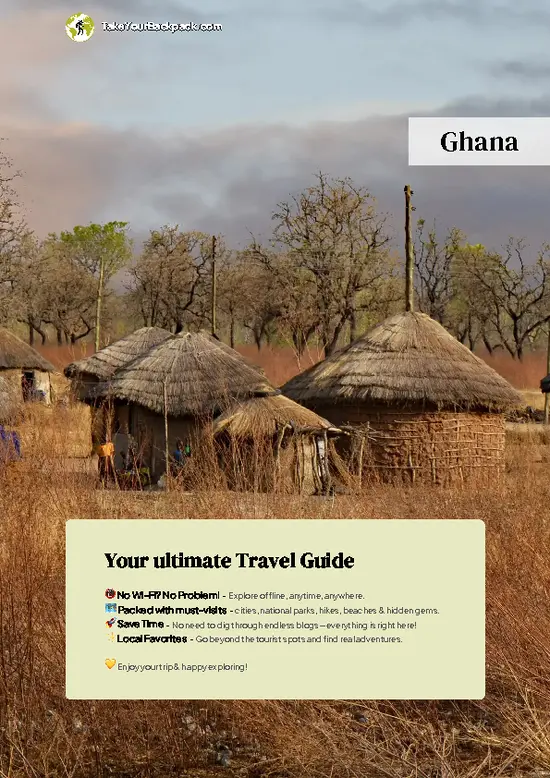
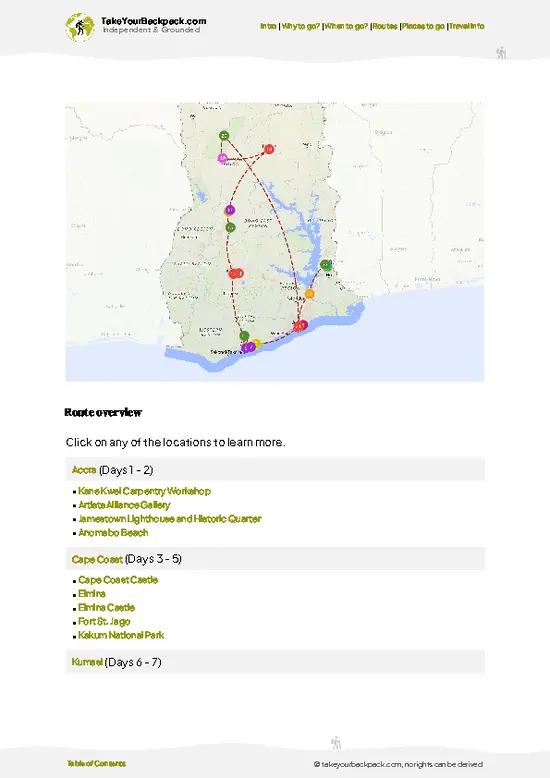
example page 0 from our offline Travel Guide for Ghana
example page 1 from our offline Travel Guide for Ghana
example page 2 from our offline Travel Guide for Ghana
example page 3 from our offline Travel Guide for Ghana
example page 4 from our offline Travel Guide for Ghana
example page 5 from our offline Travel Guide for Ghana
example page 6 from our offline Travel Guide for Ghana
example page 7 from our offline Travel Guide for Ghana
The digital guide (424 pages) contains:
111 highlights, ranked by travel appeal
Optimized 5, 10 & 15-day travel routes
Cities, national parks, landmarks, beaches
How to get around
Offline-friendly for travel without Wi-Fi
👉 Click to see all 30+ guide features

📅 Plan smarter in minutes, not weeks
Month by month travel advice
Festivals & national holidays
Budget expectations

🗺️ Go to the right places, skip the overrated ones
Honest pros & cons of destinations
Top hikes, parks & viewpoints
Lesser-known places most travelers miss
Clear “worth it vs skip it” guidance

🛏️ Travel smoothly without rookie mistakes
Best areas to stay
Transport systems explained simply
Common scams & safety advice
SIM cards, money & practical tips

🌍 Understand the country, not just visit it
Culture & traditions
52 Essential phrases & customs
Festivals worth planning around
Traveler-friendly historical context
Insights that make places more meaningful

📱 Built for real travel conditions
Fully downloadable PDF
Works completely offline
Optimized for phone use
Useful in remote areas & buses
Everything in one place
Save weeks of stressful planning
Get instant access to your full guide. 30‑day money-back guarantee.


By proceeding you agree to our terms.
Sent to your inbox immediately after payment • 100% Secure Checkout
Best Backpacking Travel Advisor 2025 tourism awardBest Backpacking
Travel Advisor
2025
What others say about Take Your Backpack Guides:
⭐⭐⭐⭐⭐
Fantastic, amazing amount of information!
⭐⭐⭐⭐⭐
My goodness this is amazing, it's what I've been looking for hats off too you!
⭐⭐⭐⭐⭐
I think this is absolutely BRILLIANT
⭐⭐⭐⭐
Very complete and informative. It's still missing places, but I gotta to commend you
⭐⭐⭐⭐⭐
This is truly amazing, thank you, can't wait to explore it with my kids!
⭐⭐⭐⭐⭐
Awesome resource, thank you!
⭐⭐⭐⭐⭐
This is amazing! Can't wait to explore the ones I haven't seen
⭐⭐⭐⭐
I love this! Well done, great idea.
⭐⭐⭐⭐⭐
Thanks for taking the time to make this gem!
⭐⭐⭐⭐⭐
This might be the best website I've ever seen.
⭐⭐⭐⭐⭐
Congratulations, and thank you so much for your work; it's incredibly valuable.
⭐⭐⭐⭐
In all seriousness I think you did a great job pointing out the important spots
⭐⭐⭐⭐⭐
10/10 very good
⭐⭐⭐⭐⭐
As someone who's only just starting to visit regularly this is awesome, thank you.
⭐⭐⭐⭐
Thank you very much! I'm going to visit my dad, it's going to be very useful!
⭐⭐⭐⭐⭐
This is really cool! We'll be travelling for the first time and this definitely come in handy.
⭐⭐⭐⭐⭐
You are now our minister of culture, congratulations 👨‍💼
⭐⭐⭐⭐⭐
Just wanted to tell you that this is a pearl! Going to follow your recommendations.
⭐⭐⭐⭐⭐
This is so cool. I'll definitely be using the resource for my travels soon.
⭐⭐⭐⭐⭐
This is very impressive! Good work.
⭐⭐⭐⭐⭐
This is an amazing and informative site. Very well done!

🛏️ Where to stay?Where staying makes the most sense

In Keta, the best spot for backpackers is the area around the town center and the beach road. This zone hums with local life—fishermen hauling nets, market vendors calling out, and the salty breeze mixing with the scent of grilled fish. It’s where you’ll find the most budget-friendly guesthouses and a handful of hostels that cater to solo travelers and small groups. Staying here means you’re never far from the pulse of the town, making it easy to strike up conversations or join impromptu beach bonfires.

Compared to the quieter, more residential neighborhoods inland, the center and beach road … read more 👉
In Keta, the best spot for backpackers is the area around the town center and the beach road. This zone hums with local life—fishermen hauling nets, market vendors calling out, and the salty breeze mixing with the scent of grilled fish. It’s where you’ll find the most budget-friendly guesthouses and a handful of hostels that cater to solo travelers and small groups. Staying here means you’re never far from the pulse of the town, making it easy to strike up conversations or join impromptu beach bonfires.

Compared to the quieter, more residential neighborhoods inland, the center and beach road offer a safer, more social vibe. The streets are busier, which naturally deters trouble and keeps things lively well into the evening. Plus, the proximity to local eateries and transport hubs means you can move around without hassle. It’s not luxury, but it’s authentic—and that’s the real draw for backpackers who want to feel the town’s rhythm rather than just pass through it.

🚌 Getting aroundHow to get from A to B

Keta moves at its own rhythm—less a ticking clock, more the ebb and flow of the Atlantic tides. The air carries a salty tang mixed with the faint smoke of fish drying under the sun, and the streets pulse with a blend of purposeful strides and spontaneous stops. Here, time is elastic; schedules exist but bend to the day’s mood and the market’s chatter. You’ll find that patience isn’t just a virtue—it’s your best travel tool. Embrace the slower pace, and you’ll unlock the town’s genuine character, where every delay is a chance to soak in the scent of the sea or catch a local story.


  • Walking: The most authentic way to navigate Keta’s compact center. Streets are dusty but manageable, and walking lets you catch the scent of smoked fish and the vibrant calls of street vendors. Expect to cover
read more 👉
Keta moves at its own rhythm—less a ticking clock, more the ebb and flow of the Atlantic tides. The air carries a salty tang mixed with the faint smoke of fish drying under the sun, and the streets pulse with a blend of purposeful strides and spontaneous stops. Here, time is elastic; schedules exist but bend to the day’s mood and the market’s chatter. You’ll find that patience isn’t just a virtue—it’s your best travel tool. Embrace the slower pace, and you’ll unlock the town’s genuine character, where every delay is a chance to soak in the scent of the sea or catch a local story.


  • Walking: The most authentic way to navigate Keta’s compact center. Streets are dusty but manageable, and walking lets you catch the scent of smoked fish and the vibrant calls of street vendors. Expect to cover most key spots within 30 minutes on foot, no cost, and the freedom to wander off the beaten path.


  • Shared Trotros (Minibuses): These are the backbone of local transit—cheap (around 1-2 GHS per ride), frequent, and flexible. They run roughly from 6 AM to 7 PM but don’t expect strict timetables; they leave when full. The ride can be bumpy and crowded, but it’s a direct line to nearby towns and the busier parts of Keta.


  • Motorbike Taxis (Okada): Perfect for quick hops or when time is tight. Prices vary but usually start around 3 GHS for short distances. They dart through traffic and dusty alleys, offering speed and a bit of adrenaline, though helmet use is spotty and the ride can be rough on unpaved roads.


  • Shared Taxis: Slightly more comfortable than trotros, these run on fixed routes and are a good choice for longer trips outside town. They operate mainly during daylight hours, cost around 5-10 GHS depending on distance, and offer a smoother ride with fewer stops.

👛 Costs (as of 27 October 2025)Travel costs and budget guide for Keta

Backpacking in Keta, Ghana, means embracing a laid-back coastal vibe where your money stretches further than in the big cities, but you still want to know where to spend smartly.
  • Dorm Accommodation: Expect to pay around $5 to $10 per night for a basic dorm bed. Options are limited and simple—think fan rooms with mosquito nets rather than air conditioning. The charm is in the open-air feel and the sound of the ocean nearby, not luxury.
  • Meals: Local eateries serve up hearty plates of rice, fish, and stews for about $1.50 to $3. Street food is your best friend here—fresh, flavorful, and dirt cheap. If you want something more Western or a cold drink, budget closer to $4 to $6.
  • Local Transport: Getting around Keta is mostly by shared tro-tros or motorbike taxis. A short ride will cost you about
read more 👉
Backpacking in Keta, Ghana, means embracing a laid-back coastal vibe where your money stretches further than in the big cities, but you still want to know where to spend smartly.
  • Dorm Accommodation: Expect to pay around $5 to $10 per night for a basic dorm bed. Options are limited and simple—think fan rooms with mosquito nets rather than air conditioning. The charm is in the open-air feel and the sound of the ocean nearby, not luxury.
  • Meals: Local eateries serve up hearty plates of rice, fish, and stews for about $1.50 to $3. Street food is your best friend here—fresh, flavorful, and dirt cheap. If you want something more Western or a cold drink, budget closer to $4 to $6.
  • Local Transport: Getting around Keta is mostly by shared tro-tros or motorbike taxis. A short ride will cost you about $0.30 to $0.50. For longer trips or private hires, expect $1 to $3. Walking is also a great way to soak in the town’s laid-back atmosphere.
  • Basic Activities/Entry Fees: Most cultural sites and beaches are free or ask for a small donation around $0.50 to $1. If you want to hire a local guide for a deeper dive into the history or fishing villages, budget around $5 to $10 for a half-day.
  • Miscellaneous Expenses: Bottled water, snacks, and occasional treats like fresh coconut or palm wine will add up to about $1 to $2 daily. Keep some cash handy for small tips or unexpected needs.

All told, you’re looking at roughly $10 to $20 per day to cover the essentials in Keta without cutting corners. It’s a place where the simplicity of life is part of the draw, and your budget reflects that easygoing rhythm.


source: ghana.travel
⚠️ Prices can change and everyone travels differently, so take this as a rough guide. Hope it helps you plan your adventure!

🚌 Day tripsEasy escapes and nearby places

Keta, Ghana, is a fantastic launchpad for exploring the rich tapestry of coastal culture and natural beauty. With its laid-back vibe, you can easily venture out for day trips that pack a punch without draining your wallet.

Volta River Estuary
A boat ride along the Volta River Estuary is a sensory delight. The air is thick with the scent of brackish water and the calls of birds echo through the mangroves. You’ll spot fishermen casting nets and local wildlife, making it a photographer’s dream. The trip takes about an hour by taxi, costing around $10. Best visited in the dry season (November to March), you’ll avoid the muddy trails and enjoy clearer skies. A common mistake? Not bringing a hat or sunscreen; the sun can be relentless out there.


Anlo Beach
Just a short ride from Keta, Anlo … read more 👉
Keta, Ghana, is a fantastic launchpad for exploring the rich tapestry of coastal culture and natural beauty. With its laid-back vibe, you can easily venture out for day trips that pack a punch without draining your wallet.

Volta River Estuary
A boat ride along the Volta River Estuary is a sensory delight. The air is thick with the scent of brackish water and the calls of birds echo through the mangroves. You’ll spot fishermen casting nets and local wildlife, making it a photographer’s dream. The trip takes about an hour by taxi, costing around $10. Best visited in the dry season (November to March), you’ll avoid the muddy trails and enjoy clearer skies. A common mistake? Not bringing a hat or sunscreen; the sun can be relentless out there.


Anlo Beach
Just a short ride from Keta, Anlo Beach offers a slice of paradise with its soft sands and gentle waves. Spend the morning swimming or lounging under palm trees, then grab a local meal from a beachside vendor—think grilled tilapia and spicy pepper sauce. The journey takes about 30 minutes and will set you back around $5. The best time to go is early morning to catch the sunrise and beat the crowds. First-timers often overlook the local food scene; don’t miss out on the fresh catch!


Keta Lagoon
Explore the Keta Lagoon, a haven for birdwatchers and nature lovers. The lagoon is alive with the sounds of chirping birds and rustling reeds. You can rent a canoe for about $15 and paddle through the tranquil waters, spotting colorful birds and perhaps even a few fishermen at work. The trip takes about 45 minutes by taxi. Late afternoon is ideal for golden hour photography. A rookie mistake? Forgetting binoculars; you’ll want to see those birds up close!


Fort Prinzenstein
Dive into history with a visit to Fort Prinzenstein, a stark reminder of the transatlantic slave trade. The fort’s crumbling walls tell stories of resilience and sorrow. It’s a 20-minute taxi ride for about $4. Early mornings are best to avoid the heat and crowds. Many first-timers rush through without taking time to absorb the significance; linger and reflect—it’s worth it.
Want to know what more Ghana offers?
The Ghana Travel Guide describes 111 highlights, from cities to national parks, from beaches to hikes

Get the Travel Guide -

🛡️ SafetyTraveler Safety Guide

Keta, Ghana, is generally safe, but a little awareness goes a long way. The bustling market areas can be lively, filled with the scent of fresh fish and spices. Keep your belongings close; pickpocketing can happen in crowded spots.

If you’re wandering solo, especially at night, stick to well-lit streets and avoid isolated areas. The locals are friendly, but it’s wise to trust your instincts.

Common scams are rare, but be cautious of overly eager vendors who may inflate prices. A polite but firm “no, thank you” usually does the trick.

Annoyances can include persistent taxi drivers; agree on a fare before hopping in. Carry small bills for easier transactions, as change can be a hassle.

Overall, embrace the vibrant atmosphere, but stay alert. Your awareness will enhance your experience, … read more 👉
Keta, Ghana, is generally safe, but a little awareness goes a long way. The bustling market areas can be lively, filled with the scent of fresh fish and spices. Keep your belongings close; pickpocketing can happen in crowded spots.

If you’re wandering solo, especially at night, stick to well-lit streets and avoid isolated areas. The locals are friendly, but it’s wise to trust your instincts.

Common scams are rare, but be cautious of overly eager vendors who may inflate prices. A polite but firm “no, thank you” usually does the trick.

Annoyances can include persistent taxi drivers; agree on a fare before hopping in. Carry small bills for easier transactions, as change can be a hassle.

Overall, embrace the vibrant atmosphere, but stay alert. Your awareness will enhance your experience, allowing you to soak in Keta’s charm without unnecessary distractions.

Other Ghanaian towns near Keta

Explore more nearby:

  • Denu—Border market, Ewe culture, transport link| 28 km away
  • Aflao—Togo border, customs post, cross-border trade| 33 km away
  • Sogakope—Volta River bridges, riverside lodges, local markets| 44 km away

💡 Not sure where to go next?
Create a personalized itinerary for Ghana including Keta and the places that fit your trip.

Generate my itinerary

👉 Discover all towns

Or checkout all Ghana has to offer (think cities, towns, villages, national parks, hikes, beaches, festivals)
Country photo of Ghana

We 💚 feedbackIs it worth it?

Keta’s coastline is a sensory feast—imagine the salty breeze, the rhythmic crash of waves, and the vibrant local markets bursting with color and life. It’s a place where you can truly connect with the culture. But be ready for the heat; it can be relentless. Hydration and shade are your best friends here. Embrace the sweat; it’s part of the experience that makes those sunset views feel like a hard-earned reward.

✈️ When did I visit Ghana?
Ghana I visited in December 2024, starting in Accra following the coast, then up north to Mole National park to finish in the Volta Region.

✍️ Help improve this page!
The information on this page is based on my own backpacking experience in Ghana, supplemented with up-to-date research and feedback from other travelers. Travel details can change, so if you notice anything outdated or incomplete, feel free to let me know.


🙋‍♂️ Give feedback

👋 Meet the founderWho’s Behind Take Your Backpack?

Johan, backpacker and founder of TakeYourBackpackHi, I’m Johan (Netherlands 🇳🇱), the creator of TakeYourBackpack. Over the past decade, I’ve backpacked through 80+ countries across six continents, gaining extensive experience with independent travel, long-term trips, and overland routes.

This site is built on a combination of firsthand travel experience and carefully curated insights from other backpackers. Many guides are based on places I’ve personally visited, while others bring together tips, observations, and practical advice shared by trusted travelers I’ve met along the way.

The goal is to provide realistic, experience-driven guidance — not generic itineraries — so you can explore destinations with better context, clearer expectations, and more confidence.

Get full Ghana guide •
Instant download • 111 highlights • Full Offline guide