×

Ghana🇬🇭 | national parksAmansuri Wetlandspalm-fringed lagoons, stilt villages, canoe routes | things to do and best time to go

Explore Wechiau Community Hippo SanctuaryExplore Songor Ramsar Site

Backpacking in Amansuri Wetlands
👌 Worth visitingnational park ranked #15
By Johan Kruseman 🇳🇱 | Updated May 31, 2026

Your paddle knocks softly against the dugout canoe, dragonflies skimming the water’s skin, the air thick with the smell of peat and distant woodsmoke. This is Amansuri Wetlands, tucked in Ghana’s Western Region, a few hours from Takoradi. For backpackers, it’s a place that trades big-safari drama for quiet, slow-burn beauty—think boardwalk hikes, rare monkeys, and birdlife that rewards patience. It’s cheap to enter, rarely crowded, and the local guesthouses are basic but genuine. Don’t expect Mole’s elephants or Kakum’s canopy adrenaline; here, the payoff is solitude and the kind of silence that makes you listen harder.

Discover everything you want to know in the 📖 Ghana Travel Guide.


Get your Ghana guide
111 ranked highlights, routes & tips, works offline (424 pages)
Loading the map 🌍
CLICK TO FILTER
cities
towns
villages
landmarks
national parks
hikes
beaches
attractions
festivals
regions
SHOW COUNTRY’S BESTSHOW ALL

✨ Why go?
Ranked #15 national park in Ghana
Why visitors keep coming back

Backpackers flock to Amansuri Wetlands for its independent exploration opportunities. The park offers a range of budget camping and hostel options nearby, making it accessible for all. With diverse trail variety, you can choose your own adventure—whether it’s a leisurely stroll or a more challenging trek. This park is particularly suited for self-guided travelers, allowing you to soak in the sights at your own pace without the pressure of a tour group. Just be mindful of the weather; it can impact trail conditions, so plan accordingly to preserve your energy and budget for the experiences that truly matter.
Want to include Amansuri Wetlands in your Ghana route?
Create a personalized Ghana itinerary that includes Amansuri Wetlands and the places that fit your trip — based on your travel style, budget, and available time. Get your route in seconds.

Generate my trip

💡 HighlightsDon't-miss highlights and experiences

  • Mangrove Labyrinth: A tangle of roots and trunks that feels like another world — perfect for low-light photography and quiet wildlife watching. Walk the raised boardwalks or glide through in a canoe to see nursery pools full of juvenile fish and fiddler crabs up close.
  • Tidal Creek Canoe Routes: Narrow channels snake through the marshes, offering calm paddling and intimate wildlife encounters. Go at high tide for easier navigation and a good chance to spot kingfishers, herons, and agile mudskippers along the banks.
  • Birdwatcher’s Flats: Wide mudflats and shallow lagoons attract both resident waterbirds and winter migrants; binoculars repay you handsomely here. Peak migration (roughly November-March) brings the most variety, but there’s always something to watch at dawn and dusk.
  • Sunset
read more 👉
  • Mangrove Labyrinth: A tangle of roots and trunks that feels like another world — perfect for low-light photography and quiet wildlife watching. Walk the raised boardwalks or glide through in a canoe to see nursery pools full of juvenile fish and fiddler crabs up close.
  • Tidal Creek Canoe Routes: Narrow channels snake through the marshes, offering calm paddling and intimate wildlife encounters. Go at high tide for easier navigation and a good chance to spot kingfishers, herons, and agile mudskippers along the banks.
  • Birdwatcher’s Flats: Wide mudflats and shallow lagoons attract both resident waterbirds and winter migrants; binoculars repay you handsomely here. Peak migration (roughly November-March) brings the most variety, but there’s always something to watch at dawn and dusk.
  • Sunset Over the Estuary: The estuary turns into a mirror at sunset — golden light, silhouetted fishing canoes, and long reflections perfect for slow walks and relaxed photos. It’s one of those cheap thrills that feels expensive.
  • Salt Pans & Seasonal Floodplains: During the dry season the pans glitter; in the rainy months they fill and become shallow lakes alive with waders, frogs, and breeding fish. The shifting landscape means every visit can feel different.
  • Reptile and Turtle Basking Spots: Look for sunbathing turtles and other reptiles on muddy banks; mornings are best when they’re warmed up and visible. Keep a respectful distance — the view is great from a canoe or boardwalk.
  • Community Fishing Villages & Cultural Trails: Small fishing communities dot the park’s edges, with smokehouses, stilted huts, and local guides who know the secret spots. A short village visit or a guided walk is an easy, budget-friendly way to add culture to your nature trip.
Spotted a mistake or missing something? Contact us.

Things to do near Amansuri Wetlands

Ratings based on Tripadvisor reviews. When you book through this link, you support our work at no extra cost to you.

🌤️ When to go?Weather, crowds, and seasonal trade-offs


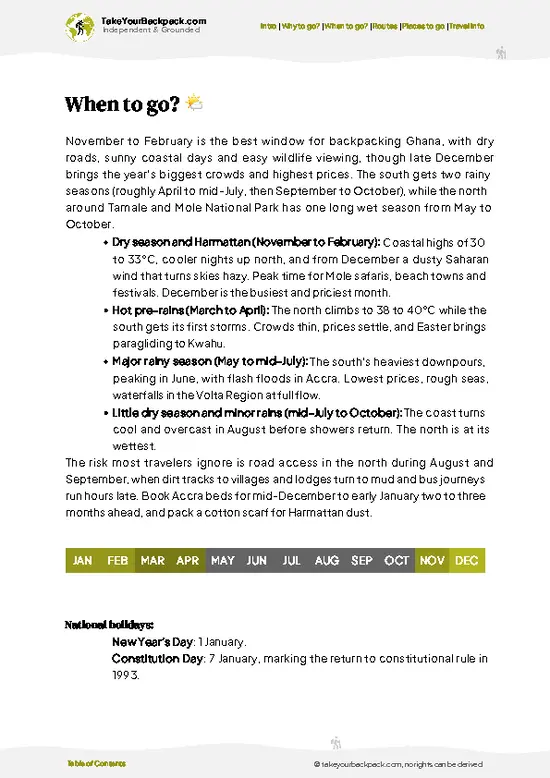
  • Weather: The dry season from November to March is your best bet. Expect less mud and fewer mosquitoes, making trekking and birdwatching more comfortable.

  • Temperature: Daytime highs hover around 28-32°C (82-90°F), cooling to 22-24°C (72-75°F) at night during the dry months. The rainy season (April to October) is hotter and more humid, which can sap your energy fast.

  • Daylight Hours: Roughly 11 to 12 hours of daylight year-round, with sunrise around 6:00 AM and sunset near 6:30 PM, giving you plenty of time to explore without rushing.

  • Crowds: The park sees fewer visitors during the rainy season, but that comes with slippery trails and limited access. Peak dry months attract more tourists, but it’s never overwhelmingly busy.

  • Seasonal Activities: Dry season is prime for birdwatching
read more 👉

  • Weather: The dry season from November to March is your best bet. Expect less mud and fewer mosquitoes, making trekking and birdwatching more comfortable.

  • Temperature: Daytime highs hover around 28-32°C (82-90°F), cooling to 22-24°C (72-75°F) at night during the dry months. The rainy season (April to October) is hotter and more humid, which can sap your energy fast.

  • Daylight Hours: Roughly 11 to 12 hours of daylight year-round, with sunrise around 6:00 AM and sunset near 6:30 PM, giving you plenty of time to explore without rushing.

  • Crowds: The park sees fewer visitors during the rainy season, but that comes with slippery trails and limited access. Peak dry months attract more tourists, but it’s never overwhelmingly busy.

  • Seasonal Activities: Dry season is prime for birdwatching and wildlife spotting. The wetlands fill up during rains, but many paths become inaccessible, limiting your options.

  • Price Fluctuations: Accommodation and tours tend to be pricier in the dry season due to demand. Off-season offers better deals but expect some services to be limited or closed.


Pro-tip: Aim for late November or early December—dry enough for easy access, before the holiday rush drives prices and crowds up.


source: climatestotravel.comJANJanuary: excellent for travelingFEBFebruary: excellent for travelingMARMarch: excellent for travelingAPRApril: fair for travelingMAYMay: fair for travelingJUNJune: fair for travelingJULJuly: fair for travelingAUGAugust: fair for travelingSEPSeptember: fair for travelingOCTOctober: fair for travelingNOVNovember: highly recommended for travelingDECDecember: highly recommended for traveling
when-to-go

✈️ The backpacker research shortcutGhana Travel Guide

An offline-friendly backpacking guide with optimized travel routes, ranked highlights, transport advice, and the best areas to stay.
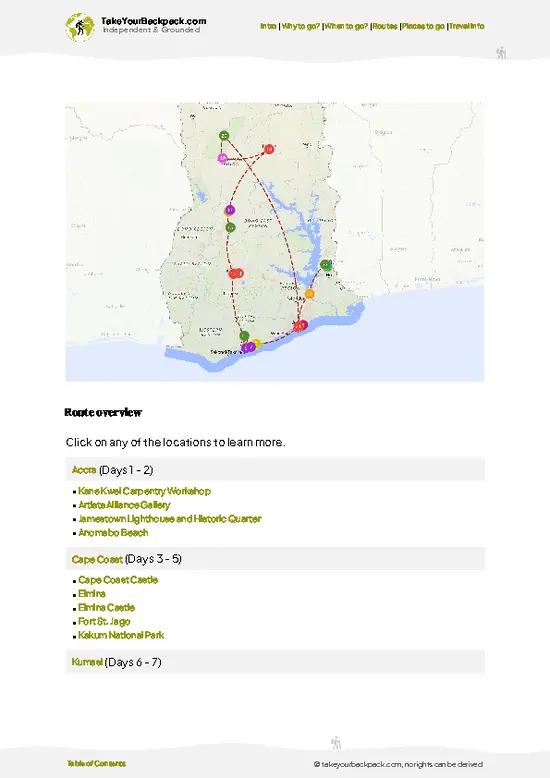
example page 0 from our offline Travel Guide for Ghana
example page 1 from our offline Travel Guide for Ghana
example page 2 from our offline Travel Guide for Ghana
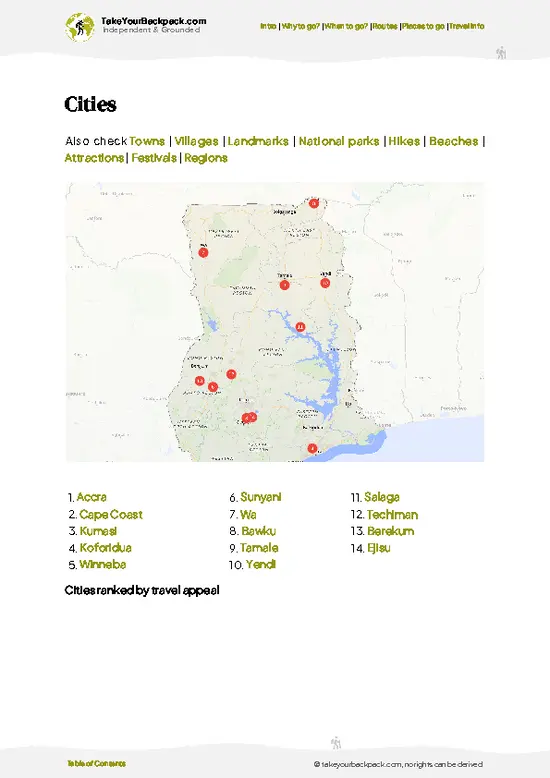
example page 3 from our offline Travel Guide for Ghana
example page 4 from our offline Travel Guide for Ghana
example page 5 from our offline Travel Guide for Ghana
example page 6 from our offline Travel Guide for Ghana
example page 7 from our offline Travel Guide for Ghana
The digital guide (424 pages) contains:
111 highlights, ranked by travel appeal
Optimized 5, 10 & 15-day travel routes
Cities, national parks, landmarks, beaches
How to get around
Offline-friendly for travel without Wi-Fi
👉 Click to see all 30+ guide features

📅 Plan smarter in minutes, not weeks
Month by month travel advice
Festivals & national holidays
Budget expectations

🗺️ Go to the right places, skip the overrated ones
Honest pros & cons of destinations
Top hikes, parks & viewpoints
Lesser-known places most travelers miss
Clear “worth it vs skip it” guidance

🛏️ Travel smoothly without rookie mistakes
Best areas to stay
Transport systems explained simply
Common scams & safety advice
SIM cards, money & practical tips

🌍 Understand the country, not just visit it
Culture & traditions
52 Essential phrases & customs
Festivals worth planning around
Traveler-friendly historical context
Insights that make places more meaningful

📱 Built for real travel conditions
Fully downloadable PDF
Works completely offline
Optimized for phone use
Useful in remote areas & buses
Everything in one place
Save weeks of stressful planning
Get instant access to your full guide. 30‑day money-back guarantee.


By proceeding you agree to our terms.
Sent to your inbox immediately after payment • 100% Secure Checkout
Best Backpacking Travel Advisor 2025 tourism awardBest Backpacking
Travel Advisor
2025
What others say about Take Your Backpack Guides:
⭐⭐⭐⭐⭐
Fantastic, amazing amount of information!
⭐⭐⭐⭐⭐
My goodness this is amazing, it's what I've been looking for hats off too you!
⭐⭐⭐⭐⭐
I think this is absolutely BRILLIANT
⭐⭐⭐⭐
Very complete and informative. It's still missing places, but I gotta to commend you
⭐⭐⭐⭐⭐
This is truly amazing, thank you, can't wait to explore it with my kids!
⭐⭐⭐⭐⭐
Awesome resource, thank you!
⭐⭐⭐⭐⭐
This is amazing! Can't wait to explore the ones I haven't seen
⭐⭐⭐⭐
I love this! Well done, great idea.
⭐⭐⭐⭐⭐
Thanks for taking the time to make this gem!
⭐⭐⭐⭐⭐
This might be the best website I've ever seen.
⭐⭐⭐⭐⭐
Congratulations, and thank you so much for your work; it's incredibly valuable.
⭐⭐⭐⭐
In all seriousness I think you did a great job pointing out the important spots
⭐⭐⭐⭐⭐
10/10 very good
⭐⭐⭐⭐⭐
As someone who's only just starting to visit regularly this is awesome, thank you.
⭐⭐⭐⭐
Thank you very much! I'm going to visit my dad, it's going to be very useful!
⭐⭐⭐⭐⭐
This is really cool! We'll be travelling for the first time and this definitely come in handy.
⭐⭐⭐⭐⭐
You are now our minister of culture, congratulations 👨‍💼
⭐⭐⭐⭐⭐
Just wanted to tell you that this is a pearl! Going to follow your recommendations.
⭐⭐⭐⭐⭐
This is so cool. I'll definitely be using the resource for my travels soon.
⭐⭐⭐⭐⭐
This is very impressive! Good work.
⭐⭐⭐⭐⭐
This is an amazing and informative site. Very well done!

🛏️ Where to stay?How to pick the right area

For backpackers heading to Amansuri Wetlands, options are limited but solid. Inside the park, there aren’t dedicated lodgings, but you can find eco-friendly campsites that offer a rustic experience. Nearby, the town of Beyin has a few budget-friendly guesthouses. Look for places like the Nzulezo Eco-Lodge, which provides basic amenities and a chance to connect with local culture.

Be aware of transport costs; they can add up quickly if you’re not careful. Stick to local transport options to save cash. Prioritize your energy for exploring the wetlands, where the real magic lies.

👛 Costs (as of 14 October 2025)Typical daily expenses

Visiting Amansuri Wetlands in Ghana can be a rewarding experience, but it’s essential to be aware of the costs involved to avoid surprises.

Entry fees to the park typically range from $5 to $10 per person. This fee grants you access to the wetlands and its unique ecosystem. If you’re interested in guided tours, which are highly recommended for a richer experience, expect to pay between $20 and $50. Prices vary based on the length of the tour and the guide’s expertise.

Transportation is another factor. If you’re coming from nearby towns, a taxi or shared vehicle can cost around $10 to $30, depending on the distance. Always negotiate fares upfront to avoid any misunderstandings.

Accommodation options near the wetlands can range from budget hostels at about $15 per night to mid-range lodges … read more 👉
Visiting Amansuri Wetlands in Ghana can be a rewarding experience, but it’s essential to be aware of the costs involved to avoid surprises.

Entry fees to the park typically range from $5 to $10 per person. This fee grants you access to the wetlands and its unique ecosystem. If you’re interested in guided tours, which are highly recommended for a richer experience, expect to pay between $20 and $50. Prices vary based on the length of the tour and the guide’s expertise.

Transportation is another factor. If you’re coming from nearby towns, a taxi or shared vehicle can cost around $10 to $30, depending on the distance. Always negotiate fares upfront to avoid any misunderstandings.

Accommodation options near the wetlands can range from budget hostels at about $15 per night to mid-range lodges costing $50 to $100. Booking in advance can help secure better rates.

Food is generally affordable. Local eateries offer meals for $3 to $10, while more upscale dining options may charge $15 to $30.

Keep in mind that additional costs may arise from activities like canoeing or birdwatching, which can add $10 to $30 to your budget.

Being aware of these costs will help you manage your energy and budget effectively, allowing you to focus on enjoying the beauty of Amansuri Wetlands.


source: ghana.travel
⚠️ Prices can change and everyone travels differently, so take this as a rough guide. Hope it helps you plan your adventure!

🥾 TrailsScenic routes and wildlife spotting in Amansuri Wetlands

The hiking opportunities in Amansuri Wetlands National Park are a hidden gem for those looking to explore Ghana’s natural beauty. The park features a mix of lush wetlands and mangroves, offering a unique landscape that’s both scenic and tranquil. As you wander through, keep an eye out for the vibrant birdlife, including the elusive African fish eagle and various kingfishers that flit about. The terrain is mostly flat, making it accessible for most hikers, but be prepared for some muddy patches after rain.

There are designated trails, with the most notable being Amansuri Trail. Here are the details:
  • Length:
read more 👉
The hiking opportunities in Amansuri Wetlands National Park are a hidden gem for those looking to explore Ghana’s natural beauty. The park features a mix of lush wetlands and mangroves, offering a unique landscape that’s both scenic and tranquil. As you wander through, keep an eye out for the vibrant birdlife, including the elusive African fish eagle and various kingfishers that flit about. The terrain is mostly flat, making it accessible for most hikers, but be prepared for some muddy patches after rain.

There are designated trails, with the most notable being Amansuri Trail. Here are the details:
  • Length: 3 km
  • Estimated Duration: 1-2 hours
  • Difficulty Level: Easy
  • Key Features: Scenic views of wetlands, birdwatching opportunities, and local flora
  • Terrain: Mostly flat with some muddy sections

Getting to the park is relatively straightforward. You can catch a tro-tro from nearby towns, though it might take a bit of time and patience. The park isn’t overly crowded, so you can usually enjoy some peace and quiet, especially if you go during weekdays. Just keep in mind there may be a small entrance fee, so it’s wise to have some cash handy. Overall, it’s a fantastic spot for those looking to connect with nature without breaking the bank.
⚠️ Hiking info can sometimes be outdated or inaccurate. Before you hit the trail, check the latest conditions with locals. If you do spot anything that's off, I'd love to hear from you, so I can update it for fellow travelers.

🛡️ SafetyStaying Safe: What Travelers Should Know

Amansuri Wetlands is generally accessible, but a few practical considerations can enhance your experience. Weather can shift quickly, so pack a lightweight rain jacket and check forecasts before heading out. The terrain is mostly flat, but some trails can be muddy after rain, so sturdy footwear is essential.

Wildlife is present, including birds and occasional monkeys; keep a respectful distance and avoid feeding them. Timing your hikes for early morning or late afternoon can help you avoid the heat and maximize wildlife sightings. Stay aware of your surroundings, and you’ll navigate the park smoothly.

Other Ghanaian national parks near Amansuri Wetlands

Explore more nearby:


💡 Not sure where to go next?
Create a personalized itinerary for Ghana including Amansuri Wetlands and the places that fit your trip.

Generate my itinerary

👉 Discover all national parks

Or checkout all Ghana has to offer (think cities, towns, villages, national parks, hikes, beaches, festivals)
Country photo of Ghana

We 💚 feedbackSumming up the experience

Amansuri Wetlands is a treasure for birdwatchers; the sheer variety of species is mesmerizing. But be ready for the humidity—it can sap your energy quickly. Plan your outings for early morning or late afternoon to make the most of both the wildlife and your stamina.

✈️ When did I visit Ghana?
Ghana I visited in December 2024, starting in Accra following the coast, then up north to Mole National park to finish in the Volta Region.

✍️ Help improve this page!
The information on this page is based on my own backpacking experience in Ghana, supplemented with up-to-date research and feedback from other travelers. Travel details can change, so if you notice anything outdated or incomplete, feel free to let me know.


🙋‍♂️ Give feedback

👋 Meet the founderWho’s Behind Take Your Backpack?

Johan, backpacker and founder of TakeYourBackpackHi, I’m Johan (Netherlands 🇳🇱), the creator of TakeYourBackpack. Over the past decade, I’ve backpacked through 80+ countries across six continents, gaining extensive experience with independent travel, long-term trips, and overland routes.

This site is built on a combination of firsthand travel experience and carefully curated insights from other backpackers. Many guides are based on places I’ve personally visited, while others bring together tips, observations, and practical advice shared by trusted travelers I’ve met along the way.

The goal is to provide realistic, experience-driven guidance — not generic itineraries — so you can explore destinations with better context, clearer expectations, and more confidence.

Get full Ghana guide •
Instant download • 111 highlights • Full Offline guide