×

Ghana🇬🇭 | citiesWasudanese mosques, palace courtyards, savannah landscapes, local festivals | things to do and best time to go

Explore KoforiduaExplore Techiman

Backpacking in Wa
👍 Recommendedcity ranked #9
By Johan Kruseman 🇳🇱 | Updated June 15, 2026

A goat darts across the red-dust road as you sidestep a pothole, the air thick with the scent of fried plantain and diesel exhaust. Wa, tucked in Ghana’s far northwest, is a city where the pace slows and the heat presses in, but the welcome is genuine. The mud-brick Wa Naa’s Palace rises like a sandcastle at the city’s heart, and the market buzzes with chatter in Dagaare and English. Wa isn’t a backpacker magnet—don’t expect hostels or a party scene—but that’s half the draw. It’s cheap, safe, and friendly, but you’ll work for your discoveries: transport is slow, and English is less common than in Tamale or Kumasi. Still, if you want to swap tourist crowds for real conversations and ancient architecture, Wa rewards the effort.

Discover everything you want to know in the 📖 Ghana Travel Guide.


Get your Ghana guide
111 ranked highlights, routes & tips, works offline (424 pages)
Loading the map 🌍
CLICK TO FILTER
cities
towns
villages
landmarks
national parks
hikes
beaches
attractions
festivals
regions
SHOW COUNTRY’S BESTSHOW ALL

✨ Why go?
Ranked #9 city in Ghana
Why Wa should be on your travel list

In the heart of Ghana, Wa serves as a strategic base for backpackers seeking a blend of adventure and authenticity. The city’s walkability makes it easy to explore local markets and street food stalls, where you can savor the rich flavors of Ghanaian cuisine without breaking the bank. Affordable hostels provide a cozy atmosphere, perfect for meeting fellow travelers and sharing stories. While Wa itself has its own highlights, it’s also a launching pad for day trips to nearby attractions, maximizing your experience without the hassle of constant travel. The nightlife is laid-back yet vibrant, offering a chance to unwind after a day of exploration. If you’re looking for a place that balances comfort and value, Wa is a smart stop on your journey.
Want to include Wa in your Ghana route?
Create a personalized Ghana itinerary that includes Wa and the places that fit your trip — based on your travel style, budget, and available time. Get your route in seconds.

Generate my trip

💡 HighlightsKey sights and experiences for travelers

  1. Wa Naa’s Palace — The living seat of the traditional ruler. You can see royal regalia, courtyard life, and (with permission) parts of the palace museum; it’s the best place to feel the city’s heartbeat and traditional authority up close.
  2. Wa Central Market — A chaotic, colourful market where traders sell shea, fugu (northern smocks), grains, spices and fresh produce. Great for people-watching, cheap street food and buying locally made textiles.
  3. Upper West Regional Museum — Small but useful: local artifacts, ethnographic displays and historical context for the region. It’s compact, easy to walk through, and helps you understand what you’ve been seeing around town.
  4. Wa Central (Friday) Mosque — A focal point of the city’s Muslim community. The building and the rhythms of Friday prayers give
read more 👉
  1. Wa Naa’s Palace — The living seat of the traditional ruler. You can see royal regalia, courtyard life, and (with permission) parts of the palace museum; it’s the best place to feel the city’s heartbeat and traditional authority up close.
  2. Wa Central Market — A chaotic, colourful market where traders sell shea, fugu (northern smocks), grains, spices and fresh produce. Great for people-watching, cheap street food and buying locally made textiles.
  3. Upper West Regional Museum — Small but useful: local artifacts, ethnographic displays and historical context for the region. It’s compact, easy to walk through, and helps you understand what you’ve been seeing around town.
  4. Wa Central (Friday) Mosque — A focal point of the city’s Muslim community. The building and the rhythms of Friday prayers give a strong sense of local religious life; respectful visits outside prayer times are welcome.
  5. Traditional Weaving & Smock Workshops — Several small workshops in town where you can watch fugu (smock) weaving and dyeing, haggle directly with makers, and see a craft that’s central to Upper West identity.
  6. Local Shea Cooperative — Visit a women’s shea-processing group to see how raw nuts become butter, learn about the work behind a common export, and buy pure shea products straight from producers.
  7. Damba / Ceremonial Grounds (Wa Old Town Square) — The public square where festivals, drumming and durbars take place. If your timing’s right you’ll catch rich pageantry and live performance; otherwise it’s still an atmospheric spot to hang out and chat with locals.
  8. St. Andrew’s Cathedral (Diocesan Church) — An important community landmark and active parish; architecture and weekday activity offer insight into the city’s Christian life and local social services.
  9. Old Town & Baobab Streets — Walk the older neighborhoods to see traditional compounds, big baobabs and neighborhood life. It’s low-key but very real—best enjoyed on foot or by bike to soak in everyday Wa.
  10. Community Arts & Craft Stalls — Scattered stalls and small galleries sell woodcarvings, beads and local paintings. Not a single flashy centre, but a string of honest handicraft spots where you can support local makers and find unique souvenirs.
A few great day trips from Wa: the Wechiau Community Hippo Sanctuary, the historic Gwollu village (defensive wall and museum), and Gbele Resource Reserve are all visitable within a few hours and make easy excursions.
Spotted a mistake or missing something? Contact us.

🏘️ NeighborhoodsNeighborhood guide to Wa

Wa, Ghana, offers a unique blend of culture and community, making it a fascinating stop for backpackers. Here’s how the neighborhoods stack up:

Wa Town: The heart of the city, this area buzzes with local markets and street food. It’s affordable, with plenty of budget accommodations. Walkability is high, and you’ll find vibrant nightlife options, especially on weekends. Perfect for both short and longer stays, as you can easily explore the surrounding attractions.

Wa East: A quieter, residential vibe defines this neighborhood. It’s less touristy, offering a more authentic experience. Accommodations are still budget-friendly, but you’ll need to rely on taxis or shared transport to get around. Ideal for longer stays if you want to immerse yourself in local life.

Wa West: This area is known … read more 👉
Wa, Ghana, offers a unique blend of culture and community, making it a fascinating stop for backpackers. Here’s how the neighborhoods stack up:

Wa Town: The heart of the city, this area buzzes with local markets and street food. It’s affordable, with plenty of budget accommodations. Walkability is high, and you’ll find vibrant nightlife options, especially on weekends. Perfect for both short and longer stays, as you can easily explore the surrounding attractions.

Wa East: A quieter, residential vibe defines this neighborhood. It’s less touristy, offering a more authentic experience. Accommodations are still budget-friendly, but you’ll need to rely on taxis or shared transport to get around. Ideal for longer stays if you want to immerse yourself in local life.

Wa West: This area is known for its lush landscapes and outdoor activities. It’s a bit pricier, but the trade-off is stunning views and a peaceful atmosphere. Walkability is lower here, so plan for transport. Great for those seeking a retreat after city exploration.

Each neighborhood presents a different flavor of Wa, allowing you to choose based on your priorities.

⌛️ 1 daySeeing the highlights in 24 hours

Wa, Ghana, is a vibrant tapestry of culture, history, and community spirit. It’s a place where the rhythm of life pulses through the streets, and the warmth of the locals invites you to explore. Start your day in the bustling center, where the Wa Market buzzes with energy. Grab a breakfast of waakye—rice and beans—served with fried plantains and a spicy sauce. It’s a local favorite that fuels your adventure.

After breakfast, stroll to the Wa Naa’s Palace, a stunning example of traditional architecture. The intricate designs tell stories of the past, and if you’re lucky, you might catch a glimpse of local ceremonies. Spend your late morning wandering through the nearby neighborhoods, where you can interact with artisans crafting beautiful kente cloth. This isn’t just sightseeing; it’s a chance … read more 👉
Wa, Ghana, is a vibrant tapestry of culture, history, and community spirit. It’s a place where the rhythm of life pulses through the streets, and the warmth of the locals invites you to explore. Start your day in the bustling center, where the Wa Market buzzes with energy. Grab a breakfast of waakye—rice and beans—served with fried plantains and a spicy sauce. It’s a local favorite that fuels your adventure.

After breakfast, stroll to the Wa Naa’s Palace, a stunning example of traditional architecture. The intricate designs tell stories of the past, and if you’re lucky, you might catch a glimpse of local ceremonies. Spend your late morning wandering through the nearby neighborhoods, where you can interact with artisans crafting beautiful kente cloth. This isn’t just sightseeing; it’s a chance to connect with the heart of Wa.

In the afternoon, head to the nearby Funsi Lake. It’s not on every tourist’s radar, but the serene environment offers a perfect spot for reflection. Bring a book or just enjoy the tranquility. As the sun begins to set, return to the city for dinner at a local eatery. Try the jollof rice paired with grilled chicken, a dish that encapsulates the flavors of Ghana.

End your day at a local bar, where live music often fills the air. Engage with locals, share stories, and soak in the vibrant atmosphere. This isn’t just a day in Wa; it’s a deep dive into its soul.
Turn your Wa visit into an Ghana adventure
Build a complete Ghana route with Wa, hidden gems, must-see destinations, and realistic travel times included.

Generate my trip

🌤️ When to go?When to go for the best experience


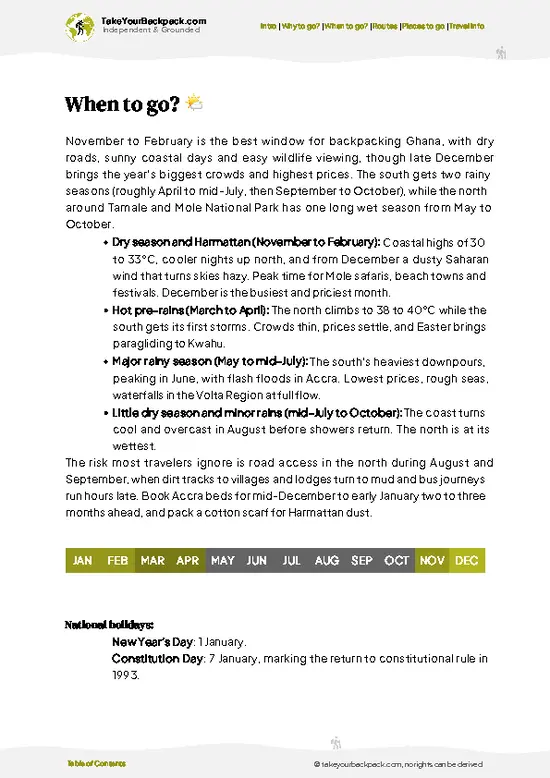
  • Topic: Weather – Wa experiences a tropical climate with a distinct wet season from May to October. Heavy rains can turn trails to mud and disrupt plans. The dry season, November to April, offers more reliable hiking and outdoor activities.

  • Topic: Temperature – Expect highs around 32°C (90°F) during the dry season, cooling slightly at night to 20°C (68°F). The wet season is a bit cooler but more humid, which can sap your energy faster.

  • Topic: Daylight Hours – Daylight remains fairly consistent year-round, roughly 12 hours daily. This steadiness means you won’t lose precious daylight regardless of when you visit.

  • Topic: Crowds – Wa is off the beaten path, so crowds are minimal year-round. However, local festivals in the dry season can bring a lively buzz without overwhelming the town.
read more 👉

  • Topic: Weather – Wa experiences a tropical climate with a distinct wet season from May to October. Heavy rains can turn trails to mud and disrupt plans. The dry season, November to April, offers more reliable hiking and outdoor activities.

  • Topic: Temperature – Expect highs around 32°C (90°F) during the dry season, cooling slightly at night to 20°C (68°F). The wet season is a bit cooler but more humid, which can sap your energy faster.

  • Topic: Daylight Hours – Daylight remains fairly consistent year-round, roughly 12 hours daily. This steadiness means you won’t lose precious daylight regardless of when you visit.

  • Topic: Crowds – Wa is off the beaten path, so crowds are minimal year-round. However, local festivals in the dry season can bring a lively buzz without overwhelming the town.

  • Topic: Seasonal Activities – The dry season is prime for trekking, cultural tours, and visiting nearby natural reserves. The wet season limits outdoor options but offers lush landscapes and fewer travelers.

  • Topic: Price Fluctuations – Accommodation and transport costs dip during the wet season due to lower demand. The dry season sees a slight uptick but still remains budget-friendly compared to Ghana’s southern cities.


Pro-tip: Aim for late November to February to balance dry trails, manageable temperatures, and local cultural events—maximizing comfort without breaking the bank.


source: climatestotravel.comJANJanuary: excellent for travelingFEBFebruary: excellent for travelingMARMarch: highly recommended for travelingAPRApril: highly recommended for travelingMAYMay: fair for travelingJUNJune: fair for travelingJULJuly: fair for travelingAUGAugust: fair for travelingSEPSeptember: fair for travelingOCTOctober: fair for travelingNOVNovember: highly recommended for travelingDECDecember: excellent for traveling
when-to-go

✈️ The backpacker research shortcutGhana Travel Guide

An offline-friendly backpacking guide with optimized travel routes, ranked highlights, transport advice, and the best areas to stay.
example page 0 from our offline Travel Guide for Ghana
example page 1 from our offline Travel Guide for Ghana
example page 2 from our offline Travel Guide for Ghana
example page 3 from our offline Travel Guide for Ghana
example page 4 from our offline Travel Guide for Ghana
example page 5 from our offline Travel Guide for Ghana
example page 6 from our offline Travel Guide for Ghana
example page 7 from our offline Travel Guide for Ghana
The digital guide (424 pages) contains:
111 highlights, ranked by travel appeal
Optimized 5, 10 & 15-day travel routes
Cities, national parks, landmarks, beaches
How to get around
Offline-friendly for travel without Wi-Fi
👉 Click to see all 30+ guide features

📅 Plan smarter in minutes, not weeks
Month by month travel advice
Festivals & national holidays
Budget expectations

🗺️ Go to the right places, skip the overrated ones
Honest pros & cons of destinations
Top hikes, parks & viewpoints
Lesser-known places most travelers miss
Clear “worth it vs skip it” guidance

🛏️ Travel smoothly without rookie mistakes
Best areas to stay
Transport systems explained simply
Common scams & safety advice
SIM cards, money & practical tips

🌍 Understand the country, not just visit it
Culture & traditions
52 Essential phrases & customs
Festivals worth planning around
Traveler-friendly historical context
Insights that make places more meaningful

📱 Built for real travel conditions
Fully downloadable PDF
Works completely offline
Optimized for phone use
Useful in remote areas & buses
Everything in one place
Save weeks of stressful planning
Get instant access to your full guide. 30‑day money-back guarantee.


By proceeding you agree to our terms.
Sent to your inbox immediately after payment • 100% Secure Checkout
Best Backpacking Travel Advisor 2025 tourism awardBest Backpacking
Travel Advisor
2025
What others say about Take Your Backpack Guides:
⭐⭐⭐⭐⭐
Fantastic, amazing amount of information!
⭐⭐⭐⭐⭐
My goodness this is amazing, it's what I've been looking for hats off too you!
⭐⭐⭐⭐⭐
I think this is absolutely BRILLIANT
⭐⭐⭐⭐
Very complete and informative. It's still missing places, but I gotta to commend you
⭐⭐⭐⭐⭐
This is truly amazing, thank you, can't wait to explore it with my kids!
⭐⭐⭐⭐⭐
Awesome resource, thank you!
⭐⭐⭐⭐⭐
This is amazing! Can't wait to explore the ones I haven't seen
⭐⭐⭐⭐
I love this! Well done, great idea.
⭐⭐⭐⭐⭐
Thanks for taking the time to make this gem!
⭐⭐⭐⭐⭐
This might be the best website I've ever seen.
⭐⭐⭐⭐⭐
Congratulations, and thank you so much for your work; it's incredibly valuable.
⭐⭐⭐⭐
In all seriousness I think you did a great job pointing out the important spots
⭐⭐⭐⭐⭐
10/10 very good
⭐⭐⭐⭐⭐
As someone who's only just starting to visit regularly this is awesome, thank you.
⭐⭐⭐⭐
Thank you very much! I'm going to visit my dad, it's going to be very useful!
⭐⭐⭐⭐⭐
This is really cool! We'll be travelling for the first time and this definitely come in handy.
⭐⭐⭐⭐⭐
You are now our minister of culture, congratulations 👨‍💼
⭐⭐⭐⭐⭐
Just wanted to tell you that this is a pearl! Going to follow your recommendations.
⭐⭐⭐⭐⭐
This is so cool. I'll definitely be using the resource for my travels soon.
⭐⭐⭐⭐⭐
This is very impressive! Good work.
⭐⭐⭐⭐⭐
This is an amazing and informative site. Very well done!

🛏️ Where to stay?Best areas to stay in Ghana

In Wa, the best spot for backpackers is the central district around the main market and the university area. This zone strikes a smart balance between safety, social energy, and budget-friendly options. It’s where you’ll find the most hostels and guesthouses catering to solo travelers and budget-conscious visitors. The vibe here is low-key but lively—locals and students mingle, creating a natural social scene without the noise or chaos of a tourist trap.

Compared to the quieter residential neighborhoods on the outskirts, this area offers more chances to connect with people, grab affordable meals, … read more 👉
In Wa, the best spot for backpackers is the central district around the main market and the university area. This zone strikes a smart balance between safety, social energy, and budget-friendly options. It’s where you’ll find the most hostels and guesthouses catering to solo travelers and budget-conscious visitors. The vibe here is low-key but lively—locals and students mingle, creating a natural social scene without the noise or chaos of a tourist trap.

Compared to the quieter residential neighborhoods on the outskirts, this area offers more chances to connect with people, grab affordable meals, and navigate the city easily on foot or by shared taxis. It’s not luxury, but the comfort level is solid for backpackers who value interaction and convenience over plush amenities. Venturing further out might save a bit on cost, but you’ll trade away the social pulse and ease of access that make Wa’s center the logical choice for anyone wanting to maximize their experience without overspending or sacrificing safety.

🚌 Getting aroundHow to get around Wa

Seattle moves with a rhythm that’s part clockwork, part jazz improv. The city’s pulse is set by a mix of strict schedules—especially on the light rail and buses—and the unpredictable flow of foot traffic weaving through Pike Place Market or the waterfront. Here, timing is both a science and an art. You can plan down to the minute, but the city’s hills, weather, and crowds will always throw in a curveball. Mastering Seattle’s transit game means knowing when to trust the timetable and when to lean into the city’s spontaneous energy.


  • Link Light Rail: Runs from the airport through downtown to the University District and beyond, with trains every 6-15 minutes from about 5 AM to 1 AM. At $3.00-$3.25 per ride, it’s fast and reliable, cutting through traffic snarls with ease. Comfort is solid—seats,
read more 👉
Seattle moves with a rhythm that’s part clockwork, part jazz improv. The city’s pulse is set by a mix of strict schedules—especially on the light rail and buses—and the unpredictable flow of foot traffic weaving through Pike Place Market or the waterfront. Here, timing is both a science and an art. You can plan down to the minute, but the city’s hills, weather, and crowds will always throw in a curveball. Mastering Seattle’s transit game means knowing when to trust the timetable and when to lean into the city’s spontaneous energy.


  • Link Light Rail: Runs from the airport through downtown to the University District and beyond, with trains every 6-15 minutes from about 5 AM to 1 AM. At $3.00-$3.25 per ride, it’s fast and reliable, cutting through traffic snarls with ease. Comfort is solid—seats, climate control, and space to stash your pack. Perfect for covering long distances without the hassle of parking or traffic.


  • King County Metro Bus: The backbone of Seattle’s transit, with routes covering nearly every neighborhood. Fares are $2.75 per ride, and buses run from early morning until midnight, though frequency drops late at night. Buses can be slow during rush hour but offer great coverage and flexibility. Comfort varies, but newer buses have Wi-Fi and bike racks, making them a practical choice for budget travelers.


  • Seattle Streetcar: Two lines connect South Lake Union and Capitol Hill to downtown. Runs roughly every 10-15 minutes from 6 AM to midnight, costing $2.50 per ride. It’s slower than the light rail but offers a smooth, scenic ride through vibrant neighborhoods. Ideal if you want to soak in the local vibe without rushing.


  • Walking: Seattle’s compact downtown and adjacent neighborhoods are best explored on foot. The city’s hills demand some stamina, but walking costs nothing and reveals details missed from a bus window—like quirky murals, coffee shops, and the scent of fresh rain on cedar. Plan for 15-30 minutes between major spots, depending on your pace and elevation tolerance.


  • Ride-Sharing (Uber/Lyft): Offers door-to-door convenience, especially late at night or when carrying heavy gear. Prices fluctuate with demand but expect $10-$25 for typical downtown trips. Faster than buses but can get stuck in traffic. Comfort is high, but it’s the most expensive option on this list.

👛 Costs (as of 29 October 2025)Travel costs and budget guide for Wa

Backpacking in Wa, Ghana, offers a straightforward cost structure that reflects its status as a smaller, less tourist-heavy city. Knowing where your money goes helps you decide what to prioritize—time saved, comfort gained, or cash conserved.
  • Dorm Accommodation (High Season): Expect to pay around $8 to $12 per night. High season sees a slight bump due to demand, but options remain basic—think simple beds, shared bathrooms, and limited amenities.
  • Dorm Accommodation (Off-Season): Prices drop to about $5 to $8. The quieter months mean fewer travelers and a better chance to negotiate rates or score a quieter spot.
  • Meals: Local eateries serve hearty meals for $1.50 to $3 each. Sticking to street food and small restaurants keeps costs low without sacrificing flavor or authenticity.
  • Local Transport:
read more 👉
Backpacking in Wa, Ghana, offers a straightforward cost structure that reflects its status as a smaller, less tourist-heavy city. Knowing where your money goes helps you decide what to prioritize—time saved, comfort gained, or cash conserved.
  • Dorm Accommodation (High Season): Expect to pay around $8 to $12 per night. High season sees a slight bump due to demand, but options remain basic—think simple beds, shared bathrooms, and limited amenities.
  • Dorm Accommodation (Off-Season): Prices drop to about $5 to $8. The quieter months mean fewer travelers and a better chance to negotiate rates or score a quieter spot.
  • Meals: Local eateries serve hearty meals for $1.50 to $3 each. Sticking to street food and small restaurants keeps costs low without sacrificing flavor or authenticity.
  • Local Transport: Shared tro-tros and motorbike taxis typically cost between $0.30 and $1 per trip, depending on distance. They’re the go-to for quick, cheap hops around town.
  • City Transport Pass: Wa doesn’t have a formal city transport pass system. Budgeting for individual rides is necessary, so factor in daily transport costs accordingly.
  • Basic Activities/Entry Fees: Cultural sites and local attractions usually charge minimal fees, often under $2. This keeps your exploration budget-friendly while enriching your experience.
  • Miscellaneous Expenses: Budget around $1 to $3 for essentials like bottled water, snacks, or small tips. These add up but remain manageable.

Altogether, a realistic daily budget for backpacking in Wa ranges from about $12 to $22. This balance lets you stretch your dollars without sacrificing the essentials—comfortable sleep, decent meals, and enough local transport to explore. Understanding these trade-offs means you’re not just spending money; you’re investing in the parts of the trip that matter most to you.


source: ghana.travel
⚠️ Prices can change and everyone travels differently, so take this as a rough guide. Hope it helps you plan your adventure!

🚌 Day tripsExploring the surroundings

Using Wa, Ghana as your base opens up a treasure trove of day trips that blend culture, adventure, and local flavor. Here’s how to make the most of your time without breaking the bank.

Kpando
Just a two-hour trot from Wa, Kpando is a vibrant town known for its rich Ewe culture and the stunning Volta River. You can visit the Kpando Pottery Village to see artisans at work, or take a canoe ride on the river. Expect to spend around $10 for transport and a few bucks for pottery souvenirs. The best time to go is during the dry season, when the river is calm. A common mistake? Skipping the local food stalls—don’t miss out on the fresh tilapia!


Wli Waterfalls
A three-hour journey will land you at Wli Waterfalls, the highest in West Africa. The hike to the falls is a mix of lush greenery and … read more 👉
Using Wa, Ghana as your base opens up a treasure trove of day trips that blend culture, adventure, and local flavor. Here’s how to make the most of your time without breaking the bank.

Kpando
Just a two-hour trot from Wa, Kpando is a vibrant town known for its rich Ewe culture and the stunning Volta River. You can visit the Kpando Pottery Village to see artisans at work, or take a canoe ride on the river. Expect to spend around $10 for transport and a few bucks for pottery souvenirs. The best time to go is during the dry season, when the river is calm. A common mistake? Skipping the local food stalls—don’t miss out on the fresh tilapia!


Wli Waterfalls
A three-hour journey will land you at Wli Waterfalls, the highest in West Africa. The hike to the falls is a mix of lush greenery and birdwatching, making it a nature lover’s paradise. Entry is about $3, and transport will run you around $15. The rainy season can make the trails muddy, so aim for the dry months. First-timers often underestimate the hike’s intensity; wear sturdy shoes!
👉 Explore Wli Waterfalls

Tafi Atome Monkey Sanctuary
Just over two hours away, this sanctuary is home to playful Mona monkeys. You can interact with them while learning about conservation efforts. The entrance fee is around $5, and transport costs about $10. Visit in the morning for the best monkey activity. A common pitfall? Forgetting to bring bananas to share with the monkeys—trust me, they’ll love you for it!
👉 Explore Tafi Atome Monkey Sanctuary

Nangodi
A quick 90-minute drive takes you to Nangodi, where you can explore ancient caves and learn about the local history. The caves are a fascinating glimpse into the past, and the entry fee is minimal. The dry season is ideal for exploring. Many first-timers miss the guided tours, which provide invaluable context to the caves’ significance.
Want to know what more Ghana offers?
The Ghana Travel Guide describes 111 highlights, from cities to national parks, from beaches to hikes

Get the Travel Guide -

🍲 FoodLocal Cuisine & Drinks

In Wa, Ghana, food is a vibrant tapestry of flavors that tells the story of the region. Dive into waakye, a hearty dish of rice and beans, often served with fried plantains and spicy stews. Don’t miss out on fufu, a starchy staple that pairs beautifully with rich soups.

Street food stalls are the heartbeat of the city. Here, you can savor kebabs grilled over open flames, their smoky aroma wafting through the air. Markets buzz with energy, where locals gather to share meals and laughter.

When it comes to drinks, try sobolo, a refreshing hibiscus drink that’s both tart and sweet. It’s often enjoyed with meals, embodying the communal spirit of dining in Wa.

Etiquette is simple: share your food and enjoy the company. Eating with your hands is common, so embrace it! This is where the real … read more 👉
In Wa, Ghana, food is a vibrant tapestry of flavors that tells the story of the region. Dive into waakye, a hearty dish of rice and beans, often served with fried plantains and spicy stews. Don’t miss out on fufu, a starchy staple that pairs beautifully with rich soups.

Street food stalls are the heartbeat of the city. Here, you can savor kebabs grilled over open flames, their smoky aroma wafting through the air. Markets buzz with energy, where locals gather to share meals and laughter.

When it comes to drinks, try sobolo, a refreshing hibiscus drink that’s both tart and sweet. It’s often enjoyed with meals, embodying the communal spirit of dining in Wa.

Etiquette is simple: share your food and enjoy the company. Eating with your hands is common, so embrace it! This is where the real flavor lies—both in the food and the connections you make.

🛡️ SafetyTraveler Safety Guide

Wa, Ghana, is generally safe, but like any city, it has its quirks. Stay aware in crowded markets, where pickpockets might lurk. If you’re solo, avoid wandering too far after dark; stick to well-lit areas and main streets.

Common scams include overly friendly locals offering unsolicited help, which can lead to unexpected fees. Politely decline and keep your plans to yourself. Everyday annoyances might include aggressive taxi drivers; agree on a fare before getting in.

Carry yourself confidently. A relaxed demeanor can deter unwanted attention. Trust your instincts, and you’ll navigate Wa with ease.

Other Ghanaian cities near Wa

Explore more nearby:

  • Bawku—Border town, market crossroads, Kusasi culture| 272 km away
  • Salaga—Slave trade relics, northern market, caravan routes| 275 km away
  • Techiman—central market, transport crossroads, yam trading, rural outskirts| 282 km away

💡 Not sure where to go next?
Create a personalized itinerary for Ghana including Wa and the places that fit your trip.

Generate my itinerary

👉 Discover all cities

Or checkout all Ghana has to offer (think cities, towns, villages, national parks, hikes, beaches, festivals)
Country photo of Ghana

We 💚 feedbackSumming up the experience

Wa offers a vibrant cultural tapestry, where you can dive into local traditions and savor authentic dishes that tell stories. But be prepared: the heat can be relentless, and amenities might not always meet Western standards. Embrace the discomfort; it’s part of the adventure. The richness of experience here is worth every bead of sweat.

✈️ When did I visit Ghana?
Ghana I visited in December 2024, starting in Accra following the coast, then up north to Mole National park to finish in the Volta Region.

✍️ Help improve this page!
The information on this page is based on my own backpacking experience in Ghana, supplemented with up-to-date research and feedback from other travelers. Travel details can change, so if you notice anything outdated or incomplete, feel free to let me know.


🙋‍♂️ Give feedback

👋 Meet the founderWho’s Behind Take Your Backpack?

Johan, backpacker and founder of TakeYourBackpackHi, I’m Johan (Netherlands 🇳🇱), the creator of TakeYourBackpack. Over the past decade, I’ve backpacked through 80+ countries across six continents, gaining extensive experience with independent travel, long-term trips, and overland routes.

This site is built on a combination of firsthand travel experience and carefully curated insights from other backpackers. Many guides are based on places I’ve personally visited, while others bring together tips, observations, and practical advice shared by trusted travelers I’ve met along the way.

The goal is to provide realistic, experience-driven guidance — not generic itineraries — so you can explore destinations with better context, clearer expectations, and more confidence.

Get full Ghana guide •
Instant download • 111 highlights • Full Offline guide