×

Greece🇬🇷 | landmarksArchaeological Site of Olympiaancient stadium, temple remains, olive groves | things to do and best time to go

Explore Archaeological Site of MystrasExplore Archaeological Site of Philippi

Backpacking in Archaeological Site of Olympia
UNESCO World Heritage site
👍 Recommendedunique site ranked #5
By Johan Kruseman 🇳🇱 | Updated July 2, 2026

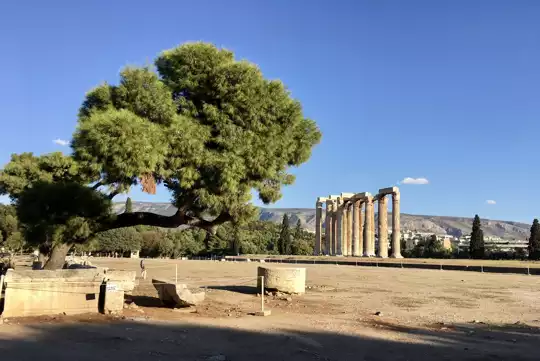
Everyone shows up to Olympia for the “birthplace of the Olympic Games” brag and a photo pretending to sprint in the ancient stadium. Honestly, that’s the least interesting part. What actually hits you is how this ruined sanctuary in the western Peloponnese, near the town of Ancient Olympia, still feels like a quiet religious campus where Greek city-states once tried to outdo each other without killing each other. For backpackers, it’s a mixed win: the wow-factor is subtle, not Parthenon-level drama, and in high season the tour groups can clog the main paths and spike prices. But it’s affordable by European standards, easy enough to reach by bus, and the on-site museum is world-class. Photos are more “soft ruins under pine trees” than epic skyline, but if you like wandering, imagining processions and rivalries, the vibe is slow-burn magic.

Discover everything you want to know in the 📖 Greece Travel Guide.


Get your Greece guide
119 ranked highlights, routes & tips, works offline (412 pages)
Loading the map 🌍
CLICK TO FILTER
cities
towns
villages
landmarks
national parks
hikes
beaches
attractions
festivals
regions
SHOW COUNTRY’S BESTSHOW ALL

✨ Why go?
Ranked #5 unique site in Greece
Why visitors keep coming back

The Archaeological Site of Olympia isn’t just another stop on the tourist trail; it’s a time capsule of ancient Greece that demands your attention. Sure, you’ll dodge crowds snapping selfies, but the real magic lies in the stories whispered by the ruins. Imagine standing where athletes once competed in the original Olympic Games—that’s a connection to history you can’t replicate.

Accessing Olympia is straightforward. It’s a quick detour from Patras or a stop on the way to Athens. The entry fee is low, making it a budget-friendly choice that packs a punch. You’ll wander through the sacred precinct, marvel at the remnants of the Temple of Zeus, and feel the weight of centuries in the air.

This site fits seamlessly into a broader route, allowing you to explore the Peloponnese while soaking … read more 👉
The Archaeological Site of Olympia isn’t just another stop on the tourist trail; it’s a time capsule of ancient Greece that demands your attention. Sure, you’ll dodge crowds snapping selfies, but the real magic lies in the stories whispered by the ruins. Imagine standing where athletes once competed in the original Olympic Games—that’s a connection to history you can’t replicate.

Accessing Olympia is straightforward. It’s a quick detour from Patras or a stop on the way to Athens. The entry fee is low, making it a budget-friendly choice that packs a punch. You’ll wander through the sacred precinct, marvel at the remnants of the Temple of Zeus, and feel the weight of centuries in the air.

This site fits seamlessly into a broader route, allowing you to explore the Peloponnese while soaking in local culture. Don’t just tick it off your list; immerse yourself in the authenticity of a place that shaped civilization. It’s not just a visit; it’s a journey through time.
Want to include Archaeological Site of Olympia in your Greece route?
Create a personalized Greece itinerary that includes Archaeological Site of Olympia and the places that fit your trip — based on your travel style, budget, and available time. Get your route in seconds.

Generate my trip

💡 HighlightsPlaces and moments you shouldn't skip

  1. Temple of Zeus — The heart of Olympia and once home to the chryselephantine Statue of Zeus, one of the Seven Wonders. You’re standing among the massive columns and pediment fragments that hint at how monumental and influential this sanctuary was in the ancient world.
  2. Altar of Zeus — The functional, rough-hewn center of ancient worship where sacrifices actually happened; its sheer size and position in the Altis give you a real sense of ancient ritual life, much more visceral than marble alone.
  3. Stadium — The original Olympic stadium with the ancient starting line (balbis) and a straight, surviving track. You can walk — or sprint, if you’re cheeky — the same ground used by early Olympians; personal favorite for the goosebump factor and the ridiculous fun of pretending you’re racing in a tunic.
read more 👉
  1. Temple of Zeus — The heart of Olympia and once home to the chryselephantine Statue of Zeus, one of the Seven Wonders. You’re standing among the massive columns and pediment fragments that hint at how monumental and influential this sanctuary was in the ancient world.
  2. Altar of Zeus — The functional, rough-hewn center of ancient worship where sacrifices actually happened; its sheer size and position in the Altis give you a real sense of ancient ritual life, much more visceral than marble alone.
  3. Stadium — The original Olympic stadium with the ancient starting line (balbis) and a straight, surviving track. You can walk — or sprint, if you’re cheeky — the same ground used by early Olympians; personal favorite for the goosebump factor and the ridiculous fun of pretending you’re racing in a tunic.
  4. Temple of Hera — One of the oldest buildings at Olympia, intimate and quietly powerful. It’s also traditionally linked to the Heraean Games and is where the modern Olympic flame is lit before each Games, which keeps the continuity alive.
  5. Archaeological Museum of Olympia — Not just dusty things: it houses masterpieces like the Hermes of Praxiteles and the sculpted pediments from the Temple of Zeus. Seeing those original sculptures in a compact, well-presented space makes the ruins click into place.
  6. Workshop of Pheidias — The rare chance to see the actual workshop area of the sculptor who made the Statue of Zeus and other major works. Tool marks, molds and fragments give a vivid peek into how those masterpieces were produced, not just where they stood.
  7. Philippeion and the Altis grove — The Philippeion is a unique circular memorial celebrating Philip II’s dynasty (oddball architecture among Doric temples), and the surrounding sacred grove (Altis) is a peaceful, shady patch that still feels reverent — great for slow exploration and photos.
Spotted a mistake or missing something? Contact us.

Things to do around Archaeological Site of Olympia

Ratings based on Tripadvisor reviews. When you book through this link, you support our work at no extra cost to you.

🌤️ When to go?Seasonal considerations and timing


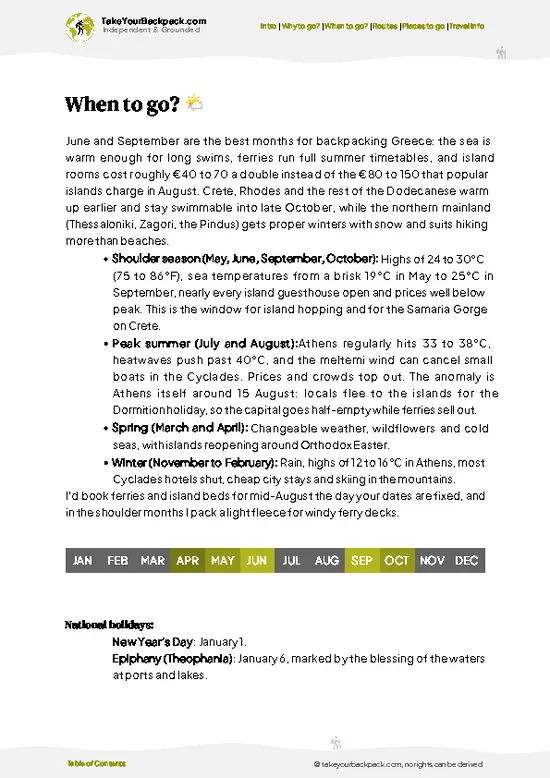
  • Weather: Summers scorch Olympia with highs often hitting 33-35°C (91-95°F). If you’re not a fan of baking under the relentless sun, avoid July and August. Spring and fall offer mild, pleasant weather—perfect for wandering ruins without feeling like a roasted lamb.

  • Temperature: Winters are cool but rarely freezing, averaging 8-15°C (46-59°F). It’s comfortable for exploring if you layer up. Spring and autumn hover around 18-24°C (64-75°F), ideal for long days outside without overheating or shivering.

  • Daylight Hours: Peak summer gives you up to 14-15 hours of daylight, which sounds great until you realize the heat zaps your energy. Spring and fall balance decent daylight (10-12 hours) with manageable temperatures, letting you explore at a steady pace.

  • Crowds: July and August bring throngs
read more 👉

  • Weather: Summers scorch Olympia with highs often hitting 33-35°C (91-95°F). If you’re not a fan of baking under the relentless sun, avoid July and August. Spring and fall offer mild, pleasant weather—perfect for wandering ruins without feeling like a roasted lamb.

  • Temperature: Winters are cool but rarely freezing, averaging 8-15°C (46-59°F). It’s comfortable for exploring if you layer up. Spring and autumn hover around 18-24°C (64-75°F), ideal for long days outside without overheating or shivering.

  • Daylight Hours: Peak summer gives you up to 14-15 hours of daylight, which sounds great until you realize the heat zaps your energy. Spring and fall balance decent daylight (10-12 hours) with manageable temperatures, letting you explore at a steady pace.

  • Crowds: July and August bring throngs of tourists, turning the site into a slow-moving parade. Shoulder seasons (April-June, September-October) see fewer visitors, so you get more breathing room and better photo ops without the herd.

  • Seasonal Activities: The ancient Olympic Games reenactments and cultural events usually happen in late summer or early fall, adding a layer of local flavor. If you want to catch these, plan accordingly, but brace for crowds.

  • Price Fluctuations: Accommodation and flights spike in summer. Booking in shoulder seasons can save you a solid 20-30%, letting you splurge on a guided tour or a local meal instead.


Pro-tip: Aim for late April to early June or September to early October—cool enough to enjoy the ruins, light crowds, and wallet-friendly prices. Skip the peak heat and tourist crush; Olympia deserves your full attention, not your sweat and impatience.


source: climatestotravel.comJANJanuary: good for travelingFEBFebruary: good for travelingMARMarch: highly recommended for travelingAPRApril: excellent for travelingMAYMay: excellent for travelingJUNJune: highly recommended for travelingJULJuly: fair for travelingAUGAugust: fair for travelingSEPSeptember: excellent for travelingOCTOctober: excellent for travelingNOVNovember: good for travelingDECDecember: good for traveling
greece-unique-site-archaeological-site-of-olympia
© Google | Fabio Orfeo

✈️ The backpacker research shortcutGreece Travel Guide

An offline-friendly backpacking guide with optimized travel routes, ranked highlights, transport advice, and the best areas to stay.
example page 0 from our offline Travel Guide for Greece
example page 1 from our offline Travel Guide for Greece
example page 2 from our offline Travel Guide for Greece
example page 3 from our offline Travel Guide for Greece
example page 4 from our offline Travel Guide for Greece
example page 5 from our offline Travel Guide for Greece
example page 6 from our offline Travel Guide for Greece
example page 7 from our offline Travel Guide for Greece
The digital guide (412 pages) contains:
119 highlights, ranked by travel appeal
Optimized 5, 10 & 15-day travel routes
Cities, national parks, landmarks, beaches
How to get around
Offline-friendly for travel without Wi-Fi
👉 Click to see all 30+ guide features

📅 Plan smarter in minutes, not weeks
Month by month travel advice
Festivals & national holidays
Budget expectations

🗺️ Go to the right places, skip the overrated ones
Honest pros & cons of destinations
Top hikes, parks & viewpoints
Lesser-known places most travelers miss
Clear “worth it vs skip it” guidance

🛏️ Travel smoothly without rookie mistakes
Best areas to stay
Transport systems explained simply
Common scams & safety advice
SIM cards, money & practical tips

🌍 Understand the country, not just visit it
Culture & traditions
52 Essential phrases & customs
Festivals worth planning around
Traveler-friendly historical context
Insights that make places more meaningful

📱 Built for real travel conditions
Fully downloadable PDF
Works completely offline
Optimized for phone use
Useful in remote areas & buses
Everything in one place
Save weeks of stressful planning
Get instant access to your full guide. 30‑day money-back guarantee.


By proceeding you agree to our terms.
Sent to your inbox immediately after payment • 100% Secure Checkout
Best Backpacking Travel Advisor 2025 tourism awardBest Backpacking
Travel Advisor
2025
What others say about Take Your Backpack Guides:
⭐⭐⭐⭐⭐
Fantastic, amazing amount of information!
⭐⭐⭐⭐⭐
My goodness this is amazing, it's what I've been looking for hats off too you!
⭐⭐⭐⭐⭐
I think this is absolutely BRILLIANT
⭐⭐⭐⭐
Very complete and informative. It's still missing places, but I gotta to commend you
⭐⭐⭐⭐⭐
This is truly amazing, thank you, can't wait to explore it with my kids!
⭐⭐⭐⭐⭐
Awesome resource, thank you!
⭐⭐⭐⭐⭐
This is amazing! Can't wait to explore the ones I haven't seen
⭐⭐⭐⭐
I love this! Well done, great idea.
⭐⭐⭐⭐⭐
Thanks for taking the time to make this gem!
⭐⭐⭐⭐⭐
This might be the best website I've ever seen.
⭐⭐⭐⭐⭐
Congratulations, and thank you so much for your work; it's incredibly valuable.
⭐⭐⭐⭐
In all seriousness I think you did a great job pointing out the important spots
⭐⭐⭐⭐⭐
10/10 very good
⭐⭐⭐⭐⭐
As someone who's only just starting to visit regularly this is awesome, thank you.
⭐⭐⭐⭐
Thank you very much! I'm going to visit my dad, it's going to be very useful!
⭐⭐⭐⭐⭐
This is really cool! We'll be travelling for the first time and this definitely come in handy.
⭐⭐⭐⭐⭐
You are now our minister of culture, congratulations 👨‍💼
⭐⭐⭐⭐⭐
Just wanted to tell you that this is a pearl! Going to follow your recommendations.
⭐⭐⭐⭐⭐
This is so cool. I'll definitely be using the resource for my travels soon.
⭐⭐⭐⭐⭐
This is very impressive! Good work.
⭐⭐⭐⭐⭐
This is an amazing and informative site. Very well done!

🛏️ Where to stay?Choosing the right base

Staying near the Archaeological Site of Olympia can be a mixed bag. The crowds can be overwhelming, especially in peak season. But don’t let that deter you; there’s real magic in the area if you know where to look.

Head to the town of Olympia itself. It’s a compact hub with a lively atmosphere. You’ll find budget-friendly accommodations that cater to backpackers. The vibe is social, making it easy to meet fellow travelers. Plus, you’re just a short walk from the ruins, which means you can beat the early morning rush.

Another option is to explore nearby villages like Krestena. It’s quieter, with … read more 👉
Staying near the Archaeological Site of Olympia can be a mixed bag. The crowds can be overwhelming, especially in peak season. But don’t let that deter you; there’s real magic in the area if you know where to look.

Head to the town of Olympia itself. It’s a compact hub with a lively atmosphere. You’ll find budget-friendly accommodations that cater to backpackers. The vibe is social, making it easy to meet fellow travelers. Plus, you’re just a short walk from the ruins, which means you can beat the early morning rush.

Another option is to explore nearby villages like Krestena. It’s quieter, with a more local feel. You’ll get a taste of authentic Greek life, and the prices are often lower. The locals are friendly, and you might even score some homemade meals.

Don’t overlook the camping options if you’re feeling adventurous. There are spots that let you sleep under the stars, surrounded by nature. Just be prepared for the elements.

Ultimately, whether you choose the bustling town or a quieter village, the key is to embrace the experience. The history here is profound, and the journey is worth every step.

👛 Costs (as of 30 January 2025)What things cost and how to budget

Visiting the Archaeological Site of Olympia can be a rewarding experience, but it’s essential to know what you’re getting into financially.
  • Entrance Fee: Expect to pay around €12 to €18 for a standard ticket. This grants you access to the site and the museum. If you’re visiting during the off-season, you might snag a discount, but don’t count on it being significant.
  • Guided Tours: If you want to dive deeper into the history, guided tours range from €20 to €50. These often include a knowledgeable guide who can bring the ruins to life. It’s worth it if you crave context over just wandering around.
  • Transportation: Getting to Olympia can vary. A bus from Athens costs about €20 each way. If you’re driving, factor in fuel costs and parking fees, which can add another €5 to €10. Taxis are pricier, often
read more 👉
Visiting the Archaeological Site of Olympia can be a rewarding experience, but it’s essential to know what you’re getting into financially.
  • Entrance Fee: Expect to pay around €12 to €18 for a standard ticket. This grants you access to the site and the museum. If you’re visiting during the off-season, you might snag a discount, but don’t count on it being significant.
  • Guided Tours: If you want to dive deeper into the history, guided tours range from €20 to €50. These often include a knowledgeable guide who can bring the ruins to life. It’s worth it if you crave context over just wandering around.
  • Transportation: Getting to Olympia can vary. A bus from Athens costs about €20 each way. If you’re driving, factor in fuel costs and parking fees, which can add another €5 to €10. Taxis are pricier, often exceeding €100 for a round trip.
  • Food and Drink: Dining in Olympia can be a mixed bag. A meal at a local taverna will set you back about €15 to €25. If you’re on a budget, grab a quick souvlaki for around €5. Water and snacks are generally affordable, but don’t expect supermarket prices.
  • Souvenirs: If you’re looking to take a piece of Olympia home, budget around €5 to €30 for trinkets or local crafts. The prices can vary widely, so shop around to avoid tourist traps.

Be prepared for crowds, especially in peak season. The site is popular, and you’ll want to arrive early to soak in the atmosphere before the tour buses roll in. The real magic lies in the stories of the ancient athletes and the spirit of the games, which you can feel in the air.
⚠️ Prices can change and everyone travels differently, so take this as a rough guide. Hope it helps you plan your adventure!

Other Greek landmarks near Archaeological Site of Olympia

Explore more nearby:


💡 Not sure where to go next?
Create a personalized itinerary for Greece including Archaeological Site of Olympia and the places that fit your trip.

Generate my itinerary

👉 Discover all landmarks

Or checkout all Greece has to offer (think cities, towns, villages, national parks, hikes, beaches, festivals)
Country photo of Greece

We 💚 feedbackIs it worth it?

The Archaeological Site of Olympia is a must-see for its raw, historical weight. Walking among the ruins, you can almost hear the echoes of ancient athletes. But let’s be real: it can get packed, especially in summer. You’ll be dodging selfie sticks and tour groups. Still, if you can time your visit for early morning or late afternoon, you’ll find a moment of peace that makes the journey worthwhile.

✈️ When did I visit Greece?
Europe has so many beautiful countries in a relative close distance. This allowed me to squeeze in Greece in October 2020.

✍️ Help improve this page!
The information on this page is based on my own backpacking experience in Greece, supplemented with up-to-date research and feedback from other travelers. Travel details can change, so if you notice anything outdated or incomplete, feel free to let me know.


🙋‍♂️ Give feedback

👋 Meet the founderWho’s Behind Take Your Backpack?

Johan, backpacker and founder of TakeYourBackpackHi, I’m Johan (Netherlands 🇳🇱), the creator of TakeYourBackpack. Over the past decade, I’ve backpacked through 80+ countries across six continents, gaining extensive experience with independent travel, long-term trips, and overland routes.

This site is built on a combination of firsthand travel experience and carefully curated insights from other backpackers. Many guides are based on places I’ve personally visited, while others bring together tips, observations, and practical advice shared by trusted travelers I’ve met along the way.

The goal is to provide realistic, experience-driven guidance — not generic itineraries — so you can explore destinations with better context, clearer expectations, and more confidence.

Get full Greece guide •
Instant download • 119 highlights • Full Offline guide