×

Greece🇬🇷 | landmarksArchaeological Site of PhilippiRoman forum, early Christian basilicas, battlefield plain | things to do and best time to go

Explore Archaeological Site of OlympiaExplore Meteora

Backpacking in Archaeological Site of Philippi
UNESCO World Heritage site
👀 For curious travelersunique site ranked #9
By Johan Kruseman 🇳🇱 | Updated September 4, 2026

Most people only realize after they leave that Philippi is one of the few major ancient sites in Greece where you can still wander without feeling herded or rushed. It sits in Northern Greece, in Eastern Macedonia, just inland from Kavala on the road toward Drama. As a backpacker spot, it’s low-glam, high-brain. The wow-factor is quiet: ruined theaters, basilicas, and that eerie sense of walking through early Christian history, not marble postcards. Crowds are light, prices sane, and you can actually hear your own thoughts. On the flip side, it’s spread out, brutally hot in summer, and the signage won’t hold your hand. Photos are more “serious ruins and big skies” than viral eye-candy, but that’s exactly why I’d go back.

Discover everything you want to know in the 📖 Greece Travel Guide.


Get your Greece guide
119 ranked highlights, routes & tips, works offline (412 pages)
Loading the map 🌍
CLICK TO FILTER
cities
towns
villages
landmarks
national parks
hikes
beaches
attractions
festivals
regions
SHOW COUNTRY’S BESTSHOW ALL

✨ Why go?
Ranked #9 unique site in Greece
Why Archaeological Site of Philippi should be on your travel list

The Archaeological Site of Philippi in Greece isn’t just another dusty ruin; it’s a treasure trove of history that packs a punch for backpackers. Sure, you’ll dodge the crowds, but that’s part of the charm. The cost? Minimal. A small entry fee opens the door to a site that echoes with stories of ancient battles and early Christianity.

What makes Philippi stand out is its uniqueness. You can walk through the remains of a Roman forum, see the early Christian basilica, and even stand where St. Paul preached. It’s not just a stop; it’s a journey through time.

Plus, it fits seamlessly into a broader route through Northern Greece. Pair it with a hike in Mount Athos or a dip in Kavala’s beaches. The effort-to-reward ratio is off the charts here. You’ll leave with more than just photos; you’ll carry a piece of history in your heart.
Want to include Archaeological Site of Philippi in your Greece route?
Create a personalized Greece itinerary that includes Archaeological Site of Philippi and the places that fit your trip — based on your travel style, budget, and available time. Get your route in seconds.

Generate my trip

💡 HighlightsTop highlights of Archaeological Site of Philippi

  • Theatre — A surprisingly well-preserved Hellenistic theatre later reused by the Romans; the sightlines and acoustics are excellent and it still hosts performances in summer. It’s easy to imagine the town’s political life and festivals unfolding here — and it’s my personal favorite for sunset photos and just sitting with the stones.
  • Roman Forum (Agora) and Market Streets — The civic heart of Roman Philippi with column bases, shop fronts and paved streets. You can trace everyday life here: where people bought food, argued business and read the public notices — it’s the place that makes the city feel lived-in rather than just ancient.
  • Early Christian Basilicas and Baptistery — Remains of large basilicas and a stone-built baptistery attest to Philippi’s important role in early Christianity
read more 👉
  • Theatre — A surprisingly well-preserved Hellenistic theatre later reused by the Romans; the sightlines and acoustics are excellent and it still hosts performances in summer. It’s easy to imagine the town’s political life and festivals unfolding here — and it’s my personal favorite for sunset photos and just sitting with the stones.
  • Roman Forum (Agora) and Market Streets — The civic heart of Roman Philippi with column bases, shop fronts and paved streets. You can trace everyday life here: where people bought food, argued business and read the public notices — it’s the place that makes the city feel lived-in rather than just ancient.
  • Early Christian Basilicas and Baptistery — Remains of large basilicas and a stone-built baptistery attest to Philippi’s important role in early Christianity (Paul’s visits are a major reason). The mosaics and layout show how the city transitioned from a Roman colony to a Christian community — tangible, quiet evidence of that cultural shift.
  • Via Egnatia (the Roman Road) — Stretches of the original paving survive; this is the same road that once linked east and west and carried armies, merchants and Paul himself into Europe. Walking it gives a real sense of movement through history — and it’s a neat way to feel connected to the broad sweep of Roman infrastructure.
  • Battlefield and Tumuli of Philippi — The plain around the city is where the decisive 42 BC battle between the forces of Antony/Octavian and Brutus/Cassius took place. Low burial mounds and the layout of the fields let you picture the clash that changed Roman history — heavy stuff, but compelling to stand on.
  • City Walls, Gates and Fortifications — Layers of Hellenistic, Roman and Byzantine walls and gates are still visible, showing how the city’s defensive needs evolved. Climb a rampart for surprisingly good views across the plain and a sense of Philippi’s strategic position.
  • Philippi Archaeological Museum — Small, compact and worth the detour: collections of pottery, inscriptions, coins and mosaic panels pulled from the site. It adds context to what you’ve already walked through and is a solid backup if the weather turns.
Spotted a mistake or missing something? Contact us.

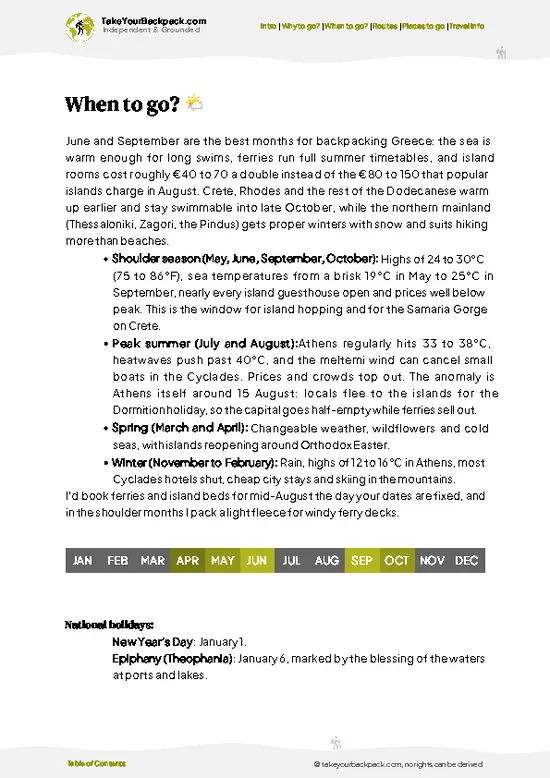
🌤️ When to go?Choosing the right time of year


  • Weather: Summers scorch Philippi with highs often hitting 32°C (90°F), making midday exploration brutal. Spring and fall offer milder, more forgiving temperatures around 20-25°C (68-77°F), perfect for wandering ruins without frying your brain.

  • Temperature: Winters dip to a chilly 5-10°C (41-50°F), which can be damp and gray, killing the vibe. Late spring and early autumn strike the sweet spot—warm enough to ditch layers but cool enough to stay energized.

  • Daylight Hours: In summer, you get long days—up to 14 hours of light—ideal for squeezing in extra hikes or nearby sites. Winter days shrink to about 9 hours, limiting your window for exploration.

  • Crowds: Peak season (June to August) means throngs of tourists, especially midday. Early morning or late afternoon visits in shoulder seasons
read more 👉

  • Weather: Summers scorch Philippi with highs often hitting 32°C (90°F), making midday exploration brutal. Spring and fall offer milder, more forgiving temperatures around 20-25°C (68-77°F), perfect for wandering ruins without frying your brain.

  • Temperature: Winters dip to a chilly 5-10°C (41-50°F), which can be damp and gray, killing the vibe. Late spring and early autumn strike the sweet spot—warm enough to ditch layers but cool enough to stay energized.

  • Daylight Hours: In summer, you get long days—up to 14 hours of light—ideal for squeezing in extra hikes or nearby sites. Winter days shrink to about 9 hours, limiting your window for exploration.

  • Crowds: Peak season (June to August) means throngs of tourists, especially midday. Early morning or late afternoon visits in shoulder seasons let you enjoy the site with fewer selfie sticks in your shot.

  • Seasonal Activities: Spring and fall bring local festivals and fresher landscapes, adding layers to your visit beyond just ruins. Summer’s heat often sidelines these extras.

  • Price Fluctuations: Expect higher accommodation and travel costs in summer. Shoulder seasons offer better deals and a more relaxed vibe without sacrificing the experience.


Pro-tip: Aim for late April to early June or September to mid-October—cooler temps, manageable crowds, and a richer cultural backdrop make Philippi feel like it’s all yours.


source: climatestotravel.comJANJanuary: fair for travelingFEBFebruary: fair for travelingMARMarch: good for travelingAPRApril: highly recommended for travelingMAYMay: excellent for travelingJUNJune: highly recommended for travelingJULJuly: fair for travelingAUGAugust: fair for travelingSEPSeptember: excellent for travelingOCTOctober: highly recommended for travelingNOVNovember: good for travelingDECDecember: fair for traveling
greece-unique-site-archaeological-site-of-philippi
© Google | Anargk

✈️ The backpacker research shortcutGreece Travel Guide

An offline-friendly backpacking guide with optimized travel routes, ranked highlights, transport advice, and the best areas to stay.
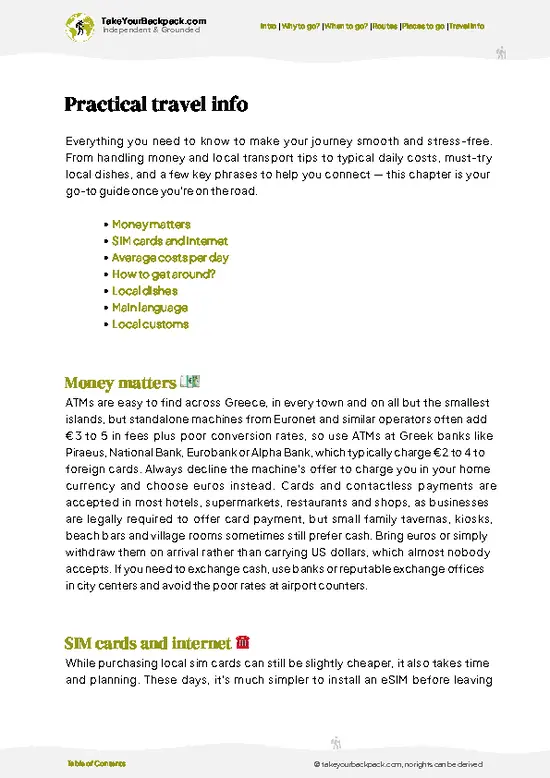
example page 0 from our offline Travel Guide for Greece
example page 1 from our offline Travel Guide for Greece
example page 2 from our offline Travel Guide for Greece
example page 3 from our offline Travel Guide for Greece
example page 4 from our offline Travel Guide for Greece
example page 5 from our offline Travel Guide for Greece
example page 6 from our offline Travel Guide for Greece
example page 7 from our offline Travel Guide for Greece
The digital guide (412 pages) contains:
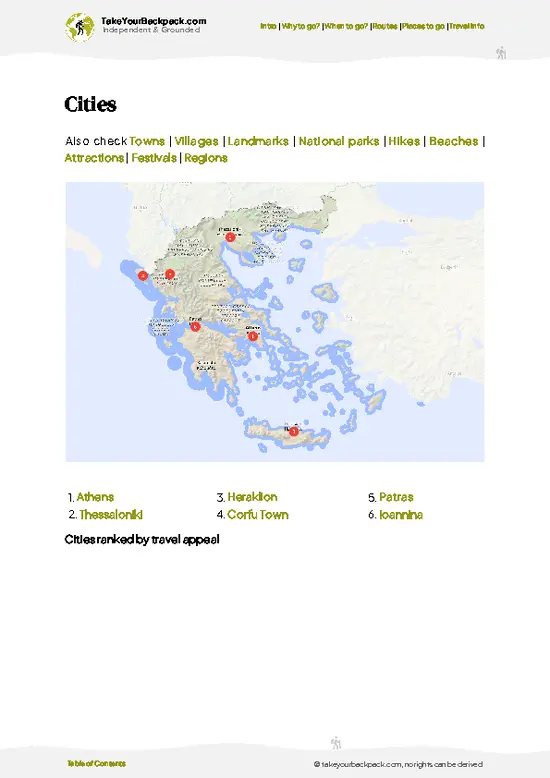
119 highlights, ranked by travel appeal
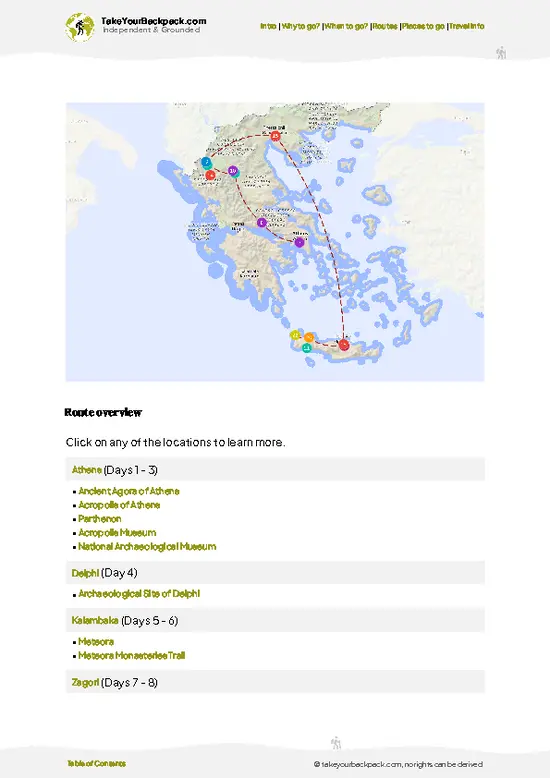
Optimized 5, 10 & 15-day travel routes
Cities, national parks, landmarks, beaches
How to get around
Offline-friendly for travel without Wi-Fi
👉 Click to see all 30+ guide features

📅 Plan smarter in minutes, not weeks
Month by month travel advice
Festivals & national holidays
Budget expectations

🗺️ Go to the right places, skip the overrated ones
Honest pros & cons of destinations
Top hikes, parks & viewpoints
Lesser-known places most travelers miss
Clear “worth it vs skip it” guidance

🛏️ Travel smoothly without rookie mistakes
Best areas to stay
Transport systems explained simply
Common scams & safety advice
SIM cards, money & practical tips

🌍 Understand the country, not just visit it
Culture & traditions
52 Essential phrases & customs
Festivals worth planning around
Traveler-friendly historical context
Insights that make places more meaningful

📱 Built for real travel conditions
Fully downloadable PDF
Works completely offline
Optimized for phone use
Useful in remote areas & buses
Everything in one place
Save weeks of stressful planning
Get instant access to your full guide. 30‑day money-back guarantee.
+ Add another guide for just US$7.80

By proceeding you agree to our terms.
Sent to your inbox immediately after payment • 100% Secure Checkout
Best Backpacking Travel Advisor 2025 tourism awardBest Backpacking
Travel Advisor
2025
What others say about Take Your Backpack Guides:
⭐⭐⭐⭐⭐
Fantastic, amazing amount of information!
⭐⭐⭐⭐⭐
My goodness this is amazing, it's what I've been looking for hats off too you!
⭐⭐⭐⭐⭐
I think this is absolutely BRILLIANT
⭐⭐⭐⭐
Very complete and informative. It's still missing places, but I gotta to commend you
⭐⭐⭐⭐⭐
This is truly amazing, thank you, can't wait to explore it with my kids!
⭐⭐⭐⭐⭐
Awesome resource, thank you!
⭐⭐⭐⭐⭐
This is amazing! Can't wait to explore the ones I haven't seen
⭐⭐⭐⭐
I love this! Well done, great idea.
⭐⭐⭐⭐⭐
Thanks for taking the time to make this gem!
⭐⭐⭐⭐⭐
This might be the best website I've ever seen.
⭐⭐⭐⭐⭐
Congratulations, and thank you so much for your work; it's incredibly valuable.
⭐⭐⭐⭐
In all seriousness I think you did a great job pointing out the important spots
⭐⭐⭐⭐⭐
10/10 very good
⭐⭐⭐⭐⭐
As someone who's only just starting to visit regularly this is awesome, thank you.
⭐⭐⭐⭐
Thank you very much! I'm going to visit my dad, it's going to be very useful!
⭐⭐⭐⭐⭐
This is really cool! We'll be travelling for the first time and this definitely come in handy.
⭐⭐⭐⭐⭐
You are now our minister of culture, congratulations 👨‍💼
⭐⭐⭐⭐⭐
Just wanted to tell you that this is a pearl! Going to follow your recommendations.
⭐⭐⭐⭐⭐
This is so cool. I'll definitely be using the resource for my travels soon.
⭐⭐⭐⭐⭐
This is very impressive! Good work.
⭐⭐⭐⭐⭐
This is an amazing and informative site. Very well done!

🛏️ Where to stay?Choosing the right base

Staying near the Archaeological Site of Philippi is all about finding that sweet spot between history and community. Head to the town of Kavala, just a short drive away. It’s buzzing with backpackers and offers a mix of affordable accommodations. You’ll find lively cafes and bars where you can swap stories with fellow travelers.

Another option is the village of Krinides, which is even closer to the site. It’s quieter, but you’ll get a more authentic feel of local life. Here, you can chat with residents who are often eager to share their culture and history.

Safety is solid in both areas, and … read more 👉
Staying near the Archaeological Site of Philippi is all about finding that sweet spot between history and community. Head to the town of Kavala, just a short drive away. It’s buzzing with backpackers and offers a mix of affordable accommodations. You’ll find lively cafes and bars where you can swap stories with fellow travelers.

Another option is the village of Krinides, which is even closer to the site. It’s quieter, but you’ll get a more authentic feel of local life. Here, you can chat with residents who are often eager to share their culture and history.

Safety is solid in both areas, and you’ll feel comfortable wandering around, even at night. Plus, the proximity to the site means you can beat the crowds by visiting early in the morning. Embrace the chance to explore the ruins without the Instagram filter—just you, the ancient stones, and the stories they hold.

👛 Costs (as of 4 September 2026)Money, prices, and spending tips

Visiting the Archaeological Site of Philippi in Greece can be a rewarding experience, but it’s essential to know what to expect in terms of costs.
  • Entrance Fee: The entrance fee typically ranges from €8 to €12. This fee grants you access to the site and its impressive ruins, including the ancient theater and early Christian basilicas. Keep in mind that prices may vary depending on the season or if there are any special exhibitions.
  • Guided Tours: If you want a deeper understanding of the site, guided tours usually cost between €15 and €30 per person. These tours can enhance your experience, providing context and stories that you might miss on your own. Look for local guides who are knowledgeable and passionate about the history.
  • Transportation: Getting to Philippi can vary. If you’re coming from
read more 👉
Visiting the Archaeological Site of Philippi in Greece can be a rewarding experience, but it’s essential to know what to expect in terms of costs.
  • Entrance Fee: The entrance fee typically ranges from €8 to €12. This fee grants you access to the site and its impressive ruins, including the ancient theater and early Christian basilicas. Keep in mind that prices may vary depending on the season or if there are any special exhibitions.
  • Guided Tours: If you want a deeper understanding of the site, guided tours usually cost between €15 and €30 per person. These tours can enhance your experience, providing context and stories that you might miss on your own. Look for local guides who are knowledgeable and passionate about the history.
  • Transportation: Getting to Philippi can vary. If you’re coming from Kavala, expect to pay around €5 to €10 for a bus ticket. Renting a car can cost about €30 to €50 per day, depending on the rental company and season. Factor in fuel costs if you go this route.
  • Food and Drink: Dining options near the site can range from €10 to €25 per meal. Local tavernas offer authentic Greek dishes at reasonable prices. If you’re on a tight budget, grab some snacks or a sandwich for around €5 to €10.
  • Souvenirs: If you’re looking to take home a piece of Philippi, budget around €5 to €20 for souvenirs. Local artisans often sell handmade items that reflect the region’s culture and history.

Understanding these costs will help you plan your visit without any surprises. The real magic of Philippi lies in its history and the stories etched into its stones, making it a worthwhile stop on your Greek adventure.
⚠️ Prices can change and everyone travels differently, so take this as a rough guide. Hope it helps you plan your adventure!

FAQFrequently asked questions about Archaeological Site of Philippi

The Archaeological Site of Philippi is an ancient city in Greece known for its well-preserved Roman ruins, including a forum, basilicas, a theater, and early Christian sites. It was founded in 356 BC and is a UNESCO World Heritage Site. The site is historically significant for the Battle of Philippi and its connection to Apostle Paul.
You need about 2 to 3 hours to visit the Archaeological Site of Philippi thoroughly. This allows time to explore the main ruins, including the theater, forum, and basilicas, without rushing. Guided tours or audio guides can enhance the experience but may extend the visit time.
To get to the Archaeological Site of Philippi, travel to the city of Kavala in northern Greece, which is about 12 kilometers away. From Kavala, you can take a local bus or taxi to the site. The nearest major airport is Kavala International Airport, approximately 30 kilometers from Philippi.
⚠️ Things can change over time, so always validate details locally before you go.

Other Greek landmarks near Archaeological Site of Philippi

Explore more nearby:

  • Meteora—towering rock pillars, cliffside monasteries, winding stone steps| 268 km away
  • Archaeological Site of Delphi—mountain slopes, oracle remains, sacred way| 320 km away
  • Parthenon—Doric columns, sculpted frieze, temple platform| 342 km away

💡 Not sure where to go next?
Create a personalized itinerary for Greece including Archaeological Site of Philippi and the places that fit your trip.

Generate my itinerary

👉 Discover all landmarks

Or checkout all Greece has to offer (think cities, towns, villages, national parks, hikes, beaches, festivals)
Country photo of Greece

We 💚 feedbackWhat to keep in mind

Visiting the Archaeological Site of Philippi is like stepping into a living history book. The sheer scale of the ruins and the stories they tell about early Christianity are mind-blowing. But let’s be real: the crowds can be overwhelming, especially in summer. If you can handle that, the experience is worth every step. Just be prepared to share the space with a lot of other history buffs.

✈️ When did I visit Greece?
Europe has so many beautiful countries in a relative close distance. This allowed me to squeeze in Greece in October 2020.

✍️ Help improve this page!
The information on this page is based on my own backpacking experience in Greece, supplemented with up-to-date research and feedback from other travelers. Travel details can change, so if you notice anything outdated or incomplete, feel free to let me know.


🙋‍♂️ Give feedback

👋 Meet the founderWho’s Behind Take Your Backpack?

Johan, backpacker and founder of TakeYourBackpackHi, I’m Johan (Netherlands 🇳🇱), the creator of TakeYourBackpack. Over the past decade, I’ve backpacked through 80+ countries across six continents, gaining extensive experience with independent travel, long-term trips, and overland routes.

This site is built on a combination of firsthand travel experience and carefully curated insights from other backpackers. Many guides are based on places I’ve personally visited, while others bring together tips, observations, and practical advice shared by trusted travelers I’ve met along the way.

The goal is to provide realistic, experience-driven guidance — not generic itineraries — so you can explore destinations with better context, clearer expectations, and more confidence.

Get full Greece guide •
Instant download • 119 highlights • Full Offline guide