How many villages: I advise two to four villages on a trip of two weeks, because each stop costs a day in transfers and weather often steals another. In practice you want a day to wander harbor paths, a day for a boat or hike, and a spare day when the helicopter does not fly. Fewer stops let you hear the dogs at dawn and share a coffee in a kitchen rather than a departure hall.
Which kind to prioritize: Choose by travel style. Larger, well-connected settlements in the southwest and Disko Bay suit first-timers and budget travelers, with guesthouses, a supermarket, hiking trails and organized boat trips. Small, remote villages in the east and far north suit experienced independent travelers who accept limited food, uncertain transport and outdoor toilets in some lodgings. The reward is quiet …
read more 👉 How many villages: I advise two to four villages on a trip of two weeks, because each stop costs a day in transfers and weather often steals another. In practice you want a day to wander harbor paths, a day for a boat or hike, and a spare day when the helicopter does not fly. Fewer stops let you hear the dogs at dawn and share a coffee in a kitchen rather than a departure hall.
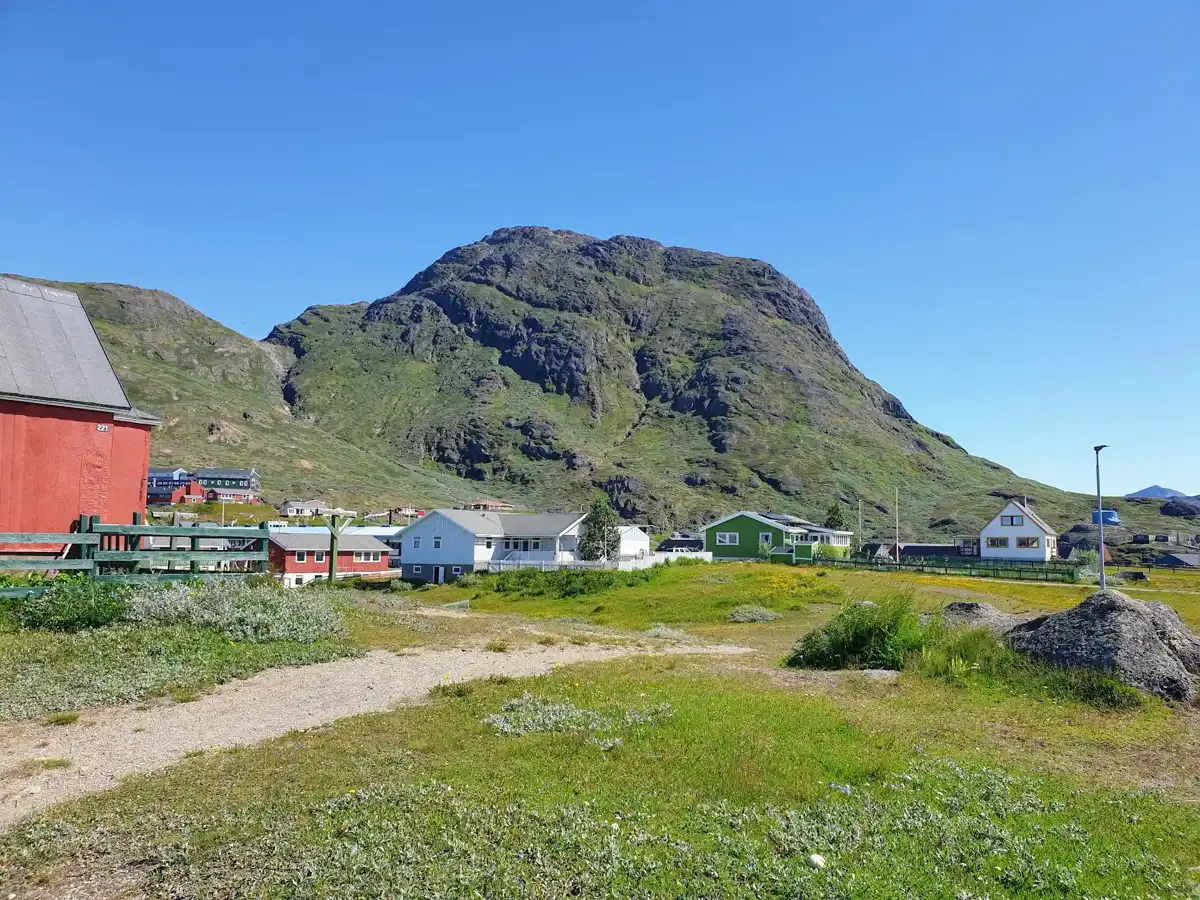
Which kind to prioritize: Choose by travel style. Larger, well-connected settlements in the southwest and Disko Bay suit first-timers and budget travelers, with guesthouses, a supermarket, hiking trails and organized boat trips. Small, remote villages in the east and far north suit experienced independent travelers who accept limited food, uncertain transport and outdoor toilets in some lodgings. The reward is quiet streets, sealskins drying on racks and fjord light that turns copper at midnight in summer. South Greenland sits in between, with grassy valleys, Norse ruins and milder weather.
What it costs: Budget US$150 to 250 a day for independent travel in Greenland, or roughly 1,000 to 1,700 Danish kroner (DKK). Dorm beds and hostel rooms run about 400 to 700 DKK (US$60 to 100), guesthouse doubles 900 to 1,500 DKK (US$130 to 220), and a supermarket meal costs far less than a restaurant meal at 200 to 350 DKK (US$30 to 50). Boat tours and guided hikes typically cost 600 to 1,500 DKK (US$90 to 220) per person. Domestic flights range widely, from about 1,000 to 3,000 DKK (US$150 to 440) per leg, and ferries are cheaper but slower. Villages rarely charge entry, though small museums and churches may ask 50 to 100 DKK (US$7 to 15). Self-catering from town supermarkets is the biggest saving, and you can fill a thermos with hot water for free in most guesthouses.
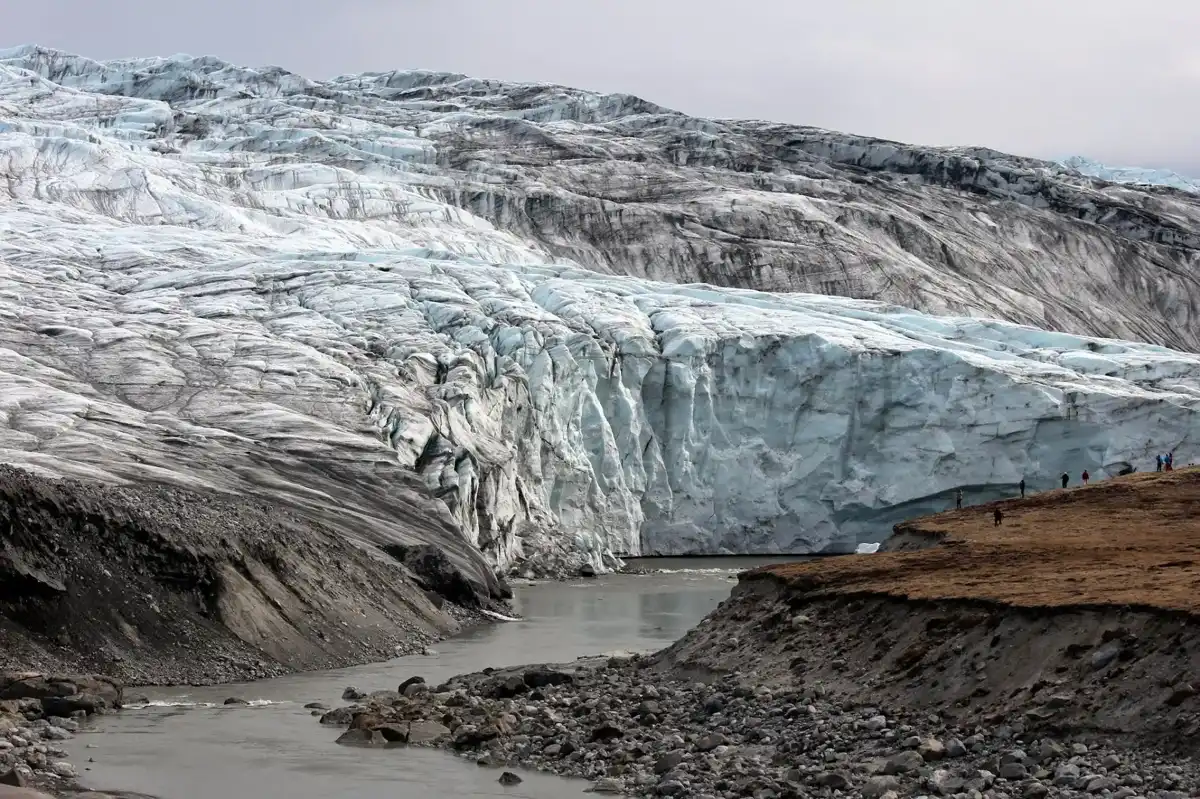
Safety on the ground: The main danger is weather, not crime. Wind, fog and sudden cold can turn a coastal walk risky, so carry layers, a headlamp and a charged phone, and tell your host your route. Never walk on sea ice or near calving glaciers without a local guide. Polar bears occur in the north and east, so check locally before camping and travel with a guide where advised. Mosquitoes in July can be relentless, and a head net costs far less than the misery. Tap water is generally safe, which saves on bottled water.
Culture and etiquette: Villages are working communities, not museums. Always ask before photographing people, hunters, sled dogs or drying meat, and never walk into yards or dog lines uninvited. Sled dogs are working animals and can bite, so keep your distance. Alcohol rules are strict in some settlements, with shops limiting sales, so respect local signs. A simple “Aluu” (hello) and “Qujanaq” (thank you) go a long way. Carry some cash in Danish kroner because card machines can fail in small shops. Say yes when someone offers coffee or dried fish, because the moment at the table is often the best part of the trip.





 Best Backpacking
 Hi, I’m Johan (Netherlands 🇳🇱), the creator of TakeYourBackpack. Over the past 3 decades, I’ve backpacked through 90+ countries across six continents, gaining extensive experience with independent travel, long-term trips, and overland routes.