v2.webp)
- Thursday and Sunday Market: The town’s main draw, with textiles, carved masks, pottery, produce and flowers spread across the plaza and surrounding lanes. Go by 8 AM, before tour groups arrive, and plan 2 to 3 hours. Entry is free, and bargaining is expected, so offer about half the first price on crafts.
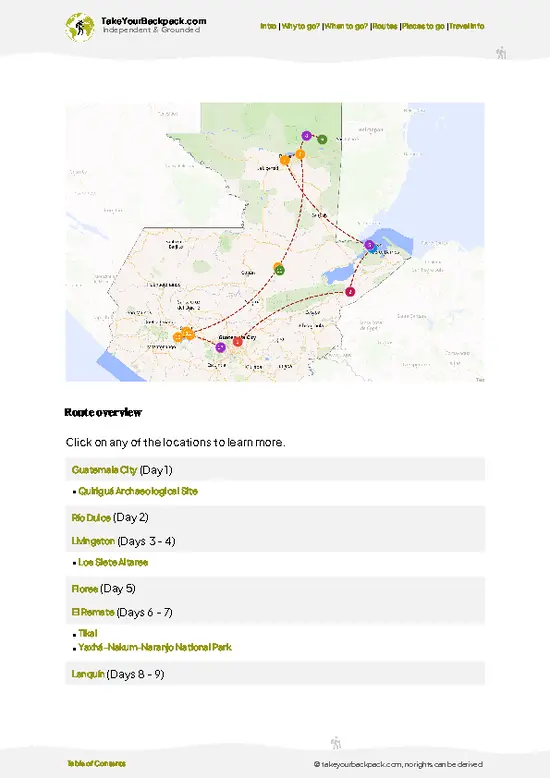
- Iglesia de Santo Tomás: A whitewashed 16th-century church where K’iche’ prayer-keepers burn copal on the steps and Catholic and Maya rites overlap. Visit early morning or late afternoon for 30 to 45 minutes. It is free. Photography inside is not permitted, and the front steps are used for rituals, so use the side entrance.
- Pascual Abaj: A hilltop Maya altar in a pine grove, about a 20 to 30 minute walk from the center, where shamans make offerings to a weathered stone idol. Go in the morning
- Thursday and Sunday Market: The town’s main draw, with textiles, carved masks, pottery, produce and flowers spread across the plaza and surrounding lanes. Go by 8 AM, before tour groups arrive, and plan 2 to 3 hours. Entry is free, and bargaining is expected, so offer about half the first price on crafts.
- Iglesia de Santo Tomás: A whitewashed 16th-century church where K’iche’ prayer-keepers burn copal on the steps and Catholic and Maya rites overlap. Visit early morning or late afternoon for 30 to 45 minutes. It is free. Photography inside is not permitted, and the front steps are used for rituals, so use the side entrance.
- Pascual Abaj: A hilltop Maya altar in a pine grove, about a 20 to 30 minute walk from the center, where shamans make offerings to a weathered stone idol. Go in the morning for 45 to 60 minutes. Expect a small donation of roughly US$1 to 3, and a local guide can explain the ceremonies for about US$5 to 10.
- Museo Regional Chichicastenango: A small museum beside the plaza with Maya ceramics, jade, obsidian tools and figurines from the highlands. It takes about 30 to 45 minutes and entry is roughly US$1 to 3. It is quiet when the market is not on, so go on a non-market day.
- Capilla del Calvario: A smaller church about 150 meters west of Santo Tomás, across the market plaza, quieter than the main church, with a simple interior and a view over market-day traffic. Allow 15 to 20 minutes, free, best in late afternoon when the light turns low and the vendors begin to pack up.
Spotted a mistake or missing something? Contact us.


 Best Backpacking
.jpg) Hi, I’m Johan (Netherlands 🇳🇱), the creator of TakeYourBackpack. Over the past 3 decades, I’ve backpacked through 90+ countries across six continents, gaining extensive experience with independent travel, long-term trips, and overland routes.
Hi, I’m Johan (Netherlands 🇳🇱), the creator of TakeYourBackpack. Over the past 3 decades, I’ve backpacked through 90+ countries across six continents, gaining extensive experience with independent travel, long-term trips, and overland routes.