×

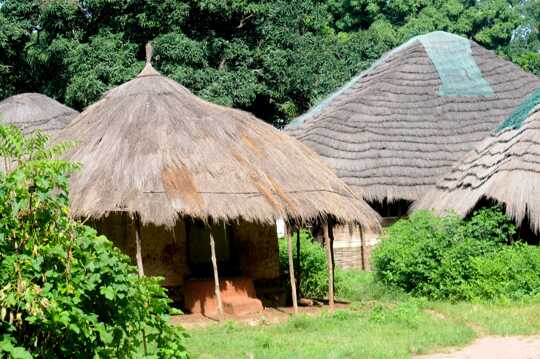
Guinea-Bissau🇬🇼 | townsCoculismall settlement, rural landscape, local farming | things to do and best time to go

Explore CanchungoExplore Madina do Boé

Backpacking in Coculi
By Johan Kruseman 🇳🇱 | Updated September 3, 2026

Most travelers only realize after leaving: Coculi’s real gift is how quietly it resets your pace. Tucked in the north of Guinea-Bissau, Coculi isn’t a headline act, but that’s its edge. The town’s slow mornings—roosters, woodsmoke, the distant thump of a market cart—make it a natural pause between the busier Bafata and the coast. You won’t find nightlife or backpacker crowds, but you will find easy walks, honest food, and a base for exploring rural trails. Buses are infrequent but reliable; once here, everything’s on foot. Costs are low, safety is typical for the region, and the vibe is more neighborly than touristy—perfect if you want to trade stories with locals, not just other travelers.

Discover everything you want to know in the 📖 Guinea-Bissau Travel Guide.
Loading the map 🌍
CLICK TO FILTER
cities
towns
landmarks
national parks
hikes
beaches
attractions
festivals
regions
SHOW COUNTRY’S BESTSHOW ALL

✨ Why go?
Ranked #99 town in Guinea-Bissau
What makes this town worth visiting

Coculi is a strategic stop for backpackers exploring Guinea-Bissau. Its walkable streets make it easy to navigate, while small-scale hostels offer a cozy, communal vibe. You’ll find local food stalls serving up fresh fish and spicy stews, perfect for fueling your next adventure. The town serves as a gateway to nearby hikes and beaches, making it ideal for slow travelers and hikers who want to soak in the scenery. Most visitors stay a few days, enjoying the friendly atmosphere and connecting with fellow adventurers. Coculi is a place to linger, not just pass through.
Want to include Coculi in your Guinea-Bissau route?
Create a personalized Guinea-Bissau itinerary that includes Coculi and the places that fit your trip — based on your travel style, budget, and available time. Get your route in seconds.

Generate my trip

💡 HighlightsWhat this place is best known for

  • Coculi village market — the busiest slice of village life: fresh produce, cashew kernels for sale, small stalls with tchotchkes, and the best place to watch locals haggle and swap news.
  • Riverside landing / quay — where pirogues come and go; a great spot to see daily river traffic, watch fishermen mend nets, and catch a boat if you want to head upriver.
  • Cashew-drying yards — open-air platforms where you can see how cashew nuts — Guinea-Bissau’s big export — are sun-dried and sorted; useful for understanding the local economy and getting a hands-on look.
  • Boatbuilding and repair yard — simple sheds and open spaces where local carpenters build and fix wooden pirogues; good for watching traditional skills and chatting with craftsmen.
  • Palaver hut / village meeting ground — the social heart
read more 👉
  • Coculi village market — the busiest slice of village life: fresh produce, cashew kernels for sale, small stalls with tchotchkes, and the best place to watch locals haggle and swap news.
  • Riverside landing / quay — where pirogues come and go; a great spot to see daily river traffic, watch fishermen mend nets, and catch a boat if you want to head upriver.
  • Cashew-drying yards — open-air platforms where you can see how cashew nuts — Guinea-Bissau’s big export — are sun-dried and sorted; useful for understanding the local economy and getting a hands-on look.
  • Boatbuilding and repair yard — simple sheds and open spaces where local carpenters build and fix wooden pirogues; good for watching traditional skills and chatting with craftsmen.
  • Palaver hut / village meeting ground — the social heart where elders gather and decisions are made; a visit (with permission) gives real insight into local governance and oral history.
  • Main mosque or community church — an architectural and social anchor; prayer times and festivals bring the community together and visiting respectfully offers cultural context.
  • Primary school and community learning center — lively during term time; dropping by (ask first) shows daily life, gives perspective on local education, and is an easy community goodwill stop.
  • Rice paddies and smallholder farms — a short walk from the core of town; you’ll see planting and harvest techniques, seasonal work rhythms, and local irrigation practices.
  • Women’s craft corner / small workshops — places where baskets, mats, or simple textiles are made; low-key but rewarding for meeting makers and buying direct without middlemen.
  • Traditional healer’s grove and medicinal-plant spots — small sacred or practical sites where local plant knowledge is kept; visits should be done respectfully and with permission, but they reveal deep local traditions.
A few real, visitable highlights just outside Coculi that make great day trips: the historic Fort of Cacheu and its mangrove estuary, nearby river islands and mangrove waterways, and the capital Bissau for museums and larger markets.
Spotted a mistake or missing something? Contact us.

🏘️ NeighborhoodsKey areas and districts to know

Coculi offers a unique blend of culture and accessibility, making it a rewarding stop for backpackers.

Centro: This is the heart of Coculi. Vibrant markets and local eateries fill the streets, offering affordable meals and a lively atmosphere. It’s walkable, with easy access to transport for day trips. Perfect for short stays, you’ll soak in the local vibe quickly.

Praia de Coculi: A quieter area, ideal for those seeking relaxation. The beach is a short stroll away, with fewer crowds and stunning sunsets. Prices are slightly higher here, but the tranquility is worth it. Great for longer stays if you want to unwind.

Alto de Coculi: A residential neighborhood with a more local feel. It’s less touristy, making it a fantastic spot for authentic experiences. Walkability is decent, but expect … read more 👉
Coculi offers a unique blend of culture and accessibility, making it a rewarding stop for backpackers.

Centro: This is the heart of Coculi. Vibrant markets and local eateries fill the streets, offering affordable meals and a lively atmosphere. It’s walkable, with easy access to transport for day trips. Perfect for short stays, you’ll soak in the local vibe quickly.

Praia de Coculi: A quieter area, ideal for those seeking relaxation. The beach is a short stroll away, with fewer crowds and stunning sunsets. Prices are slightly higher here, but the tranquility is worth it. Great for longer stays if you want to unwind.

Alto de Coculi: A residential neighborhood with a more local feel. It’s less touristy, making it a fantastic spot for authentic experiences. Walkability is decent, but expect a bit of uphill trekking. Best for longer stays to truly immerse yourself in daily life.

⌛️ 1 day1-day itinerary for Coculi

Coculi, a vibrant town in Guinea-Bissau, pulses with life and culture, offering a glimpse into the daily rhythms of its people. Start your morning at the bustling market, where the air is thick with the scent of fresh fruits and spices. Engage with local vendors; their smiles and stories are as rich as the produce they sell.

After stocking up on some tropical fruits, wander through the narrow streets of the Bairro de São João. The colorful houses, adorned with intricate murals, tell tales of the town’s history. Pause at the old colonial church, its weathered façade a testament to time.

In the afternoon, head to the nearby mangroves. The tranquility here is a stark contrast to the market’s energy. Rent a canoe and glide through the waterways, listening to the calls of birds and the gentle … read more 👉
Coculi, a vibrant town in Guinea-Bissau, pulses with life and culture, offering a glimpse into the daily rhythms of its people. Start your morning at the bustling market, where the air is thick with the scent of fresh fruits and spices. Engage with local vendors; their smiles and stories are as rich as the produce they sell.

After stocking up on some tropical fruits, wander through the narrow streets of the Bairro de São João. The colorful houses, adorned with intricate murals, tell tales of the town’s history. Pause at the old colonial church, its weathered façade a testament to time.

In the afternoon, head to the nearby mangroves. The tranquility here is a stark contrast to the market’s energy. Rent a canoe and glide through the waterways, listening to the calls of birds and the gentle lapping of water.

As evening falls, return to the town center for dinner at a local eatery. Savor grilled fish seasoned with local spices, and enjoy the lively atmosphere as the sun sets, painting the sky in hues of orange and pink. Coculi isn’t just a destination; it’s an experience that lingers long after you leave.
Turn your Coculi visit into an Guinea-Bissau adventure
Build a complete Guinea-Bissau route with Coculi, hidden gems, must-see destinations, and realistic travel times included.

Generate my trip

🌤️ When to go?Seasonal considerations and timing


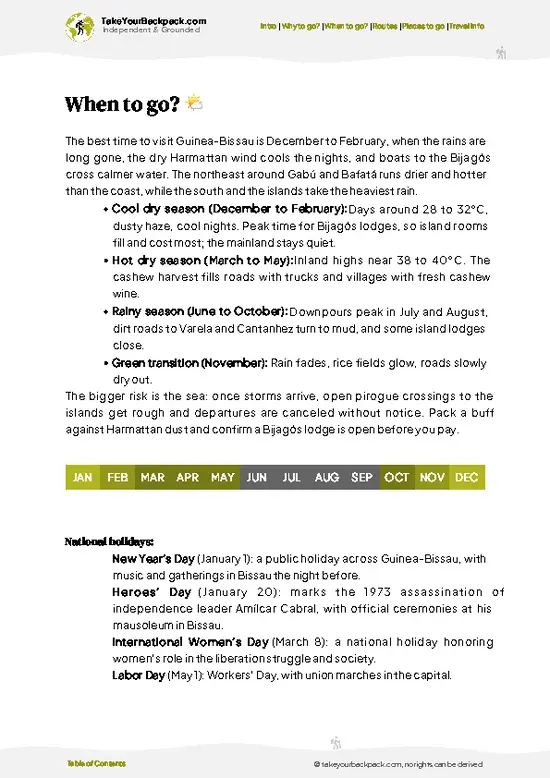
  • Topic: Weather – The dry season from November to May is your best bet. Expect clear skies and less humidity, making the air feel lighter and the trails less slippery.

  • Topic: Temperature – Daytime highs hover around 28-32°C (82-90°F), with cooler nights near 20°C (68°F). The dry season keeps the heat manageable, unlike the sticky wet months.

  • Topic: Daylight Hours – Roughly 11 to 12 hours of daylight year-round, but the dry season’s consistent sun means you can plan longer hikes without the threat of sudden downpours.

  • Topic: Crowds – Coculi isn’t a tourist hotspot, but the dry season draws more local visitors. You’ll find a livelier atmosphere without feeling overwhelmed.

  • Topic: Seasonal Activities – Dry months open up river excursions and village visits, letting you soak in the local
read more 👉

  • Topic: Weather – The dry season from November to May is your best bet. Expect clear skies and less humidity, making the air feel lighter and the trails less slippery.

  • Topic: Temperature – Daytime highs hover around 28-32°C (82-90°F), with cooler nights near 20°C (68°F). The dry season keeps the heat manageable, unlike the sticky wet months.

  • Topic: Daylight Hours – Roughly 11 to 12 hours of daylight year-round, but the dry season’s consistent sun means you can plan longer hikes without the threat of sudden downpours.

  • Topic: Crowds – Coculi isn’t a tourist hotspot, but the dry season draws more local visitors. You’ll find a livelier atmosphere without feeling overwhelmed.

  • Topic: Seasonal Activities – Dry months open up river excursions and village visits, letting you soak in the local rhythm without muddy detours.

  • Topic: Price Fluctuations – Accommodation and transport costs rise slightly in the dry season, but the trade-off is smoother logistics and better access.


Pro-tip: Aim for the shoulder months of November or May to catch dry weather with fewer visitors and better deals—perfect for stretching your legs and your budget.


source: climatestotravel.comJANJanuary: excellent for travelingFEBFebruary: excellent for travelingMARMarch: excellent for travelingAPRApril: excellent for travelingMAYMay: highly recommended for travelingJUNJune: fair for travelingJULJuly: fair for travelingAUGAugust: fair for travelingSEPSeptember: fair for travelingOCTOctober: fair for travelingNOVNovember: highly recommended for travelingDECDecember: excellent for traveling
when-to-go

✈️ The backpacker research shortcutGuinea-Bissau Travel Guide

An offline-friendly backpacking guide with optimized travel routes, ranked highlights, transport advice, and the best areas to stay.
example page 0 from our offline Travel Guide for Guinea-Bissau
example page 1 from our offline Travel Guide for Guinea-Bissau
example page 2 from our offline Travel Guide for Guinea-Bissau
example page 3 from our offline Travel Guide for Guinea-Bissau
example page 4 from our offline Travel Guide for Guinea-Bissau
example page 5 from our offline Travel Guide for Guinea-Bissau
example page 6 from our offline Travel Guide for Guinea-Bissau
example page 7 from our offline Travel Guide for Guinea-Bissau
The digital guide (230 pages) contains:
53 highlights, ranked by travel appeal
Optimized 2, 3 & 5-day travel routes
Cities, national parks, landmarks, beaches
How to get around
Offline-friendly for travel without Wi-Fi
👉 Click to see all 30+ guide features

📅 Plan smarter in minutes, not weeks
Month by month travel advice
Festivals & national holidays
Budget expectations

🗺️ Go to the right places, skip the overrated ones
Honest pros & cons of destinations
Top hikes, parks & viewpoints
Lesser-known places most travelers miss
Clear “worth it vs skip it” guidance

🛏️ Travel smoothly without rookie mistakes
Best areas to stay
Transport systems explained simply
Common scams & safety advice
SIM cards, money & practical tips

🌍 Understand the country, not just visit it
Culture & traditions
52 Essential phrases & customs
Festivals worth planning around
Traveler-friendly historical context
Insights that make places more meaningful

📱 Built for real travel conditions
Fully downloadable PDF
Works completely offline
Optimized for phone use
Useful in remote areas & buses
Everything in one place
Save weeks of stressful planning
Get instant access to your full guide. 30‑day money-back guarantee.
+ Add another guide for just US$7.80

By proceeding you agree to our terms.
Sent to your inbox immediately after payment • 100% Secure Checkout
Best Backpacking Travel Advisor 2025 tourism awardBest Backpacking
Travel Advisor
2025
What others say about Take Your Backpack Guides:
⭐⭐⭐⭐⭐
Fantastic, amazing amount of information!
⭐⭐⭐⭐⭐
My goodness this is amazing, it's what I've been looking for hats off too you!
⭐⭐⭐⭐⭐
I think this is absolutely BRILLIANT
⭐⭐⭐⭐
Very complete and informative. It's still missing places, but I gotta to commend you
⭐⭐⭐⭐⭐
This is truly amazing, thank you, can't wait to explore it with my kids!
⭐⭐⭐⭐⭐
Awesome resource, thank you!
⭐⭐⭐⭐⭐
This is amazing! Can't wait to explore the ones I haven't seen
⭐⭐⭐⭐
I love this! Well done, great idea.
⭐⭐⭐⭐⭐
Thanks for taking the time to make this gem!
⭐⭐⭐⭐⭐
This might be the best website I've ever seen.
⭐⭐⭐⭐⭐
Congratulations, and thank you so much for your work; it's incredibly valuable.
⭐⭐⭐⭐
In all seriousness I think you did a great job pointing out the important spots
⭐⭐⭐⭐⭐
10/10 very good
⭐⭐⭐⭐⭐
As someone who's only just starting to visit regularly this is awesome, thank you.
⭐⭐⭐⭐
Thank you very much! I'm going to visit my dad, it's going to be very useful!
⭐⭐⭐⭐⭐
This is really cool! We'll be travelling for the first time and this definitely come in handy.
⭐⭐⭐⭐⭐
You are now our minister of culture, congratulations 👨‍💼
⭐⭐⭐⭐⭐
Just wanted to tell you that this is a pearl! Going to follow your recommendations.
⭐⭐⭐⭐⭐
This is so cool. I'll definitely be using the resource for my travels soon.
⭐⭐⭐⭐⭐
This is very impressive! Good work.
⭐⭐⭐⭐⭐
This is an amazing and informative site. Very well done!

🛏️ Where to stay?Choosing the right base

Coculi’s best spot for backpackers is the area around the central market and main square. It’s where the town hums with life—vendors shouting, children darting through narrow streets, and the scent of grilled fish mingling with fresh fruit stalls. This neighborhood is safe enough by local standards, with a steady flow of people keeping the vibe social and watchful. Budget travelers and solo backpackers find it easy to connect here, thanks to a handful of simple guesthouses and hostels that cater to those who want to stretch their legs and their budgets. Compared to quieter, more residential parts … read more 👉
Coculi’s best spot for backpackers is the area around the central market and main square. It’s where the town hums with life—vendors shouting, children darting through narrow streets, and the scent of grilled fish mingling with fresh fruit stalls. This neighborhood is safe enough by local standards, with a steady flow of people keeping the vibe social and watchful. Budget travelers and solo backpackers find it easy to connect here, thanks to a handful of simple guesthouses and hostels that cater to those who want to stretch their legs and their budgets. Compared to quieter, more residential parts of town, this area offers the pulse of Coculi without the risk of isolation or sketchy corners. Staying here means you’re never far from a conversation, a meal, or the next adventure.

🚌 Getting aroundHow to get from A to B

Coculi moves at its own rhythm—less clockwork, more pulse. The sun hits the cracked sidewalks in sharp angles by mid-morning, and the town wakes with a mix of deliberate steps and bursts of spontaneous chatter. You won’t find strict timetables here; instead, transit flows like the local market—sometimes slow, sometimes suddenly bustling, always alive with the scent of frying plantains and the distant hum of reggae. This is a place where patience pays off, and knowing when to jump in makes the difference between waiting forever and catching the next ride out.


  • Minibus Taxis: The backbone of Coculi’s transit, these shared vans start rolling around 6:30 AM and run until dusk. They’re cheap—about $1 per trip—but expect tight quarters and frequent stops. Perfect for short hops and soaking in
read more 👉
Coculi moves at its own rhythm—less clockwork, more pulse. The sun hits the cracked sidewalks in sharp angles by mid-morning, and the town wakes with a mix of deliberate steps and bursts of spontaneous chatter. You won’t find strict timetables here; instead, transit flows like the local market—sometimes slow, sometimes suddenly bustling, always alive with the scent of frying plantains and the distant hum of reggae. This is a place where patience pays off, and knowing when to jump in makes the difference between waiting forever and catching the next ride out.


  • Minibus Taxis: The backbone of Coculi’s transit, these shared vans start rolling around 6:30 AM and run until dusk. They’re cheap—about $1 per trip—but expect tight quarters and frequent stops. Perfect for short hops and soaking in local life.

  • Motorcycle Taxis (Okadas): When time is tight and the streets narrow, these zippy bikes dart through traffic. They operate all day but slow down after dark for safety. Fares vary but usually hover around $2. Quick, nimble, and a bit of a thrill.

  • Walking: The heart of Coculi is best explored on foot. Streets are uneven, so sturdy shoes are a must. Early morning or late afternoon walks offer cooler air and softer light, revealing colorful murals and street vendors selling fresh fruit.

  • Private Car Hire: For those with a bit more budget, local drivers offer half-day or full-day rentals. Prices start around $40, negotiable. This option unlocks hidden beaches and hillside views beyond the town’s core, where public transit doesn’t reach.

👛 Costs (as of 3 September 2026)What things cost and how to budget

Backpacking in Coculi, Guinea-Bissau, is a raw, off-the-beaten-path experience where costs stay modest but the local vibe is rich and unfiltered. Here’s what you can expect to spend daily as an independent traveler.
  • Dorm Accommodation: Options are limited and basic, often guesthouses or small hostels rather than formal dorms. Expect to pay around €5 to €10 per night. The rooms are simple, sometimes with shared bathrooms, but clean enough to rest after a day of exploring.
  • Meals: Local eateries serve up hearty, straightforward meals—think rice, beans, fresh fish, and local vegetables. Street food and small restaurants will cost you about €2 to €5 per meal. Fresh fruit and snacks from markets are even cheaper, perfect for quick energy boosts.
  • Local Transport: Transport is mostly informal—shared
read more 👉
Backpacking in Coculi, Guinea-Bissau, is a raw, off-the-beaten-path experience where costs stay modest but the local vibe is rich and unfiltered. Here’s what you can expect to spend daily as an independent traveler.
  • Dorm Accommodation: Options are limited and basic, often guesthouses or small hostels rather than formal dorms. Expect to pay around €5 to €10 per night. The rooms are simple, sometimes with shared bathrooms, but clean enough to rest after a day of exploring.
  • Meals: Local eateries serve up hearty, straightforward meals—think rice, beans, fresh fish, and local vegetables. Street food and small restaurants will cost you about €2 to €5 per meal. Fresh fruit and snacks from markets are even cheaper, perfect for quick energy boosts.
  • Local Transport: Transport is mostly informal—shared taxis or minibuses. A typical short ride within or near town runs around €0.50 to €1.50. For longer trips, prices can rise but remain affordable compared to more touristy spots.
  • Basic Activities/Entry Fees: Coculi’s attractions are mostly natural or cultural sites with minimal or no entry fees. Budget around €1 to €3 for any local guided tours or small museum entries. The real cost here is time and curiosity rather than money.
  • Miscellaneous Expenses: This covers essentials like bottled water, occasional snacks, phone credit, or small tips. Plan for about €1 to €3 daily. Keep cash handy, as card payments are rare.

All told, you’re looking at a daily budget between €10 and €22. This keeps things lean but comfortable, letting you soak in Coculi’s authentic atmosphere without breaking the bank. The modest costs reflect the town’s simplicity, but the sensory payoff—earthy smells, the hum of local life, and the warm light of West African afternoons—makes every euro feel earned.
⚠️ Prices can change and everyone travels differently, so take this as a rough guide. Hope it helps you plan your adventure!

🚌 Day tripsWhere to go beyond the main area

Coculi, Guinea-Bissau, is a backpacker’s dream base for exploring the region’s rich culture and stunning landscapes. The town’s laid-back vibe makes it easy to recharge between adventures.

Trip to Orango Island
A boat ride to Orango Island reveals a world where time slows down. The journey takes about an hour, and you’ll find yourself surrounded by mangroves and the scent of saltwater. Spend the day wandering through traditional villages, where locals greet you with warm smiles. Don’t miss the chance to see the unique saltwater hippos. Budget around $20 for the boat and snacks. The best time to visit is during the dry season, from November to April, when the weather is perfect for exploration. A common mistake? Underestimating the boat schedule; it’s best to confirm times the day before. … read more 👉
Coculi, Guinea-Bissau, is a backpacker’s dream base for exploring the region’s rich culture and stunning landscapes. The town’s laid-back vibe makes it easy to recharge between adventures.

Trip to Orango Island
A boat ride to Orango Island reveals a world where time slows down. The journey takes about an hour, and you’ll find yourself surrounded by mangroves and the scent of saltwater. Spend the day wandering through traditional villages, where locals greet you with warm smiles. Don’t miss the chance to see the unique saltwater hippos. Budget around $20 for the boat and snacks. The best time to visit is during the dry season, from November to April, when the weather is perfect for exploration. A common mistake? Underestimating the boat schedule; it’s best to confirm times the day before.


Trip to Bissau
Just a couple of hours away, Bissau offers a vibrant market scene and colonial architecture. The bus ride is a mere $5, and you’ll be immersed in the hustle and bustle of local life. Stroll through the Mercado Municipal, where the aroma of spices fills the air, and grab a bite of fresh grilled fish. Aim for a weekday visit to avoid the weekend crowds. Many first-timers miss the chance to try the local cachupa, a hearty stew that’s a must.
👉 Explore Bissau

Trip to the Bijagós Archipelago
Catch a ferry to the Bijagós Archipelago for pristine beaches and untouched nature. The trip takes about two hours, costing around $15. Spend your day lounging on the soft sands or snorkeling in crystal-clear waters. The best time to go is during the dry season, when the islands are less crowded. A rookie mistake is not bringing enough water; it’s essential to stay hydrated under the sun.
👉 Explore Bijagós Archipelago
Want to know what more Guinea-Bissau offers?
The Guinea-Bissau Travel Guide describes 53 highlights, from cities to national parks, from beaches to hikes

Get the Travel Guide -

🛡️ SafetyTraveler Safety Guide

Coculi is generally safe, but awareness is your best ally. Stick to well-lit areas at night; the streets can be quiet, and a little caution goes a long way. Solo travelers should blend in—avoid flashy gear and keep your belongings close.

Watch for the occasional friendly face trying to guide you to a “local” spot; it might come with a hidden fee. Embrace the local vibe, but trust your instincts. A genuine smile can open doors, but stay alert to ensure your experience remains smooth and enjoyable.

FAQTraveler FAQ

Coculi is primarily a stopover rather than a destination for extended visits. It is a small town with limited tourist infrastructure and attractions, mainly serving travelers moving between Bissau and other parts of Guinea-Bissau.
One day is generally sufficient to experience Coculi, as the town's main features can be explored within a few hours. Most visitors use it as a rest point rather than a place to stay multiple days.
Yes, Coculi can be visited as a day trip from Bissau, which is about 30 kilometers away. The trip takes roughly an hour by road, making it feasible for a short visit to see local markets and the surrounding countryside.
⚠️ Things can change over time, so always validate details locally before you go.

Other Bissau-Guinean towns near Coculi

Explore more nearby:

  • Bolama—island capital, crumbling mansions, tidal flats| 11 km away
  • Empada—rice fields, small river port, local fishing| 17 km away
  • Fulacunda—island access, mangrove creeks, quiet ferry point| 33 km away

💡 Not sure where to go next?
Create a personalized itinerary for Guinea-Bissau including Coculi and the places that fit your trip.

Generate my itinerary

👉 Discover all towns

Or checkout all Guinea-Bissau has to offer (think cities, towns, villages, national parks, hikes, beaches, festivals)
Country photo of Guinea-Bissau

We 💚 feedbackFinal thoughts on visiting Coculi

Coculi feels like stepping into a living postcard, where the air is thick with the scent of salt and earth. Don’t miss the local market; it’s a sensory explosion. Just watch your step—some paths can be tricky. Embrace the chaos; it’s part of the charm.

✍️ Help improve this page!
The information on this page is based on in-depth research, insights shared by experienced travelers, and feedback from the local travel community in Guinea-Bissau. While every effort is made to keep the information accurate and current, conditions can change — so if you spot anything incorrect or outdated, please get in touch.


🙋‍♂️ Give feedback

👋 Meet the founderWho’s Behind Take Your Backpack?

Johan, backpacker and founder of TakeYourBackpackHi, I’m Johan (Netherlands 🇳🇱), the creator of TakeYourBackpack. Over the past decade, I’ve backpacked through 80+ countries across six continents, gaining extensive experience with independent travel, long-term trips, and overland routes.

This site is built on a combination of firsthand travel experience and carefully curated insights from other backpackers. Many guides are based on places I’ve personally visited, while others bring together tips, observations, and practical advice shared by trusted travelers I’ve met along the way.

The goal is to provide realistic, experience-driven guidance — not generic itineraries — so you can explore destinations with better context, clearer expectations, and more confidence.

Get full country guide •
Instant download • 53 highlights • Full Offline guide