The Fish Market Frenzy
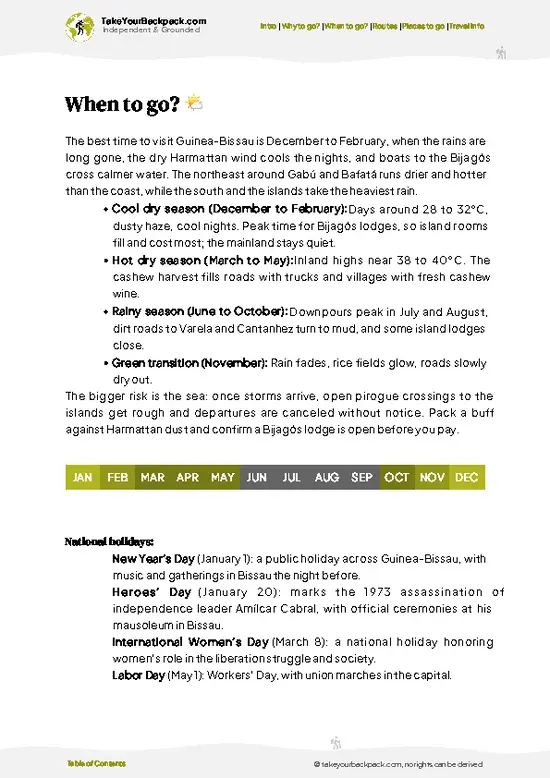
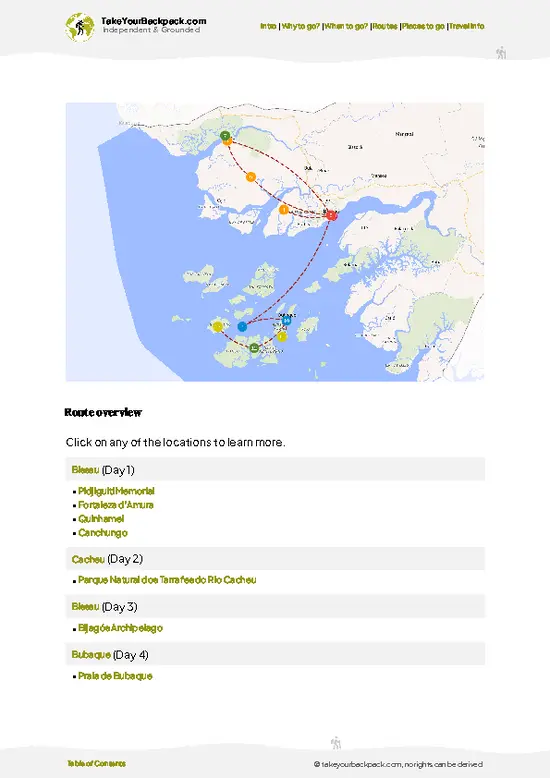
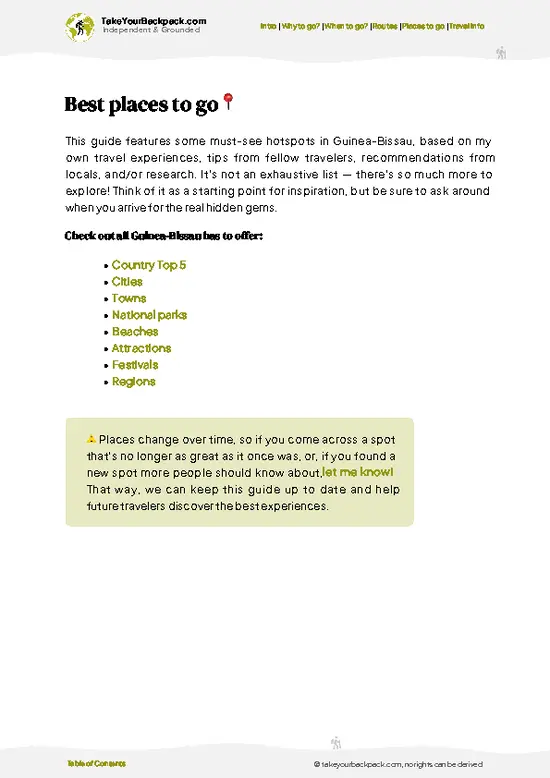
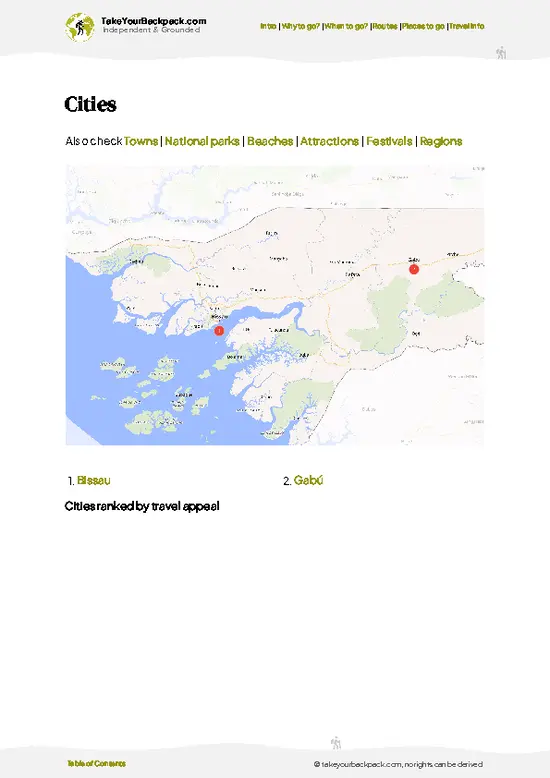
Let’s get real: Mercado de Bandim is not the place for delicate noses or Instagram-perfect seafood displays. This is the raw, unfiltered heart of Bissau’s daily life. The fish market section is a full-on sensory assault—think heaps of barracuda, tilapia, and whatever else the Atlantic coughed up that morning, all jostled by vendors who know how to command attention. You’ll see women in patterned wraps expertly gutting fish with machetes, kids darting between baskets, and the kind of bargaining that makes Western supermarket etiquette look like a polite suggestion. If you want to understand how Bissau eats, this is the front row seat. No filter, no pretense—just the real deal.
The Color Riot of Produce
Forget the sanitized, air-conditioned produce aisles you know. Here, … read more 👉
Let’s get real: Mercado de Bandim is not the place for delicate noses or Instagram-perfect seafood displays. This is the raw, unfiltered heart of Bissau’s daily life. The fish market section is a full-on sensory assault—think heaps of barracuda, tilapia, and whatever else the Atlantic coughed up that morning, all jostled by vendors who know how to command attention. You’ll see women in patterned wraps expertly gutting fish with machetes, kids darting between baskets, and the kind of bargaining that makes Western supermarket etiquette look like a polite suggestion. If you want to understand how Bissau eats, this is the front row seat. No filter, no pretense—just the real deal.
The Color Riot of Produce
Forget the sanitized, air-conditioned produce aisles you know. Here, … read more 👉
The Fish Market Frenzy
Let’s get real: Mercado de Bandim is not the place for delicate noses or Instagram-perfect seafood displays. This is the raw, unfiltered heart of Bissau’s daily life. The fish market section is a full-on sensory assault—think heaps of barracuda, tilapia, and whatever else the Atlantic coughed up that morning, all jostled by vendors who know how to command attention. You’ll see women in patterned wraps expertly gutting fish with machetes, kids darting between baskets, and the kind of bargaining that makes Western supermarket etiquette look like a polite suggestion. If you want to understand how Bissau eats, this is the front row seat. No filter, no pretense—just the real deal.
The Color Riot of Produce
Forget the sanitized, air-conditioned produce aisles you know. Here, mangoes, papayas, and cassava are stacked in gravity-defying pyramids, their colors almost too bright to be real. The tomatoes are sun-warmed, the okra is still dusty from the field, and the women selling them have a sales pitch for every passerby. The best part? You can taste as you go—if you’re brave enough to haggle for a sample. This is where you see the agricultural backbone of Guinea-Bissau, not as a statistic, but as a living, breathing, shouting organism.
The Tailor Alley
Skip the tourist T-shirts. The real souvenir is a length of wax print fabric, chosen from the riot of patterns on display, and tailored on the spot by one of the market’s sewing maestros. These tailors work in open-air cubicles, their ancient Singer machines clattering as they whip up dresses, shirts, and headscarves with the kind of speed and flair that makes fast fashion look sluggish. Watching them work is half the fun; the other half is walking away with a piece of clothing that’s actually made for you, by someone who’s been doing this since before you could spell ‘bespoke.’
The Street Food Gauntlet
If you’re hungry, you’re in luck. If you’re squeamish, brace yourself. The market’s food stalls serve up everything from grilled fish on skewers to spicy rice and peanut sauce, all cooked over open flames and served with a side of chaos. The flavors are bold, the portions generous, and the hygiene standards… let’s call them ‘local.’ But this is where you taste the city’s soul—one smoky, spicy bite at a time.
The Human Theater
Mercado de Bandim isn’t just a place to buy things; it’s a stage where Bissau’s entire social spectrum collides. You’ll see everything from government workers in pressed shirts to barefoot kids hustling for coins, all moving through a maze of stalls and shouting vendors. The market is loud, messy, and absolutely alive. If you want to understand Guinea-Bissau beyond the guidebook, stand still for five minutes and just watch. The stories write themselves.
Let’s get real: Mercado de Bandim is not the place for delicate noses or Instagram-perfect seafood displays. This is the raw, unfiltered heart of Bissau’s daily life. The fish market section is a full-on sensory assault—think heaps of barracuda, tilapia, and whatever else the Atlantic coughed up that morning, all jostled by vendors who know how to command attention. You’ll see women in patterned wraps expertly gutting fish with machetes, kids darting between baskets, and the kind of bargaining that makes Western supermarket etiquette look like a polite suggestion. If you want to understand how Bissau eats, this is the front row seat. No filter, no pretense—just the real deal.
The Color Riot of Produce
Forget the sanitized, air-conditioned produce aisles you know. Here, mangoes, papayas, and cassava are stacked in gravity-defying pyramids, their colors almost too bright to be real. The tomatoes are sun-warmed, the okra is still dusty from the field, and the women selling them have a sales pitch for every passerby. The best part? You can taste as you go—if you’re brave enough to haggle for a sample. This is where you see the agricultural backbone of Guinea-Bissau, not as a statistic, but as a living, breathing, shouting organism.
The Tailor Alley
Skip the tourist T-shirts. The real souvenir is a length of wax print fabric, chosen from the riot of patterns on display, and tailored on the spot by one of the market’s sewing maestros. These tailors work in open-air cubicles, their ancient Singer machines clattering as they whip up dresses, shirts, and headscarves with the kind of speed and flair that makes fast fashion look sluggish. Watching them work is half the fun; the other half is walking away with a piece of clothing that’s actually made for you, by someone who’s been doing this since before you could spell ‘bespoke.’
The Street Food Gauntlet
If you’re hungry, you’re in luck. If you’re squeamish, brace yourself. The market’s food stalls serve up everything from grilled fish on skewers to spicy rice and peanut sauce, all cooked over open flames and served with a side of chaos. The flavors are bold, the portions generous, and the hygiene standards… let’s call them ‘local.’ But this is where you taste the city’s soul—one smoky, spicy bite at a time.
The Human Theater
Mercado de Bandim isn’t just a place to buy things; it’s a stage where Bissau’s entire social spectrum collides. You’ll see everything from government workers in pressed shirts to barefoot kids hustling for coins, all moving through a maze of stalls and shouting vendors. The market is loud, messy, and absolutely alive. If you want to understand Guinea-Bissau beyond the guidebook, stand still for five minutes and just watch. The stories write themselves.
Spotted a mistake or missing something? Contact us.
v2.webp)

Best Backpacking
Hi, I’m Johan (Netherlands 🇳🇱), the creator of TakeYourBackpack. Over the past decade, I’ve backpacked through 80+ countries across six continents, gaining extensive experience with independent travel, long-term trips, and overland routes.