×

Guinea-Bissau🇬🇼 | townsQuebosavanna edge, weekly market, crossroads village | things to do and best time to go

Explore FulacundaExplore Empada

Backpacking in Quebo
👍 Recommendedtown ranked #12
By Johan Kruseman 🇳🇱 | Updated September 3, 2026

Everyone talks about Quebo as the “gateway to the forests,” but the real reason to come isn’t some postcard jungle moment—it’s the way the red dust settles on your boots after a long walk, the slow rhythm of market mornings, and the honest, unhurried pace you can’t fake. Quebo sits in southern Guinea-Bissau, closer to Guinea’s border than to the capital’s chaos. For backpackers, it’s less a destination than a hinge: a practical stopover if you’re threading your way between Bissau and Gabú, or heading for the Cantanhez Forest. Don’t expect colonial grandeur or a buzzing hostel scene; you’ll find a few basic guesthouses, a handful of street food stalls, and evenings that end early. It’s quieter and less polished than Bafatá, but friendlier than the border towns. Transport is mostly bush taxis—slow, but reliable if you’re patient. Costs are low, safety is decent, and the social scene is what you make of it—bring a deck of cards and you’ll make friends.

Discover everything you want to know in the 📖 Guinea-Bissau Travel Guide.
Loading the map 🌍
CLICK TO FILTER
cities
towns
landmarks
national parks
hikes
beaches
attractions
festivals
regions
SHOW COUNTRY’S BESTSHOW ALL

✨ Why go?
Ranked #12 town in Guinea-Bissau
Why Quebo should be on your travel list

Backpackers flock to Quebo for its strategic position as a gateway to hikes and beaches that showcase Guinea-Bissau’s raw beauty. The walkable streets invite exploration, where you can easily pop into local eateries serving up fresh seafood and hearty stews that reflect the region’s flavors. Small-scale hostels and guesthouses create a cozy atmosphere, perfect for solo travelers or small groups looking to connect without the chaos of larger towns. Most visitors tend to stay a few days, soaking in the laid-back vibe and friendly interactions with locals. The town feels social yet relaxed, making it ideal for slow travelers who appreciate the journey as much as the destination. Whether you’re gearing up for a trek or unwinding after a day on the beach, Quebo offers a meaningful pause in your … read more 👉
Backpackers flock to Quebo for its strategic position as a gateway to hikes and beaches that showcase Guinea-Bissau’s raw beauty. The walkable streets invite exploration, where you can easily pop into local eateries serving up fresh seafood and hearty stews that reflect the region’s flavors. Small-scale hostels and guesthouses create a cozy atmosphere, perfect for solo travelers or small groups looking to connect without the chaos of larger towns. Most visitors tend to stay a few days, soaking in the laid-back vibe and friendly interactions with locals. The town feels social yet relaxed, making it ideal for slow travelers who appreciate the journey as much as the destination. Whether you’re gearing up for a trek or unwinding after a day on the beach, Quebo offers a meaningful pause in your adventure, blending convenience with authentic experiences.
Want to include Quebo in your Guinea-Bissau route?
Create a personalized Guinea-Bissau itinerary that includes Quebo and the places that fit your trip — based on your travel style, budget, and available time. Get your route in seconds.

Generate my trip

💡 HighlightsWhat this place is best known for

  • Quebo Central Market — The town’s heartbeat: piled fish, fresh produce and spices, rowdy stalls where locals haggle and you can taste grilled catch on the spot. Best for people-watching, cheap street food and stocking up on supplies for further travel.
  • Quebo Waterfront & Fishing Harbor — A working small-port scene of dugout canoes and motor skiffs returning with the day’s haul. Watch fishermen mend nets, see the informal auctions, and photograph vivid boats and riverside life at dawn or dusk.
  • Mangrove Estuary Boat Trips — Wide tidal channels and dense mangroves right off town that you can explore by local boat. Expect birds, crabs, and the slow rhythm of tidal life; local skippers will show fishing spots and hidden inlets you can’t reach on foot.
  • Traditional Village Quarter — Clusters
read more 👉
  • Quebo Central Market — The town’s heartbeat: piled fish, fresh produce and spices, rowdy stalls where locals haggle and you can taste grilled catch on the spot. Best for people-watching, cheap street food and stocking up on supplies for further travel.
  • Quebo Waterfront & Fishing Harbor — A working small-port scene of dugout canoes and motor skiffs returning with the day’s haul. Watch fishermen mend nets, see the informal auctions, and photograph vivid boats and riverside life at dawn or dusk.
  • Mangrove Estuary Boat Trips — Wide tidal channels and dense mangroves right off town that you can explore by local boat. Expect birds, crabs, and the slow rhythm of tidal life; local skippers will show fishing spots and hidden inlets you can’t reach on foot.
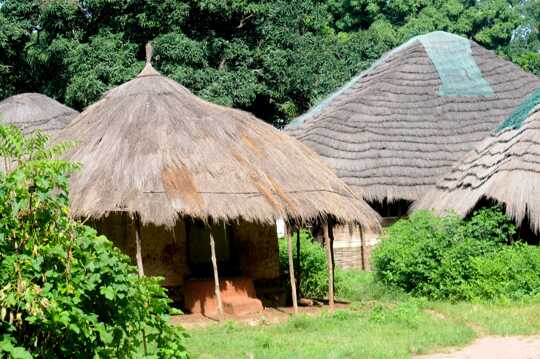
  • Traditional Village Quarter — Clusters of palm-thatched houses and family compounds inside town where everyday rural culture is lived openly: basket-weaving, cooking over hearths, and traditional housing styles. Visiting here gives real insight into local rhythms and crafts.
A few real day-trip options near Quebo include the regional town of Catió, the wild mangrove and shoreline stretches around Tombali, and boat excursions toward parts of the nearby Bissagos (Bijagós) island group.
Spotted a mistake or missing something? Contact us.

🏘️ NeighborhoodsNeighborhood guide to Quebo

Quebo, a small town in Guinea-Bissau, offers a unique blend of local culture and laid-back charm. Here’s how to navigate its neighborhoods for the best backpacking experience.

Centro: This is the heartbeat of Quebo. You’ll find bustling markets and local eateries where the aroma of grilled fish fills the air. It’s walkable, making it easy to explore on foot. Prices are low, perfect for budget travelers. While nightlife is limited, the local bars offer a relaxed vibe. Ideal for short stays, you can soak in the local life without feeling rushed.

Praia de Quebo: If you crave the ocean, head here. The beach is a short walk from the town center, where you can enjoy the salty breeze and stunning sunsets. Accommodations range from basic to mid-range, so you can find something that fits your budget. … read more 👉
Quebo, a small town in Guinea-Bissau, offers a unique blend of local culture and laid-back charm. Here’s how to navigate its neighborhoods for the best backpacking experience.

Centro: This is the heartbeat of Quebo. You’ll find bustling markets and local eateries where the aroma of grilled fish fills the air. It’s walkable, making it easy to explore on foot. Prices are low, perfect for budget travelers. While nightlife is limited, the local bars offer a relaxed vibe. Ideal for short stays, you can soak in the local life without feeling rushed.

Praia de Quebo: If you crave the ocean, head here. The beach is a short walk from the town center, where you can enjoy the salty breeze and stunning sunsets. Accommodations range from basic to mid-range, so you can find something that fits your budget. It’s quieter than Centro, making it suitable for longer stays if you want to unwind.

Subúrbios: This area is more residential, giving you a glimpse into everyday life in Quebo. It’s less touristy, which means lower prices and a more authentic experience. However, transport options can be limited, so be prepared to walk. Great for those who want to immerse themselves in local culture for an extended period.

⌛️ 1 day1-day itinerary for Quebo

Quebo, a small town in Guinea-Bissau, pulses with the rhythm of everyday life, offering a glimpse into the heart of West African culture. The air is thick with the scent of grilled fish and spices, while the vibrant colors of local textiles catch the eye. This is a place where the ordinary becomes extraordinary, and a day spent here can be both enriching and invigorating.

Start your morning at the bustling market in the center of town. The sun filters through the awnings, casting playful shadows as vendors call out their wares. Dive into the local produce—mangoes that burst with sweetness and cassava that’s a staple in many dishes. Grab a breakfast of *pão com chouriço*, a local bread filled with spicy sausage, and wash it down with a cup of strong, sweetened coffee.

In the afternoon, wander … read more 👉
Quebo, a small town in Guinea-Bissau, pulses with the rhythm of everyday life, offering a glimpse into the heart of West African culture. The air is thick with the scent of grilled fish and spices, while the vibrant colors of local textiles catch the eye. This is a place where the ordinary becomes extraordinary, and a day spent here can be both enriching and invigorating.

Start your morning at the bustling market in the center of town. The sun filters through the awnings, casting playful shadows as vendors call out their wares. Dive into the local produce—mangoes that burst with sweetness and cassava that’s a staple in many dishes. Grab a breakfast of *pão com chouriço*, a local bread filled with spicy sausage, and wash it down with a cup of strong, sweetened coffee.

In the afternoon, wander through the residential neighborhoods, where you’ll find friendly faces and children playing in the streets. Head towards the nearby mangroves, a lesser-known spot that offers a serene escape. The soft rustle of leaves and the gentle lapping of water create a peaceful backdrop for reflection. Keep an eye out for local bird species; the area is a haven for birdwatchers.

As the sun begins to set, make your way to the waterfront. The golden light dances on the water, and you can savor a dinner of freshly caught fish at a local eatery. Engage with the locals, share stories, and soak in the atmosphere. Quebo may not be on every tourist’s radar, but it’s a place where the simple joys of life shine through, making your day feel like a well-earned treasure.
Turn your Quebo visit into an Guinea-Bissau adventure
Build a complete Guinea-Bissau route with Quebo, hidden gems, must-see destinations, and realistic travel times included.

Generate my trip

🌤️ When to go?Choosing the right time of year


  • Topic: Weather — Quebo’s dry season from November to May offers clear skies and minimal rain, making trails less slippery and the air lighter. The wet season, June to October, brings heavy rains that can turn paths into mud baths and swell rivers, slowing your pace and soaking your gear.

  • Topic: Temperature — Expect highs around 28-32°C (82-90°F) during the dry months, with nights cooling to 20-24°C (68-75°F). The wet season feels hotter and more humid, often pushing daytime temps above 33°C (91°F), which can drain your energy faster.

  • Topic: Daylight Hours — Daylight stays steady year-round, roughly 11 to 12 hours, but the dry season’s clearer skies mean more reliable sunlight for early starts and late finishes without the threat of sudden downpours.

  • Topic: Crowds — Quebo is off the
read more 👉

  • Topic: Weather — Quebo’s dry season from November to May offers clear skies and minimal rain, making trails less slippery and the air lighter. The wet season, June to October, brings heavy rains that can turn paths into mud baths and swell rivers, slowing your pace and soaking your gear.

  • Topic: Temperature — Expect highs around 28-32°C (82-90°F) during the dry months, with nights cooling to 20-24°C (68-75°F). The wet season feels hotter and more humid, often pushing daytime temps above 33°C (91°F), which can drain your energy faster.

  • Topic: Daylight Hours — Daylight stays steady year-round, roughly 11 to 12 hours, but the dry season’s clearer skies mean more reliable sunlight for early starts and late finishes without the threat of sudden downpours.

  • Topic: Crowds — Quebo is off the beaten path, so crowds are light year-round. However, the dry season attracts a trickle of eco-tourists and locals escaping the rainy season, giving you a chance to connect without feeling isolated.

  • Topic: Seasonal Activities — Dry months open up fishing, hiking, and village visits, while the wet season’s lush greenery and swollen rivers offer unique birdwatching and boat trips, but with more logistical headaches.

  • Topic: Price Fluctuations — Accommodation and transport costs dip during the wet season due to lower demand, but the trade-off is less predictable travel conditions and fewer open services.


Pro-tip: Aim for late dry season—April to May—when the landscape is still dry but starting to green, crowds are minimal, and the heat hasn’t peaked. It’s the sweet spot for smooth travel and rich experiences.


source: climatestotravel.comJANJanuary: highly recommended for travelingFEBFebruary: highly recommended for travelingMARMarch: highly recommended for travelingAPRApril: excellent for travelingMAYMay: excellent for travelingJUNJune: fair for travelingJULJuly: fair for travelingAUGAugust: fair for travelingSEPSeptember: fair for travelingOCTOctober: fair for travelingNOVNovember: highly recommended for travelingDECDecember: highly recommended for traveling
when-to-go

✈️ The backpacker research shortcutGuinea-Bissau Travel Guide

An offline-friendly backpacking guide with optimized travel routes, ranked highlights, transport advice, and the best areas to stay.
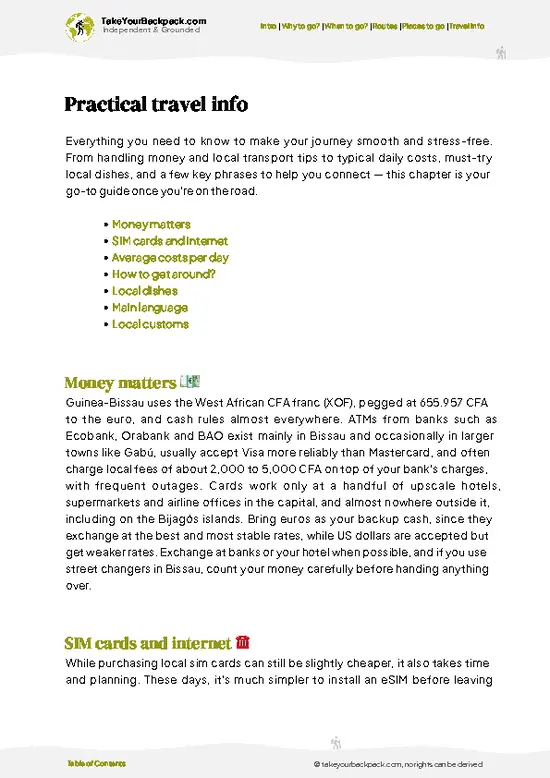
example page 0 from our offline Travel Guide for Guinea-Bissau
example page 1 from our offline Travel Guide for Guinea-Bissau
example page 2 from our offline Travel Guide for Guinea-Bissau
example page 3 from our offline Travel Guide for Guinea-Bissau
example page 4 from our offline Travel Guide for Guinea-Bissau
example page 5 from our offline Travel Guide for Guinea-Bissau
example page 6 from our offline Travel Guide for Guinea-Bissau
example page 7 from our offline Travel Guide for Guinea-Bissau
The digital guide (230 pages) contains:
53 highlights, ranked by travel appeal
Optimized 2, 3 & 5-day travel routes
Cities, national parks, landmarks, beaches
How to get around
Offline-friendly for travel without Wi-Fi
👉 Click to see all 30+ guide features

📅 Plan smarter in minutes, not weeks
Month by month travel advice
Festivals & national holidays
Budget expectations

🗺️ Go to the right places, skip the overrated ones
Honest pros & cons of destinations
Top hikes, parks & viewpoints
Lesser-known places most travelers miss
Clear “worth it vs skip it” guidance

🛏️ Travel smoothly without rookie mistakes
Best areas to stay
Transport systems explained simply
Common scams & safety advice
SIM cards, money & practical tips

🌍 Understand the country, not just visit it
Culture & traditions
52 Essential phrases & customs
Festivals worth planning around
Traveler-friendly historical context
Insights that make places more meaningful

📱 Built for real travel conditions
Fully downloadable PDF
Works completely offline
Optimized for phone use
Useful in remote areas & buses
Everything in one place
Save weeks of stressful planning
Get instant access to your full guide. 30‑day money-back guarantee.
+ Add another guide for just US$7.80

By proceeding you agree to our terms.
Sent to your inbox immediately after payment • 100% Secure Checkout
Best Backpacking Travel Advisor 2025 tourism awardBest Backpacking
Travel Advisor
2025
What others say about Take Your Backpack Guides:
⭐⭐⭐⭐⭐
Fantastic, amazing amount of information!
⭐⭐⭐⭐⭐
My goodness this is amazing, it's what I've been looking for hats off too you!
⭐⭐⭐⭐⭐
I think this is absolutely BRILLIANT
⭐⭐⭐⭐
Very complete and informative. It's still missing places, but I gotta to commend you
⭐⭐⭐⭐⭐
This is truly amazing, thank you, can't wait to explore it with my kids!
⭐⭐⭐⭐⭐
Awesome resource, thank you!
⭐⭐⭐⭐⭐
This is amazing! Can't wait to explore the ones I haven't seen
⭐⭐⭐⭐
I love this! Well done, great idea.
⭐⭐⭐⭐⭐
Thanks for taking the time to make this gem!
⭐⭐⭐⭐⭐
This might be the best website I've ever seen.
⭐⭐⭐⭐⭐
Congratulations, and thank you so much for your work; it's incredibly valuable.
⭐⭐⭐⭐
In all seriousness I think you did a great job pointing out the important spots
⭐⭐⭐⭐⭐
10/10 very good
⭐⭐⭐⭐⭐
As someone who's only just starting to visit regularly this is awesome, thank you.
⭐⭐⭐⭐
Thank you very much! I'm going to visit my dad, it's going to be very useful!
⭐⭐⭐⭐⭐
This is really cool! We'll be travelling for the first time and this definitely come in handy.
⭐⭐⭐⭐⭐
You are now our minister of culture, congratulations 👨‍💼
⭐⭐⭐⭐⭐
Just wanted to tell you that this is a pearl! Going to follow your recommendations.
⭐⭐⭐⭐⭐
This is so cool. I'll definitely be using the resource for my travels soon.
⭐⭐⭐⭐⭐
This is very impressive! Good work.
⭐⭐⭐⭐⭐
This is an amazing and informative site. Very well done!

🛏️ Where to stay?Best areas to stay in Guinea-Bissau

Quebo’s heart for backpackers beats strongest in the Bairro Central district. This area hums with life—street vendors frying fresh fish, the scent of smoky palm oil mingling with salty ocean air. It’s where you’ll find the most budget-friendly spots, often simple guesthouses or hostels that double as social hubs. The vibe here is unpretentious and welcoming, perfect for solo travelers looking to swap stories over a shared meal or a cold drink. Safety feels tangible in the daylight, with locals used to visitors and a steady rhythm of foot traffic that keeps the streets alive.

Stepping outside … read more 👉
Quebo’s heart for backpackers beats strongest in the Bairro Central district. This area hums with life—street vendors frying fresh fish, the scent of smoky palm oil mingling with salty ocean air. It’s where you’ll find the most budget-friendly spots, often simple guesthouses or hostels that double as social hubs. The vibe here is unpretentious and welcoming, perfect for solo travelers looking to swap stories over a shared meal or a cold drink. Safety feels tangible in the daylight, with locals used to visitors and a steady rhythm of foot traffic that keeps the streets alive.

Stepping outside Bairro Central, the city thins out into quieter, less connected neighborhoods. These might offer calm but lack the buzz and easy access to markets, eateries, and transport links that make daily life smoother. For a backpacker, staying central means unlocking Quebo’s pulse without the hassle of long, uncertain commutes or feeling isolated.

🚌 Getting aroundTransportation options and practical tips

Quebo moves at its own rhythm—less a clockwork town and more a pulse you feel underfoot. The streets hum with a mix of purposeful strides and spontaneous detours, where schedules exist but bend to the flow of daily life. Morning light filters through narrow alleys, catching the scent of fresh bread and sea salt, while afternoons stretch lazily with locals lingering over coffee. This isn’t a place where you’ll find rigid timetables nailed to every corner; instead, you learn to read the subtle cues—the gathering crowds, the sudden honk of a horn, the slow roll of a bus lumbering by. Mastering Quebo’s transit means tuning into this rhythm, blending patience with savvy moves to turn what feels like chaos into your personal advantage.


  • Walking: The heart of Quebo beats on foot. Most neighborhoods
read more 👉
Quebo moves at its own rhythm—less a clockwork town and more a pulse you feel underfoot. The streets hum with a mix of purposeful strides and spontaneous detours, where schedules exist but bend to the flow of daily life. Morning light filters through narrow alleys, catching the scent of fresh bread and sea salt, while afternoons stretch lazily with locals lingering over coffee. This isn’t a place where you’ll find rigid timetables nailed to every corner; instead, you learn to read the subtle cues—the gathering crowds, the sudden honk of a horn, the slow roll of a bus lumbering by. Mastering Quebo’s transit means tuning into this rhythm, blending patience with savvy moves to turn what feels like chaos into your personal advantage.


  • Walking: The heart of Quebo beats on foot. Most neighborhoods are compact, with cobblestone streets that reveal the city’s character up close. Walking is free, immersive, and often faster than waiting for transit during peak hours.

  • Local Minibuses: These shared vans run roughly from 6:00 AM to 9:00 PM, costing about $0.50 per ride. They zigzag through main routes but don’t follow strict schedules—catch one by spotting where locals gather. They’re cramped but quick, perfect for short hops.

  • Motorcycle Taxis: Available 24/7, these dart through traffic with ease. Expect to pay $1-$2 depending on distance. They’re your go-to for late nights or when time is tight, though hold on tight—the ride is bumpy but exhilarating.

  • City Buses: Larger buses operate from 5:30 AM to 8:00 PM, with fares around $0.75. They’re slower due to frequent stops but offer a smoother ride and cover longer distances, ideal for reaching outskirts or markets.

  • Bike Rentals: For the adventurous, renting a bike costs about $5 per day. Quebo’s terrain is mostly flat, and cycling lets you explore at your own pace, catching scents and sounds missed by faster transport.

👛 Costs (as of 3 September 2026)Typical daily expenses

Backpacking in Quebo, Guinea-Bissau, means embracing a raw, off-the-beaten-path vibe where costs stay modest but the experience feels rich in local texture.
  • Dorm Accommodation: Expect basic guesthouses or small hostels with shared rooms. Prices hover around €5 to €10 per night. These places often have minimal amenities, so bring your own towel and be ready for simple setups.
  • Meals: Local eateries serve up fresh, straightforward dishes like grilled fish or rice with vegetables for about €2 to €4 per meal. Street food is even cheaper but stick to cooked items to avoid stomach trouble. Western-style meals or imported goods will push costs higher and are rare.
  • Local Transport: Quebo’s transport options are limited. Expect to pay around €0.50 to €1 for short moto-taxi rides within town. Walking
read more 👉
Backpacking in Quebo, Guinea-Bissau, means embracing a raw, off-the-beaten-path vibe where costs stay modest but the experience feels rich in local texture.
  • Dorm Accommodation: Expect basic guesthouses or small hostels with shared rooms. Prices hover around €5 to €10 per night. These places often have minimal amenities, so bring your own towel and be ready for simple setups.
  • Meals: Local eateries serve up fresh, straightforward dishes like grilled fish or rice with vegetables for about €2 to €4 per meal. Street food is even cheaper but stick to cooked items to avoid stomach trouble. Western-style meals or imported goods will push costs higher and are rare.
  • Local Transport: Quebo’s transport options are limited. Expect to pay around €0.50 to €1 for short moto-taxi rides within town. Walking is often the best way to soak in the atmosphere and save money.
  • Basic Activities/Entry Fees: Most local attractions, such as beaches or markets, are free or cost under €2. Organized tours are scarce and tend to be pricier if you find them, so plan on exploring independently.
  • Miscellaneous Expenses: Budget around €1 to €3 for essentials like bottled water, snacks, or occasional phone credit. Internet access can be spotty and might require buying data bundles.

Quebo’s daily costs for a backpacker typically fall between €10 and €20. This tight budget reflects the town’s simplicity and limited infrastructure but rewards you with an authentic, unvarnished slice of Guinea-Bissau life.
⚠️ Prices can change and everyone travels differently, so take this as a rough guide. Hope it helps you plan your adventure!

🚌 Day tripsWhere to go beyond the main area

Quebo, Guinea-Bissau, is a backpacker’s dream base for exploring the region’s rich culture and stunning landscapes. The town’s laid-back vibe makes it easy to set off on day trips that are both rewarding and accessible.

Trip to Bissau
A quick 2-hour ride from Quebo, the capital city offers a vibrant mix of colonial architecture and local markets. Stroll through the bustling Mercado Municipal, where the scent of fresh fish and spices fills the air. Grab a plate of grilled fish for around $3, and don’t skip the chance to chat with local vendors. The best time to visit is early morning when the market is alive with energy. Many first-timers miss the chance to explore the historic Fort of São José da Amura, so make sure to include it in your itinerary.
👉 Explore Bissau

Trip to Orango Islandread more 👉
Quebo, Guinea-Bissau, is a backpacker’s dream base for exploring the region’s rich culture and stunning landscapes. The town’s laid-back vibe makes it easy to set off on day trips that are both rewarding and accessible.

Trip to Bissau
A quick 2-hour ride from Quebo, the capital city offers a vibrant mix of colonial architecture and local markets. Stroll through the bustling Mercado Municipal, where the scent of fresh fish and spices fills the air. Grab a plate of grilled fish for around $3, and don’t skip the chance to chat with local vendors. The best time to visit is early morning when the market is alive with energy. Many first-timers miss the chance to explore the historic Fort of São José da Amura, so make sure to include it in your itinerary.
👉 Explore Bissau

Trip to Orango Island
Catch a boat from Quebo to Orango Island, about 1.5 hours away. This trip is a slice of paradise, with pristine beaches and unique wildlife, including the rare Orango Island hippos. The boat ride costs around $10, and the island’s tranquility is worth every penny. Aim for the dry season, from November to April, for the best weather. A common mistake is underestimating the time needed to explore; plan for a full day to soak in the beauty and culture.


Trip to Cufada Lagoon
Just a 1-hour drive from Quebo, Cufada Lagoon is a haven for birdwatchers and nature lovers. The lagoon is home to diverse wildlife and stunning landscapes. Entry is typically around $5, and you can rent a canoe for an additional $10. The best time to visit is during the dry season when the water levels are lower, making wildlife spotting easier. Many travelers overlook the early morning hours when the lagoon is most serene, so set your alarm for a magical sunrise experience.
Want to know what more Guinea-Bissau offers?
The Guinea-Bissau Travel Guide describes 53 highlights, from cities to national parks, from beaches to hikes

Get the Travel Guide -

🛡️ SafetySafety Tips and Common Scams in Quebo

Quebo, Guinea-Bissau, is generally safe, but a few practical tips can enhance your experience. Stay aware in crowded markets; pickpockets sometimes lurk where excitement brews. If you’re solo, avoid wandering too far after dark. The streets can feel deserted, and it’s wise to stick to well-lit areas.

Common scams are rare, but be cautious with overly friendly locals offering unsolicited help; they might expect a tip. Carry yourself confidently, and don’t hesitate to say no.

Annoyances can include sporadic power outages, so keep a portable charger handy. Embrace the rhythm of the town, and you’ll find that the little challenges only add to the charm of your adventure.

FAQCommon questions from travelers

Quebo is primarily a stopover rather than a major destination, as it is a small town with limited tourist infrastructure and attractions. It offers a glimpse of rural life in Guinea-Bissau but lacks significant landmarks or activities for extended visits.
One to two days are sufficient to explore Quebo, mainly to experience the local culture and environment. This timeframe allows for a relaxed visit without rushing, given the town's small size and limited points of interest.
Yes, Quebo can be visited as a day trip from nearby cities like Buba, which is about 40 kilometers away. Travel by local transport or hired vehicle typically takes around 1 to 1.5 hours each way, making a day trip feasible.
⚠️ Things can change over time, so always validate details locally before you go.

Other Bissau-Guinean towns near Quebo

Explore more nearby:

  • Cacine—remote river port, forested surroundings, fishing boats| 26 km away
  • Buba—coastal inlet, timber port, quiet neighborhoods| 29 km away
  • Catió—forest fringe, regional trading post, ethnic diversity| 36 km away

💡 Not sure where to go next?
Create a personalized itinerary for Guinea-Bissau including Quebo and the places that fit your trip.

Generate my itinerary

👉 Discover all towns

Or checkout all Guinea-Bissau has to offer (think cities, towns, villages, national parks, hikes, beaches, festivals)
Country photo of Guinea-Bissau

We 💚 feedbackParting advice and final tips

Quebo is a slice of life that feels untouched, where the air is thick with the scent of palm oil and the sounds of laughter echo through the streets. The best surprise? The local market—vibrant with colors and flavors, it’s where you’ll find the freshest fish and the friendliest faces. Just a heads-up: the roads can be rough, so take it slow. Embrace the journey; it’s all part of the experience.

✍️ Help improve this page!
The information on this page is based on in-depth research, insights shared by experienced travelers, and feedback from the local travel community in Guinea-Bissau. While every effort is made to keep the information accurate and current, conditions can change — so if you spot anything incorrect or outdated, please get in touch.


🙋‍♂️ Give feedback

👋 Meet the founderWho’s Behind Take Your Backpack?

Johan, backpacker and founder of TakeYourBackpackHi, I’m Johan (Netherlands 🇳🇱), the creator of TakeYourBackpack. Over the past decade, I’ve backpacked through 80+ countries across six continents, gaining extensive experience with independent travel, long-term trips, and overland routes.

This site is built on a combination of firsthand travel experience and carefully curated insights from other backpackers. Many guides are based on places I’ve personally visited, while others bring together tips, observations, and practical advice shared by trusted travelers I’ve met along the way.

The goal is to provide realistic, experience-driven guidance — not generic itineraries — so you can explore destinations with better context, clearer expectations, and more confidence.

Get full country guide •
Instant download • 53 highlights • Full Offline guide