v2.webp)
The Sugar Plantation Machinery
Forget the Instagram shots of weathered stone and palm trees. The real punch here is the hulking, rusted sugar mill machinery—original, not some theme-park replica. You can practically hear the grind of cane and the shouts of workers echoing off the iron. This is industrial history with teeth. You’re not just looking at old gears; you’re standing in the engine room of Haiti’s colonial economy. It’s a rare, tactile glimpse into the brutal backbone of Caribbean sugar wealth, and it’s more gripping than any glossy travel brochure will admit.
The Slave Quarters
Here’s where the museum pulls no punches. The preserved slave quarters are not sanitized for comfort. The cramped, low-ceilinged rooms force you to confront the reality of plantation life, not just for a … read more 👉
Forget the Instagram shots of weathered stone and palm trees. The real punch here is the hulking, rusted sugar mill machinery—original, not some theme-park replica. You can practically hear the grind of cane and the shouts of workers echoing off the iron. This is industrial history with teeth. You’re not just looking at old gears; you’re standing in the engine room of Haiti’s colonial economy. It’s a rare, tactile glimpse into the brutal backbone of Caribbean sugar wealth, and it’s more gripping than any glossy travel brochure will admit.
The Slave Quarters
Here’s where the museum pulls no punches. The preserved slave quarters are not sanitized for comfort. The cramped, low-ceilinged rooms force you to confront the reality of plantation life, not just for a … read more 👉
The Sugar Plantation Machinery
Forget the Instagram shots of weathered stone and palm trees. The real punch here is the hulking, rusted sugar mill machinery—original, not some theme-park replica. You can practically hear the grind of cane and the shouts of workers echoing off the iron. This is industrial history with teeth. You’re not just looking at old gears; you’re standing in the engine room of Haiti’s colonial economy. It’s a rare, tactile glimpse into the brutal backbone of Caribbean sugar wealth, and it’s more gripping than any glossy travel brochure will admit.
The Slave Quarters
Here’s where the museum pulls no punches. The preserved slave quarters are not sanitized for comfort. The cramped, low-ceilinged rooms force you to confront the reality of plantation life, not just for a photo op, but as a gut-check. The museum doesn’t let you off easy—it’s honest, sometimes painfully so, about the human cost behind the grand colonial façade. If you want to understand Haiti, you start here, not with the beaches.
The Ogier-Fombrun Mansion
This isn’t Versailles, and that’s the point. The mansion is a study in contrasts: elegant arches and cool stone, but always with the shadow of its history. You’ll see period furniture, creaking floorboards, and the kind of architectural details that only make sense when you realize this was both a home and a command center for a plantation. It’s not about opulence; it’s about power, and the way it shaped every inch of the property.
The Museum’s Timeline Exhibits
If you’re expecting a dry wall of dates, you’re in for a surprise. The timeline here is a crash course in Haitian history, from the Taino era to independence and beyond. It’s blunt, sometimes even raw, about the cycles of exploitation and resistance. The curation is sharp—artifacts, documents, and maps that connect the dots between the plantation and the birth of the world’s first Black republic. You walk out with context, not just trivia.
The Gardens and Grounds
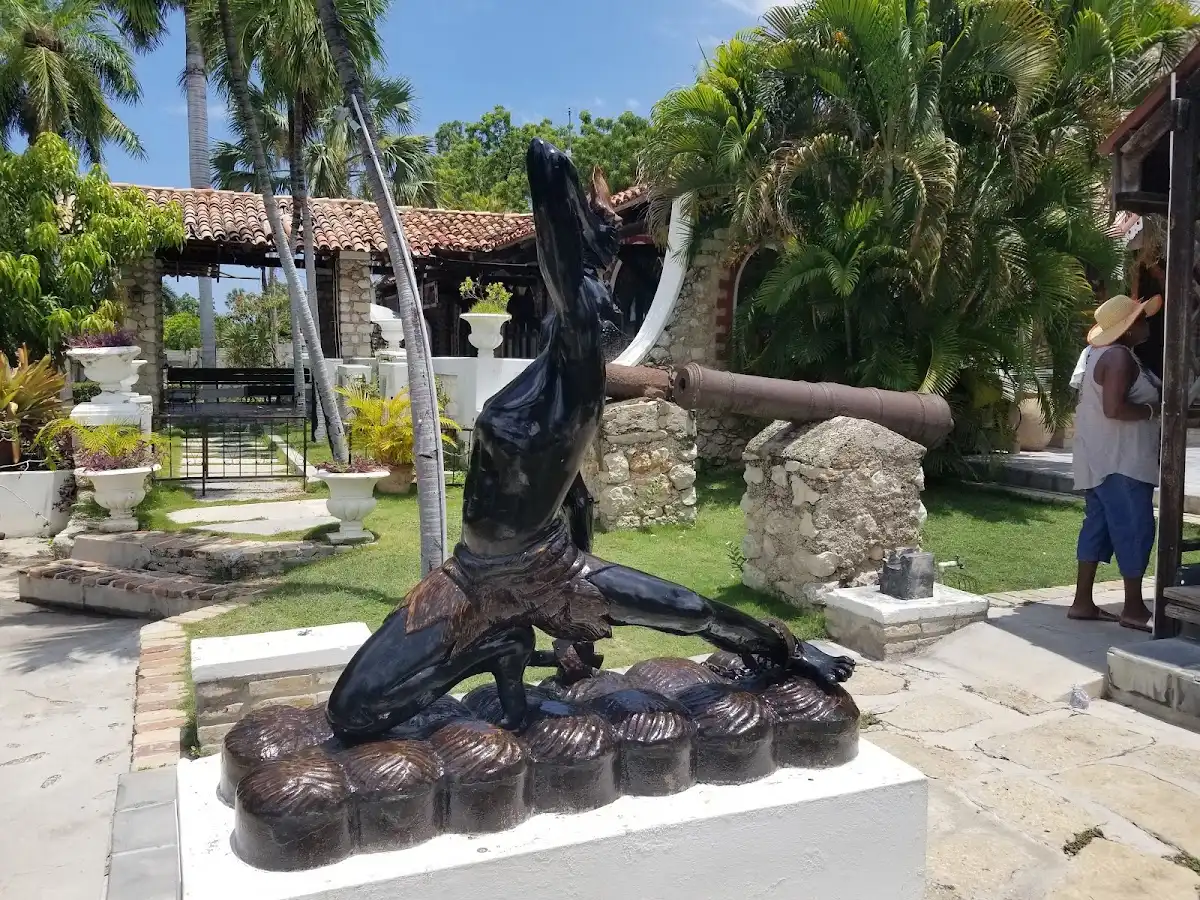
Yes, you’ll see visitors posing for selfies in the sun-dappled courtyards. But the real magic is in wandering the grounds and realizing how the landscape itself was engineered for control—sugarcane fields, irrigation channels, and the strategic placement of buildings. It’s a living lesson in how geography and power intersect. If you’re paying attention, you’ll see more than just pretty scenery; you’ll see the blueprint of colonial ambition, still etched into the earth.
The On-Site Artisans
Skip the generic souvenirs. The museum often hosts local artisans—woodcarvers, metalworkers, and painters—whose work is rooted in Haitian tradition. Watching them work is a reminder that Haiti’s creative spirit didn’t end with the revolution. It’s alive, loud, and defiantly original. If you want to take home something with soul, this is where you find it.
Forget the Instagram shots of weathered stone and palm trees. The real punch here is the hulking, rusted sugar mill machinery—original, not some theme-park replica. You can practically hear the grind of cane and the shouts of workers echoing off the iron. This is industrial history with teeth. You’re not just looking at old gears; you’re standing in the engine room of Haiti’s colonial economy. It’s a rare, tactile glimpse into the brutal backbone of Caribbean sugar wealth, and it’s more gripping than any glossy travel brochure will admit.
The Slave Quarters
Here’s where the museum pulls no punches. The preserved slave quarters are not sanitized for comfort. The cramped, low-ceilinged rooms force you to confront the reality of plantation life, not just for a photo op, but as a gut-check. The museum doesn’t let you off easy—it’s honest, sometimes painfully so, about the human cost behind the grand colonial façade. If you want to understand Haiti, you start here, not with the beaches.
The Ogier-Fombrun Mansion
This isn’t Versailles, and that’s the point. The mansion is a study in contrasts: elegant arches and cool stone, but always with the shadow of its history. You’ll see period furniture, creaking floorboards, and the kind of architectural details that only make sense when you realize this was both a home and a command center for a plantation. It’s not about opulence; it’s about power, and the way it shaped every inch of the property.
The Museum’s Timeline Exhibits
If you’re expecting a dry wall of dates, you’re in for a surprise. The timeline here is a crash course in Haitian history, from the Taino era to independence and beyond. It’s blunt, sometimes even raw, about the cycles of exploitation and resistance. The curation is sharp—artifacts, documents, and maps that connect the dots between the plantation and the birth of the world’s first Black republic. You walk out with context, not just trivia.
The Gardens and Grounds
Yes, you’ll see visitors posing for selfies in the sun-dappled courtyards. But the real magic is in wandering the grounds and realizing how the landscape itself was engineered for control—sugarcane fields, irrigation channels, and the strategic placement of buildings. It’s a living lesson in how geography and power intersect. If you’re paying attention, you’ll see more than just pretty scenery; you’ll see the blueprint of colonial ambition, still etched into the earth.
The On-Site Artisans
Skip the generic souvenirs. The museum often hosts local artisans—woodcarvers, metalworkers, and painters—whose work is rooted in Haitian tradition. Watching them work is a reminder that Haiti’s creative spirit didn’t end with the revolution. It’s alive, loud, and defiantly original. If you want to take home something with soul, this is where you find it.
Spotted a mistake or missing something? Contact us.



 Best Backpacking
.jpg) Hi, I’m Johan (Netherlands 🇳🇱), the creator of TakeYourBackpack. Over the past decade, I’ve backpacked through 80+ countries across six continents, gaining extensive experience with independent travel, long-term trips, and overland routes.
Hi, I’m Johan (Netherlands 🇳🇱), the creator of TakeYourBackpack. Over the past decade, I’ve backpacked through 80+ countries across six continents, gaining extensive experience with independent travel, long-term trips, and overland routes.