×

Honduras🇭🇳 | best hikesDiscover the Best hikes Across Honduras

Hiking in Honduras means cloud forest, pine highlands and jungle, not a trail network with signposts and huts. Most routes are short day walks run through national parks, often with a required local guide. The west and center (Lago de Yojoa, Celaya, Santa Bárbara highlands) are the easiest independent bets: cheap, reachable by bus, and quiet. The Caribbean coast and La Mosquitia offer wild lowland jungle, but access is costly and slow. Skip the Bay Islands for serious walking; they suit diving, not hiking. Pick highlands for budget and ease, the north coast for scenery, and La Mosquitia only if you have a week and money.

By Johan Kruseman 🇳🇱 | Updated October 23, 2026
Explore the best beaches in Honduras

Why go?Key Factors That Shape the Experience

Honduras is the most mountainous country in Central America, and that is the root of its appeal. About 80 percent of the land is hills and mountains, and the protected cloud forests hold quetzals, toucans and orchids at altitudes where the air stays cool. Lenca highland villages and Maya ruins sit beside many trails, so a walk often ends in a coffee farm or a colonial town rather than a trailhead parking lot.

The infrastructure is the weak point. Trail marking is thin, maps are poor, and many parks have a small visitor center and little else. Do not expect Costa Rica's polish or Guatemala's volcano crowds. That absence of crowds is the benefit: you will often have a trail to yourself, and guides are local community members who earn directly from your visit.

Before choosing Honduras, accept … read more 👉
Honduras is the most mountainous country in Central America, and that is the root of its appeal. About 80 percent of the land is hills and mountains, and the protected cloud forests hold quetzals, toucans and orchids at altitudes where the air stays cool. Lenca highland villages and Maya ruins sit beside many trails, so a walk often ends in a coffee farm or a colonial town rather than a trailhead parking lot.

The infrastructure is the weak point. Trail marking is thin, maps are poor, and many parks have a small visitor center and little else. Do not expect Costa Rica's polish or Guatemala's volcano crowds. That absence of crowds is the benefit: you will often have a trail to yourself, and guides are local community members who earn directly from your visit.

Before choosing Honduras, accept that planning takes effort. Guides are often compulsory, transport between towns relies on chicken buses and minibuses, and some parks close or change access after storms. Security is uneven, with high crime in big cities like San Pedro Sula and Tegucigalpa, so hikers should move through them quickly and base themselves in smaller towns. Go for quiet, cheap, rough-edged walking rather than a polished, easy trail experience.
How the List Was Created
The list of best hikes in Honduras is created based on scenery, challenge, trail quality, landmarks, and overall enjoyment. If you feel a hike is missing in this list, please let us know.

When to go?Optimal Periods for Travel

Best months for hiking: The best months for hiking in Honduras are February to April, when the dry season brings clear skies and firm trails across most of the country. Highland days run around 20 to 28°C (68 to 82°F), while nights in cloud forest and pine country such as Celaya or Santa Bárbara can fall to 8 to 14°C (46 to 57°F). Coastal and lowland areas are hotter, often 30 to 35°C (86 to 95°F), so start walks at dawn.
Shoulder seasons and wet months: November to January and May are workable shoulder months. The rains begin around May or June and run through October for most of the interior, with trails turning muddy and river crossings rising. The north coast and La Mosquitia are different: their wettest period is roughly October to January, so a December trip there is a poor choice. Hurricane … read more 👉
Best months for hiking: The best months for hiking in Honduras are February to April, when the dry season brings clear skies and firm trails across most of the country. Highland days run around 20 to 28°C (68 to 82°F), while nights in cloud forest and pine country such as Celaya or Santa Bárbara can fall to 8 to 14°C (46 to 57°F). Coastal and lowland areas are hotter, often 30 to 35°C (86 to 95°F), so start walks at dawn.
Shoulder seasons and wet months: November to January and May are workable shoulder months. The rains begin around May or June and run through October for most of the interior, with trails turning muddy and river crossings rising. The north coast and La Mosquitia are different: their wettest period is roughly October to January, so a December trip there is a poor choice. Hurricane season (June to November) peaks in September and October, and storms can wash out roads and close parks. Skip those two months for anything remote.
Crowds and prices: Peak pressure comes at Semana Santa (the week before Easter) and over Christmas, when Honduran families fill coastal and lake towns and rooms can cost 20 to 40 percent more. Highland trails stay quiet even then. Book ahead only for Semana Santa. Outside it, walking up to guesthouses is fine.

hike hoppingSuggested Travel Strategies

How many days to allow: A trip linking several hikes in Honduras needs 10 to 14 days, because transport is slow and every connection eats half a day. Group stops by region: the western highlands (Copán Ruinas, Gracias, Santa Bárbara) cluster together, the Lago de Yojoa area sits roughly halfway, and the north coast (La Ceiba, Pico Bonito area) is the far end. Travel west to east, entering via Copán or San Pedro Sula and ending in La Ceiba, then fly or bus onward.
Time per stop and between regions: Allow 2 to 3 nights per base, which covers one or two guided walks and a rest day. Copán Ruinas to Lago de Yojoa takes about 4 to 5 hours by bus via San Pedro Sula. Yojoa to La Ceiba is roughly 4 to 5 hours. Gracias to Copán takes 4 to 6 hours with a change at La Entrada. Add at least an hour for … read more 👉
How many days to allow: A trip linking several hikes in Honduras needs 10 to 14 days, because transport is slow and every connection eats half a day. Group stops by region: the western highlands (Copán Ruinas, Gracias, Santa Bárbara) cluster together, the Lago de Yojoa area sits roughly halfway, and the north coast (La Ceiba, Pico Bonito area) is the far end. Travel west to east, entering via Copán or San Pedro Sula and ending in La Ceiba, then fly or bus onward.
Time per stop and between regions: Allow 2 to 3 nights per base, which covers one or two guided walks and a rest day. Copán Ruinas to Lago de Yojoa takes about 4 to 5 hours by bus via San Pedro Sula. Yojoa to La Ceiba is roughly 4 to 5 hours. Gracias to Copán takes 4 to 6 hours with a change at La Entrada. Add at least an hour for every stated bus time.
Planning mistakes: The first mistake is cramming one hike per day with long transfers between them. Instead, keep moves to one per three days. The second is routing through Tegucigalpa for no reason; skip the capital unless you are flying out of it. The third is adding La Mosquitia to a short trip. It needs 5 to 7 extra days and a flight from La Ceiba, so treat it as its own trip.

The ListMust-Visit hikes in Honduras

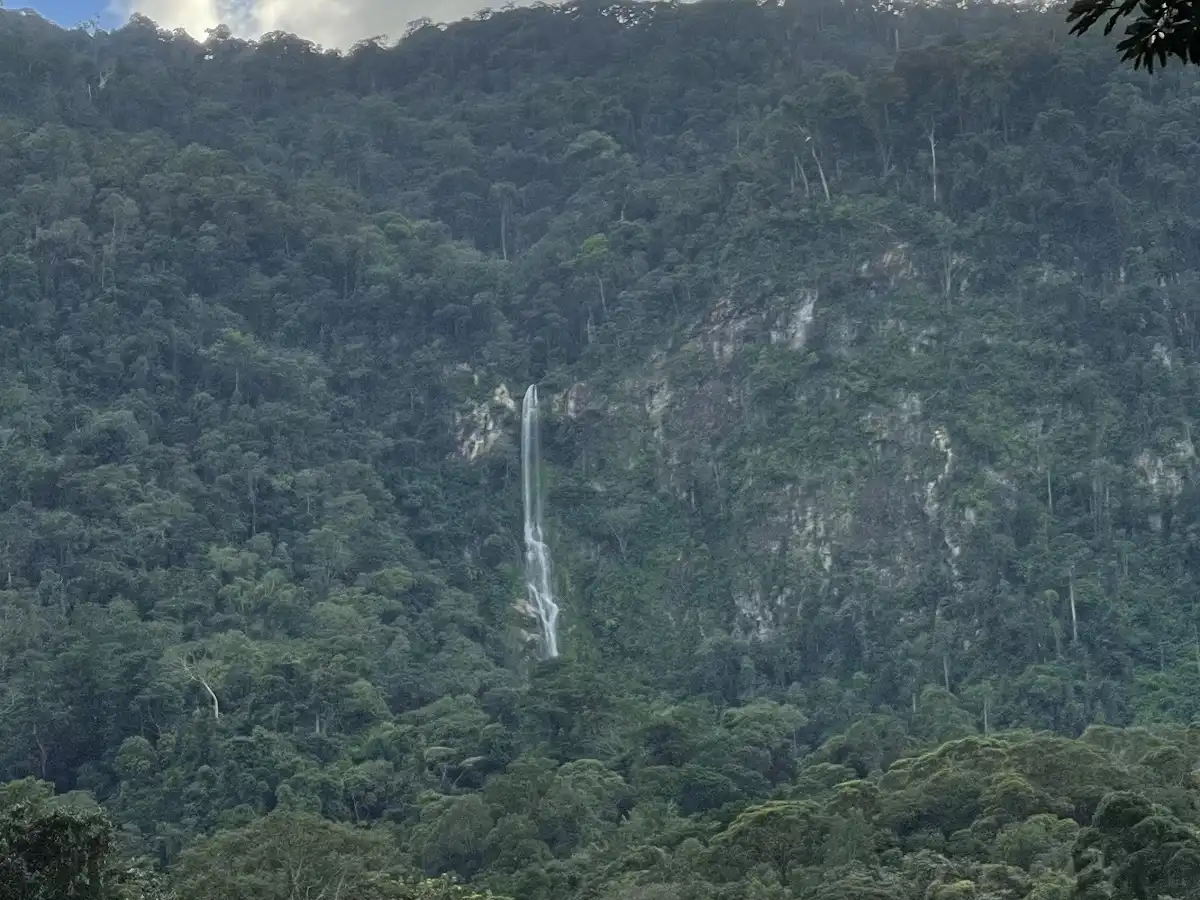
1 El Bejuco Waterfall Trail

Muddy jungle path, repeated stream crossings, deep plunge pool, Pico Bonito foothills

Wade a forest stream beneath vine-hung trees to reach a roaring cascade, then float in its deep pool before the afternoon.

honduras-hike-el-bejuco-waterfall-trail
© Google |
Loading the map 🌍

Expert viewPro Tips for Exploring the Best

How many hikes to plan: Plan four to six hikes over two weeks. Honduran hikes are mostly half-day to full-day walks, but transport eats the remaining time, and more than that leaves no buffer for rain, cancelled minibuses or tired legs. Fewer is better than rushing.
Choosing by travel style: On a tight budget, prioritize highland and cloud forest walks near towns, since you reach them by public bus and pay only a small fee. If you want wildlife, go for the north coast parks and pay for a good guide. Reserve La Mosquitia for travelers with time and cash, since remote jungle trips cost far more per day than everything else here. Skip short walks beside heavily developed tourist areas on the islands; they are not worth the time or the fees.
What it costs: Budget US$30 to 50 a day on the highland … read more 👉
How many hikes to plan: Plan four to six hikes over two weeks. Honduran hikes are mostly half-day to full-day walks, but transport eats the remaining time, and more than that leaves no buffer for rain, cancelled minibuses or tired legs. Fewer is better than rushing.
Choosing by travel style: On a tight budget, prioritize highland and cloud forest walks near towns, since you reach them by public bus and pay only a small fee. If you want wildlife, go for the north coast parks and pay for a good guide. Reserve La Mosquitia for travelers with time and cash, since remote jungle trips cost far more per day than everything else here. Skip short walks beside heavily developed tourist areas on the islands; they are not worth the time or the fees.
What it costs: Budget US$30 to 50 a day on the highland circuit, covering a dorm or basic room (US$8 to 20), meals (US$8 to 12), and local buses (US$2 to 8 per leg). Park entry typically runs US$5 to 15 for foreigners, and a local guide costs about US$15 to 40 per day depending on the park and group size. Expect US$80 to 150 per visit to a major national park once guide, entry and transfers are combined. La Mosquitia trips, including flights and a guide, usually run US$100 to 200 a day. Lempira is the local currency, but guides and many lodges quote in dollars. Carry small bills; ATMs vanish outside towns.
Safety and cultural points: Hire guides where parks require them. They know the trail, they reduce the risk of getting lost where markers are poor, and the fee supports the local community that maintains access. Never hike alone in remote areas, and avoid walking after dark. Check with your guesthouse or the park office for current conditions, as landslides and washed-out roads are common in the rainy months.

Avoid big-city stopovers at night. Use daytime buses and arrive at your destination before dusk. Keep valuables out of sight and leave flashy gear at the hostel. In rural villages, greet people with a polite “buenos días” and ask before photographing anyone. Dress modestly in towns, and tip guides 10 to 15 percent for good service. Pack a rain shell regardless of season, since cloud forest weather changes within an hour.

✈️ The backpacker research shortcutHonduras Travel Guide

An offline-friendly backpacking guide with optimized travel routes, ranked highlights, transport advice, and the best areas to stay.
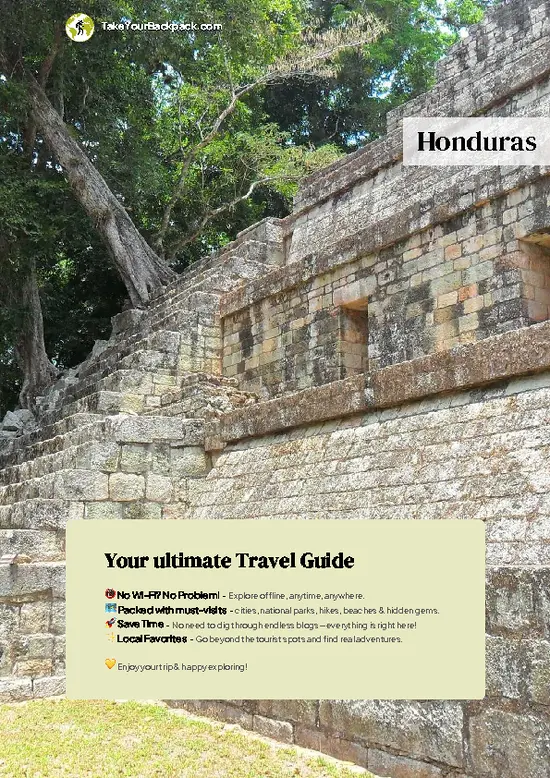
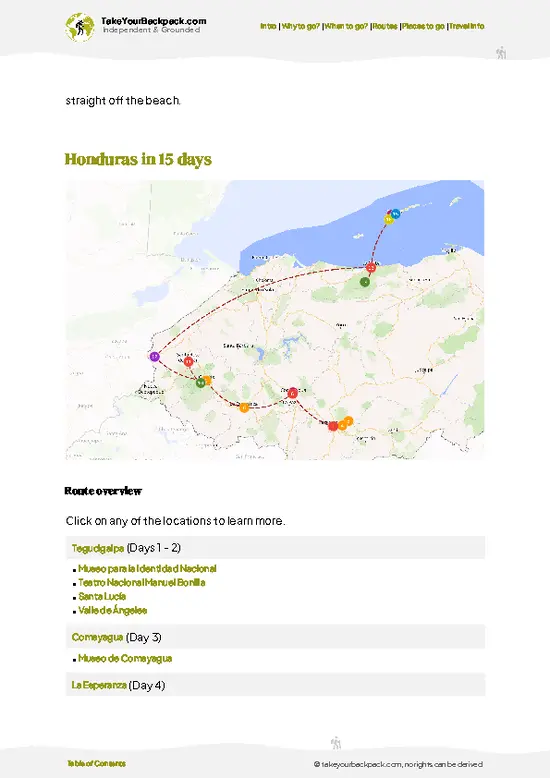
example page 0 from our offline Travel Guide for Honduras
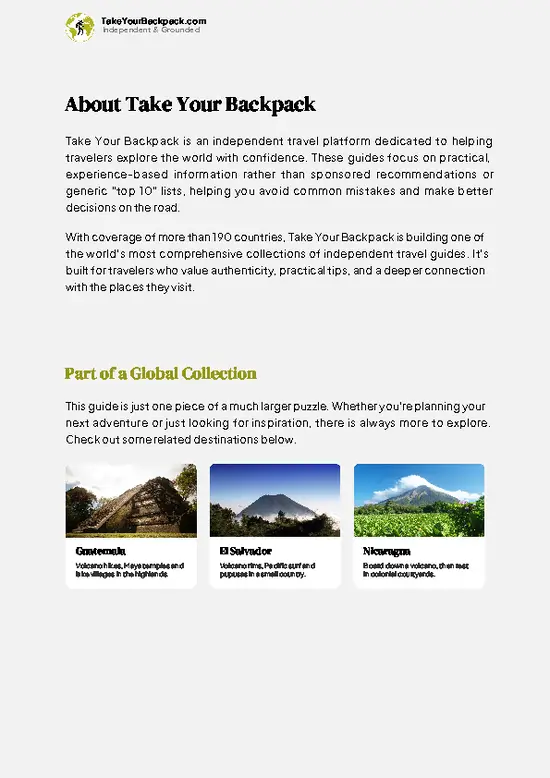
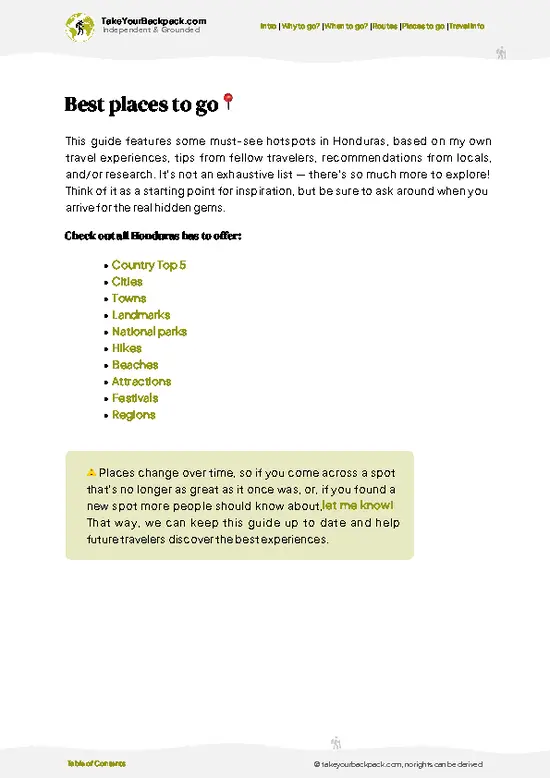
example page 1 from our offline Travel Guide for Honduras
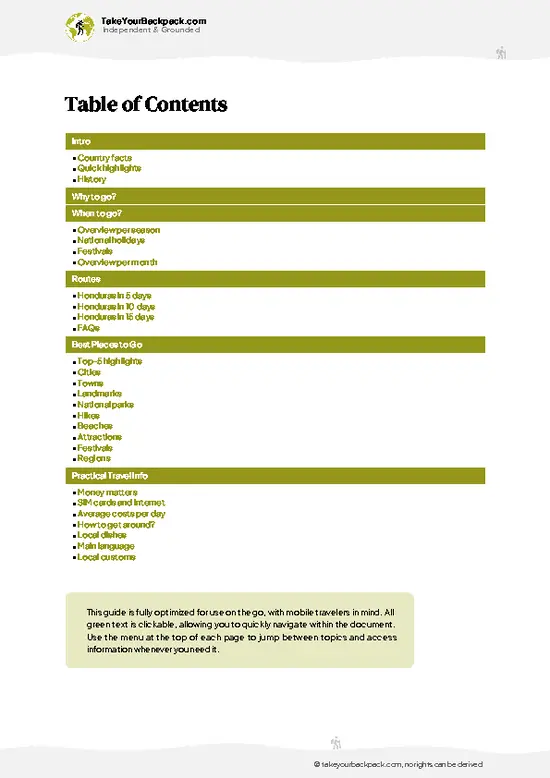
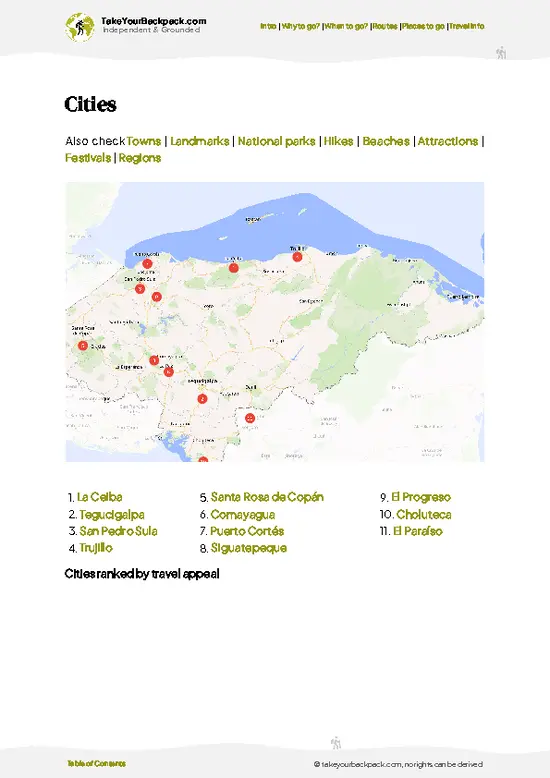
example page 2 from our offline Travel Guide for Honduras
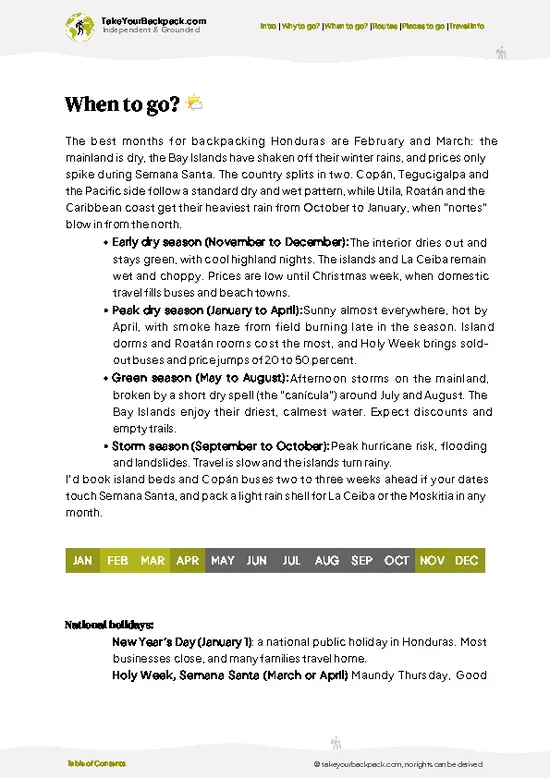
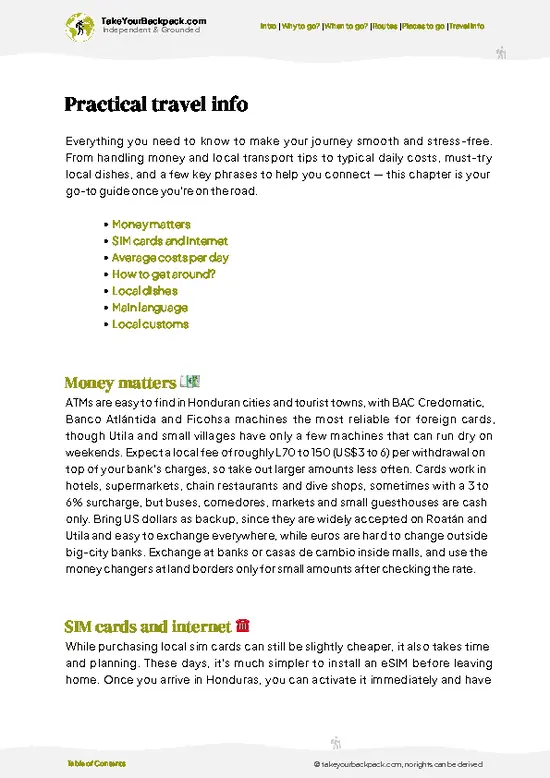
example page 3 from our offline Travel Guide for Honduras
example page 4 from our offline Travel Guide for Honduras
example page 5 from our offline Travel Guide for Honduras
example page 6 from our offline Travel Guide for Honduras
example page 7 from our offline Travel Guide for Honduras
The digital guide (255 pages) contains:
✅ 70 highlights, ranked by travel appeal
✅ Optimized 5, 10 & 15-day travel routes
✅ Cities, national parks, landmarks, beaches
✅ How to get around
✅ Offline-friendly for travel without Wi-Fi
👉 Click to see all 30+ guide features

📅 Plan smarter in minutes, not weeks
✅ Month by month travel advice
✅ Festivals & national holidays
✅ Budget expectations

🗺️ Go to the right places, skip the overrated ones
✅ Honest pros & cons of destinations
✅ Top hikes, parks & viewpoints
✅ Lesser-known places most travelers miss
✅ Clear “worth it vs skip it” guidance

🛏️ Travel smoothly without rookie mistakes
✅ Best areas to stay
✅ Transport systems explained simply
✅ Common scams & safety advice
✅ SIM cards, money & practical tips

🌍 Understand the country, not just visit it
✅ Culture & traditions
✅ 52 Essential phrases & customs
✅ Festivals worth planning around
✅ Traveler-friendly historical context
✅ Insights that make places more meaningful

📱 Built for real travel conditions
✅ Fully downloadable PDF
✅ Works completely offline
✅ Optimized for phone use
✅ Useful in remote areas & buses
✅ Everything in one place
Stop searching, start planning
Get instant access to your full guide. 30‑day money-back guarantee.
+ Add another guide for just

By proceeding you agree to our terms.
Sent to your inbox immediately after payment • 100% Secure Checkout
Best Backpacking Travel Advisor 2025 tourism awardBest Backpacking
Travel Advisor
2025
What others say about Take Your Backpack Guides:
⭐⭐⭐⭐⭐
Fantastic, amazing amount of information!
⭐⭐⭐⭐⭐
My goodness this is amazing, it's what I've been looking for hats off too you!
⭐⭐⭐⭐⭐
I think this is absolutely BRILLIANT
⭐⭐⭐⭐
Very complete and informative. It's still missing places, but I gotta to commend you
⭐⭐⭐⭐⭐
This is truly amazing, thank you, can't wait to explore it with my kids!
⭐⭐⭐⭐⭐
Awesome resource, thank you!
⭐⭐⭐⭐⭐
This is amazing! Can't wait to explore the ones I haven't seen
⭐⭐⭐⭐
I love this! Well done, great idea.
⭐⭐⭐⭐⭐
Thanks for taking the time to make this gem!
⭐⭐⭐⭐⭐
This might be the best website I've ever seen.
⭐⭐⭐⭐⭐
Congratulations, and thank you so much for your work; it's incredibly valuable.
⭐⭐⭐⭐
In all seriousness I think you did a great job pointing out the important spots
⭐⭐⭐⭐⭐
10/10 very good
⭐⭐⭐⭐⭐
As someone who's only just starting to visit regularly this is awesome, thank you.
⭐⭐⭐⭐
Thank you very much! I'm going to visit my dad, it's going to be very useful!
⭐⭐⭐⭐⭐
This is really cool! We'll be travelling for the first time and this definitely come in handy.
⭐⭐⭐⭐⭐
You are now our minister of culture, congratulations 👨‍💼
⭐⭐⭐⭐⭐
Just wanted to tell you that this is a pearl! Going to follow your recommendations.
⭐⭐⭐⭐⭐
This is so cool. I'll definitely be using the resource for my travels soon.
⭐⭐⭐⭐⭐
This is very impressive! Good work.
⭐⭐⭐⭐⭐
This is an amazing and informative site. Very well done!

🛏️ Where to stay?Top Areas to Stay

Honduras has a solid hostel scene, with dorm beds typically around L250 to 500 (US$10 to 20) and private rooms in guesthouses from about L600 (US$25), concentrated where backpackers actually go rather than in the big cities. On the Bay Islands, Utila has the most and cheapest beds plus a loud dive-bar night scene, while West End on Roatán costs more but puts you on a walkable beach strip; inland, the cobbled grid of Copán Ruinas is quiet, safe and a short walk from the ruins, and the Lake Yojoa area around Los Naranjos and Peña Blanca is all hammocks and early nights. In Tegucigalpa, stick to Colonia Palmira and the streets near Boulevard Morazán, where options are fewer and pricier but the … read more 👉
Honduras has a solid hostel scene, with dorm beds typically around L250 to 500 (US$10 to 20) and private rooms in guesthouses from about L600 (US$25), concentrated where backpackers actually go rather than in the big cities. On the Bay Islands, Utila has the most and cheapest beds plus a loud dive-bar night scene, while West End on Roatán costs more but puts you on a walkable beach strip; inland, the cobbled grid of Copán Ruinas is quiet, safe and a short walk from the ruins, and the Lake Yojoa area around Los Naranjos and Peña Blanca is all hammocks and early nights. In Tegucigalpa, stick to Colonia Palmira and the streets near Boulevard Morazán, where options are fewer and pricier but the area is calmer and close to restaurants, and treat San Pedro Sula as a one-night transit stop near the bus terminal.

If you enjoy meeting fellow travelers, consider choosing hostels with high ratings for atmosphere. On the other hand, if you prefer having your own space, a hotel might be a better option.

HondurasDiscover the Country

👋 Meet the founderWho’s Behind Take Your Backpack?

Johan, backpacker and founder of TakeYourBackpackHi, I’m Johan (Netherlands 🇳🇱), the creator of TakeYourBackpack. Over the past 3 decades, I’ve backpacked through 90+ countries across six continents, gaining extensive experience with independent travel, long-term trips, and overland routes.

This site is built on a combination of firsthand travel experience and carefully curated insights from other backpackers. Many guides are based on places I’ve personally visited, while others bring together tips, observations, and practical advice shared by trusted travelers I’ve met along the way.

The goal is to provide realistic, experience-driven guidance — not generic itineraries — so you can explore destinations with better context, clearer expectations, and more confidence.