×

Honduras🇭🇳 | regionsLake Yojoa400-species birding, Pulhapanzak falls, Los Naranjos mounds, lakeside breweries | things to do and best time to go

Explore RoatánExplore El Cacao

Backpacking in Lake Yojoa
👀 For curious travelersregion ranked #3
By Johan Kruseman 🇳🇱 | Updated October 23, 2026

Lake Yojoa is best known for its birdlife: more than 400 species have been recorded around the lake and the cloud forest of Santa Bárbara National Park above it. It sits in the west-central part of Honduras, roughly midway between Tegucigalpa and San Pedro Sula. I arrived expecting a scruffy roadside lake and instead found a kingfisher working the reeds beside a lakeside restaurant's dock, ten steps from my table. The cloud forest hikes and bird walks are worth your time. The strip of highway restaurants is not, since most serve the same fried fish at inflated prices. Watch for two traps: buses along the highway drop you at the road, not the shore, so confirm your stop before boarding, and rain can turn the forest trails to mud by afternoon, so start early. Unlike Lake Atitlán in Guatemala, there are no volcano-ringed villages to hop between here, just quiet shoreline and forest.

Discover everything you want to know in the 📖 Honduras Travel Guide.


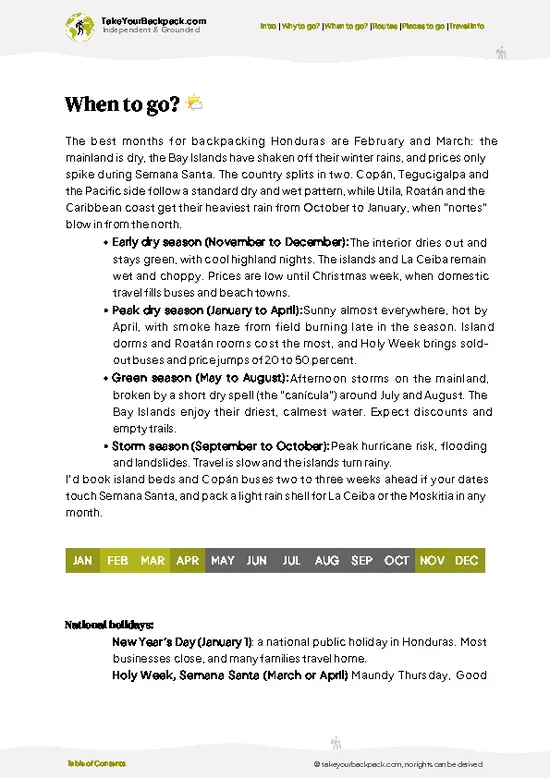
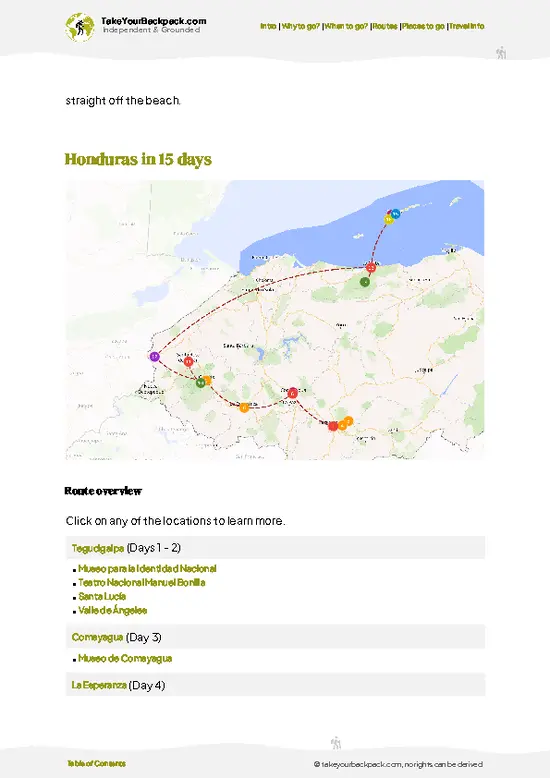
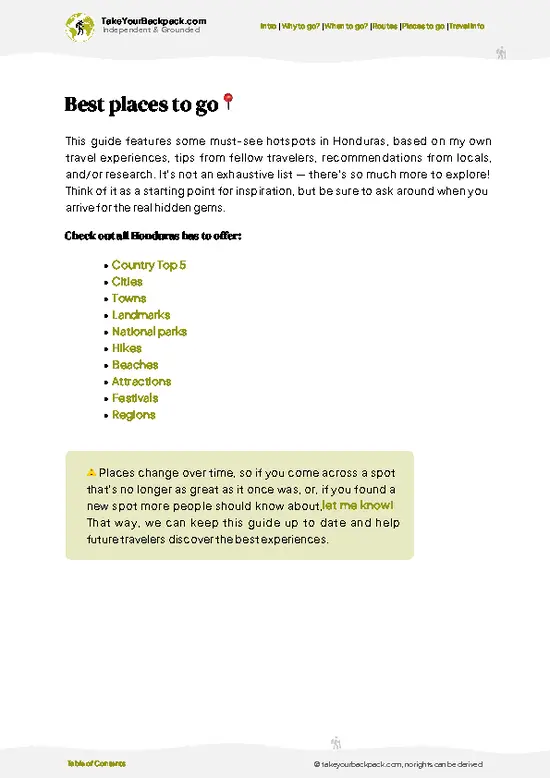
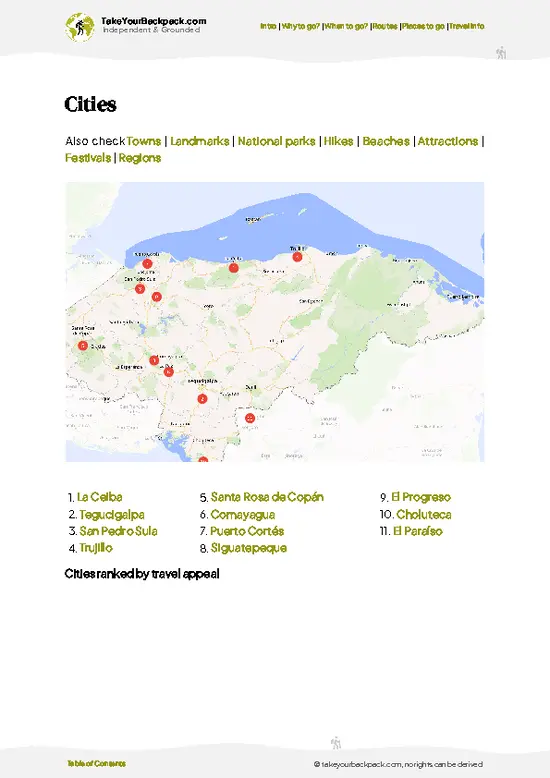
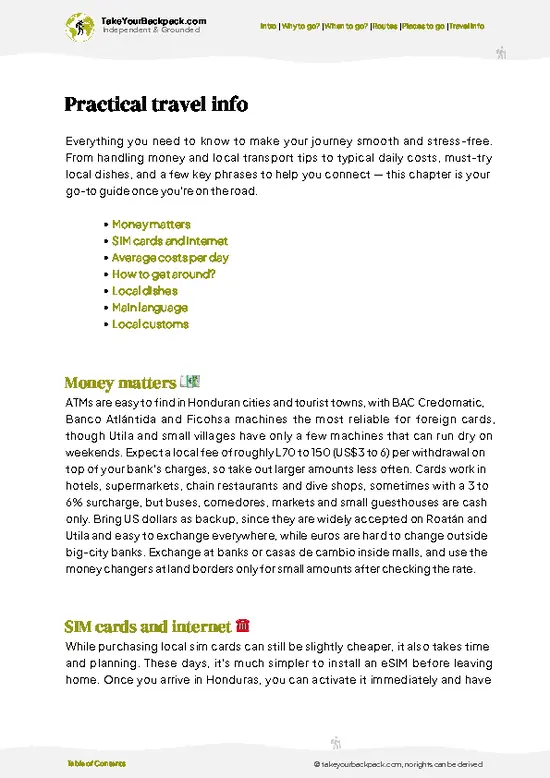
example page 0 from our offline Travel Guide for Honduras
example page 1 from our offline Travel Guide for Honduras
example page 2 from our offline Travel Guide for Honduras
example page 3 from our offline Travel Guide for Honduras
example page 4 from our offline Travel Guide for Honduras
example page 5 from our offline Travel Guide for Honduras
example page 6 from our offline Travel Guide for Honduras
example page 7 from our offline Travel Guide for Honduras
Loading the map 🌍
CLICK TO FILTER
cities
towns
landmarks
national parks
hikes
beaches
attractions
festivals
regions
SHOW COUNTRY’S BESTSHOW ALL

✨ Why go?
Ranked #3 region in Honduras
Why Lake Yojoa should be on your travel list

Lake Yojoa suits you if you like arranging your own days. Everything is spread out along the shore, so you pick your own pace: a morning birding walk, an afternoon paddling, a night with no schedule. The lake has no packaged circuit that pulls you onto a bus with strangers, and independent travelers can hire a local boatman or guide for a few hours when they want one.

The real draw is the variety packed into a small area. You can hike to the Pulhapanzak Waterfall, a 43-meter drop you can walk behind, then climb into the Santa Bárbara National Park cloud forest for quetzals, toucans and orchids. Coffee farms on the hillsides run tours where you taste what you've just watched being roasted. Craft breweries by the shore add a fun evening option that is rare in this part of Central America.

… read more 👉
Lake Yojoa suits you if you like arranging your own days. Everything is spread out along the shore, so you pick your own pace: a morning birding walk, an afternoon paddling, a night with no schedule. The lake has no packaged circuit that pulls you onto a bus with strangers, and independent travelers can hire a local boatman or guide for a few hours when they want one.

The real draw is the variety packed into a small area. You can hike to the Pulhapanzak Waterfall, a 43-meter drop you can walk behind, then climb into the Santa Bárbara National Park cloud forest for quetzals, toucans and orchids. Coffee farms on the hillsides run tours where you taste what you've just watched being roasted. Craft breweries by the shore add a fun evening option that is rare in this part of Central America.

Budget travelers find dorm beds and camping spots right at the water, and the highway makes it easy to link Lake Yojoa with Copán Ruinas or the Caribbean coast.

💡 HighlightsWhat this place is best known for

  1. Birdwatching on the lake shore: Over 400 species have been recorded here, and the reed beds and wetlands hold herons, jacanas, kingfishers and kites. Dawn from a rented boat or a quiet dock is best.
  2. Pulhapanzak Waterfall: A 43-meter cascade on the Río Lindo, with a path that leads behind the falls. A small entry fee applies, and zip-lining is offered nearby.
  3. Santa Bárbara National Park: The cloud forest rising above the lake's west side is thick with ferns, orchids and bromeliads. Hikes here are steep, and guides help spot toucans, motmots and other forest birds.
  4. Cerro Azul Meámbar National Park: This forested park on the eastern shore has trails, rivers and waterfalls. It sees far fewer visitors than the west side and is good for a quiet walk.
  5. Los Naranjos Eco-Archaeological Park: Pre-Columbian
… read more 👉
  1. Birdwatching on the lake shore: Over 400 species have been recorded here, and the reed beds and wetlands hold herons, jacanas, kingfishers and kites. Dawn from a rented boat or a quiet dock is best.
  2. Pulhapanzak Waterfall: A 43-meter cascade on the Río Lindo, with a path that leads behind the falls. A small entry fee applies, and zip-lining is offered nearby.
  3. Santa Bárbara National Park: The cloud forest rising above the lake's west side is thick with ferns, orchids and bromeliads. Hikes here are steep, and guides help spot toucans, motmots and other forest birds.
  4. Cerro Azul Meámbar National Park: This forested park on the eastern shore has trails, rivers and waterfalls. It sees far fewer visitors than the west side and is good for a quiet walk.
  5. Los Naranjos Eco-Archaeological Park: Pre-Columbian mounds and plazas sit beside lakeside trails and a bird-rich wetland. Allow a couple of hours, and note that the mounds are grassy hills rather than dramatic ruins.
  6. Lakeside coffee farms: Several fincas on the hillsides near the lake offer walks through the plants and tastings. Altitude gives the beans a bright, sweet flavor.
  7. Local craft breweries: A couple of microbreweries along the shore pour beer on terraces with water views, a good way to end a hiking day.
Lake Yojoa's cheapest sight is the birdwatching along the public shoreline, which costs nothing if you bring binoculars and walk.
Spotted a mistake or missing something? Contact us.

Things to do near Lake Yojoa

Ratings based on Tripadvisor reviews. When you book through this link, you support our work at no extra cost to you.

🌤️ When to go?When to go for the best experience

  • Dry Season (December to April): Lake Yojoa is at its most reliable from February to April, with sunny days of 27 to 32°C (81 to 90°F) and cooler nights of 14 to 18°C (57 to 64°F). Trails in Cerro Azul Meámbar National Park are firm, birding is easy, and Honduran holiday weeks (Semana Santa) fill lakeside rooms.
  • Early Wet Season (May to July): Short afternoon downpours turn the forest greener, temperatures stay at 24 to 30°C (75 to 86°F), and rooms are easy to find at lower rates.
  • Peak Rains (September to November): Expect the heaviest rain, muddy tracks, and sometimes cloud over the cloud forest of Santa Bárbara National Park. Cooler air of 20 to 26°C (68 to 79°F) makes hiking pleasant between storms, though waterfall trails get slick.
  • Bird Migration (November to March): Northern migrants join
… read more 👉
  • Dry Season (December to April): Lake Yojoa is at its most reliable from February to April, with sunny days of 27 to 32°C (81 to 90°F) and cooler nights of 14 to 18°C (57 to 64°F). Trails in Cerro Azul Meámbar National Park are firm, birding is easy, and Honduran holiday weeks (Semana Santa) fill lakeside rooms.
  • Early Wet Season (May to July): Short afternoon downpours turn the forest greener, temperatures stay at 24 to 30°C (75 to 86°F), and rooms are easy to find at lower rates.
  • Peak Rains (September to November): Expect the heaviest rain, muddy tracks, and sometimes cloud over the cloud forest of Santa Bárbara National Park. Cooler air of 20 to 26°C (68 to 79°F) makes hiking pleasant between storms, though waterfall trails get slick.
  • Bird Migration (November to March): Northern migrants join resident species, and the lake counts well over 400 bird species in the area.
Daylight stays close to 11 to 13 hours all year. Book lakeside beds ahead only for Semana Santa and the December holidays, and aim for late January to early March for the best balance of dry trails and calm crowds.


source: climatestotravel.comJANJanuary: excellent for travelingFEBFebruary: excellent for travelingMARMarch: excellent for travelingAPRApril: highly recommended for travelingMAYMay: fair for travelingJUNJune: fair for travelingJULJuly: fair for travelingAUGAugust: fair for travelingSEPSeptember: fair for travelingOCTOctober: fair for travelingNOVNovember: highly recommended for travelingDECDecember: highly recommended for traveling
honduras-region-lake-yojoa
© Google |

✈️ The backpacker research shortcutHonduras Travel Guide

An offline-friendly backpacking guide with optimized travel routes, ranked highlights, transport advice, and the best areas to stay.
example page 0 from our offline Travel Guide for Honduras
example page 1 from our offline Travel Guide for Honduras
example page 2 from our offline Travel Guide for Honduras
example page 3 from our offline Travel Guide for Honduras
example page 4 from our offline Travel Guide for Honduras
example page 5 from our offline Travel Guide for Honduras
example page 6 from our offline Travel Guide for Honduras
example page 7 from our offline Travel Guide for Honduras
The digital guide (255 pages) contains:
✅ 70 highlights, ranked by travel appeal
✅ Optimized 5, 10 & 15-day travel routes
✅ Cities, national parks, landmarks, beaches
✅ How to get around
✅ Offline-friendly for travel without Wi-Fi
👉 Click to see all 30+ guide features

📅 Plan smarter in minutes, not weeks
✅ Month by month travel advice
✅ Festivals & national holidays
✅ Budget expectations

🗺️ Go to the right places, skip the overrated ones
✅ Honest pros & cons of destinations
✅ Top hikes, parks & viewpoints
✅ Lesser-known places most travelers miss
✅ Clear “worth it vs skip it” guidance

🛏️ Travel smoothly without rookie mistakes
✅ Best areas to stay
✅ Transport systems explained simply
✅ Common scams & safety advice
✅ SIM cards, money & practical tips

🌍 Understand the country, not just visit it
✅ Culture & traditions
✅ 52 Essential phrases & customs
✅ Festivals worth planning around
✅ Traveler-friendly historical context
✅ Insights that make places more meaningful

📱 Built for real travel conditions
✅ Fully downloadable PDF
✅ Works completely offline
✅ Optimized for phone use
✅ Useful in remote areas & buses
✅ Everything in one place
Stop searching, start planning
Get instant access to your full guide. 30‑day money-back guarantee.
+ Add another guide for just

By proceeding you agree to our terms.
Sent to your inbox immediately after payment • 100% Secure Checkout
Best Backpacking Travel Advisor 2025 tourism awardBest Backpacking
Travel Advisor
2025
What others say about Take Your Backpack Guides:
⭐⭐⭐⭐⭐
Fantastic, amazing amount of information!
⭐⭐⭐⭐⭐
My goodness this is amazing, it's what I've been looking for hats off too you!
⭐⭐⭐⭐⭐
I think this is absolutely BRILLIANT
⭐⭐⭐⭐
Very complete and informative. It's still missing places, but I gotta to commend you
⭐⭐⭐⭐⭐
This is truly amazing, thank you, can't wait to explore it with my kids!
⭐⭐⭐⭐⭐
Awesome resource, thank you!
⭐⭐⭐⭐⭐
This is amazing! Can't wait to explore the ones I haven't seen
⭐⭐⭐⭐
I love this! Well done, great idea.
⭐⭐⭐⭐⭐
Thanks for taking the time to make this gem!
⭐⭐⭐⭐⭐
This might be the best website I've ever seen.
⭐⭐⭐⭐⭐
Congratulations, and thank you so much for your work; it's incredibly valuable.
⭐⭐⭐⭐
In all seriousness I think you did a great job pointing out the important spots
⭐⭐⭐⭐⭐
10/10 very good
⭐⭐⭐⭐⭐
As someone who's only just starting to visit regularly this is awesome, thank you.
⭐⭐⭐⭐
Thank you very much! I'm going to visit my dad, it's going to be very useful!
⭐⭐⭐⭐⭐
This is really cool! We'll be travelling for the first time and this definitely come in handy.
⭐⭐⭐⭐⭐
You are now our minister of culture, congratulations 👨‍💼
⭐⭐⭐⭐⭐
Just wanted to tell you that this is a pearl! Going to follow your recommendations.
⭐⭐⭐⭐⭐
This is so cool. I'll definitely be using the resource for my travels soon.
⭐⭐⭐⭐⭐
This is very impressive! Good work.
⭐⭐⭐⭐⭐
This is an amazing and informative site. Very well done!

🛏️ Where to stay?How to pick the right area

The northwestern lakeshore around Los Naranjos and Peña Blanca is where most backpackers sleep, because bird walks, waterfalls and the lake all sit within a short ride. There are no beds inside the lake’s protected areas, so you stay in lodges and small towns around the shore.
The southern end near Pito Solo is quieter and more rustic.
Peña Blanca, just north of the lake, is a working town with cheap guesthouses at US$12 to 25 a night, plus markets and buses. It suits anyone wanting a base with real local life and easy onward connections.
To the west, the town of Santa Bárbara works as a gateway … read more 👉
The northwestern lakeshore around Los Naranjos and Peña Blanca is where most backpackers sleep, because bird walks, waterfalls and the lake all sit within a short ride. There are no beds inside the lake’s protected areas, so you stay in lodges and small towns around the shore.
The southern end near Pito Solo is quieter and more rustic.
Peña Blanca, just north of the lake, is a working town with cheap guesthouses at US$12 to 25 a night, plus markets and buses. It suits anyone wanting a base with real local life and easy onward connections.
To the west, the town of Santa Bárbara works as a gateway for Santa Bárbara National Park, with basic hotels at US$15 to 30. Comayagua and San Pedro Sula are the nearest cities, useful for transit but with more urban stays. Pick the southern shore for quiet, and Peña Blanca if cost and transport matter most.

👛 Costs (as of 23 October 2026)What things cost and how to budget

Lake Yojoa costs most backpackers about US$31 to 65 a day, and a realistic high-season total is US$50. The lake is cheap by regional standards, with the main spending on lodging, guided activities and meals. Travelers pay in lempiras, and cash is more reliable than cards around the shore.
CategoryBudget RangeLocal Reality
Accommodation (high season)US$12 to 20Dorm beds at lakeside hostels run US$10 to 15, while private rooms start around US$25. Low season is a few dollars cheaper.
Food and suppliesUS$8 to 14Fried lake fish with tajadas and a drink costs US$6 to 9 at lakeside restaurants. Local comedores serve set meals for US$3 to 5.
Local transportUS$3 to 6Chicken buses and pickups between Peña Blanca, Los Naranjos and Pito Solo cost about US$1 to 3 per hop. Taxis for short hops cost US$3 to
… read more 👉
Lake Yojoa costs most backpackers about US$31 to 65 a day, and a realistic high-season total is US$50. The lake is cheap by regional standards, with the main spending on lodging, guided activities and meals. Travelers pay in lempiras, and cash is more reliable than cards around the shore.
CategoryBudget RangeLocal Reality
Accommodation (high season)US$12 to 20Dorm beds at lakeside hostels run US$10 to 15, while private rooms start around US$25. Low season is a few dollars cheaper.
Food and suppliesUS$8 to 14Fried lake fish with tajadas and a drink costs US$6 to 9 at lakeside restaurants. Local comedores serve set meals for US$3 to 5.
Local transportUS$3 to 6Chicken buses and pickups between Peña Blanca, Los Naranjos and Pito Solo cost about US$1 to 3 per hop. Taxis for short hops cost US$3 to 8.
Entrance feesUS$3 to 10Pulhapanzak Waterfall and Los Naranjos archaeological site each charge roughly US$3 to 8. Some private reserves charge separately.
Guided activitiesUS$5 to 15Bird walks, kayak rentals and boat tours range from US$5 to 15 per person for short outings, more for full-day guides.
Total Daily BudgetUS$31 to 65About US$50 a day at a comfortable backpacker pace in high season.
⚠️ Prices can change and everyone travels differently, so take this as a rough guide. Hope it helps you plan your adventure!

🛡️ SafetyStaying Safe: What Travelers Should Know

Lake Yojoa is generally straightforward for hikers, and most problems are mundane: mud, heat and slippery stone. The trails around Cerro Azul Meámbar and the waterfalls near Pulhapanzak can be wet and steep during the rainy months, so wear shoes with real grip and start early before afternoon storms roll in. Leave valuables at your lodge and carry only what you need, as petty theft happens mainly at roadside stops and buses rather than on trails.
Hiring a local guide for forest routes is worthwhile. It helps with navigation where paths fork, and your fee supports the community-run reserves. Wildlife is mostly birds, monkeys and the occasional snake, so watch where you place hands and feet, keep distance, and never feed animals. Swim only at spots locals use, and avoid water after heavy rain, … read more 👉
Lake Yojoa is generally straightforward for hikers, and most problems are mundane: mud, heat and slippery stone. The trails around Cerro Azul Meámbar and the waterfalls near Pulhapanzak can be wet and steep during the rainy months, so wear shoes with real grip and start early before afternoon storms roll in. Leave valuables at your lodge and carry only what you need, as petty theft happens mainly at roadside stops and buses rather than on trails.
Hiring a local guide for forest routes is worthwhile. It helps with navigation where paths fork, and your fee supports the community-run reserves. Wildlife is mostly birds, monkeys and the occasional snake, so watch where you place hands and feet, keep distance, and never feed animals. Swim only at spots locals use, and avoid water after heavy rain, when currents grow strong. Carry at least 2 liters of water per person, insect repellent and a rain layer. Travel by daylight on the highways, use registered taxis or pickups, and check current local conditions with your lodge before heading out.

FAQTraveler FAQ

Two to three days is enough for Lake Yojoa if you want birding, a waterfall and a lake outing. Day one can cover Los Naranjos and a boat trip, day two the Pulhapanzak Waterfall (about 30 minutes from Peña Blanca), and a third day suits a hike in Cerro Azul Meámbar National Park. Serious birders often stay four to five days.
Yes, Lake Yojoa is easy to reach and explore without a car. Buses from San Pedro Sula take about 1.5 to 2 hours to the lake, and the highway runs along its eastern shore. Locals use pickups and mototaxis for short hops at US$1 to 3, and guides or hostels can arrange tours for the more remote trails.
There is no single entrance fee for Lake Yojoa itself, but individual sites charge their own fees. Pulhapanzak Waterfall and Los Naranjos archaeological site each cost roughly US$3 to 8, and community reserves in Cerro Azul Meámbar charge small fees, often with a guide. No special permit is needed for day visits, and you only pay in cash.
⚠️ Things can change over time, so always validate details locally before you go.

Other Honduran regions near Lake Yojoa

Explore more nearby:

  • El Cacao—cacao farms, rural villages, foothill trails| 101 km away
  • Cayos Cochinos—Garifuna sandbar stays, fringing reef snorkeling, pink boa trails, oil-lamp nights| 203 km away
  • Roatán—West End diving, reef from the dock, Punta Gorda, quiet northern coves| 225 km away

💡 Not sure where to go next?
Create a personalized itinerary for Honduras including Lake Yojoa and the places that fit your trip.

Generate my itinerary

👉 Discover all regions

Or checkout all Honduras has to offer (think cities, towns, villages, national parks, hikes, beaches, festivals)
Country photo of Honduras

We 💚 feedbackKey takeaways before you go

Lake Yojoa works best as a two or three night pause between Copán Ruinas and the Caribbean coast, or between the capital and San Pedro Sula. I would skip trying to cover it as a rushed stop. Bring binoculars and rain gear, book a guide for the cloud forest, and let the lake break up a long overland route.

✈️ When did I visit Honduras?
Honduras I visited during my half year trip through South and Central America back in 2003

✍️ Help improve this page!
The information on this page is based on my own backpacking experience in Honduras, supplemented with up-to-date research and feedback from other travelers. Travel details can change, so if you notice anything outdated or incomplete, feel free to let me know.


🙋‍♂️ Give feedback

👋 Meet the founderWho’s Behind Take Your Backpack?

Johan, backpacker and founder of TakeYourBackpackHi, I’m Johan (Netherlands 🇳🇱), the creator of TakeYourBackpack. Over the past 3 decades, I’ve backpacked through 90+ countries across six continents, gaining extensive experience with independent travel, long-term trips, and overland routes.

This site is built on a combination of firsthand travel experience and carefully curated insights from other backpackers. Many guides are based on places I’ve personally visited, while others bring together tips, observations, and practical advice shared by trusted travelers I’ve met along the way.

The goal is to provide realistic, experience-driven guidance — not generic itineraries — so you can explore destinations with better context, clearer expectations, and more confidence.